A normal autopsy can feel devastatingly unclear. normal autopsy sudden death may need molecular autopsy testing. Learn what to ask next.
normal autopsy sudden death means a person died suddenly, but the standard autopsy did not find a clear structural cause such as a blocked coronary artery, ruptured aneurysm, pulmonary embolus, or obvious heart muscle disease. This can happen when the fatal problem was electrical or genetic rather than something visible to the eye or microscope. In these cases, a molecular autopsy may investigate inherited changes in genes linked to abnormal heart rhythm and heart muscle disorders.
For families, this kind of result can feel especially painful because it offers no simple answer. A report that says the heart looked normal may sound as if nothing was learned, even though the autopsy may have ruled out many major causes of sudden death. The next step is often not to repeat grief in medical language, but to ask a more precise question: Could an inherited risk be present in the family?
That question matters because normal autopsy sudden death can sometimes be the first sign of a hidden condition that affects relatives. A molecular autopsy cannot answer every question, but it can sometimes turn a frightening unknown into information that helps living family members seek care, screening, and prevention.
Normal Autopsy Sudden Death — What It Actually Means
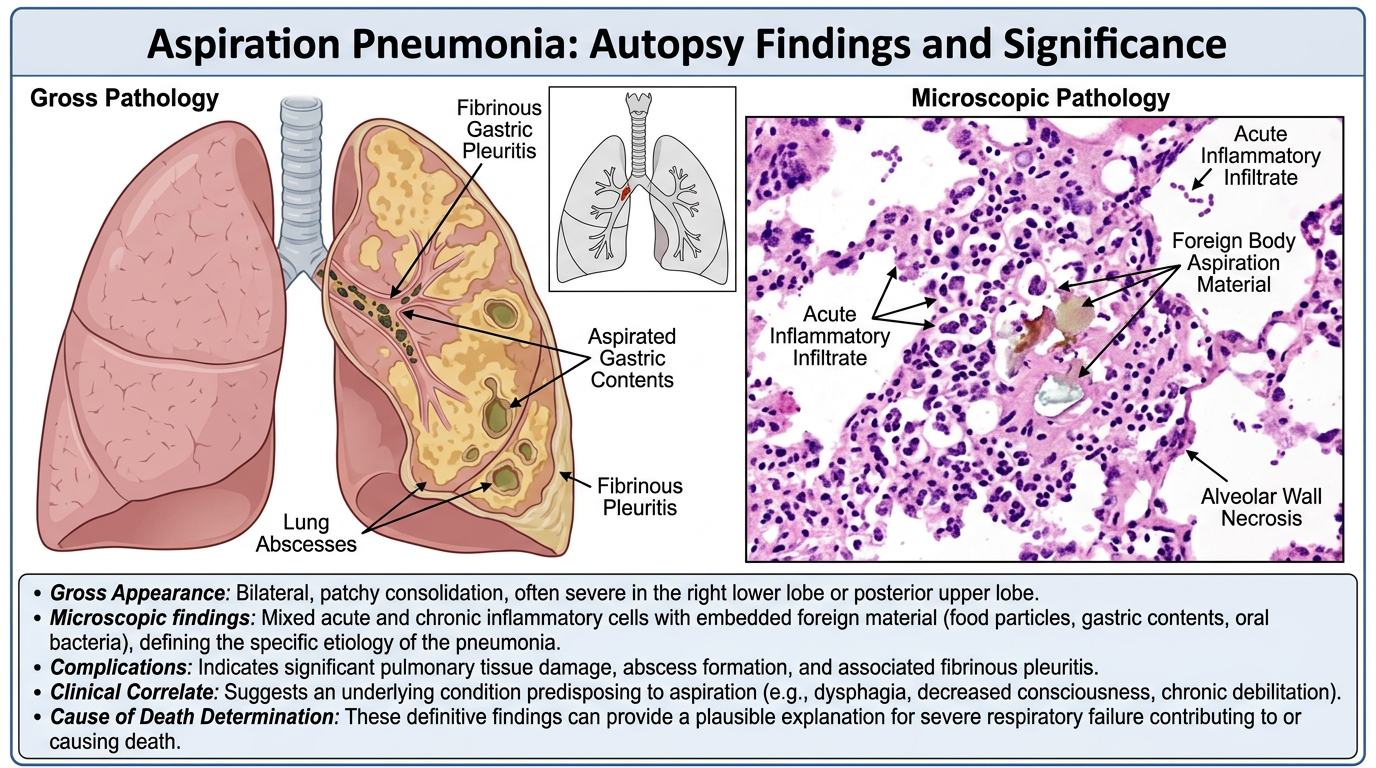
Normal autopsy sudden death does not mean the death was imaginary, missed, or unimportant. It means the routine postmortem examination did not show an anatomic explanation that fully accounts for the death. A pathologist may examine the heart, lungs, brain, major blood vessels, and other organs, and tissue samples may be reviewed under a microscope. If those findings do not reveal a fatal disease, the case may be described as sudden unexplained death or sudden arrhythmic death, depending on the circumstances.
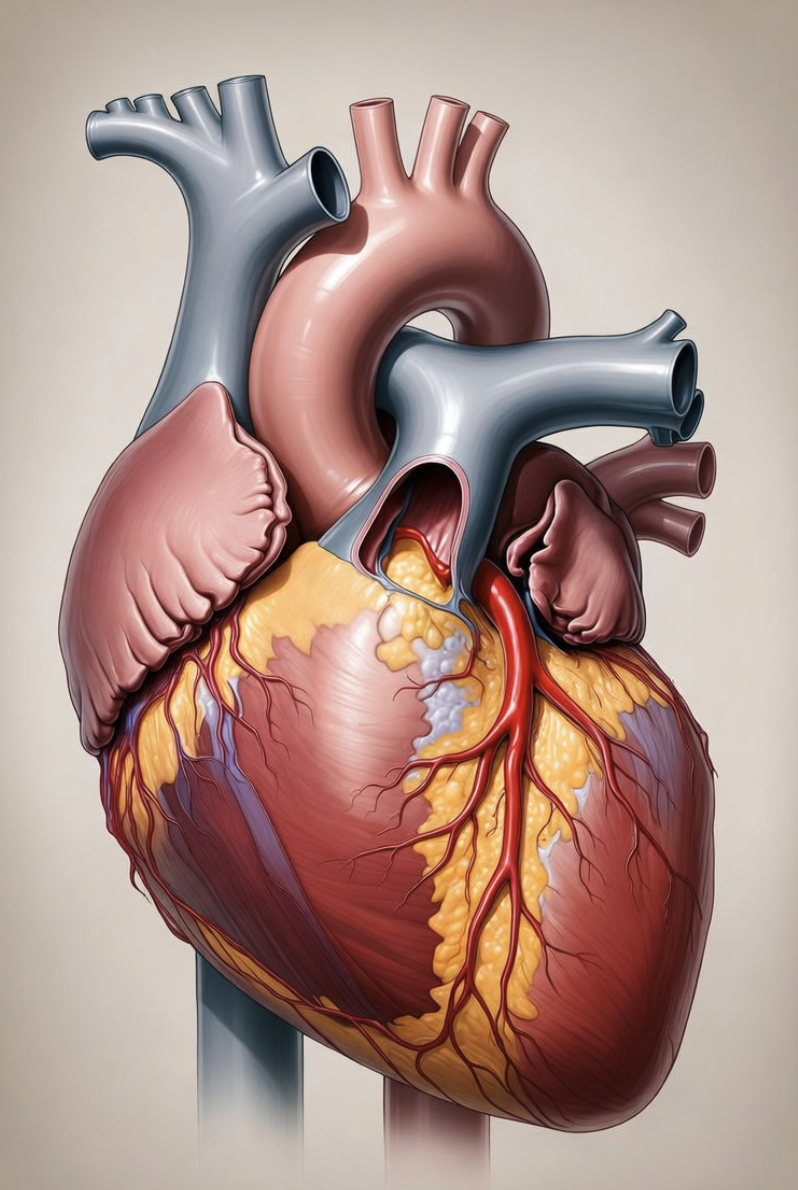
A helpful analogy is a house that loses power even though the walls, roof, and wiring outlets look intact. The problem may not be a broken wall; it may be an electrical surge, a faulty circuit, or a control problem that left no obvious scar. In the body, some fatal heart rhythm problems can leave little or no visible trace after death. That is why molecular autopsy testing can be considered when the structure of the heart appears normal.
From a pathology standpoint, this distinction is critical. A standard autopsy is excellent for finding visible disease, injury, bleeding, infection, and many forms of heart disease. It is not designed to detect every inherited electrical disorder. A molecular autopsy uses retained blood, tissue, or another suitable specimen for genetic testing, with the goal of identifying a variant that may explain a cardiac arrhythmia or inherited heart disease. Families reading an autopsy report may also benefit from general background on what a pathology report is, because autopsy reports use similar medical logic but in a postmortem setting.
Why A Normal Autopsy May Still Leave Questions
A normal autopsy may leave questions because some lethal conditions are functional rather than structural. Long QT syndrome, Brugada syndrome, catecholaminergic polymorphic ventricular tachycardia, and some other rhythm disorders can cause a fatal cardiac arrhythmia without creating a visible abnormality in the heart. These conditions often involve channelopathy genes, which affect the movement of charged particles through heart cells. When those signals are disrupted, the heartbeat can become dangerously unstable.
Other cases involve early or subtle heart muscle disease. Some cardiomyopathy genes can cause inherited heart disease before the heart becomes visibly enlarged, scarred, or thickened. A young person may die suddenly before enough structural change has developed to be recognized at autopsy. DNA sequencing may then be used to look for gene variants associated with cardiomyopathy genes, channelopathy genes, or other known sudden death syndromes.
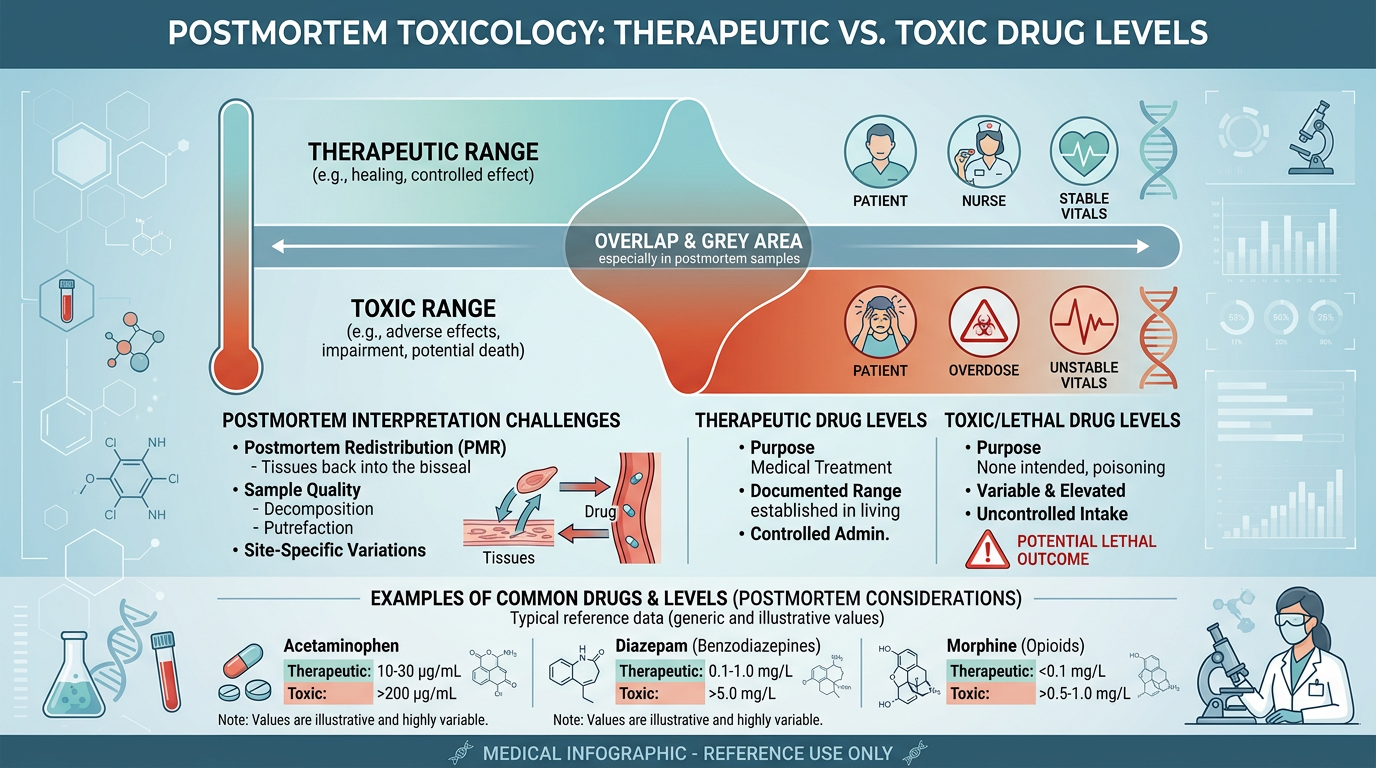
The autopsy context still matters greatly. Pathologists consider age, activity at the time of death, medication history, toxicology, family history, and microscopic findings. For example, a death during exercise may raise different questions than a death during sleep, although neither pattern proves a specific diagnosis by itself. Toxicology testing, scene investigation, medical records, and family history all help decide whether genetic testing is likely to be useful. Families trying to understand technical wording may find it helpful to review how to read a pathology report with confidence, especially when the report contains many negative findings.
How Normal Autopsy Sudden Death Can Point To Inherited Risk
Normal autopsy sudden death can be serious for surviving relatives because the person who died may have had an inherited condition. This does not mean every family member is in danger, and it does not mean a genetic cause will always be found. It means the death may be a clue that deserves careful review by clinicians familiar with inherited heart disease. A molecular autopsy can help decide whether relatives need heart screening, genetic counseling, or targeted genetic testing.
The most important point is that normal autopsy sudden death is not a single diagnosis. It is a description of a situation: A sudden death occurred, and the autopsy did not show a clear anatomic cause. In some families, DNA sequencing finds a pathogenic or likely pathogenic variant in channelopathy genes or cardiomyopathy genes. In other families, genetic testing shows a variant of uncertain significance, meaning a change was found but current science cannot say whether it caused the death.
This uncertainty can be emotionally difficult. A result that is negative or uncertain may feel like another closed door, but it can still guide the next steps. A negative molecular autopsy does not rule out all inherited heart disease because not every risk gene is known, and not every variant is detectable or interpretable. A positive result, however, may give relatives a specific finding to discuss with a cardiologist or genetic counselor. For that reason, normal autopsy sudden death should be approached as both a pathology question and a family health question.
What A Molecular Autopsy Can And Cannot Investigate
A molecular autopsy usually investigates genes associated with sudden cardiac death, especially genes linked to cardiac arrhythmia and inherited heart disease. The test may include channelopathy genes, cardiomyopathy genes, or a broader sudden death gene panel. Some laboratories use targeted DNA sequencing panels, while others may consider broader sequencing depending on the case and available specimen. The best choice depends on the age of the person who died, the autopsy findings, the family history, and the quality of stored DNA.
The test can sometimes identify a pathogenic variant that explains why a normal-looking heart may have developed a fatal rhythm disturbance. It can also identify a likely pathogenic variant that strongly suggests a cause but still needs clinical correlation. Genetic testing can also return a variant of uncertain significance, which should not be treated as a confirmed diagnosis. This is one reason a molecular autopsy should be interpreted by professionals who understand both pathology and inherited cardiac disease.
There are also clear limits. A molecular autopsy may not detect acquired causes, environmental triggers, some toxic exposures, or genetic mechanisms outside the test design. A normal result does not prove the death was not genetic. It only means the tested genes did not reveal a reportable explanation at the current level of medical knowledge. Normal autopsy sudden death may therefore remain unexplained even after careful DNA sequencing, but the process can still help families decide whether additional clinical screening is needed.
What Families Can Do Next After The Autopsy Report
After normal autopsy sudden death, families can ask whether appropriate samples were retained for possible molecular autopsy testing. Suitable specimens may include blood, frozen tissue, spleen, or other stored tissue, depending on local practice and how the autopsy was performed. Formalin-fixed tissue may sometimes be used, but DNA quality can be more limited. Early communication with the medical examiner, coroner, hospital pathology department, or treating physician can help preserve options.
The next step is often referral to a cardiologist with experience in inherited heart disease or a cardiovascular genetics clinic. Relatives may be offered an electrocardiogram, echocardiogram, exercise testing, Holter monitoring, or other evaluation depending on the suspected condition. If the molecular autopsy finds a clearly disease-causing variant, targeted genetic testing may be offered to relatives. If no variant is found, clinical screening may still be recommended because some inherited conditions are not detected through current genetic testing.
A second review may also be appropriate when the report is unclear, when the family history is concerning, or when tissue descriptions seem limited. A second pathology opinion can reassess the heart findings, microscopic slides, toxicology context, and whether molecular testing is reasonable. Information about when to get a second pathology opinion can help families understand what a review can and cannot change. Honest Pathology consultations can help families organize the report, identify unanswered questions, and prepare for a focused discussion with clinicians.
Questions To Ask Your Doctor Or Pathologist
- Was the heart examined by, or reviewed with, a pathologist experienced in cardiac autopsy?
- Were microscopic sections of the heart taken from the conduction system, ventricles, septum, and any suspicious areas?
- Were toxicology results complete, and did any medication, substance, or metabolic issue contribute to the death?
- Was blood, frozen tissue, spleen, or another DNA-quality specimen saved for molecular autopsy testing?
- Does the history suggest cardiac arrhythmia, inherited heart disease, seizure disorder, fainting episodes, or exercise-related collapse?
- Would genetic testing be most useful on the person who died, or should living relatives be evaluated first?
- If DNA sequencing finds a variant of uncertain significance, who will help interpret it for the family?
These questions can make a difficult appointment more structured. They also help separate what the autopsy already answered from what remains unknown. Normal autopsy sudden death often requires coordination among pathology, cardiology, genetics, and sometimes the medical examiner or coroner.
Families do not need to solve every medical detail alone. A focused review can identify whether the report supports molecular autopsy testing, whether records are missing, and whether relatives should seek clinical screening. Guidance on how to get a second opinion on a pathology diagnosis may also apply when families need an expert review of autopsy materials and reports.
Frequently Asked Questions
Can someone die suddenly with a normal autopsy?
Yes. Normal autopsy sudden death can occur when the fatal event is an electrical heart problem rather than a visible structural abnormality. Some cardiac arrhythmia syndromes leave little or no trace in the organs. The autopsy can still be valuable because it rules out many other causes, such as major heart artery blockage, bleeding, embolus, trauma, and infection.
What does a molecular autopsy test for?
A molecular autopsy looks for inherited genetic changes that may explain sudden death. The test often includes channelopathy genes, cardiomyopathy genes, and other genes linked to cardiac arrhythmia or inherited heart disease. DNA sequencing may be performed on stored blood or tissue from the person who died. The result must be interpreted with the autopsy findings, medical history, and family history.
Does a negative molecular autopsy rule out a genetic cause?
No. A negative molecular autopsy does not rule out every genetic cause because current genetic testing cannot detect or interpret all possible risks. Some genes are still unknown, and some variants remain difficult to classify. Normal autopsy sudden death can remain unexplained even after testing. Relatives may still need clinical heart screening if the circumstances or family history are concerning.
Should family members get tested after sudden unexplained death?
Family members should discuss this question with a cardiologist or genetics professional, especially when the death occurred at a young age or during sleep, exercise, or emotional stress. Clinical evaluation often comes before or alongside genetic testing. If a pathogenic variant is found in the person who died, relatives can be offered targeted testing. If no variant is found, heart screening may still be recommended.
Who can order a molecular autopsy?
The process depends on the jurisdiction, the type of autopsy, and where specimens are stored. A medical examiner, coroner, hospital pathologist, cardiologist, genetic counselor, or treating clinician may help coordinate molecular autopsy testing. Families should ask whether DNA-quality tissue was saved and which laboratory is appropriate. Insurance coverage, consent rules, and legal procedures may vary.
A normal autopsy after sudden death can feel like silence where an answer should be. In many cases, the next useful step is to ask whether the question has shifted from visible anatomy to inherited electrical or heart muscle risk. Honest Pathology consultations can help families understand the report, organize the right questions, and decide whether molecular autopsy review or second opinion support may be appropriate.
References:
National Cancer Institute — Pathology Reports
National Cancer Institute — Autopsy Definition
MedlinePlus — Genetic Testing