Feeling shocked by no anatomic cause on an autopsy report? Learn what it means, what may still be pending, and what to ask next.
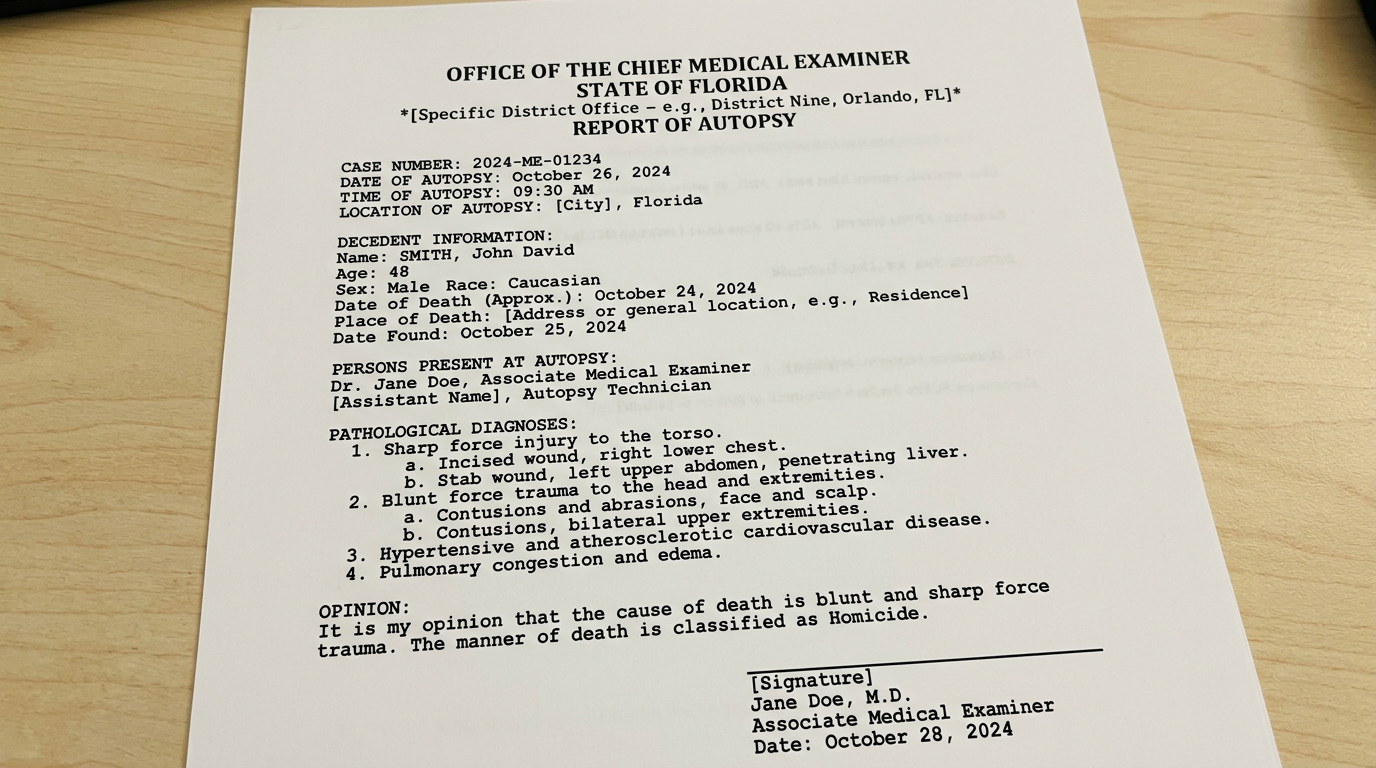
A finding of no anatomic cause on an autopsy report means the examination did not identify a structural body change that clearly explains death. This can feel deeply unsettling because families often expect an autopsy to provide one final, definite answer. In reality, an autopsy report may separate visible or microscopic body findings from other medical, toxicologic, electrical, genetic, or circumstantial explanations.
Receiving this wording during grief can create a second wave of confusion. It may sound as though nothing was learned, or worse, that something was missed. That is not usually what the phrase means. Pathologists use careful language when the organs, tissues, and microscopic examination do not show an injury or disease severe enough to explain the death by themselves.
For many families, the most helpful next step is understanding what an anatomic autopsy can prove, what it cannot prove, and what other testing may still contribute. The words are technical, but the concern behind them is human: A family wants to know why a loved one died.
No Anatomic Cause In An Autopsy Report — What It Actually Means
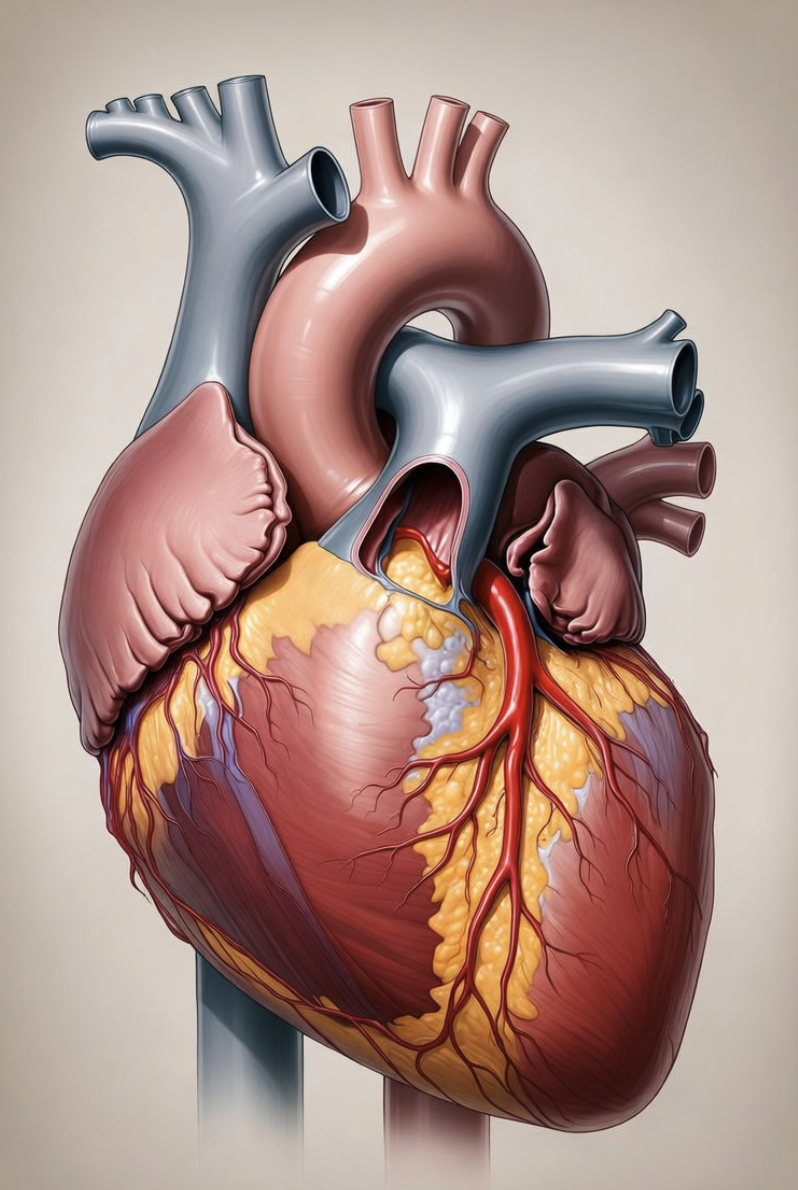
No anatomic cause means the pathologist did not find a physical abnormality in the body that, by itself, explains the death. “Anatomic” refers to structures that can be examined directly, such as the heart, lungs, brain, blood vessels, organs, and tissues. In an autopsy report, this includes what is seen with the naked eye and what is seen under the microscope. The phrase does not automatically mean the death was unexplained forever. It means the anatomic part of the examination did not reveal the answer.
A useful analogy is a home inspection after a sudden power outage. If the walls, wiring, panel, and appliances look intact, the inspection may not show a broken structure. The outage could still have happened because of a brief electrical surge, a grid issue, or a problem that left little visible damage. In the body, some fatal events leave obvious anatomic clues, while others may not. A sudden cardiac arrhythmia, seizure, drug effect, electrolyte disturbance, or certain inherited conditions may leave few or no visible changes.
Pathologists often phrase findings this way to avoid overstating the evidence. A cause of death should be supported by the available medical facts, not guessed from uncertainty. The autopsy report may still describe meaningful negative findings, such as no major heart attack, no ruptured aneurysm, no pulmonary embolus, and no lethal injury. Families trying to understand the structure of these documents may find background help in what a pathology report is, although an autopsy report has its own format and legal purpose. No anatomic cause is therefore a statement about the limits of the visible and microscopic findings, not a dismissal of the death.
Why An Autopsy Report May Show This Finding
An autopsy report may show no anatomic cause when the organs do not reveal a lethal disease or injury. The heart may show mild enlargement or age-related artery narrowing, but not enough damage to prove a fatal heart attack. The lungs may show congestion or fluid that occurred around the time of death, but not a clear pneumonia, embolus, or trauma. The brain may show swelling or mild changes without a definitive fatal lesion. In these situations, microscopic examination helps confirm whether subtle disease is present.
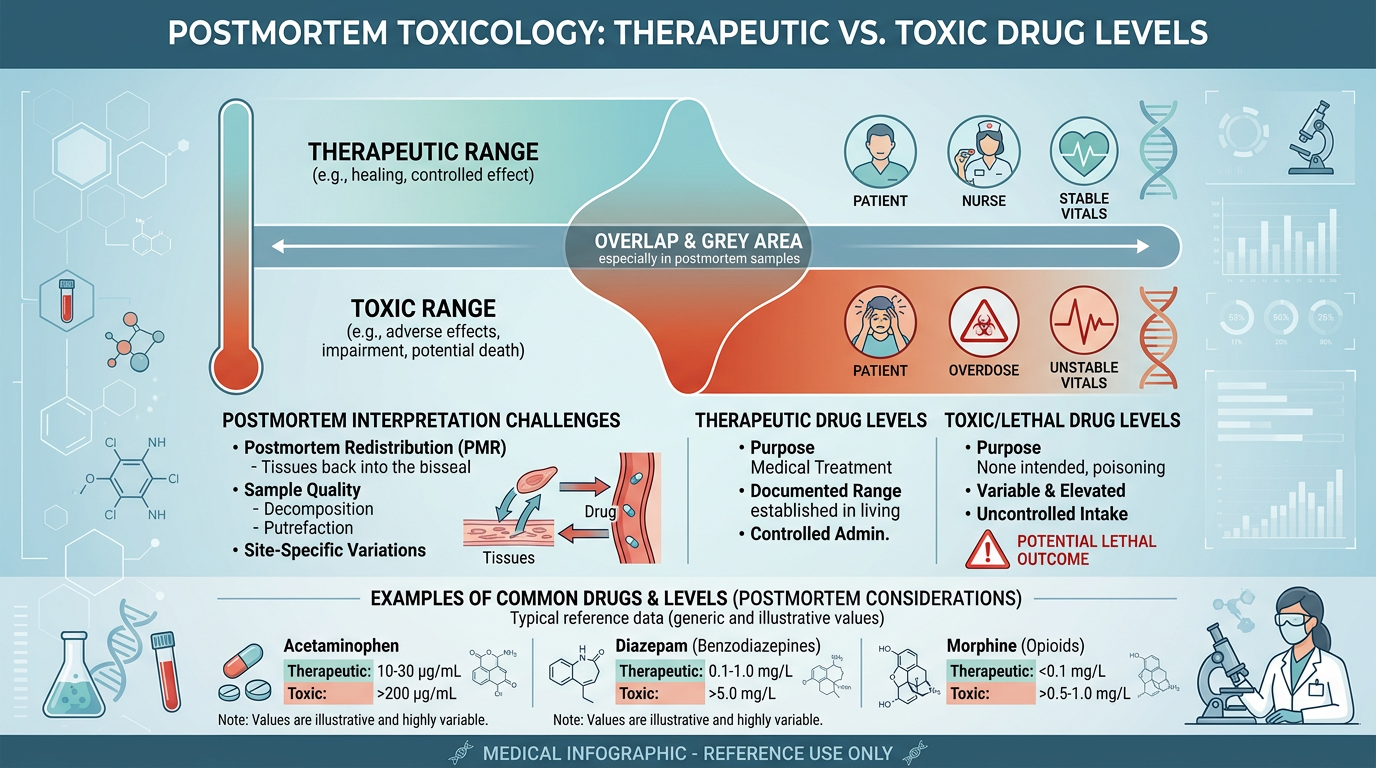
Some causes of death are functional rather than structural. A cardiac arrhythmia is a problem with the heart’s electrical rhythm, and it may stop the heart without leaving a distinctive mark. A seizure can be fatal without leaving a specific anatomic signature. Some metabolic disturbances, such as severe potassium imbalance, may not be visible during an autopsy. Toxicology testing can also be essential because medications, alcohol, opioids, stimulants, carbon monoxide, or other substances may contribute to death without causing obvious organ damage.
The medical examiner or coroner may also consider the circumstances, medical history, scene findings, emergency records, and laboratory data. A death certificate may list a final cause of death only after these pieces are brought together. In some jurisdictions, the medical examiner may certify the death as undetermined if the evidence remains incomplete or conflicting. In other cases, toxicology testing or specialized studies later clarify the cause of death. No anatomic cause is common enough that experienced forensic and hospital pathologists recognize it as a real category of uncertainty, not a rare failure of the examination.
When No Anatomic Cause Matters Most
No anatomic cause matters most when the death was sudden, unexpected, or occurred in a person without a known terminal illness. Families may wonder whether a hidden cancer, infection, blood clot, heart attack, or injury was missed. The autopsy report can often reduce those concerns by documenting what was carefully examined and what was not found. However, it may not close every question. No anatomic cause should be interpreted together with the medical history, scene investigation, toxicology testing, and any pending microscopic examination.
The level of concern depends heavily on context. If an elderly person with multiple chronic illnesses dies during a decline, the absence of one dramatic anatomic finding may not be surprising. If a young person dies suddenly during sleep or exercise, the same wording may raise questions about cardiac arrhythmia, inherited heart rhythm disorders, seizure disorders, or toxic exposure. A medical examiner may recommend family cardiac screening in selected sudden death cases, especially when the heart appears structurally normal. The cause of death may remain natural, accidental, undetermined, or rarely suspicious, depending on the full investigation.
No anatomic cause is not the same as “nothing happened.” It means the event that caused death may not have left a clear structural footprint. A fatal rhythm problem can be like a computer crash after a momentary electrical fault: By the time the system is examined, the hardware may look intact. Toxicology testing may reveal an explanation later, but toxicology testing can also be negative. When uncertainty remains, reviewing the autopsy report with a pathologist or medical examiner can help families understand which possibilities were reasonably excluded and which remain open.
What Happens Next After This Autopsy Finding
After no anatomic cause appears in a preliminary or final autopsy report, the next step is to determine whether any studies are still pending. Microscopic examination may take additional time because tissue sections must be processed, stained, reviewed, and correlated with the gross autopsy findings. Toxicology testing often takes longer because specimens may require specialized laboratory methods and confirmation. Genetic testing is not routine in every autopsy, but it may be considered in selected sudden unexplained deaths. The medical examiner or hospital pathologist may update the report if later results change the interpretation.
Families can ask whether the autopsy was complete, limited, forensic, hospital-based, or restricted by consent. The scope matters because an autopsy limited to certain organs cannot answer every possible question. The death certificate may also be amended if new information changes the certified cause of death. When the words on a report feel unclear, learning how to read a pathology report with confidence can make the document less intimidating. The goal is not to turn grief into paperwork, but to make sure the paperwork is understood.
A second review may be reasonable when the report is confusing, the clinical history seems inconsistent with the conclusion, the family has inherited disease concerns, or major decisions depend on the findings. This does not imply that the original pathologist did something wrong. Autopsy interpretation can be complex, especially when the body shows no single decisive lesion. Guidance on when to seek a second pathology opinion may help families decide whether another review is appropriate. A second opinion usually focuses on the report, slides, photographs if available, toxicology testing, and the clinical timeline.
Questions To Ask The Pathologist Or Medical Examiner
- Was the phrase no anatomic cause based on a complete autopsy or a limited examination?
- Were the heart, lungs, brain, and major blood vessels examined in detail?
- Did microscopic examination show any subtle disease that was not visible during the gross examination?
- Is toxicology testing complete, pending, negative, or still being interpreted?
- Could a cardiac arrhythmia, seizure, medication effect, or metabolic problem explain the death despite normal anatomy?
- Will the death certificate be amended if later testing changes the cause of death?
- Should close relatives consider medical screening or genetic counseling based on the findings?
These questions can help turn a frightening phrase into a clearer conversation. The most useful discussion is usually specific: What was examined, what was found, what was ruled out, and what remains uncertain. A family does not need to know every pathology term to ask direct and appropriate questions.
When a family wants another expert to review the material, the process usually begins by collecting the autopsy report, any microscopic slides or tissue blocks, toxicology testing results, medical records, and the death certificate if available. Practical steps are outlined in how to get a second opinion on a pathology diagnosis. A second review may confirm the original conclusion, clarify the wording, or identify a specific issue that deserves follow-up.
Frequently Asked Questions
What does no anatomic cause mean on an autopsy?
No anatomic cause means the autopsy did not show a structural abnormality that clearly explains the death. The organs and tissues may have been examined both visually and through microscopic examination. This wording does not necessarily mean the death is suspicious or that the autopsy was useless. It means the cause may involve electrical, toxicologic, metabolic, genetic, or circumstantial factors that are not always visible in body structures.
Can an autopsy miss the cause of death?
An autopsy can miss some causes of death because not every fatal process leaves an anatomic mark. A cardiac arrhythmia, seizure, drug effect, or electrolyte disturbance may leave little or no visible evidence. Toxicology testing, medical history, and scene information may provide clues that the anatomy alone cannot provide. The autopsy report should be interpreted as one major part of the full death investigation.
Does no anatomic cause mean the death was natural?
No anatomic cause does not automatically mean the death was natural. The manner and cause of death depend on the full investigation, including medical history, circumstances, toxicology testing, and sometimes law enforcement or scene findings. A medical examiner may classify a death as natural, accidental, undetermined, or another manner depending on the evidence. Families should ask how the final conclusion was reached.
Should family members get tested after a sudden unexplained death?
Family testing may be considered when a young or otherwise healthy person dies suddenly and the autopsy report shows no anatomic cause. In those settings, an inherited cardiac arrhythmia or other genetic condition may be part of the discussion. A primary care doctor, cardiologist, genetic counselor, or medical examiner can advise whether screening is appropriate. The recommendation depends on age, family history, circumstances of death, and available autopsy findings.
Can a second opinion change an autopsy report?
A second opinion can sometimes clarify or change the interpretation of an autopsy report. In a case with no anatomic cause, the reviewer may confirm that no structural cause is present, suggest additional testing, or explain why certain possibilities are unlikely. The review may also identify whether the language in the report is being misunderstood. A second opinion is most useful when the original report, slides, toxicology testing, medical records, and death certificate are available.
Uncertainty after an autopsy can be painful, but uncertainty is not the same as neglect or indifference. No anatomic cause is careful medical language used when the body does not show a clear structural answer. Honest Pathology consultations can help families understand the wording, the limits of the examination, and the questions still worth asking.
References:
National Cancer Institute — Autopsy Definition
National Cancer Institute — Pathologist Definition
Centers for Disease Control and Prevention — Death Certification Guidance