Families may feel shocked by a cardiomegaly autopsy report. Learn when an enlarged heart matters and what questions to ask next.
Cardiomegaly autopsy report means the autopsy described an enlarged heart, but that finding alone does not always explain why a person died. Pathologists interpret cardiomegaly by comparing the heart weight, body size, medical history, and other autopsy findings. The key question is whether the enlarged heart was mild background disease, a sign of long-term strain, or part of the cause of death.
For families, seeing the words “cardiomegaly” or “enlarged heart” can feel frightening and unfinished. Many people wonder whether something was missed, whether the death was preventable, or whether relatives should be tested. Clear pathology language can help turn a painful phrase in an autopsy report into a more understandable medical finding.
An autopsy report often brings answers, but it can also raise new questions. A careful review looks beyond one word and asks how all the findings fit together, much like looking at a full map rather than one street name.
Cardiomegaly Autopsy Report — What It Actually Means
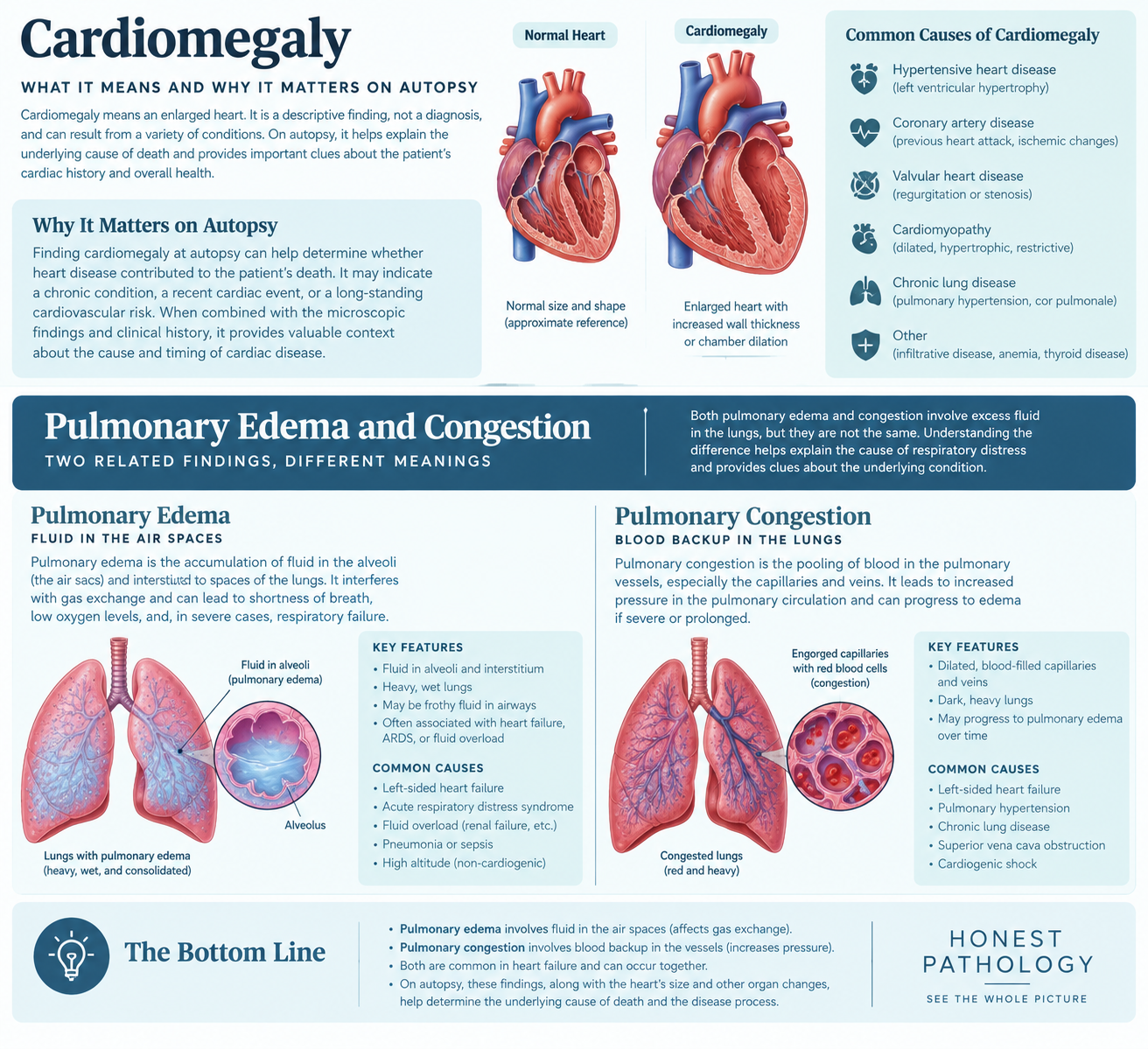
A cardiomegaly autopsy report usually means the heart appeared larger than expected or weighed more than expected during the autopsy. In adults, pathologists often compare heart weight with sex, height, body weight, and sometimes body habitus. A large person may naturally have a heavier heart than a smaller person, so heart weight is not interpreted in isolation. The phrase enlarged heart describes size, not a single disease.
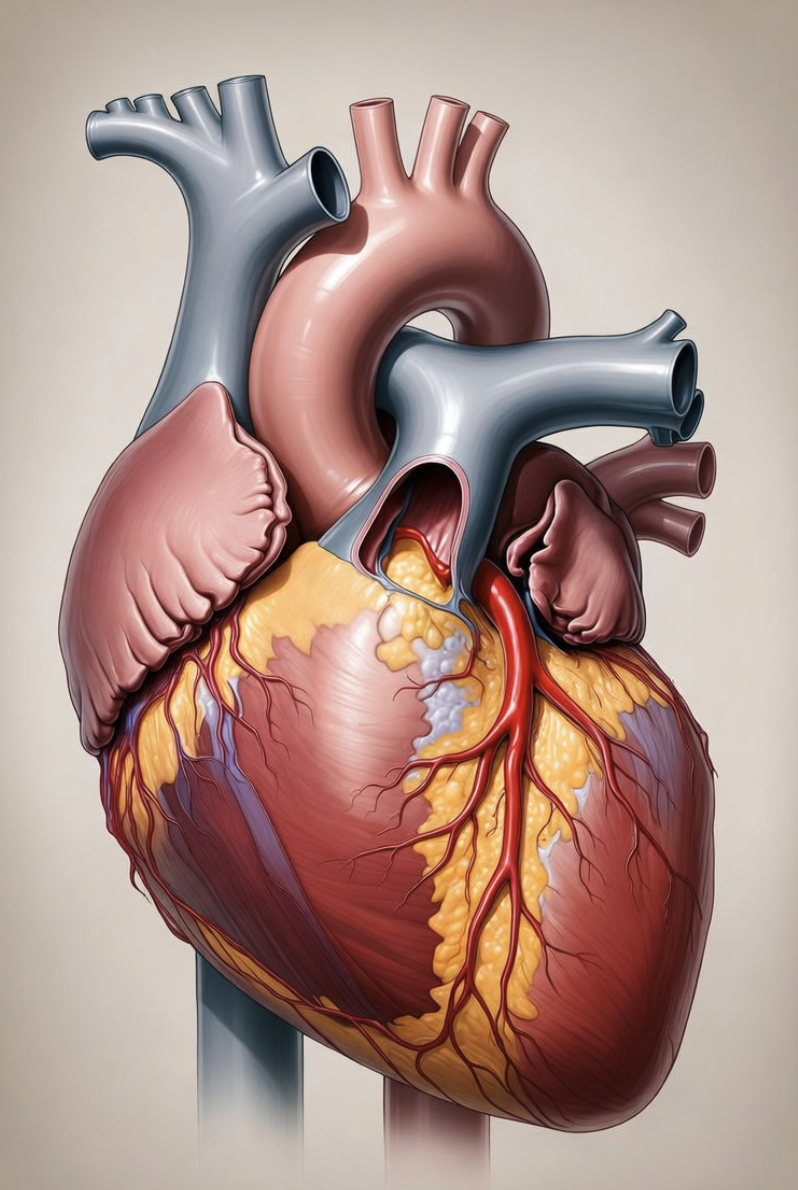
A useful analogy is a stretched or thickened pump. A heart can become larger because the muscle wall thickens, because the chambers dilate, or because both changes occur together. Left ventricular hypertrophy means the main pumping chamber has a thickened muscle wall, often from long-standing high blood pressure or valve disease. When the heart enlarges over time, it may still work for years before becoming clinically obvious.
In an autopsy setting, cardiomegaly is one piece of a larger puzzle. Pathologists review the heart externally, measure heart weight, inspect the coronary arteries, examine valves, and sample tissue under the microscope. These autopsy findings are then compared with clinical information, such as known high blood pressure, diabetes, kidney disease, or symptoms before death. For families trying to understand report language, a primer such as What Is a Pathology Report? can help explain how medical findings are organized and worded.
Why An Autopsy Report Shows An Enlarged Heart
An enlarged heart can develop for several reasons, and many are chronic rather than sudden. High blood pressure is one of the most common causes because the heart must pump against increased resistance for many years. Over time, that workload can cause left ventricular hypertrophy and increased heart weight. Valve narrowing, valve leakage, obesity, sleep apnea, kidney disease, and some inherited heart muscle disorders can also contribute.
Coronary artery disease may appear alongside cardiomegaly, especially in older adults or people with risk factors such as smoking, diabetes, high cholesterol, or hypertension. Coronary artery disease refers to narrowing or blockage of the arteries that feed the heart muscle. If severe, it may cause scarring from old heart attacks, fresh injury from a recent heart attack, or dangerous heart rhythms. These autopsy findings may be more directly related to the cause of death than heart size alone.
Heart failure is another reason a cardiomegaly autopsy report may mention an enlarged heart. Heart failure does not always mean the heart stopped suddenly; it means the heart was not pumping or filling effectively enough for the body’s needs. In chronic heart failure, the chambers may dilate, the lungs may be heavy and congested, and fluid may collect in the body. The pathologist considers all of these autopsy findings before deciding whether cardiomegaly was incidental, contributory, or central to the cause of death.
When A Cardiomegaly Autopsy Report Is Significant
A cardiomegaly autopsy report is more significant when the enlargement is marked, unexplained, or accompanied by other heart disease. Mild cardiomegaly in an older person with known hypertension may support a history of chronic cardiovascular strain without being the immediate cause of death. Severe enlargement, very high heart weight, prominent left ventricular hypertrophy, or dilated chambers may suggest a more clinically important process. The degree of enlargement matters, but the context matters just as much.
Cardiomegaly autopsy report language becomes especially meaningful when the report also describes severe coronary artery disease, recent heart attack, old myocardial scarring, abnormal valves, or microscopic heart muscle disease. In those situations, the enlarged heart may have made the person more vulnerable to arrhythmia, heart failure, or sudden cardiac death. Sometimes a person has few warning symptoms before a fatal rhythm disturbance, even when the heart shows long-standing disease at autopsy. That uncertainty can be painful, but it is medically real.
A cardiomegaly autopsy report may also matter for family members if the pattern suggests inherited disease. Certain cardiomyopathies, arrhythmia syndromes, and unexplained marked enlargement can have genetic implications. The cause of death section should be read carefully to see whether cardiomegaly is listed as the main cause, a contributing condition, or only a descriptive finding. If the wording feels unclear, Understanding Your Pathology Report: How to Read It with Confidence may help families prepare more specific questions.
What Families Can Do After This Finding
After receiving a cardiomegaly autopsy report, families can start by asking for the final autopsy diagnosis, the cause of death, and any microscopic heart findings. The final diagnosis section may separate major findings from incidental findings. If heart weight is listed, it can be helpful to ask whether that measurement was mildly, moderately, or severely increased for the person’s body size. A single number is less helpful without an interpretation.
Families may also want to gather clinical records, medication lists, emergency medical services notes, electrocardiograms, imaging reports, and prior cardiology records. These documents can help explain whether the enlarged heart was already known or discovered only after death. A history of high blood pressure, shortness of breath, swelling, fainting, chest pain, or previous heart attack can change the interpretation. Coronary artery disease and heart failure are often best understood by combining autopsy findings with the medical timeline.
If the report suggests inherited cardiomyopathy or sudden unexplained cardiac death, relatives may benefit from discussing the case with a clinician. Screening may include blood pressure checks, cholesterol testing, electrocardiogram, echocardiogram, or referral to cardiology or genetics, depending on the details. Not every enlarged heart means relatives are at risk, but some patterns deserve attention. A second review may be reasonable when the cause of death is unclear, the family history is concerning, or the report language does not match what the family was told.
Questions To Ask The Medical Examiner, Coroner, Or Pathologist
- Was the enlarged heart mild, moderate, or severe for this person’s body size?
- What was the heart weight, and how was it interpreted?
- Was left ventricular hypertrophy present, and how marked was it?
- Was coronary artery disease present, and if so, how severe was the narrowing?
- Did the microscopic exam show recent heart attack, old scar, myocarditis, or cardiomyopathy?
- Was cardiomegaly listed as the cause of death, a contributing condition, or an incidental finding?
- Should close relatives have any cardiac screening based on these autopsy findings?
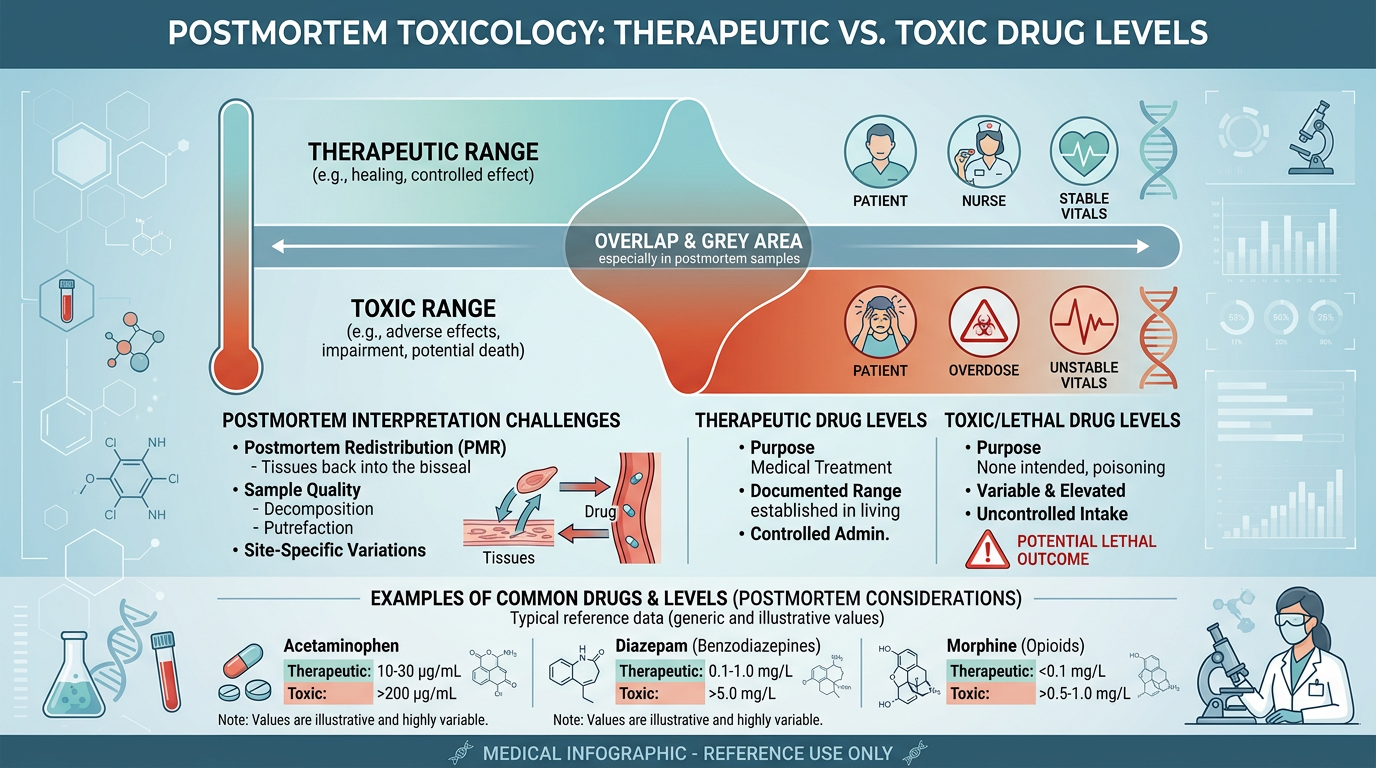
These questions help move the conversation from a frightening label to a specific explanation. The goal is not to challenge the report automatically, but to understand how the pathologist reached the final interpretation. A family may also ask whether all tissue sections, toxicology results, and clinical records were available when the report was finalized.
When uncertainty remains, an expert review can be helpful. A second opinion is most useful when the original slides, full autopsy report, medical records, and circumstances of death can be reviewed together. Guidance on when this type of review may be appropriate is available in When Should You Get a Second Pathology Opinion? and How to Get a Second Opinion on Your Pathology Diagnosis.
Frequently Asked Questions
Does cardiomegaly mean heart attack?
No. Cardiomegaly means enlarged heart, while a heart attack means injury to heart muscle from reduced blood flow, usually due to coronary artery disease. A cardiomegaly autopsy report may also describe a recent or old heart attack, but the terms are not the same. The report should be checked for words such as myocardial infarction, acute ischemia, scar, or coronary artery narrowing.
Can an enlarged heart cause sudden death?
Yes, an enlarged heart can contribute to sudden death in some cases, especially when it is severe or associated with scarring, cardiomyopathy, or coronary artery disease. The risk is often related to abnormal heart rhythms rather than size alone. A cardiomegaly autopsy report should be interpreted with the heart weight, microscopic findings, and cause of death statement. Mild enlargement by itself may not explain sudden death.
What heart weight is abnormal at autopsy?
There is no single heart weight that is abnormal for every person. Pathologists consider sex, body size, age, and medical history when interpreting heart weight. A heavier heart in a large adult may be less concerning than the same heart weight in a smaller adult. The most useful question is whether the pathologist considered the weight abnormal for that individual.
Is cardiomegaly on an autopsy report inherited?
Sometimes, but not always. Many cases are related to long-standing high blood pressure, obesity, valve disease, or heart failure rather than an inherited disorder. A cardiomegaly autopsy report raises more concern for inheritance when the person was young, the enlargement was marked, or there is family history of sudden death or cardiomyopathy. Relatives should ask whether cardiac screening is recommended.
Can a second opinion change an autopsy interpretation?
Yes, a second opinion can clarify or occasionally change how autopsy findings are interpreted. The most common benefit is a clearer explanation of whether cardiomegaly contributed to the cause of death. A review may compare the heart description, tissue slides, toxicology, and clinical records. It is especially useful when the report feels incomplete or the family history raises concern.
A cardiomegaly autopsy report can feel like one more painful question after a loss, but it can often be explained with careful review of the whole case. Cardiomegaly is significant when the size, structure, microscopic findings, and clinical history point in the same direction. Honest Pathology consultations can help families understand whether an enlarged heart was incidental, contributory, or central to the final cause of death.
References:
National Cancer Institute — Pathology Reports Fact Sheet
NCBI Bookshelf — Clinical And Pathology Reference Texts
MedlinePlus — Heart Failure