Worried by TERT mutation thyroid cancer on a report? Learn what it means, why it matters, and what to ask the care team next.
TERT mutation thyroid cancer means that a thyroid cancer has a change in the promoter region of the TERT gene, a finding that can be linked with more aggressive tumor behavior in some patients. This result is usually found through molecular testing performed on biopsy tissue, surgical tissue, or occasionally a cytology specimen from a thyroid nodule. It does not automatically mean that a cancer is untreatable, but it does give the medical team another piece of information for estimating risk and planning follow-up.
Seeing the word mutation on a report can feel alarming, especially when the report also mentions thyroid cancer. Many patients are reading this result before a follow-up appointment and trying to understand whether the finding changes everything. In pathology, a mutation result is best understood as one part of a larger pattern, like a weather warning that must be interpreted alongside the sky, the radar, and the forecast.
A TERT result should be discussed in the context of tumor type, tumor size, lymph node status, spread outside the thyroid, surgical margins, and other genetic findings. A clear explanation can turn a frightening phrase into a practical conversation about risk, treatment, and monitoring.
TERT Mutation Thyroid Cancer — What It Actually Means
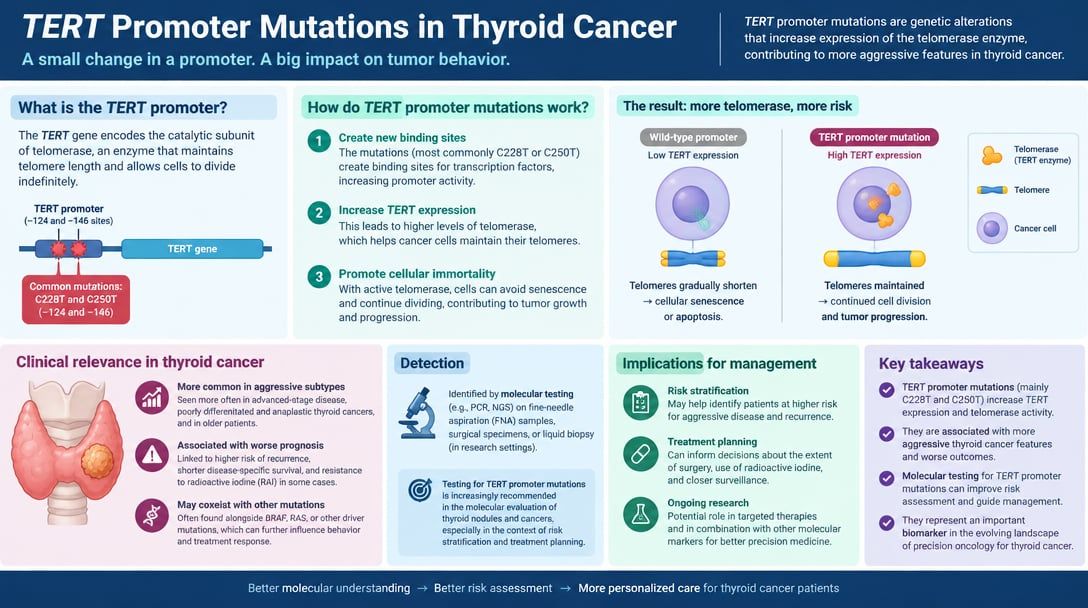
TERT mutation thyroid cancer refers to a change near the TERT gene, most often in the promoter region that helps control how active the gene is. TERT stands for telomerase reverse transcriptase, a gene involved in maintaining chromosome ends, which are called telomeres. Cancer cells can sometimes use this pathway to keep dividing longer than normal cells should. In simple terms, the mutation may help some tumor cells act more persistent or biologically active.
A helpful analogy is a car engine with a faulty idle control. The car may not always speed dangerously, but the defect can make the engine harder to regulate. In the same way, a thyroid cancer mutation involving TERT does not tell the whole story by itself, but it can suggest that the tumor has acquired a feature associated with higher-risk behavior. Pathologists often interpret this result together with the microscopic diagnosis and other molecular testing results.
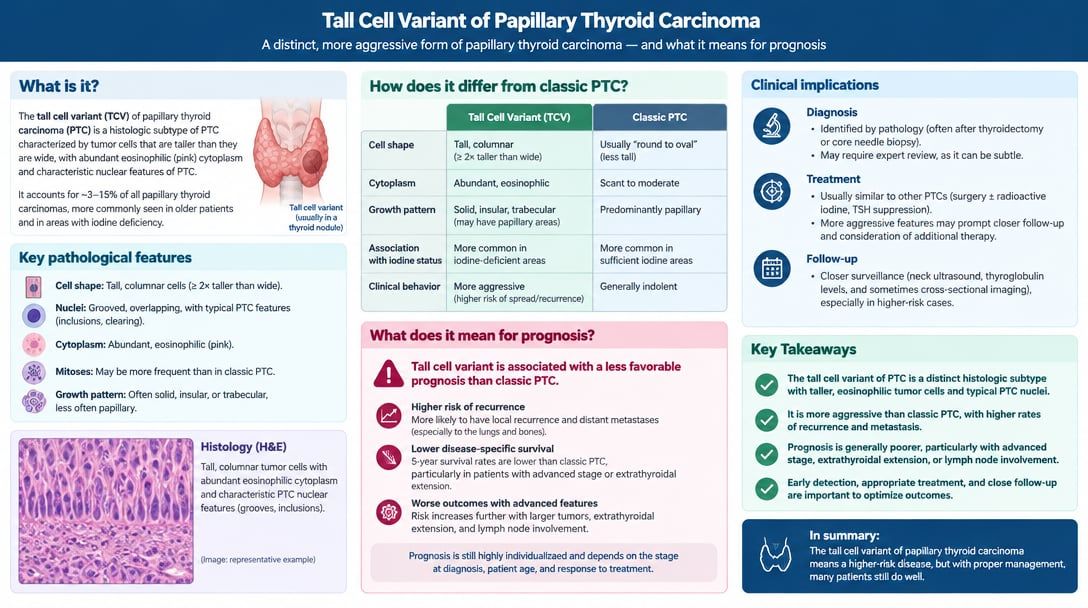
This finding is most often discussed in papillary thyroid carcinoma, follicular thyroid carcinoma, poorly differentiated thyroid carcinoma, and anaplastic thyroid carcinoma. In lower-risk tumors, the result may influence how closely the patient is followed. In higher-risk tumors, it may support a more intensive treatment plan. For patients trying to understand a pathology report, the key point is that TERT is a risk marker, not a complete diagnosis by itself.
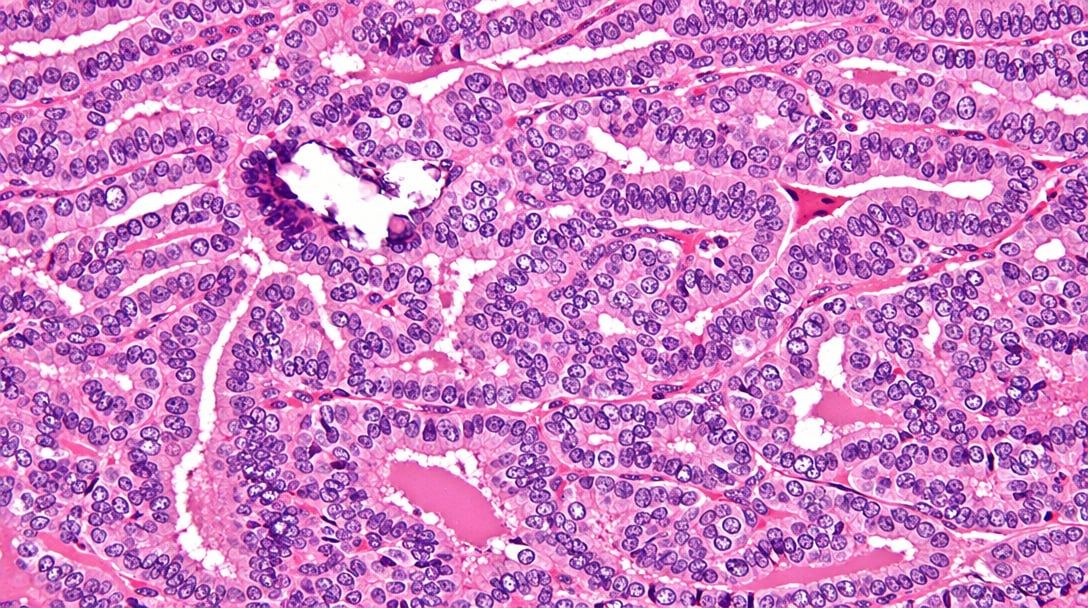
Why Your Report Shows This Finding
A report may show this finding because the treating clinician requested molecular testing after a biopsy or surgery. Molecular testing looks for DNA or RNA changes that can help classify a tumor, estimate risk, or guide therapy. In thyroid cancer, testing may include TERT, BRAF mutation, RAS mutations, RET fusions, NTRK fusions, and other alterations depending on the laboratory panel. The exact genes tested vary by institution and by the clinical question being asked.
The TERT promoter is a control region rather than the part of the gene that directly codes for the telomerase reverse transcriptase protein. When a promoter mutation is present, the gene may become more active than usual. That increased activity can help tumor cells maintain telomeres, which may support continued growth. This is one reason TERT mutation thyroid cancer is taken seriously, especially when it appears with other high-risk features.
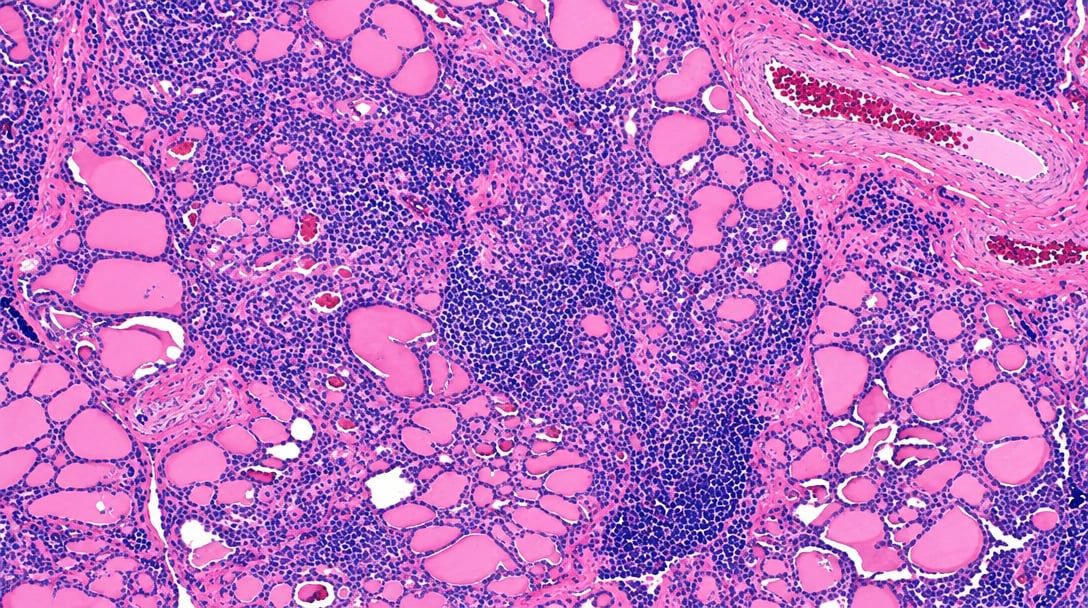
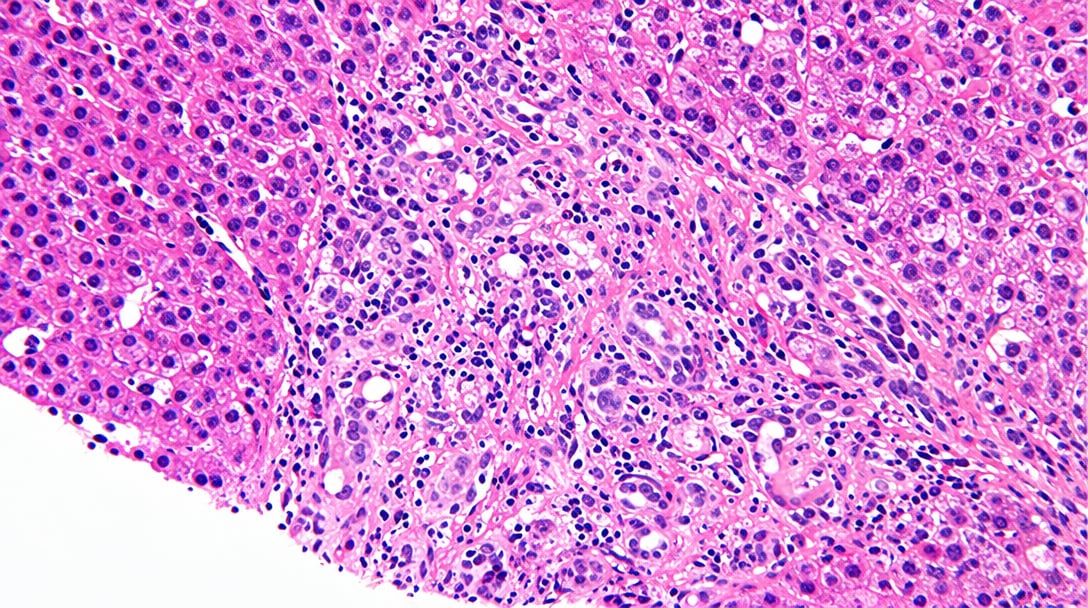
Pathologists and molecular laboratories do not interpret this result in isolation. A small papillary thyroid carcinoma confined to the thyroid is different from a large tumor with vascular invasion, positive margins, lymph node metastases, or distant spread. A BRAF mutation together with a TERT promoter mutation may carry different implications than either alteration alone in some thyroid cancers. Radioactive iodine responsiveness, tumor differentiation, and the full pathology report all shape the final risk assessment.
How Serious Is TERT Mutation Thyroid Cancer?
TERT mutation thyroid cancer can be serious, but the level of concern depends on the entire clinical and pathology picture. In many studies, TERT promoter mutations have been associated with increased risk of recurrence, distant metastasis, disease-specific mortality, and less favorable outcomes in thyroid cancer. That does not mean every patient with this result will have an aggressive course. It means the medical team may treat the cancer as higher risk than a similar tumor without this finding.
The seriousness is often highest when a TERT alteration appears alongside other concerning findings. Examples include older patient age, larger tumor size, gross extension beyond the thyroid, extensive vascular invasion, aggressive histologic subtype, lymph node involvement, or distant metastasis. A BRAF mutation paired with TERT may be especially relevant in papillary thyroid carcinoma, because combined alterations can reflect a more biologically active tumor. Molecular testing helps identify these patterns, but it cannot predict the future with perfect accuracy.
There are also more reassuring scenarios. If a thyroid cancer is completely removed, confined to the thyroid, small, and otherwise low risk, the TERT result may mainly affect how carefully the patient is monitored. The care team may recommend closer thyroglobulin testing, more detailed imaging follow-up, or discussion about radioactive iodine depending on other factors. TERT mutation thyroid cancer is best understood as a flag that asks for careful attention, not as a final verdict.
What Happens Next: Treatment and Monitoring
After a TERT result, the next step is usually a structured review of the full diagnosis. The treating physician may review the pathology report, operative findings, imaging, blood tests, and molecular testing panel. Treatment may include surgery, radioactive iodine, thyroid hormone suppression, external beam radiation, targeted therapy, or observation, depending on the stage and tumor behavior. The TERT result may influence how strongly some of these options are considered.
Monitoring often includes physical examination, neck ultrasound, blood tests such as thyroglobulin and anti-thyroglobulin antibodies, and selected imaging studies. For some patients, a TERT mutation thyroid cancer result may lead to more frequent surveillance than would otherwise be planned. This does not mean the cancer is expected to return. It means the care team wants to detect any sign of persistence or recurrence early, when action is usually most effective.
Patients should also know that molecular results can occasionally be complex. A result may depend on tumor percentage, specimen quality, test method, and whether the sample came from a fine needle aspiration or a surgical specimen. If the diagnosis, tumor type, or risk category is unclear, a second pathology review can be helpful, especially at a center with thyroid pathology expertise. Honest Pathology offers educational consultation support for patients who need help understanding whether a result fits the overall diagnosis.
Questions To Ask Your Doctor Or Pathologist
- What type of thyroid cancer is present, and does the TERT result fit that diagnosis?
- Was the TERT promoter mutation found on biopsy, surgical tissue, or another sample type?
- Were other alterations found, such as BRAF mutation, RAS mutation, RET fusion, or NTRK fusion?
- Does this thyroid cancer mutation change the risk category or staging discussion?
- Does the finding affect whether radioactive iodine is recommended?
- How often should imaging and thyroglobulin blood tests be performed?
- Would a second pathology opinion or additional molecular testing be useful?
These questions can help turn a technical result into a practical plan. A patient does not need to understand every molecular pathway to have a meaningful conversation with the treating team. The goal is to clarify whether the result changes treatment, surveillance, or the need for expert review.
When reports feel difficult to interpret, a careful reading strategy can help. Resources such as Understanding Your Pathology Report can make unfamiliar terms less overwhelming. If the diagnosis is rare, high risk, or unexpected, guidance on when to get a second pathology opinion may also be valuable.
Frequently Asked Questions
Is TERT mutation thyroid cancer always aggressive?
No. TERT mutation thyroid cancer is associated with higher-risk behavior in many studies, but it is not the only factor that determines outcome. Tumor size, spread beyond the thyroid, lymph node status, surgical margins, histologic subtype, and response to treatment all matter. Some patients with this result do well, especially when the cancer is found early and treated effectively.
Can TERT mutation thyroid cancer be cured?
Some patients with TERT mutation thyroid cancer can be treated successfully, particularly when the tumor is localized and completely removed. The word cure depends on tumor stage, tumor type, treatment response, and length of follow-up. A TERT result may lead doctors to monitor more closely. It should not be interpreted alone as proof that cure is impossible.
Does a TERT promoter mutation mean chemotherapy is needed?
Not usually. Traditional chemotherapy is not automatically recommended just because a TERT promoter mutation is present. Treatment decisions usually depend on the type and stage of thyroid cancer, response to surgery, radioactive iodine considerations, and whether advanced disease is present. Targeted therapy may be considered in selected advanced cases based on the full molecular testing profile.
What is the connection between BRAF and TERT in thyroid cancer?
BRAF mutation and TERT promoter mutation can occur together in some thyroid cancers, especially papillary thyroid carcinoma. When both are present, studies suggest the tumor may have a higher risk profile than tumors with only one or neither alteration. The combination is interpreted alongside the pathology report and clinical stage. A clinician can explain whether the combination changes treatment or surveillance.
Should a second opinion review the TERT result?
A second opinion can be useful when the diagnosis is unusual, the risk category is unclear, or major treatment decisions depend on the result. The review may include the slides, the pathology report, and molecular testing data. In some cases, the diagnosis is confirmed, but the explanation becomes clearer. Information on how to get a second opinion on a pathology diagnosis can help patients prepare records efficiently.
A TERT result can feel like a heavy piece of news, but it is one part of a larger medical picture. The most useful next step is a clear explanation of how the mutation fits with the tumor type, stage, treatment response, and follow-up plan. Honest Pathology consultations can help patients and families understand the wording of a report and prepare focused questions for the treating team.
References:
National Cancer Institute — Pathology Reports
National Cancer Institute — Definition of Mutation
NCBI Bookshelf — Medical Genetics and Oncology Resources