A thyroid cancer subtype can sound frightening. Tall cell thyroid cancer has specific meaning in a report. Learn what to ask next.
Tall cell thyroid cancer means that a papillary thyroid carcinoma has a recognizable cell pattern linked with a higher-risk behavior than classic papillary thyroid cancer. This wording is reported because it can affect staging discussions, treatment planning, and follow-up intensity. Pathologists include it so the treating team has the most accurate map of the tumor.
Seeing the phrase can feel shocking, especially when the original expectation was simply “thyroid cancer” or “papillary thyroid carcinoma.” A pathology diagnosis often arrives in technical language before a clinician has had time to explain what the words mean. Clear explanation can turn a frightening label into useful information.
The subtype does not mean that nothing can be done. Many patients with tall cell thyroid cancer receive effective treatment, careful surveillance, and long-term follow-up. The key is understanding why the finding was reported and what details should be reviewed next.
Tall Cell Thyroid Cancer — What It Actually Means
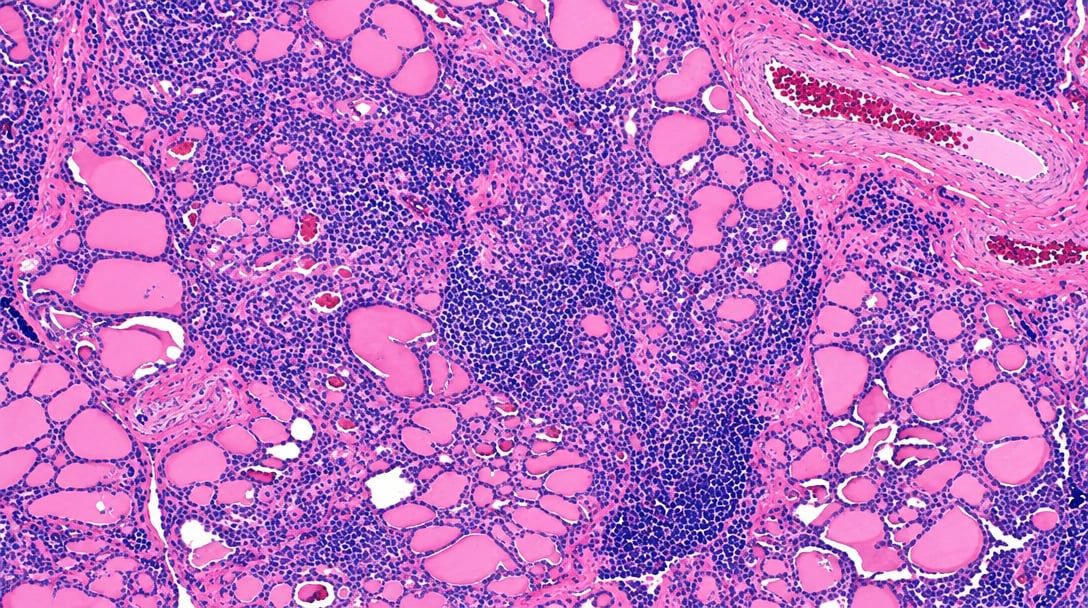
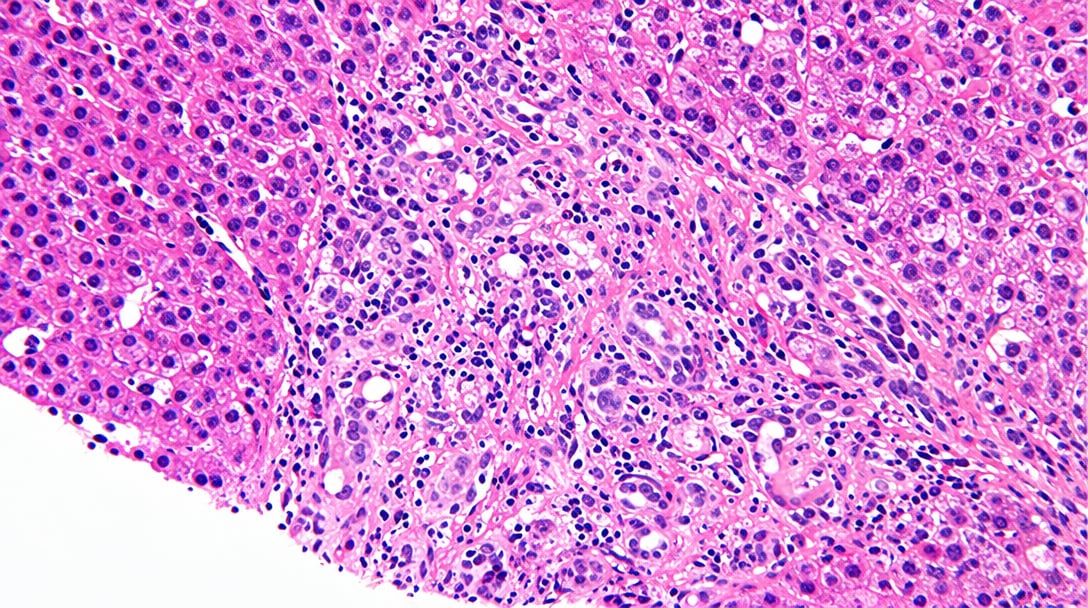
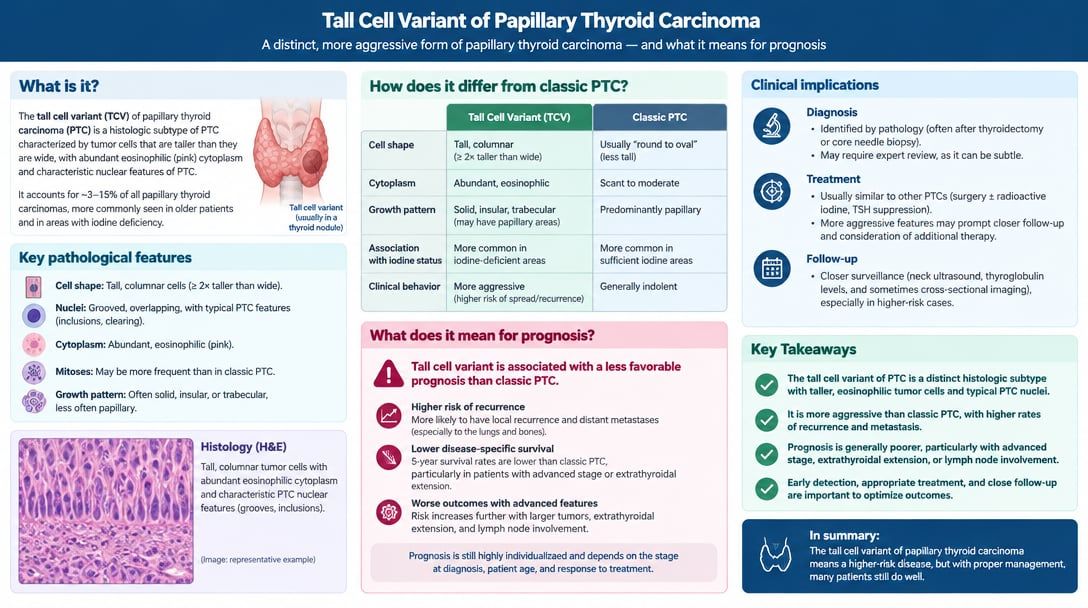
Tall cell thyroid cancer is a subtype of papillary thyroid carcinoma in which many tumor cells are taller than they are wide and have the nuclear features of papillary thyroid cancer. Under the microscope, these cells often look elongated, with abundant pink cytoplasm and crowded nuclei. A simple analogy is a crowd of rectangular buildings instead of square houses; the shape pattern helps the pathologist recognize the subtype. This is not a separate organ cancer but a specific thyroid cancer subtype within the broader papillary thyroid carcinoma family.
A thyroid pathology report may say “tall cell variant,” “tall cell features,” or “papillary thyroid carcinoma, tall cell subtype.” These phrases are related but may not mean exactly the same thing in every case. Pathologists usually assess how much of the tumor shows tall cell morphology, because a higher percentage can carry more clinical weight. This is one reason the thyroid pathology report should be read as a whole rather than as one isolated phrase.
The reason tall cell thyroid cancer is reported is that subtype can add information beyond tumor size alone. Some small thyroid tumors behave quietly, while others show features associated with a greater chance of spread or recurrence. The tall cell pattern is one of the recognized clues that a tumor may need closer attention. Patients trying to understand the structure of a report may find background information helpful in what a pathology report contains and how each section contributes to the final diagnosis.
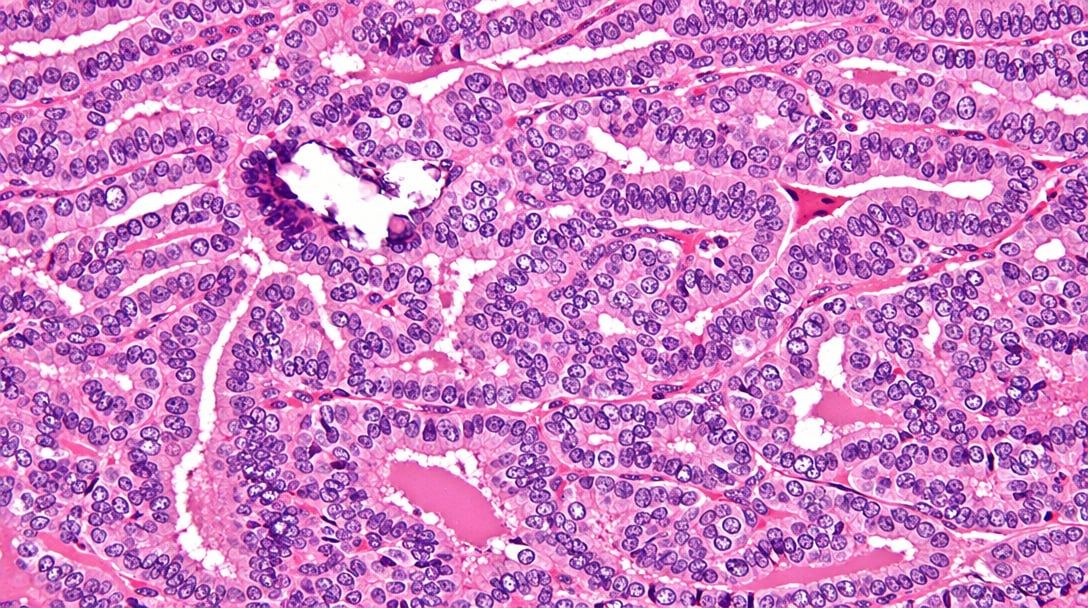
Why The Report Shows This Finding
The report shows this finding because the pathologist identified a specific microscopic pattern in the tumor. Papillary thyroid carcinoma is diagnosed by nuclear features, architecture, and, in some cases, additional studies. When the cells are tall, abundant, and arranged in the right pattern, the thyroid cancer subtype is named. This helps the clinical team avoid treating all papillary thyroid carcinoma cases as if they carry the same level of risk.
Pathologists also look for other features that may appear with tall cell thyroid cancer, including extrathyroidal extension, lymphovascular invasion, positive margins, and lymph node metastasis. Extrathyroidal extension means tumor has grown beyond the thyroid gland into nearby soft tissue or structures. Lymph node metastasis means cancer has spread to lymph nodes, commonly in the central neck or lateral neck. These findings can influence surgery, radioactive iodine decisions, and long-term monitoring.
Not every case of tall cell thyroid cancer has all high-risk features. Some tumors are completely removed, confined to the thyroid, and have no lymph node metastasis. Others may show extrathyroidal extension or more extensive spread, which can move the case into a higher-risk category. The thyroid pathology report matters because it gathers these details into one document, and a patient-friendly approach to reading it is available through understanding a pathology report with confidence.
How Serious Is Tall Cell Thyroid Cancer?
Tall cell thyroid cancer is generally considered more clinically concerning than classic papillary thyroid carcinoma, but seriousness depends on the full report. The phrase does not automatically mean incurable disease or a poor outcome. It means the tumor has a pattern associated with a higher chance of recurrence, spread outside the thyroid, or less predictable behavior. For that reason, many clinicians place it closer to the aggressive thyroid cancer side of the risk spectrum.
The most reassuring scenario is a small tumor that has been fully removed, has clear margins, shows no extrathyroidal extension, and has no lymph node metastasis. In that situation, tall cell thyroid cancer still deserves attention, but the overall risk may be lower than the subtype name suggests. A more serious scenario includes a larger tumor, extensive extrathyroidal extension, multiple involved lymph nodes, positive surgical margins, or distant spread. The thyroid pathology report should be reviewed for each of these factors before conclusions are drawn.
The term aggressive thyroid cancer can sound overwhelming, but in medicine it often means “higher risk and needs more careful management,” not “untreatable.” Tall cell thyroid cancer may lead the team to recommend total thyroidectomy, lymph node evaluation, radioactive iodine in selected cases, and closer thyroglobulin monitoring. Some cases also undergo molecular testing, particularly when the disease is advanced, recurrent, or not responding as expected. The most accurate risk discussion comes from combining the pathology findings, imaging results, surgery details, and endocrinology assessment.
What Happens Next: Treatment And Monitoring
After tall cell thyroid cancer is reported, the next steps usually involve the surgeon, endocrinologist, and sometimes a tumor board. Treatment depends on tumor size, extent of surgery already performed, margin status, lymph node metastasis, and whether there is extrathyroidal extension. Some patients have already had a total thyroidectomy when the diagnosis is finalized. Others may need discussion about completion thyroidectomy or additional lymph node surgery.
Radioactive iodine may be considered when the overall risk profile supports it, especially if there is nodal disease, extrathyroidal extension, or concern for microscopic remaining disease. Radioactive iodine is not chosen based only on anxiety or the subtype name; it is selected by weighing benefits, risks, and the likelihood that the tumor will take up iodine. Blood tests such as thyroglobulin and anti-thyroglobulin antibodies are often used after surgery to help detect persistent or recurrent disease. Neck ultrasound is also commonly part of follow-up.
Monitoring plans are individualized. A patient with low-volume disease may have periodic ultrasound and blood testing, while a patient with aggressive thyroid cancer features may need more frequent imaging or additional therapy. The thyroid cancer subtype helps set the level of vigilance. It is one piece of a larger follow-up plan, not the entire story by itself.
Questions To Ask The Doctor Or Pathologist
Specific questions can make the next appointment more productive. A pathology report contains many details, and patients do not need to decode every word alone. The following questions are useful when tall cell thyroid cancer appears in the diagnosis:
- What percentage of the tumor shows tall cell features?
- Does the report diagnose tall cell subtype, or only focal tall cell features?
- Are the surgical margins negative, close, or positive?
- Is there any extrathyroidal extension, and is it microscopic or gross?
- Was lymph node metastasis found, and how many lymph nodes were involved?
- Does the report show vascular invasion, lymphatic invasion, or other aggressive thyroid cancer features?
- Should the slides be reviewed by a thyroid pathology specialist before final treatment decisions?
A second pathology review can be reasonable when the wording is unclear, when treatment decisions depend on the percentage of tall cell features, or when the diagnosis was unexpected. This does not mean the original pathologist was wrong; it means that thyroid tumors can be nuanced, and expert review can refine risk assessment. Patients considering review can read more about when a second pathology opinion may help.
For many families, the most stressful part is the space between receiving the report and hearing the treatment plan. Bringing focused questions to the treating physician can reduce uncertainty. When the thyroid pathology report drives major decisions, a structured second opinion through a pathology diagnosis review process may provide added clarity.
Frequently Asked Questions
Is tall cell thyroid cancer worse than regular papillary thyroid cancer?
Tall cell thyroid cancer is usually considered higher risk than classic papillary thyroid carcinoma. It has been associated with a greater chance of recurrence, spread outside the thyroid, and lymph node metastasis. However, outcome depends on the entire case, including tumor size, margins, spread, and response to treatment. Some patients do very well after appropriate surgery and follow-up.
Why does my pathology report say tall cell features?
A report may say “tall cell features” when part of the tumor has tall cell morphology but may not meet the threshold used for a full tall cell subtype diagnosis. This distinction can matter because the amount of tall cell pattern may influence risk assessment. The thyroid pathology report should ideally state the subtype clearly or describe the percentage involved. If the wording is ambiguous, a pathology review can help clarify the diagnosis.
Does tall cell thyroid cancer need radioactive iodine?
Radioactive iodine may be recommended for some patients with tall cell thyroid cancer, but it is not automatic for every case. The decision usually depends on tumor size, lymph node metastasis, extrathyroidal extension, surgical margins, and post-operative thyroglobulin levels. Radioactive iodine is most useful when the likely benefit outweighs the risks. The endocrinologist usually combines pathology, imaging, and laboratory results before recommending it.
Can tall cell thyroid cancer come back?
Yes, tall cell thyroid cancer can come back, and recurrence risk is one reason the subtype is reported. Recurrence may occur in lymph nodes in the neck, thyroid bed tissue, or rarely distant sites. Careful follow-up with thyroglobulin testing and ultrasound helps detect recurrence early. A higher-risk label should prompt thoughtful surveillance rather than panic.
Should I get a second opinion for tall cell thyroid cancer?
A second opinion can be helpful if the diagnosis affects surgery, radioactive iodine, or the intensity of follow-up. It may be especially useful when the report mentions tall cell features without a clear percentage, or when aggressive thyroid cancer features are present. Review by a pathologist with thyroid expertise can confirm the thyroid cancer subtype and check key details. This can give the treating team a firmer basis for decisions.
A diagnosis of tall cell thyroid cancer can feel heavy, but the subtype is reported to guide care, not to take away hope. The most helpful next step is a careful review of the entire pathology report, including margins, lymph nodes, and extension beyond the thyroid. Honest Pathology consultations can help patients and families understand what the report says before making major treatment decisions.
References:
National Cancer Institute — Pathology Reports Fact Sheet
National Cancer Institute — Papillary Thyroid Cancer
MedlinePlus — Thyroid Cancer