When patients receive a serious diagnosis such as cancer, one of the first questions they often ask is whether they should get a second opinion. In pathology, that process usually involves much more than simply emailing a report. In many cases, the actual biopsy material must be shared between laboratories so another pathologist can independently review the tissue under the microscope. For patients treated at smaller community hospitals, the process of sending pathology slides to a major academic institution can feel confusing and intimidating. Patients may not know who owns the slides, how the transfer works, whether the original hospital will cooperate, or how long the process takes.
At Honest Pathology, many patients first seek consultation because they want help understanding whether a formal second opinion is even necessary before beginning the complicated process of transferring pathology materials to a large referral center. Understanding how pathology sample sharing works can help patients feel more confident navigating second opinions and exploring simpler consultation options when appropriate.
Why Pathology Samples Need to Be Shared
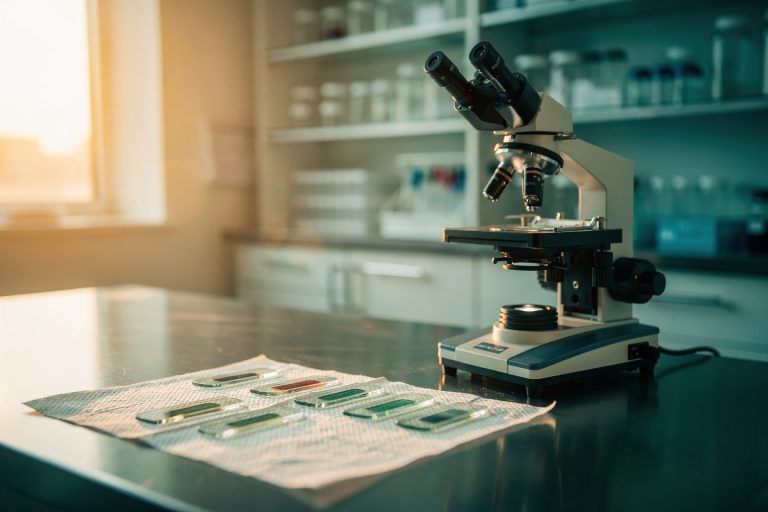
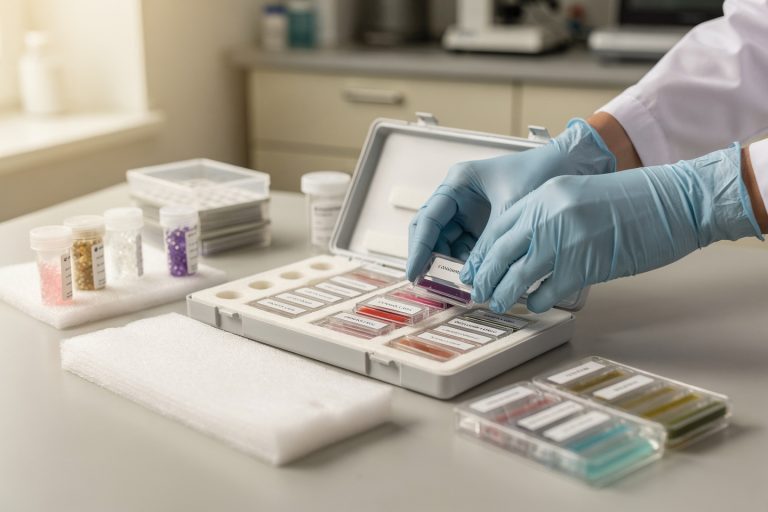
A pathology report is only the final written interpretation of what the pathologist observed under the microscope. The actual diagnosis is based on examination of physical tissue samples preserved on glass slides or in tissue blocks. When another institution performs a formal pathology second opinion, the consulting pathologist usually wants to review the original material directly rather than relying solely on the written report. This often includes reviewing glass microscope slides, paraffin tissue blocks, immunohistochemical stains, molecular studies, and sometimes unstained tissue sections for additional testing.
For example, a patient diagnosed with breast cancer at a small regional hospital may want a second opinion from the pathology department at Mayo Clinic or MD Anderson Cancer Center before making treatment decisions. In that situation, the academic center would typically request the original pathology material for review. The goal is not simply to verify the report, but to allow the consulting specialist to independently examine the tissue and apply their own diagnostic expertise.
What Happens at a Small Community Hospital
Most pathology diagnoses in the United States are made accurately at community hospitals and regional laboratories. However, smaller institutions may encounter certain rare or highly specialized cases less frequently than large academic centers. Imagine a patient who undergoes a lung biopsy at a small hospital in a rural area. The pathology report identifies a rare tumor subtype with unusual molecular features. The patient’s oncologist recommends obtaining a second opinion from a specialized thoracic pathology department at a major cancer center. The patient now enters a process that many people never knew existed.
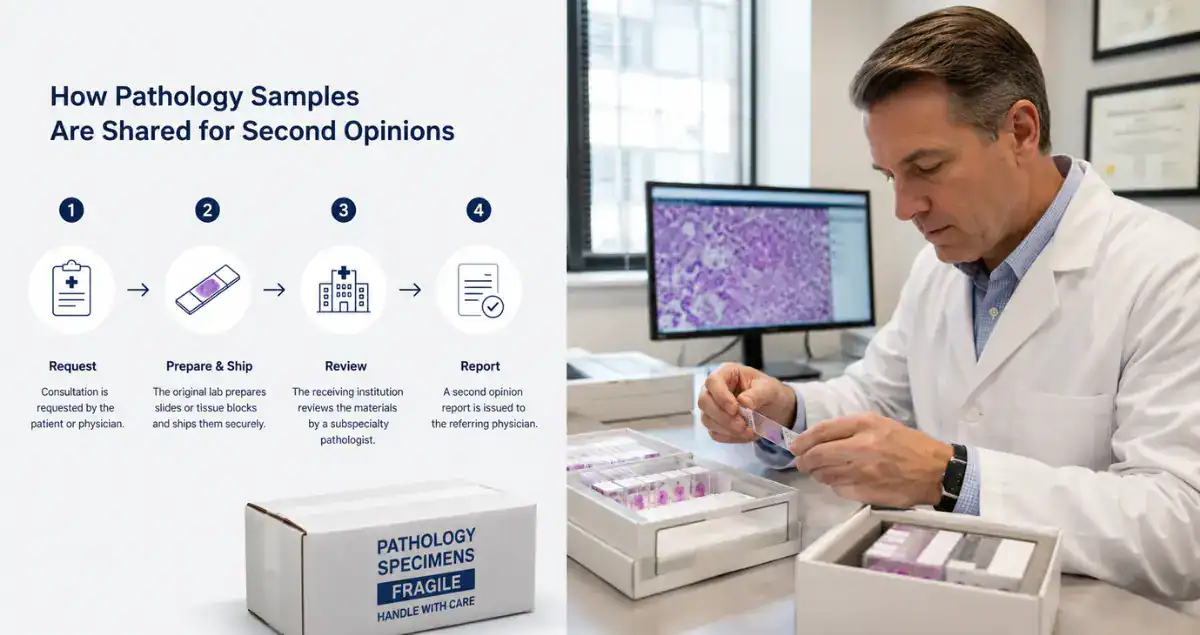
First, the patient or treating physician usually contacts the referral institution to request a pathology consultation. Large academic pathology departments often have dedicated consultation offices that coordinate incoming cases. The referral center then provides instructions regarding which materials are required. Typically, this includes the original pathology report and the actual glass slides or tissue blocks. The original hospital pathology laboratory receives a request to release the material temporarily for consultation review.
Do Patients Have the Right to Request Their Slides?
One of the most common patient questions is whether they are allowed to request their pathology slides. In most situations, the answer is yes. Although laboratories physically maintain pathology materials for regulatory and medical reasons, patients generally have the right to request that their pathology specimens be sent for consultation review.
The original laboratory usually requires signed authorization forms before releasing the material. Some institutions allow direct patient requests, while others coordinate transfer through physicians or consultation departments. Patients are often surprised to learn that pathology slide shipping is a routine and well-established part of medical practice. Academic centers receive outside consultation material every day from hospitals across the country.
At Honest Pathology, patients frequently seek guidance because the logistics of obtaining formal second opinions can feel overwhelming, especially during stressful medical situations. Many patients also benefit from understanding the difference between preliminary and final pathology results before deciding whether additional review may be necessary.
How Glass Slides and Tissue Blocks Are Shipped
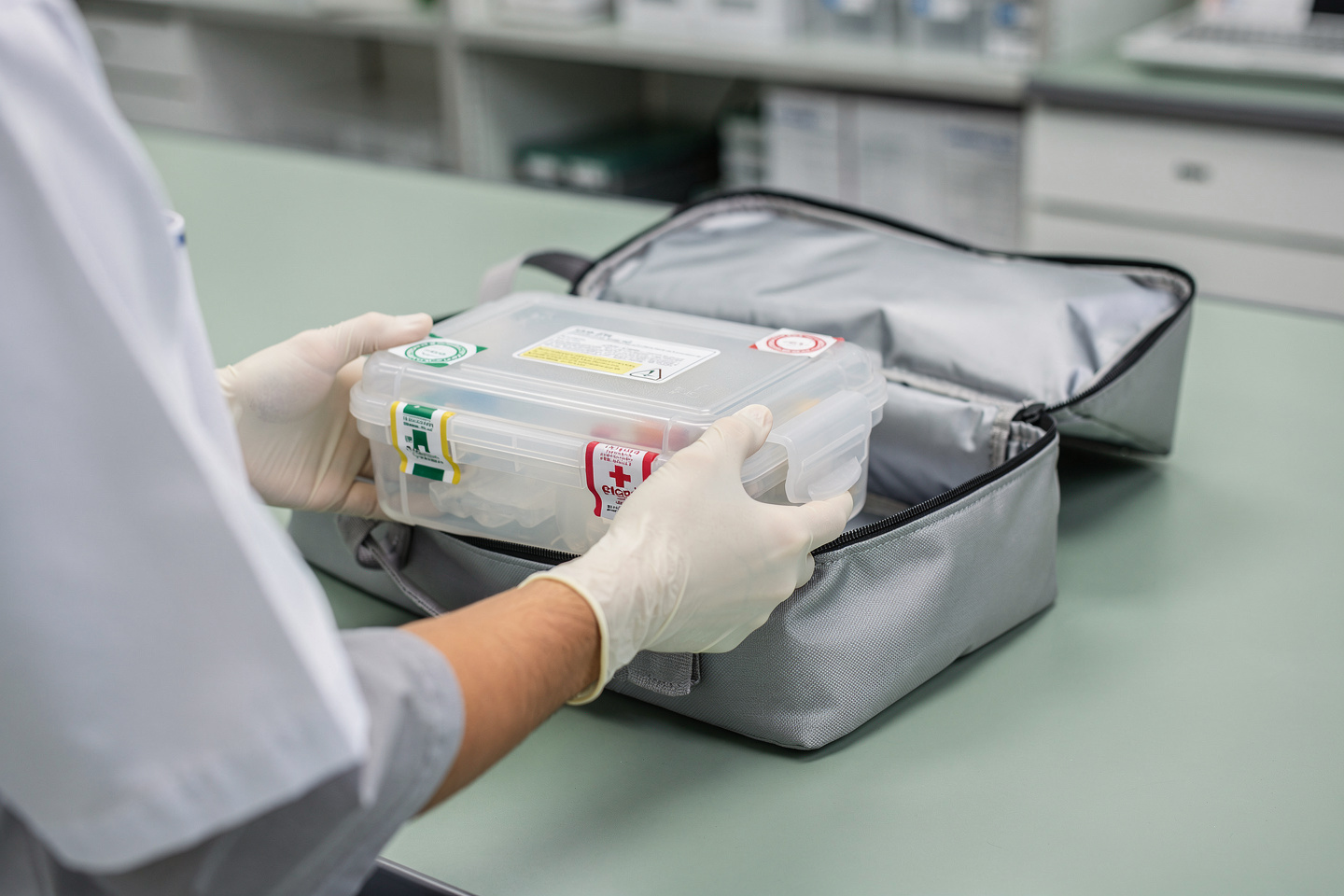
Once the consultation request is approved, the original laboratory carefully packages the pathology material for transport. Glass slides are fragile and must be protected during shipping. Tissue blocks are also important because they may be needed for additional stains or molecular testing. The pathology laboratory typically sends the materials using tracked courier services designed for medical specimens.
When the referral center receives the case, the pathology consultation department logs the material into its own system before assigning it to a subspecialty pathologist. For example, a difficult gastrointestinal biopsy sent from a small hospital may ultimately be reviewed by a gastrointestinal pathology expert at Beth Israel Deaconess Medical Center or another academic referral center. Depending on the complexity of the case, the reviewing institution may perform additional immunohistochemical stains, molecular testing, or intradepartmental consultation before issuing a final second opinion report.
Why the Process Can Feel Complicated for Patients
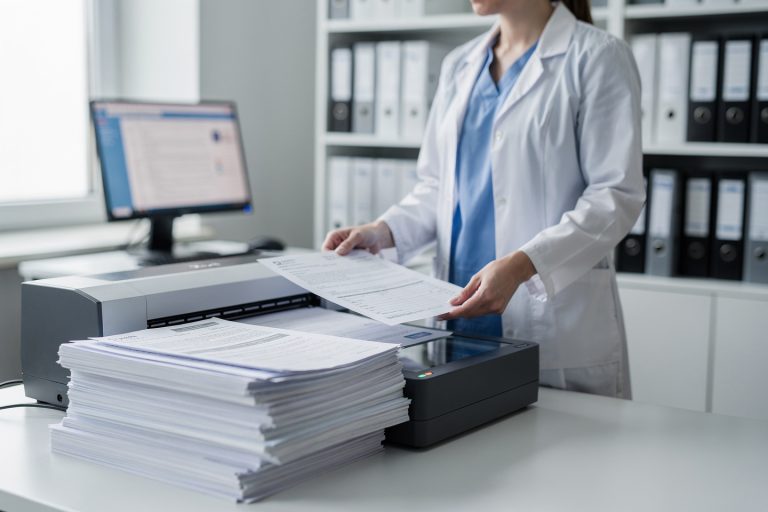
From the patient perspective, the process often feels surprisingly complex. Patients may need to communicate with multiple departments, sign release forms, coordinate shipping logistics, and wait for slides to move between institutions. Delays sometimes occur if pathology materials are temporarily unavailable because they are being used for additional testing or retained for ongoing treatment planning.
Insurance coverage may also vary. Some consultation services require advance payment or prior authorization depending on the institution and the patient’s insurance plan. Patients may additionally worry about whether requesting a second opinion will offend their treating physician or local hospital. In reality, most physicians understand that second opinions are common and medically appropriate in many situations. Still, the emotional burden of organizing the process can be significant, especially for patients already coping with anxiety surrounding a major diagnosis.
Why Large Academic Centers Perform So Many Second Opinions
Institutions such as Mayo Clinic and MD Anderson Cancer Center perform large volumes of pathology second opinions because they house highly specialized subspecialty expertise. Certain pathologists may focus almost exclusively on breast pathology, hematopathology, neuropathology, dermatopathology, or rare tumor classification.
Complex pathology cases often benefit from review by specialists who encounter similar diagnoses daily and remain deeply involved in evolving diagnostic criteria and molecular testing advances. These consultation services play an important role in modern medicine, particularly for unusual cancers, borderline lesions, and rare diseases. However, obtaining formal second opinions through large academic systems can involve substantial administrative coordination and time.
How Honest Pathology Offers a Simpler Starting Point
At Honest Pathology, many patients seek consultation because they want a more accessible and less intimidating first step. Rather than immediately navigating the full institutional second opinion process, patients can begin by having their pathology reviewed in an educational and observational consultation setting through pathology consultation services designed to help patients better understand their reports and options.
This approach helps patients better understand what their pathology findings mean and whether pursuing a formal second opinion at a major academic institution may truly be worthwhile. For some patients, the consultation provides reassurance that the diagnosis appears straightforward and concordant with the original interpretation. For others, certain observations may suggest that additional subspecialty review could add value.
Importantly, Honest Pathology consultations do not formally replace or change the original diagnosis. Instead, they focus on helping patients understand the pathology, ask better questions, and decide whether more formal review may be appropriate. This can simplify the early stages of decision-making before patients commit to the more involved logistics of institutional slide transfer and formal second opinion workflows.
Digital Pathology Is Making Sample Sharing Easier
One reason pathology consultation is evolving rapidly is the growth of digital pathology and telepathology. Instead of physically shipping glass slides in every situation, some laboratories now create high-resolution digital scans that can be shared electronically with consulting pathologists. Digital pathology can improve consultation speed and reduce some logistical barriers associated with traditional slide transfer. Many large academic centers increasingly incorporate digital systems into consultation workflows.
However, physical slides and tissue blocks still remain important in many formal second opinion cases, especially when additional testing may be required. At Honest Pathology, digital pathology and telepathology technologies help make pathology review more accessible and patient-centered while preserving the careful observational approach central to pathology interpretation.
Helping Patients Navigate Pathology More Confidently
Most patients never expect to learn how pathology laboratories exchange slides, transfer tissue blocks, and coordinate subspecialty consultations. Yet these processes become critically important when major medical decisions depend on accurate diagnosis. Understanding how pathology sample sharing works can help patients feel less intimidated by the second opinion process and more empowered to explore their options.
Formal pathology second opinions at large academic institutions remain an important part of modern medical care, particularly for complex or rare diagnoses. At the same time, many patients benefit from beginning with a simpler educational consultation approach before navigating large institutional systems. At Honest Pathology, the goal is to help patients understand their pathology clearly, reduce confusion surrounding second opinions, and make more informed decisions about whether additional specialized review may be necessary.