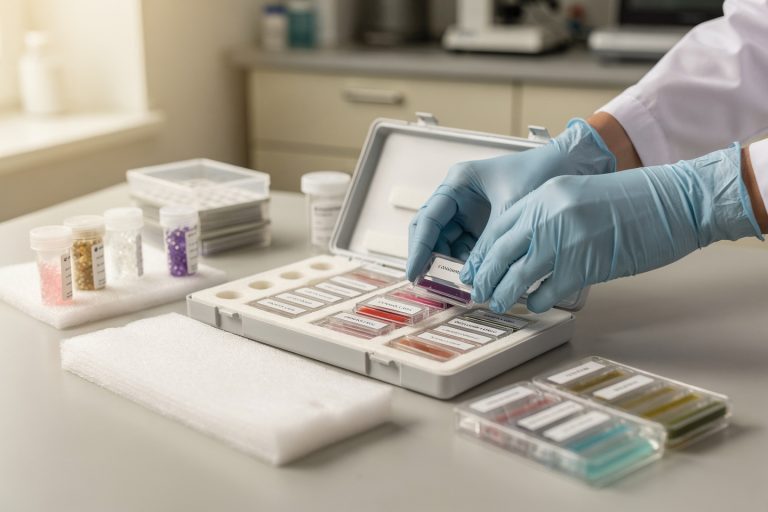
Pathology reports form the foundation of many critical medical decisions, especially in cancer diagnoses or complex conditions. Yet these reports often arrive filled with technical language that leaves patients confused and anxious. At Honest Pathology, we believe patients deserve clear, expert explanations of their diagnoses. This article explores who qualifies to provide second opinions on pathology, how these differ from dedicated pathology consultations, and why choosing patient-focused pathology consultation services like ours at Honest Pathology can offer superior clarity and peace of mind.
The Critical Role of Pathology in Your Healthcare Journey
Pathology involves the examination of tissues, cells, and bodily fluids to diagnose disease. Your pathologist’s interpretation of biopsy slides or samples directly influences treatment plans, surgical decisions, and prognosis. While most pathologists deliver accurate work, diagnoses involve human interpretation of complex microscopic patterns. Subtle differences in cell appearance, staining, or context can lead to variations in interpretation.
This reality explains why second opinions and consultations have become increasingly common. Major cancer centers and academic institutions routinely review outside cases, with studies showing that expert reviews can change or refine diagnoses in a meaningful percentage of cases. Patients and their doctors seek these reviews to confirm findings, explore alternative interpretations, or gain reassurance before major treatment steps.
Qualifications Needed for Reliable Pathology Second Opinions
Not every medical professional can provide a meaningful second opinion on pathology slides. Qualified reviewers must meet strict standards: Board-certified pathologists hold MD or DO degrees and have completed residency training in anatomic and/or clinical pathology. Many pursue additional fellowship training in subspecialties such as breast pathology, dermatopathology, gastrointestinal pathology, genitourinary pathology, or cytopathology. This focused expertise proves especially valuable for rare or ambiguous cases where general pathologists may see fewer examples. Patients interested in learning more about why rare cancers need specialist pathology often discover how critical subspecialty experience can be in improving diagnostic accuracy.
Experience matters significantly. Pathologists at high-volume academic centers or those who specialize in specific organ systems often develop deeper pattern recognition skills. They frequently consult with colleagues on challenging cases, access advanced testing like molecular diagnostics or immunohistochemistry when needed, and stay current with evolving classification systems and guidelines.
Licensing represents another key qualification. Pathologists must hold valid medical licenses, and state regulations can complicate remote or out-of-state reviews. For formal second opinions that function as primary interpretations in certain contexts, licensing in the patient’s state or the laboratory’s location may be required. Many states allow consultations or informal second opinions under exemptions, particularly when a local physician retains ultimate responsibility for care. However, providing a definitive diagnosis that guides treatment across state lines often triggers stricter licensing or telepathology rules. At Honest Pathology, our team consists of U.S.-trained, board-certified pathologists with broad subspecialty access. We prioritize patient communication while maintaining the highest professional standards.
Second Opinion vs. Pathology Consultation: Key Differences
While often used interchangeably, “second opinion” and “pathology consultation” carry important distinctions that affect your experience and outcomes. A traditional second opinion typically involves sending your slides to another pathologist or institution for independent review. The focus remains primarily on diagnostic agreement or disagreement. The reviewing pathologist issues a report that your doctor incorporates into your care plan. This process often occurs between institutions or at the request of your physician, with limited direct patient involvement. You might receive the written report but rarely a detailed personal explanation of the findings, implications, or why differences (if any) arose.
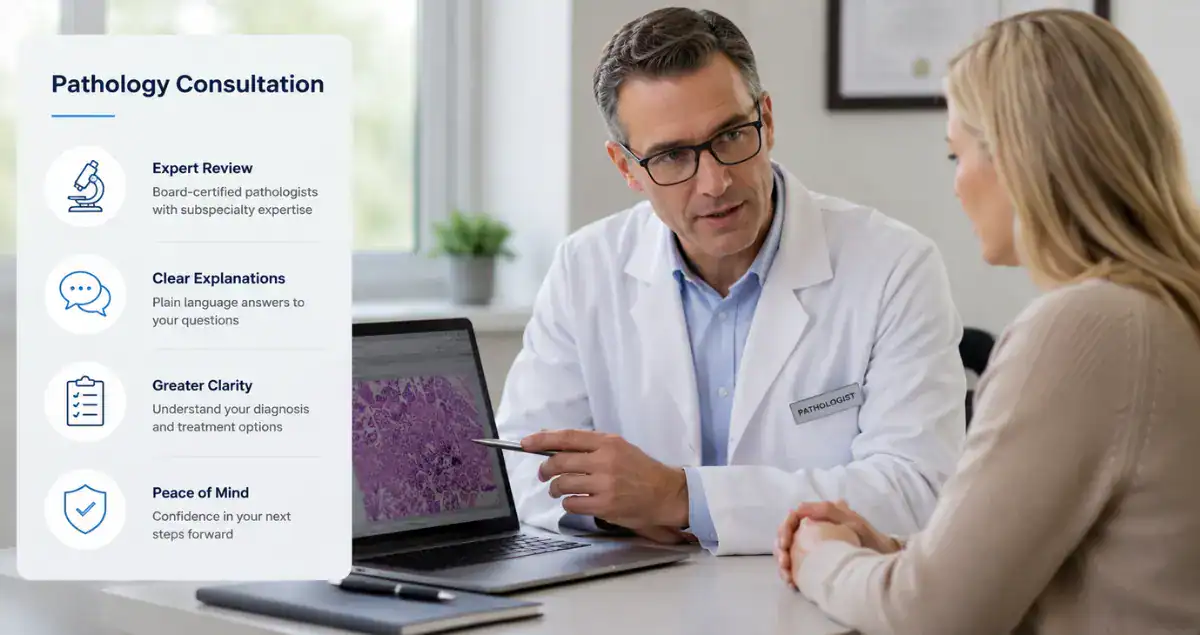
Pathology consultations, particularly patient-directed ones like those offered by Honest Pathology, emphasize comprehensive understanding. Beyond diagnostic review, we provide clear explanations tailored to your questions. Our pathologists walk you through your report—defining terms, discussing what the findings mean for your specific situation, and addressing concerns about next steps. This service bridges the gap between the laboratory and the patient, turning technical data into actionable knowledge.
The consultative approach encourages deeper engagement. Rather than simply confirming or changing a diagnosis, it empowers you with context. This clarity reduces anxiety and helps you participate more confidently in shared decision-making with your treatment team.
Why Patients Should Consider a Dedicated Pathology Consultation Over a Standard Second Opinion
At Honest Pathology, we encourage patients to pursue a consultation rather than framing their needs strictly as a “second opinion.” Here’s why this distinction matters for your peace of mind and outcomes. Standard second opinions can sometimes feel adversarial or limited. They focus narrowly on diagnostic concordance without necessarily addressing your personal uncertainties. Reports may use equally technical language, leaving you with more questions than answers. In contrast, our consultation model centers on clarity and education. We review your materials thoroughly and then connect directly with you to explain everything in plain language.
This patient-first approach often reveals nuances missed in rushed office visits. Your oncologist or surgeon focuses on treatment planning; our pathologists specialize in helping you truly understand the diagnostic foundation. Many patients tell us this understanding transforms their experience from confusion to confidence.
Additionally, consultations at Honest Pathology offer flexibility and convenience. You don’t need to coordinate through multiple hospital systems or wait for institutional approvals. Our process is designed for direct patient access while respecting the role of your treating physicians. We provide insights you can share with your care team to facilitate better conversations.
Navigating State Licensing Issues in Pathology Reviews
State licensing requirements add complexity to pathology second opinions, particularly for remote or telepathology services. Medical practice is generally regulated at the state level, with the location of the patient often determining jurisdiction. Many states provide exemptions for consultations or second opinions, especially when requested by a local physician or when the reviewing pathologist does not establish a direct doctor-patient relationship for ongoing treatment. Informal peer-to-peer consultations between pathologists frequently fall under these protections. However, if a review results in a primary diagnosis or direct patient management advice across state lines, full licensure in the patient’s state may be necessary.
These rules protect patients by ensuring reviewers meet local standards but can limit access to national experts. Honest Pathology navigates these requirements carefully. Our U.S.-based team structures consultations to comply with applicable regulations while maximizing accessibility. We focus on educational review and clarification rather than assuming primary diagnostic or treatment responsibility, which helps streamline the process across different states.
Patients should verify insurance coverage and licensing considerations with their providers. While some plans cover second opinions, dedicated consultations may fall under different billing categories. At Honest Pathology, we prioritize transparency about these practical matters.
The Value of Subspecialty Expertise and Clear Communication
General pathologists handle a wide range of cases competently, but subspecialists often provide additional insight for specific conditions. A dermatopathologist, for example, may spot nuances in skin biopsies that a generalist might overlook. Similar advantages exist across organ systems.
Beyond expertise, communication quality distinguishes good reviews from truly helpful ones. At Honest Pathology, we commit to clarity above all. Our consultations avoid jargon where possible and explain it fully when necessary. We answer your specific questions about grading, staging, margins, molecular findings, or anything else in your report. This emphasis on understanding sets us apart from traditional second opinion services that deliver reports without discussion.
Making an Informed Choice for Your Pathology Review
When facing a concerning diagnosis, seeking expert input on your pathology makes good sense. Whether you call it a second opinion or a consultation, the goal remains the same: greater confidence in your diagnosis and care plan. At Honest Pathology, we recommend starting with a dedicated consultation. This approach combines expert review with the patient education and clarity you deserve. Our board-certified pathologists specialize in making complex information accessible, helping you move forward with knowledge rather than uncertainty.
Your pathology report holds immense power over your healthcare journey. Don’t settle for confusion or partial understanding. Contact Honest Pathology today to schedule a consultation. Let our team provide the clear, expert insights that empower better decisions and greater peace of mind.
Understanding your diagnosis shouldn’t be another source of stress. With the right experts focused on both accuracy and communication, you can face your health challenges with confidence. Honest Pathology stands ready to help you achieve that clarity.