A cancer diagnosis can feel overwhelming. Learn what to confirm with a second opinion before treatment decisions are made.
Cancer diagnosis second opinion means making sure the diagnosis, cancer type, grade, and key test results are correct before major treatment decisions move forward. A cancer diagnosis often begins with a biopsy, a pathology report, and a conversation that may feel too fast to absorb. The words can be heavy, and patients may leave the appointment remembering only one thing: Cancer.
That first moment can feel like the ground has shifted. Fear is a normal response, especially when treatment options, surgery, chemotherapy, radiation, or targeted therapy are being discussed. Clarity does not erase the seriousness of cancer, but it can replace panic with a step-by-step understanding of what has been proven, what is still uncertain, and what deserves review. Before accepting a diagnosis as final, patients and families deserve to understand how pathology works and when another expert review can help.
What a Cancer Diagnosis Second Opinion Involves
A cancer diagnosis starts with tissue, cells, or sometimes blood, but the final medical meaning comes from interpretation. A pathologist examines the specimen under a microscope, compares the appearance of the cells with known disease patterns, and often uses additional tests to confirm the diagnosis. The pathology report is the written summary of that expert interpretation. For patients who want a plain-language foundation, What Is a Pathology Report? explains why this document becomes the central record behind many cancer treatment decisions.
A helpful analogy is a court case. The biopsy diagnosis is not based on one clue alone; it is based on evidence, pattern recognition, special studies, clinical details, and sometimes prior samples. Immunohistochemistry stains can act like labels that show what proteins tumor cells are making, helping the pathologist determine where a cancer started or what type it most closely matches. A second pathology opinion is another qualified pathologist reviewing the same evidence, sometimes with additional tests or a more specialized focus.
This review does not mean the first pathologist was careless. Pathology includes areas that are straightforward and areas that are genuinely difficult, especially with rare tumors, borderline lesions, small biopsies, or cancers that mimic one another. A pathology report may also contain details that are correct but incomplete for treatment planning, such as missing biomarker results or unclear margins. A second pathology opinion can confirm the original diagnosis, refine the tumor subtype, or recommend additional testing before the treatment plan is locked in.
What Should Be Confirmed Before Treatment Begins

Before treatment starts, several parts of the diagnosis should line up. The biopsy diagnosis should match the clinical picture, imaging findings, and the site where the sample was taken. The pathologist checks whether the tissue is adequate, whether invasive cancer is truly present, and whether the tumor type fits the location. When something feels mismatched, the issue may not be that anyone is wrong; it may be that the available tissue tells only part of the story.
The pathology report may include grade, margin status, lymphovascular invasion, receptor status, tumor markers, and other findings that influence treatment. Immunohistochemistry stains are commonly used to confirm cell type, hormone receptor status, or markers suggesting a particular origin. Molecular testing may be needed for certain lung cancers, colon cancers, melanomas, breast cancers, brain tumors, sarcomas, leukemias, and many other cancers. Cancer staging often combines pathology findings with imaging, surgery, and clinical information, so the stage should be understood as a combined medical conclusion rather than a microscope finding alone.
Patients should also know that tumor markers can mean different things depending on context. Some tumor markers are measured in tissue, some are measured in blood, and some are useful for monitoring rather than diagnosis. Molecular testing may reveal treatment targets, inherited risk clues, or resistance markers, but not every result has the same level of evidence. A clear diagnosis should answer not only whether cancer is present, but also what kind of cancer it is, how aggressive it appears, what tests are still pending, and which details directly affect treatment.
When a Cancer Diagnosis Second Opinion Matters Most

Cancer diagnosis second opinion matters most when the diagnosis is rare, unexpected, borderline, or likely to lead to major treatment. For example, a small biopsy diagnosis may label a tumor as cancer, but the exact subtype may remain uncertain until more tissue or additional tests are reviewed. A second pathology opinion is especially valuable when surgery would remove an organ, chemotherapy would be intense, radiation would be irreversible, or targeted therapy depends on a specific marker. In these situations, confirming the diagnosis is not a delay tactic; it is part of safe decision-making.
Some cases are more prone to diagnostic complexity than others. Lymphoma, soft tissue tumors, melanocytic skin lesions, gynecologic precancers, prostate biopsies, breast lesions, thyroid nodules, and metastatic cancers of unknown origin often benefit from subspecialty review. Tumor markers may also need careful interpretation when results appear borderline, discordant, or surprising. Cancer staging can change when the tumor size, lymph node findings, invasion pattern, or metastatic workup is interpreted differently.
Cancer diagnosis second opinion can also matter when the treatment recommendation does not seem to fit the wording in the report. For instance, a report may describe a low-grade lesion, while the proposed treatment sounds aggressive, or the report may mention suspicious cells without clearly stating cancer. A patient may also be told that the diagnosis is definite while the report contains phrases such as cannot exclude, suspicious for, favor, or atypical. Those phrases do not automatically mean a mistake was made, but they do signal that the level of certainty should be discussed carefully.
What Happens After the Review
After a second review, the most common outcome is confirmation of the original diagnosis. That confirmation can still be deeply valuable because it gives patients greater confidence before beginning treatment. Sometimes the review adds nuance, such as a more specific tumor subtype, a recommended panel of immunohistochemistry stains, or a request for molecular testing. Other times, the diagnosis changes enough to alter surgery, drug therapy, radiation, follow-up, or eligibility for a clinical trial.
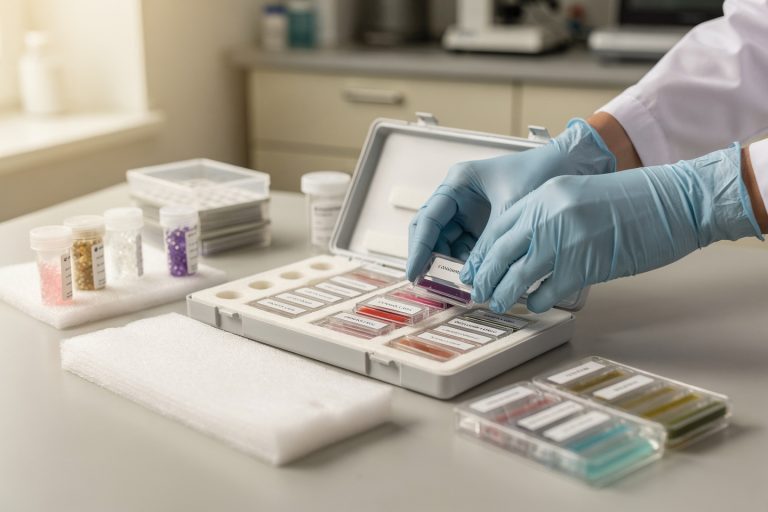
The process usually begins by obtaining the pathology report, glass slides, tissue blocks if needed, and any relevant imaging or clinical notes. Patients can learn how to prepare by reading How to Get a Second Opinion on Your Pathology Diagnosis, which outlines the practical steps. A second pathology opinion may be performed at a cancer center, academic hospital, subspecialty pathology group, or independent consultation service. The reviewing pathologist may issue an addendum, consultation report, or separate diagnostic interpretation.
Treatment planning should then be updated using the most accurate information available. Tumor markers may be repeated or expanded if the first sample was limited or if results were inconsistent with the tumor type. Molecular testing may be ordered from the existing tissue block, which can avoid another biopsy when enough material remains. Cancer staging may also be adjusted if the review changes tumor type, invasion, lymph node interpretation, or metastatic classification.
Questions to Ask the Doctor or Pathologist

- What exact type of cancer is listed in the pathology report?
- Was the biopsy diagnosis definite, suspicious, or limited by the amount of tissue?
- Were immunohistochemistry stains performed, and what did they show?
- Are any tumor markers or molecular testing results still pending?
- Does the pathology report contain information needed for cancer staging?
- Would a second pathology opinion be recommended before surgery, chemotherapy, radiation, or targeted therapy?
- Could another diagnosis or tumor subtype change the treatment plan?
These questions help transform a frightening label into specific medical information. A patient does not need to become a pathologist to ask focused questions, but understanding the key parts of the report can make consultations more productive. Understanding Your Pathology Report: How to Read It with Confidence can help patients identify the diagnosis line, specimen type, margins, grade, and special studies.
Cancer diagnosis second opinion is most useful when the actual slides and blocks can be reviewed, not just the written report. The written report is essential, but the microscope slides contain the primary evidence. For patients unsure whether review is warranted, When Should You Get a Second Pathology Opinion? explains common scenarios where another expert look can be particularly helpful.
Frequently Asked Questions
Should I get a second opinion before accepting a cancer diagnosis?
Cancer diagnosis second opinion is reasonable when the diagnosis is rare, unexpected, borderline, or connected to a major treatment decision. It is also reasonable when the report uses uncertain wording or when the treatment plan seems more aggressive than the diagnosis appears to suggest. Many second reviews confirm the original diagnosis, which can provide reassurance. When the diagnosis changes, the impact can be significant because treatment often depends on exact tumor type and subtype.
Can a pathology report be wrong?
A pathology report is usually accurate, but no diagnostic process is perfect. Errors, limitations, and differences in expert interpretation can occur, especially with tiny samples, unusual tumors, or overlapping microscopic patterns. A biopsy diagnosis may also be incomplete if there is not enough tissue for all needed tests. A careful review can separate true diagnostic disagreement from normal uncertainty caused by limited material.
How long does a second pathology opinion take?
Timing varies depending on slide transfer, tissue block availability, additional testing, and the complexity of the case. Many reviews can be completed within several business days after all materials arrive, but specialized immunohistochemistry stains or molecular testing can take longer. The treating team should explain whether treatment can safely wait for the review. In urgent cases, doctors may coordinate an expedited review.
Can a second opinion change cancer treatment?
Cancer diagnosis second opinion can change treatment if the tumor type, grade, margins, receptor status, tumor markers, or cancer staging are revised. A change from one subtype to another may affect surgery, chemotherapy, radiation, immunotherapy, targeted therapy, or surveillance. Sometimes the diagnosis remains the same, but additional molecular testing identifies a treatment option. Even confirmation can help patients proceed with more confidence.
What should patients send for a second pathology opinion?
The reviewing pathologist usually needs the original pathology report, glass slides, and sometimes the paraffin tissue block. Relevant imaging reports, operative notes, prior biopsy diagnosis records, and oncology notes can add helpful context. The patient or treating office may need to request release of materials from the original laboratory. Keeping a copy of every report helps patients track what has already been tested and what remains pending.
A cancer diagnosis can be real and still deserve verification before irreversible decisions are made. Honest Pathology consultations can help patients and families understand what the report says, what remains uncertain, and whether expert slide review may be appropriate. Clarity is not a luxury during cancer care; it is part of making the next decision with steadier footing.
References:
National Cancer Institute — Pathology Reports
National Cancer Institute — Definition of Second Opinion
National Cancer Institute — Definition of Biopsy