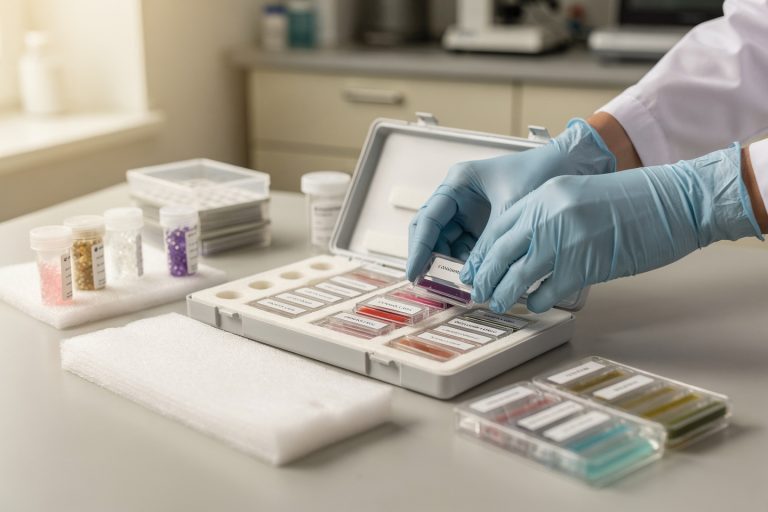
After receiving a pathology report—especially one involving a possible or confirmed cancer diagnosis—it’s completely natural to wonder if you should seek a second opinion. For some patients, the answer feels obvious. For others, it’s less clear, and the uncertainty can add to an already stressful situation.
At Honest Pathology, we often speak with patients who are trying to decide exactly this, and many find clarity through a second opinion consultation, especially when reviewing complex or high-stakes diagnoses. The truth is, not every case requires a second opinion—but there are specific situations where it can be especially valuable. Knowing when to consider one can help you move forward with more confidence and clarity.
What a Second Opinion Really Means
A pathology second opinion involves having another pathologist review your biopsy or surgical specimen. This is not about questioning your doctor—it’s about confirming or refining the diagnosis using the same tissue sample.
In many cases, the second opinion confirms the original findings. In others, it may provide additional detail or, less commonly, a different interpretation. All of these outcomes can be helpful, depending on your situation.
When the Diagnosis Is Serious
One of the most common reasons to consider a second opinion is when a diagnosis carries significant weight, such as cancer.
Decisions about surgery, chemotherapy, radiation, or targeted therapies are often based directly on the pathology report. When the stakes are high, having confirmation can provide reassurance that the diagnosis—and the treatment plan built around it—is appropriate.
This is especially true for cancers like breast, colon, and lung, where subtle differences in the report can influence the next steps.
When the Report Feels Unclear or Complex
Sometimes the report itself raises questions.
You might see unfamiliar terms, multiple possibilities listed, or language that doesn’t feel definitive. Words like “atypical,” “suspicious,” or “cannot rule out” can leave you unsure about what the diagnosis actually is.
In these situations, a second opinion can help clarify the findings and provide a more confident interpretation.
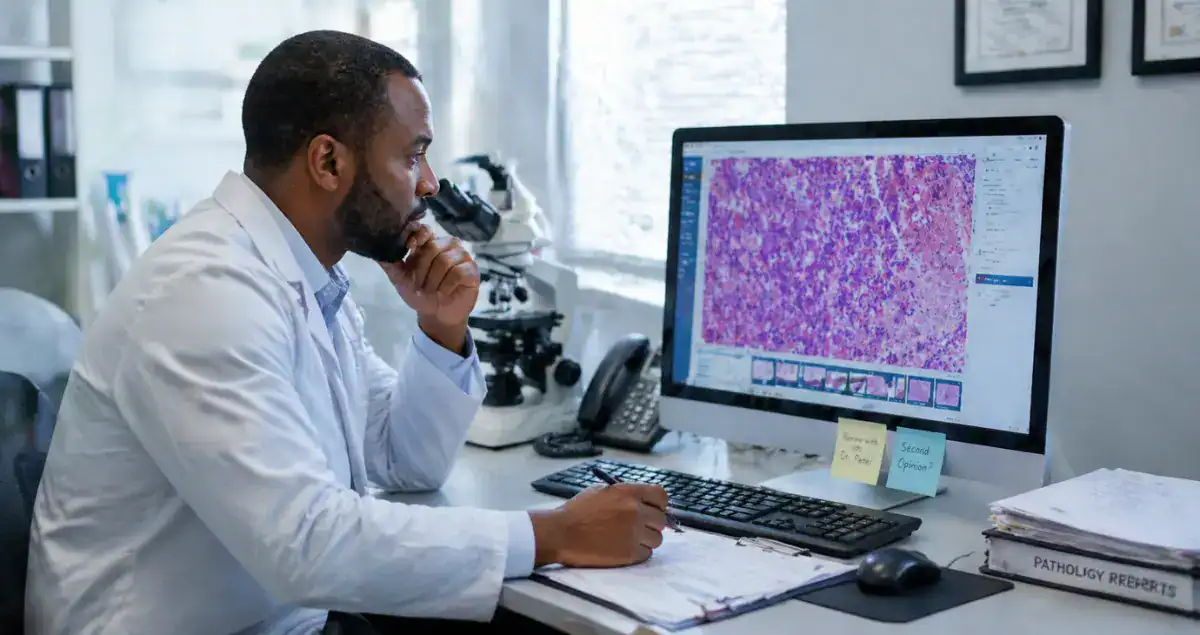
When the Clinical Picture Doesn’t Match
Another important reason to consider a second opinion is when things don’t seem to add up.
If your symptoms, imaging results, or physical exam findings don’t align with the pathology report, it may be worth taking a closer look. Medicine is complex, and while mismatches can happen for valid reasons, they should be carefully evaluated.
A second opinion can help ensure that nothing has been overlooked.
When Treatment Decisions Depend on Fine Details
In some cases, the diagnosis itself may be clear, but the details matter just as much.
Features like tumor grade, margins, lymph node involvement, or specific biomarkers can influence treatment recommendations. Even small differences in how these features are interpreted can lead to different approaches.
When treatment decisions hinge on these details, a second opinion can provide additional confidence.
When You Simply Want Reassurance
Not every reason for a second opinion is technical.
Sometimes, the main goal is peace of mind. You may feel more comfortable moving forward with treatment if you know that another expert has reviewed your case and agrees with the findings.
This is a valid and important reason. Feeling confident in your diagnosis can make a meaningful difference in how you approach the next steps.
When It May Not Be Necessary
While second opinions are valuable, they are not always required.
In straightforward cases with clear findings and strong agreement between clinical and pathology results, the benefit of a second opinion may be limited. That said, the decision is personal, and what matters most is how confident you feel moving forward.
How to Decide What’s Right for You
This is often the hardest part. You may not be sure whether your situation falls into one of these categories or whether a second opinion would truly add value.
That’s where having a clear understanding of your report—and knowing when to ask for expert review—becomes essential.
At Honest Pathology, we help patients review their pathology reports in detail so they can better understand what the findings mean, how certain they are, and whether there are features that might warrant a second look.
Sometimes, after reviewing the report, patients feel confident proceeding without a second opinion. Other times, the review highlights reasons why obtaining one could be beneficial. Either way, the goal is to help you make an informed decision.
Taking the Next Step with Confidence
Deciding whether to seek a second opinion is not about doubt—it’s about clarity.
In many cases, it provides reassurance. In others, it offers new insight. And in all cases, it gives you a deeper understanding of your diagnosis.
If you’re unsure whether a second opinion is right for you, consider scheduling a consultation with Honest Pathology. Being informed about your pathology report is the first step toward making the decision that’s right for your care and your peace of mind.