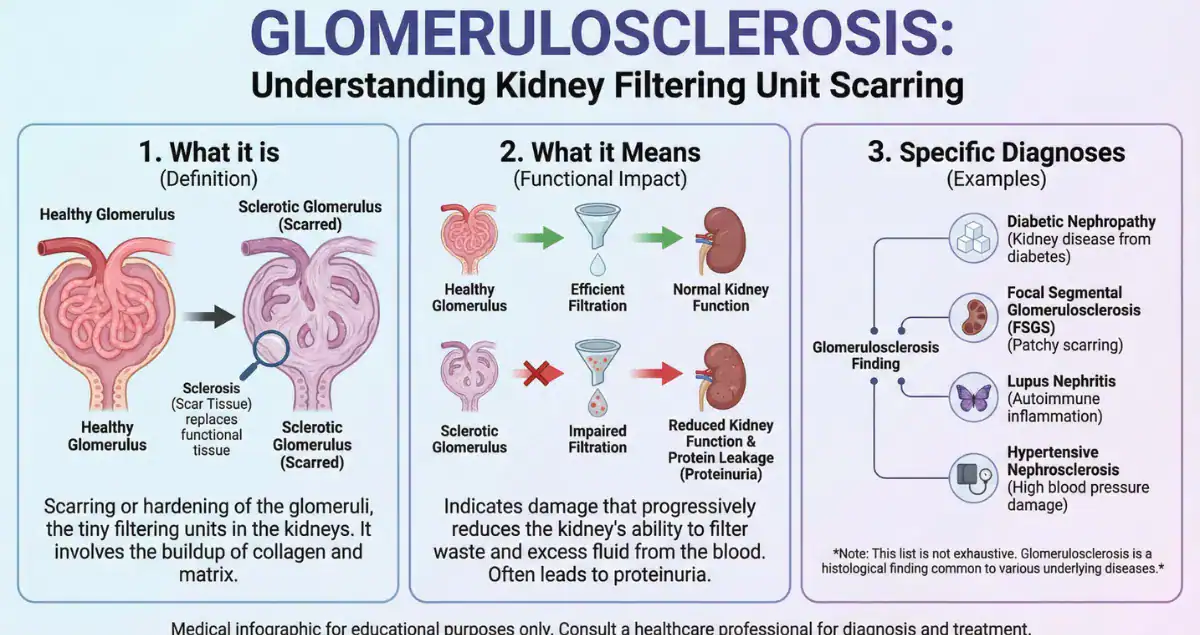
Glomerulosclerosis is a common finding on kidney biopsy reports that often leaves patients searching for clear answers. When pathologists describe scarred or hardened glomeruli, the tiny filtering units in the kidneys, many people worry about whether their kidneys are failing, how serious the condition is, and what it means for their future. Glomerulosclerosis is not a single disease but a pattern of scarring that can result from many different causes. It reflects damage that has occurred over time, and its significance depends heavily on how much of the kidney is affected and what is causing the scarring. Honest Pathology provides expert pathology consultations that translate these technical biopsy findings into plain, reassuring language, empowering patients to understand their specific situation and work confidently with their nephrologist on the best plan forward.
What Are Glomeruli and What Does Glomerulosclerosis Actually Mean?
Glomeruli are the microscopic filtering units inside the kidneys. Each kidney contains about one million of them. Their job is to filter blood, remove waste, and keep important proteins and blood cells inside the body. In a healthy glomerulus, the structure looks delicate and open under the microscope. Glomerulosclerosis means that some of these filters have become scarred, hardened, or shrunken. The scarred areas no longer filter blood effectively. Pathologists describe it as focal (affecting only some glomeruli) or diffuse (affecting many), and as segmental (part of a glomerulus) or global (the entire glomerulus). When they see sclerosis on a biopsy, they also note how much of the kidney tissue is involved and whether there is ongoing inflammation or other damage. Patients often ask if glomerulosclerosis is the same as kidney failure. It is not. Mild or focal sclerosis may cause little problem, while extensive sclerosis can contribute to declining kidney function over time. Honest Pathology consultations show patients exactly how much sclerosis is present in their biopsy and what that means for their individual kidneys.
Common Causes of Glomerulosclerosis
Glomerulosclerosis can develop for many reasons. The most frequent today is focal segmental glomerulosclerosis (FSGS), which can be primary (the kidney itself is the problem) or secondary to conditions such as obesity, diabetes, high blood pressure, or reduced kidney mass. Other causes include long-standing hypertension, chronic kidney infections, autoimmune diseases like lupus, certain medications, and genetic factors. In older adults, some degree of glomerulosclerosis is a normal part of aging. When pathologists see sclerosis on a biopsy, they look for clues about the underlying cause—such as hyalinosis, foot process effacement on electron microscopy, or immune deposits. Understanding the cause is critical because treatment and prognosis differ greatly. Patients frequently wonder whether their sclerosis was caused by something they did. In many cases it results from a combination of genetic predisposition and common conditions like high blood pressure or excess weight rather than any single action. Honest Pathology helps patients connect the microscopic pattern to possible causes so they can address modifiable factors effectively.
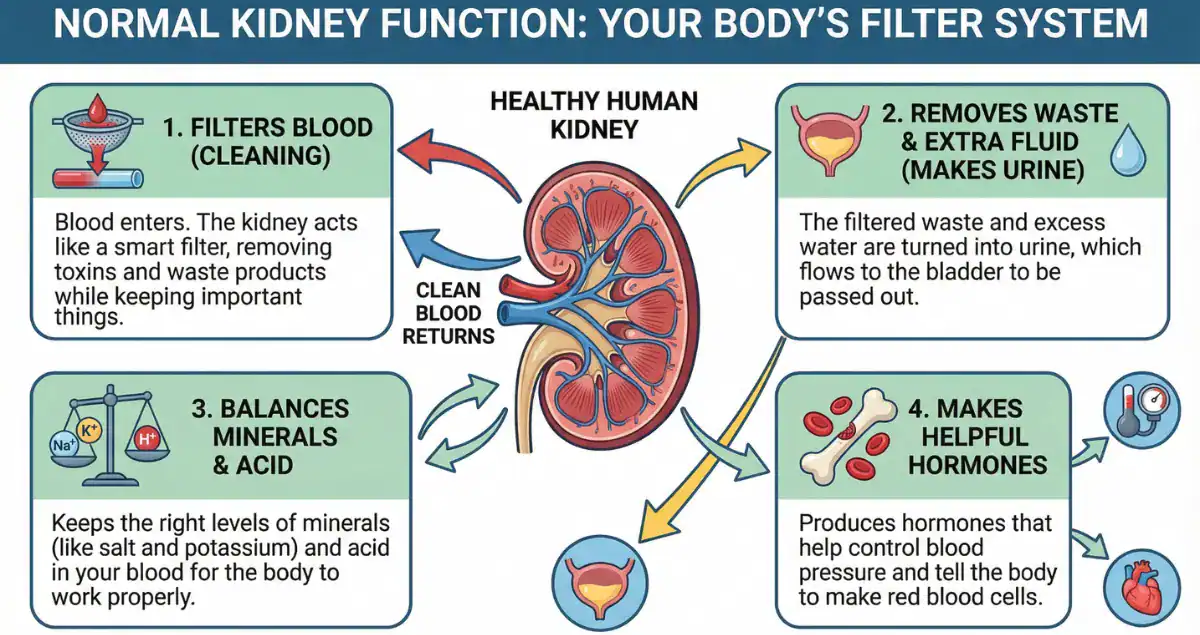 How Glomerulosclerosis Is Diagnosed and Graded on Biopsy
Diagnosis requires a kidney biopsy, as blood and urine tests alone cannot show the exact pattern of scarring. On light microscopy, pathologists count the percentage of glomeruli that are sclerotic and note whether the scarring is focal or diffuse. They also examine special stains and electron microscopy to look for foot process effacement (a hallmark of podocyte injury) or immune complex deposits. Reports often describe the percentage of global glomerulosclerosis and any segmental lesions. Mild sclerosis (less than 10–15% of glomeruli) is often of little concern, especially in older patients. Moderate sclerosis (15–50%) may signal a need for closer monitoring, while extensive sclerosis (over 50%) indicates more advanced chronic kidney damage. Patients commonly ask how much sclerosis is “normal.” Some global sclerosis is expected with age—roughly the percentage of your age in years is a rough guide—but significant sclerosis at a younger age or rapid increase over time warrants attention. Honest Pathology reviews the biopsy slides and reports in detail, explaining the percentage of involvement and what the specific pattern suggests about the underlying disease process.
Symptoms and What Patients Usually Experience
Glomerulosclerosis itself does not always cause symptoms in the early stages. Many people discover it incidentally when a biopsy is done for protein in the urine or declining kidney function. As more glomeruli become scarred, patients may notice foamy urine from proteinuria, swelling in the legs or face (edema), high blood pressure, or fatigue. In advanced cases, symptoms of chronic kidney disease appear, including poor appetite, itching, and anemia. The amount of proteinuria is often a better predictor of progression than the percentage of sclerosis alone. Patients frequently search whether glomerulosclerosis will make them feel sick right away. In most cases the answer is no, especially when only a small portion of glomeruli is affected. Honest Pathology helps patients understand how the degree of sclerosis on their biopsy correlates with their current symptoms and lab results.
Prognosis and Risk of Progression to Kidney Failure
The long-term outlook depends on the cause, the amount of sclerosis, and how well the underlying condition is controlled. In mild focal segmental glomerulosclerosis with good blood pressure and protein control, many patients remain stable for years or decades. When sclerosis is extensive or caused by poorly controlled diabetes or hypertension, progression to chronic kidney disease or end-stage kidney failure is more likely. Overall, about 30 to 50 percent of patients with primary FSGS eventually reach end-stage kidney disease over 10 to 20 years if untreated, but this number drops significantly with modern therapies such as ACE inhibitors, ARBs, steroids, or newer medications. Secondary forms related to obesity or hypertension often respond well to weight loss and blood pressure control. Patients often ask how fast their kidneys will decline. Progression is usually slow, and many factors, including blood pressure below 130/80, low protein diet, and avoiding nephrotoxic drugs, can slow or even stop it. Honest Pathology provides context by explaining how much functional kidney tissue remains and what features on the biopsy suggest a better or worse outlook.
Does Glomerulosclerosis Increase Cancer Risk?
Glomerulosclerosis itself does not cause cancer. However, certain conditions that lead to secondary glomerulosclerosis, such as long-standing lupus or certain genetic diseases, may carry a slightly higher cancer risk due to the underlying illness or the immunosuppressive medications used to treat it. In general, patients with glomerulosclerosis do not need special cancer screening beyond standard age-appropriate guidelines. Patients sometimes worry after seeing the word “sclerosis” because it sounds similar to other scarring diseases. The important point is that kidney sclerosis is a chronic, non-cancerous process focused on scarring rather than uncontrolled cell growth. Honest Pathology reassures patients by clearly distinguishing glomerulosclerosis from any malignant process and explaining why their biopsy does not indicate cancer risk.
Common Questions Patients Ask About Glomerulosclerosis
Many patients want to know whether glomerulosclerosis can be reversed. Early or mild cases, especially secondary forms, can show improvement or stabilization when the cause is treated. Advanced global sclerosis is generally permanent, but the remaining healthy glomeruli can often compensate if protected. Another frequent question is whether a biopsy showing sclerosis means dialysis is inevitable. The answer is no for the majority of patients, particularly when caught early and managed well. Patients also ask about diet, exercise, and medications. Controlling blood pressure and proteinuria is the most important step, and many benefit from a kidney-friendly diet low in processed foods and moderate in protein. Honest Pathology addresses these questions directly by reviewing the exact percentage and pattern of sclerosis and helping patients understand realistic expectations for their kidneys.
How Honest Pathology Empowers Patients with Glomerulosclerosis Findings
A kidney biopsy report that mentions focal segmental glomerulosclerosis, global glomerulosclerosis, or percentage involvement can feel technical and frightening. Honest Pathology offers patient-centered consultations that explain every detail in simple terms: how much of the kidney is scarred, what pattern is present, what it likely means for kidney function over time, and which features suggest a more favorable outlook. Patients leave with a clear understanding of their personal situation, practical questions to ask their nephrologist, and confidence about lifestyle changes or treatments that can protect remaining kidney function. This knowledge turns a potentially overwhelming diagnosis into an opportunity for informed action.
Glomerulosclerosis is a pattern of scarring in the kidney’s filters that can result from many different causes. While it signals that some damage has occurred, the amount and type of sclerosis, along with how well the underlying condition is managed, determine the long-term outcome for most patients. Through expert pathology consultations, Honest Pathology ensures patients receive clear, accurate explanations of their biopsy findings and realistic guidance about prognosis and care. With this understanding, individuals can take positive steps to protect their kidneys and look forward with greater confidence about their health.