Worried a Second opinion request will upset your doctor? Learn what it means, how to ask respectfully, and what to do next.
It is common to want more certainty before making a major medical decision, especially when a pathology report may affect surgery, cancer treatment, or long-term follow-up.
Patients who worry that asking for another review will offend their doctor can be reassured: a thoughtful request for a second opinion is a normal part of good medical care. In pathology, another set of expert eyes can help confirm a diagnosis, clarify wording, and make sure the treatment plan is based on the most accurate information possible.
This can feel emotionally loaded. Many patients feel disloyal, nervous, or embarrassed, especially when they like and trust their doctor. A patient can respect a doctor and still want more certainty. Those two things can both be true.
Asking for Another Review Is Not an Accusation

A request for another opinion is not an accusation. It is a request for confirmation, clarification, or added expertise. Think of it like having a second engineer inspect a bridge before heavy traffic crosses it. The first engineer may have done excellent work, but the stakes are high, and careful confirmation protects everyone.
In pathology, a consultation usually means another pathologist reviews the diagnosis, the original report, and often the glass tissue slides. The second pathologist may agree completely, add detail, suggest extra testing, or occasionally identify a meaningful difference. For patients still learning the basics, What Is a Pathology Report? can help explain what is being reviewed. A medical second opinion is simply another professional interpretation of the available medical information.
A pathology report is a technical document written for doctors, not for frightened patients reading it at midnight. That is one reason another review can be so helpful. It gives patients a structured way to ask, “Does this diagnosis make sense, and does anything need to be clarified?” A healthy doctor relationship should have room for that question.
When Unclear Pathology Wording Deserves a Closer Look

When patients ask whether they can request another review without offending their doctor, the worry usually starts with uncertainty in the pathology report. Maybe the diagnosis includes words like atypical, suspicious, high-grade, invasive, borderline, or indeterminate. Maybe a doctor recommended surgery, chemotherapy, radiation, or surveillance, and the patient wants to feel more grounded before moving forward. A diagnostic review can be especially helpful when the wording affects the next step.
The lab process is careful, but human interpretation is still part of pathology. A pathologist examines tissue slides under the microscope, connects the appearance of the cells with clinical information, and may recommend special stains or molecular testing. A consultation does not mean the first pathologist was careless. It means the case may benefit from subspecialty experience, comparison with rare entities, or confirmation before a treatment plan begins.
Some diagnoses are straightforward, while others sit near the edge between categories. For example, certain breast, prostate, skin, lung, gynecologic, and gastrointestinal findings can require judgment about grade, invasion, margins, or biomarkers. The phrase pathology report can hide a lot of complexity because the final document may be only one page, while the work behind it is much larger. For help reading the language itself, Understanding Your Pathology Report: How to Read It with Confidence may be useful. A second diagnostic review can turn confusing language into a clearer medical conversation.
When a Second Opinion Matters Most
Asking for another review is usually not a sign that something has gone wrong. It is often a sign that the decision matters. If a diagnosis is benign and the recommended plan is simple, a second review may mainly give peace of mind. If the diagnosis is cancer, precancer, rare disease, or something that changes surgery or medication, a medical second opinion may carry more practical value.
The importance of the review depends on what is at stake. Asking before a major operation, long-term medication, cancer treatment, or life-changing diagnosis is very reasonable. The goal is not to create conflict. The goal is to make sure the treatment plan rests on the most accurate pathology interpretation available.
From the doctor’s side, second opinions are common. Most experienced physicians have requested them for their own patients, and many have asked for them for family members. A good doctor relationship is strengthened by transparency, not weakened by it. If someone reacts angrily to a respectful request, that reaction says more about communication style than about a patient’s right to understand their care.
What Happens After the Pathology Review

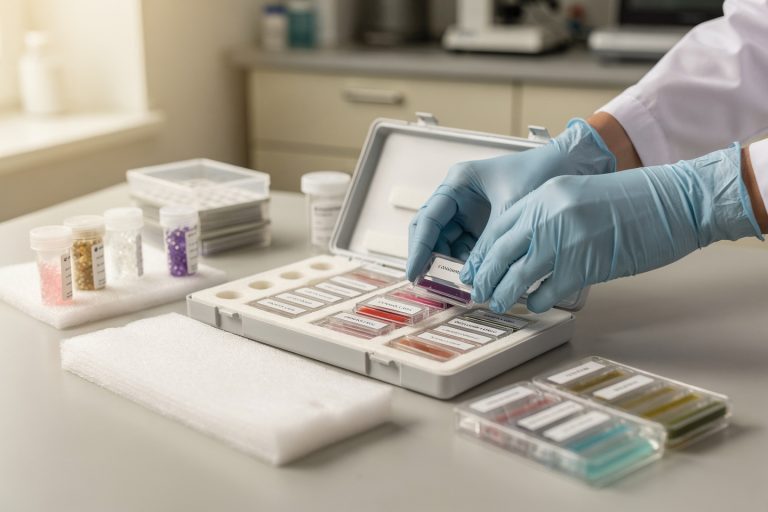
If a patient asks for a pathology consultation, the next step is usually record collection. The reviewing pathologist may need the original pathology report, the clinical history, imaging or operative notes, and the tissue slides or tissue blocks from the original lab. Many patients are surprised to learn that the slides can often be sent from one pathology department to another. This is routine, and the original lab has established procedures for releasing materials.
The treating doctor may help arrange the medical second opinion, or the patient may request it directly through a cancer center, academic hospital, or consultation service. For patients who are not sure when another review makes sense, When Should You Get a Second Pathology Opinion? explains common situations where it may be helpful. Sometimes the second pathologist fully agrees with the first diagnosis. That agreement can be very valuable because it lets the patient move forward with more confidence.
If the review changes or refines the diagnosis, the doctor may adjust the treatment plan. That could mean a different surgery, additional testing, a new medication discussion, or a different follow-up schedule. A pathology consultation may also identify whether more tissue studies are needed before decisions are finalized. The point is not delay for its own sake, but better alignment between the diagnosis and the care a patient receives.
Questions That Make the Conversation Easier

- Would a pathology consultation be helpful for my specific diagnosis?
- Are there any uncertain, borderline, or high-impact findings in my pathology report?
- Do the tissue slides need to be reviewed by a subspecialty pathologist?
- Would a medical second opinion change my surgery, medication, radiation, or surveillance plan?
- How long will it take to send my slides and receive the diagnostic review?
- Will my insurance cover the second review, and who can help me check?
- Can you recommend where to send my case for expert pathology review?
Patients do not need to apologize for asking these questions. A patient can say, “I trust your care, and because this decision is significant, I would feel better having the pathology reviewed again.” That sentence protects the doctor relationship while still allowing the patient to advocate for themself.
For practical steps for requesting records, slides, and review, see How to Get a Second Opinion on Your Pathology Diagnosis. Patients deserve a clear explanation, not a rushed answer. A respectful request for another expert review is part of informed care.
Frequently Asked Questions
Will my doctor be offended if I ask for a second opinion?
Most doctors will not be offended by a respectful request. Physicians understand that major diagnoses and treatment decisions can feel overwhelming, and they often request additional review for complex cases themselves. The conversation can be framed as a need for confidence before moving forward, not as a criticism or lack of trust.
How do I ask for a pathology consultation politely?
A patient can say, “Before I make a final decision, I would like a pathology consultation to confirm the diagnosis.” That wording is clear, calm, and respectful. Patients can also ask whether the treating doctor recommends a particular expert, cancer center, academic hospital, or subspecialty pathologist. If the conversation feels difficult, writing the request down before the visit can help.
Can a second pathology opinion change my diagnosis?
Yes. A second review can confirm, refine, or sometimes change a diagnosis. Many reviews agree with the original pathology report, and that agreement can be reassuring. In other cases, the reviewing pathologist may recommend additional stains, molecular tests, or a different diagnostic category. Even a small wording change can matter if it affects surgery, medication, radiation, or follow-up.
Is a Second opinion request the same as changing doctors?
No. Asking for another opinion does not mean a patient is leaving the treating doctor. It simply means another qualified professional is being asked to review the available information. Many patients return to the same doctor after the review is complete. The additional opinion becomes one more piece of information used to guide care.
Who sends my slides for a second opinion?
Usually, the original pathology lab sends the tissue slides or tissue blocks to the reviewing institution after receiving the proper request and authorization. The doctor’s office, the consultation center, or the pathology department may help coordinate the process. Patients should ask where the request should be sent, whether release forms are needed, and how long the transfer is expected to take. Keeping a copy of the pathology report is also helpful.
For patients who are scared to ask, one honest sentence can be enough: “I need more certainty before I move forward.” That is not rude. That is self-advocacy.
Honest Pathology helps patients and families understand what pathology results mean and whether a consultation may be useful. Patients are allowed to ask careful questions about their own diagnosis.
References:
National Cancer Institute — Finding a Doctor or Treatment Facility
National Cancer Institute — Definition of Second Opinion
NCI Dictionary of Cancer Terms — Pathologist