Worried a second opinion could delay care? Second opinion consultation can clarify diagnosis, treatment choices, and next questions.
Reading a pathology report before treatment begins can feel overwhelming, especially when the words are unfamiliar and the decisions ahead are important. A pathology second opinion can improve treatment outcomes when it clarifies the diagnosis, confirms key details, or changes the treatment plan before therapy starts. It does not always change the final answer, but it often gives patients and doctors more confidence in the path forward. In cancer care especially, small details in a pathology report can affect surgery, chemotherapy, radiation, targeted therapy, or surveillance.
Feeling scared after reading an unfamiliar pathology report is completely human. When a report contains medical terms a patient has never seen before, it can feel as if life has suddenly been translated into another language. Requesting another review is not about mistrusting a doctor. It is about making sure the foundation of care is as accurate and complete as possible.
Many patients ask whether seeking another review means they are being difficult. It does not. Thoughtful doctors welcome careful diagnosis confirmation, especially when treatment decisions are high stakes.
What a Pathology Review Looks At
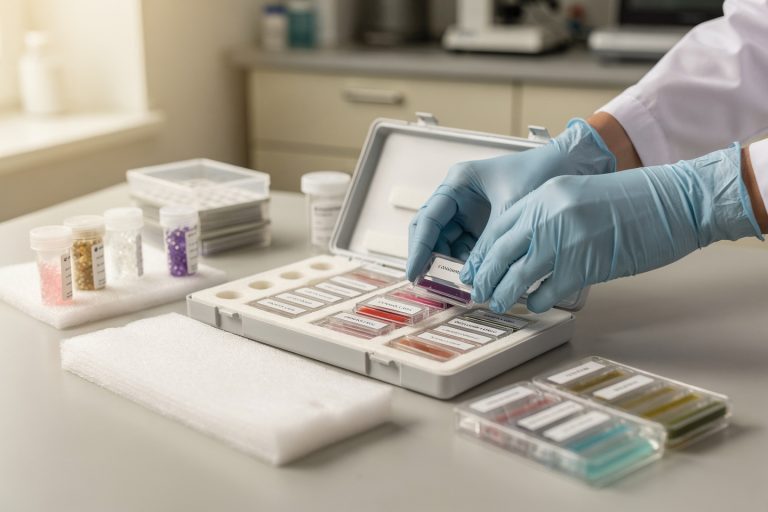
A second opinion consultation is a focused review of a diagnosis, report, slides, blocks, images, and medical history by another qualified physician, often a subspecialty pathologist. In plain language, another expert looks at the same evidence and asks, “Do I agree, and is anything missing?” That question can be powerful because treatment begins with the name and details of the disease. If the diagnosis is the address, the treatment plan is the route the care team chooses to get there.
From the laboratory side, the review may include examining the original glass slides under the microscope, confirming the tumor type, and checking whether the report includes all required elements. Those elements may include tumor classification, grade, lymphovascular invasion, margin status, lymph node findings, and biomarker testing. A treatment plan review may follow if the second reviewer finds information that could affect therapy. Sometimes the result is agreement, which can be deeply reassuring.
A good consultation is not a casual glance at paperwork. It is a structured medical records review that connects the pathology findings with the clinical picture. For example, a breast biopsy, prostate biopsy, colon resection, or skin excision may each carry details that influence next steps. A starting point for understanding the document itself is available here: What Is a Pathology Report?. When patients understand the report, the consultation becomes less mysterious and more useful.
When Another Expert Review Can Be Helpful
A report may prompt another review because the diagnosis is rare, the wording is uncertain, the tumor is borderline, or the recommended treatment feels unusually aggressive. Some pathology diagnoses are straightforward, but others sit in a gray zone where expert judgment matters. Diagnosis confirmation can be especially helpful when the report uses phrases such as “atypical,” “suspicious,” “favor,” “cannot exclude,” or “high-grade features.” These phrases do not mean anyone did something wrong; they mean the tissue has features that deserve careful correlation.
Pathologists look for patterns: cell shape, tissue architecture, invasion, necrosis, mitotic activity, and relationship to surrounding structures. In cancer cases, tumor classification can separate diseases that look similar but behave differently. Biomarker testing can show whether a cancer is likely to respond to hormonal therapy, immunotherapy, targeted therapy, or other treatments. Margin status can determine whether surgery removed all visible tumor or whether more local treatment may be discussed.
Another reason for consultation is that the original report may be technically correct but incomplete for a major decision. For example, a medical records review may reveal that outside slides, prior biopsies, imaging reports, or operative notes were not available when the first interpretation was made. That missing context can matter. For guidance on when this step is reasonable, this patient-centered article may help: When Should You Get a Second Pathology Opinion?. The goal is not to create delay; the goal is to reduce uncertainty before irreversible choices are made.
How Often a Review Changes the Diagnosis or Plan

This kind of consultation is important because it can influence major treatment decisions, but requesting one does not mean a diagnosis is automatically wrong. Most second opinions confirm the original diagnosis or refine it rather than completely overturn it. That confirmation still has value because it allows patients to move forward with less doubt. A careful pathology review often helps patients feel that the treatment plan rests on a stronger base.
The potential impact depends on what is at stake. If the consultation involves a small benign skin lesion that has already been fully removed, the impact may be limited. If it involves a new cancer diagnosis, a rare tumor classification, positive margin status, or unexpected biomarker testing, the impact can be much larger. In those situations, the review may lead to a different surgery, a different medication, additional testing, or a more precise diagnosis confirmation.
Timing also matters. The process should be done efficiently so that care does not stall. Many pathology reviews can be completed while appointments, imaging, or treatment planning are already underway. A treatment plan review does not have to mean pressing pause on everything; often, it means making sure the next step is the right one. If a doctor believes treatment must begin urgently, a patient can ask whether a rapid review can be requested while the plan moves forward.
What Happens After the Review
After the consultation, the patient should receive a written report or formal addendum that states whether the second reviewer agrees with the original diagnosis. If there is disagreement, the report should explain the reason in clear medical terms. A treatment plan review may then be discussed by an oncologist, surgeon, radiation oncologist, or tumor board. In many hospitals, these cases are reviewed by a group so that pathology, imaging, and clinical details are considered together.
Next steps may include additional stains, molecular studies, repeat biomarker testing, or comparison with prior specimens. Sometimes the second pathologist asks for the original tissue block because more testing is needed. A medical records review may also identify missing operative notes, imaging reports, or previous pathology reports that help complete the picture. For patients, this can feel like extra work, but each piece can sharpen the final recommendation.
Monitoring depends on the diagnosis and the treatment chosen. If the second opinion confirms the first report, the care team may proceed with the original plan with greater confidence. If the diagnosis changes, follow-up may change as well, including different scans, blood tests, surgery margins to watch, or medication choices. For help reading the language of a report before a visit, this may be useful: Understanding Your Pathology Report: How to Read It with Confidence.
Questions to Ask Before Treatment Starts
- Can you explain which part of my diagnosis is certain and which part is uncertain?
- Would a pathology second opinion be useful before I start treatment?
- Were my original slides, tissue blocks, and prior reports all available for review?
- Does the report include tumor classification, grade, biomarker testing, and margin status if they apply to my case?
- Could diagnosis confirmation change my surgery, medication, radiation, or surveillance plan?
- Should my case be discussed at a tumor board or by a subspecialty pathologist?
- How quickly can a medical records review and slide review be completed without delaying necessary care?
Patients are allowed to ask these questions calmly and directly. A careful doctor will understand that the goal is to make a clear decision, not challenge anyone’s integrity. For guidance on how to request the process, the steps are explained here: How to Get a Second Opinion on Your Pathology Diagnosis.
Bringing a written list to the appointment can help because stress can make even prepared people forget what they wanted to ask. If the answers still feel unclear, an independent consultation can help translate the report into plain language and identify what matters most for care.
Frequently Asked Questions
Can a second opinion change my cancer treatment?
Yes. A review can change cancer treatment when it changes the diagnosis, stage-related details, biomarker results, or margin status. It may also confirm that the current plan is appropriate, which is still a meaningful result. The chance of a change is higher with rare tumors, borderline diagnoses, and complex pathology findings. A doctor can explain whether a specific case has features that make another review especially helpful.
Will asking for a second opinion upset my doctor?
Most experienced doctors understand why patients ask for another review. This is a normal part of careful medical care, especially before surgery, chemotherapy, radiation, or long-term treatment. The request can be framed as a desire for diagnosis confirmation before making a major decision. Good care teams want patients to feel informed and confident.
How long does a pathology second opinion take?
The timeline depends on how quickly slides, tissue blocks, reports, and records are sent. Many reviews take several days once all materials arrive, although complex cases that need additional testing may take longer. A medical records review can sometimes happen alongside appointment scheduling, imaging, or treatment planning. Patients can ask whether the review can be marked urgent if treatment decisions are pending.
What if the second opinion is different from the first?
If two opinions differ, the care team may request additional stains, biomarker testing, molecular studies, or review by a subspecialty expert. Sometimes the difference is small and does not change treatment, but sometimes it affects the treatment plan review. The doctor should explain exactly what changed, why it changed, and how it affects care. A tumor board discussion may also be appropriate.
Do I need a second opinion if my report seems clear?
Another review may not be needed if the diagnosis is straightforward and the treatment decision is low risk. Still, diagnosis confirmation can be reasonable when the diagnosis is cancer, rare, aggressive, unexpected, or tied to a major operation. It is most useful when the result could change what happens next. When there is uncertainty, a doctor can explain what specific decision the review would help answer.
A second opinion is not about fear; it is about clarity. If help is needed to understand whether a report deserves another look, Honest Pathology consultations can help identify the key details and support better questions for the care team.
References:
National Cancer Institute — Pathology Reports Fact Sheet
College of American Pathologists — Cancer Protocol Templates
National Cancer Institute — Finding a Doctor or Treatment Facility