Second Opinion Before Treatment can feel risky when cancer is involved. Learn when waiting is reasonable and what to ask today.
Facing treatment decisions before all the details feel clear can be frightening, especially after a new cancer diagnosis. In many cases, a second opinion before treatment can be arranged quickly and safely, particularly when the planned therapy depends heavily on the exact pathology diagnosis. A pathology consultation may confirm the original findings, clarify uncertain wording, or occasionally change the treatment decision.
For a patient or loved one facing a new cancer diagnosis, the pressure can feel unbearable. Many people feel that every day matters, and sometimes it truly does. However, many treatment plans also depend on getting the pathology report right the first time. The goal is to help patients understand when waiting for a consultation is wise, when treatment should move forward, and what questions can protect peace of mind.
What a Pre-Treatment Pathology Review Involves

A second review before treatment is not about distrusting a doctor. It means making sure the foundation of the treatment plan is solid before building on it. In cancer care, that foundation is often the pathology report, because it names the disease, grades it, stages it when possible, and may include tests that predict response to therapy. If the diagnosis is the map, the treatment decision is the route the medical team chooses from that map.
Think of it like planning a major home repair. Before someone removes a wall, it is important to know whether that wall carries weight. In the same way, before chemotherapy, radiation, immunotherapy, surgery, or hormonal therapy begins, the team needs confidence that the diagnosis is correct and complete. A pathology consultation can be especially helpful when the tumor is rare, the biopsy is small, the report uses uncertain language, or the recommended treatment feels unexpectedly aggressive.
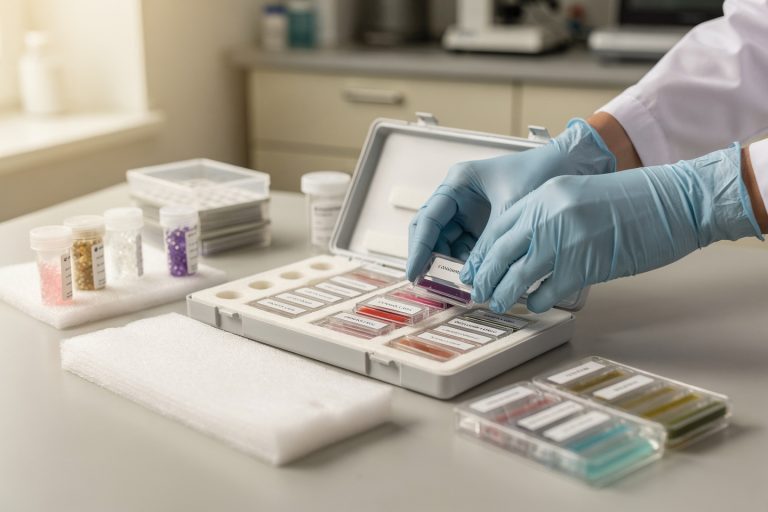
From the laboratory side, a second review usually involves looking again at the biopsy slides, the special stains, the diagnosis wording, and any molecular or biomarker results. Sometimes the second pathologist agrees completely, which is still valuable because it provides reassurance. Sometimes the diagnosis is refined rather than completely changed, such as a more specific subtype or grade. For patients who are still learning how reports are organized, What Is a Pathology Report? can help explain the basic pieces before a consultation.
When the Pathology Report Raises Questions Before Treatment

The reason a patient may be considering another review usually starts with something in the pathology report that raises concern or confusion. It may be a new cancer diagnosis, a rare tumor name, a high-grade result, a margin status that affects surgery, or a biomarker result that guides medication. Pathologists look for patterns under the microscope, then match those patterns with clinical history, imaging, and laboratory studies. Diagnostic accuracy improves when all of those pieces fit together, like parts of the same puzzle.
Some reports are straightforward, but others are genuinely difficult. A tiny biopsy may show only a small sample of a larger tumor, and biopsy slides sometimes contain crush artifact, inflammation, necrosis, or limited tumor cells. Special tests such as immunohistochemistry, molecular testing, or hormone receptor studies may be needed to classify the disease correctly. These details can affect the treatment decision, which is why careful review matters before a plan becomes permanent.
There are also situations where the diagnosis is correct, but the wording is hard to understand. Terms such as atypical, suspicious, poorly differentiated, indeterminate, or cannot exclude can create anxiety because they do not sound final. A tumor board may review difficult cases by bringing surgeons, oncologists, radiologists, radiation oncologists, and pathologists into the same discussion. For a deeper patient-friendly explanation of report language, Understanding Your Pathology Report: How to Read It with Confidence may be useful before an appointment.
When Waiting for a Review Is Reasonable—and When It Is Not
A second opinion before treatment can influence real medical choices, but requesting one does not automatically mean something is wrong. Most second reviews confirm the main diagnosis, and that confirmation can be deeply reassuring. The importance of waiting depends on how urgent the disease is, how clear the original pathology report is, and whether the planned therapy could be changed by a different interpretation. A cancer diagnosis that is common, well-sampled, and supported by clear testing may need less delay than a rare or borderline diagnosis.
In many cases, waiting a short time for the review is medically reasonable. A few days to obtain biopsy slides, arrange a pathology consultation, or discuss the case at a tumor board often does not change the outcome. This is especially true when the disease is slow-growing, when surgery is already scheduled but not immediate, or when treatment depends on exact tumor subtype. Diagnostic accuracy is not a luxury in these situations; it is part of safe care.
There are also times when waiting may not be safe. If someone has a rapidly progressing cancer diagnosis, severe symptoms, spinal cord compression, bleeding, infection, organ failure, or another emergency, treatment may need to begin while additional review is happening in parallel. A pre-treatment consultation should never become a reason to ignore urgent medical problems. The key question is not simply, “Should a patient wait?” The better question is, “Can the team start the consultation quickly without putting the patient at risk?”
What Happens After the Pathology Review

Once a second opinion is requested, the practical steps are usually straightforward. The medical team or the consulting office requests the pathology report, biopsy slides, tissue blocks if needed, imaging reports, and relevant clinical notes. The consulting pathologist reviews the materials and may order or recommend additional stains or molecular tests. This review can support the original treatment decision or provide new information that changes the plan.
If treatment has not started yet, the oncologist may discuss whether it is safe to wait for the final consultation. If treatment has already started, a pathology consultation can still be valuable, especially if the diagnosis is rare or the response to therapy is not what the doctors expected. A tumor board discussion may be recommended when the best next step is not obvious. In that setting, the pathology, imaging, surgery options, and oncology plan are considered together rather than separately.
Monitoring after the consultation depends on the diagnosis and treatment type. The care team may follow blood tests, imaging, tumor markers, symptoms, surgical margins, or biomarker results. If the report includes proliferation markers such as Ki-67, that information may influence risk assessment in certain tumors, and this topic is explained further here: What Does Ki-67 Mean and How High Is Concerning?. The goal is not to delay care unnecessarily; the goal is to make sure the care matches the disease as accurately as possible.
Questions to Ask Before Treatment Begins

- Is the diagnosis completely final, or is there any uncertainty in the pathology report?
- Would a pathology consultation be useful before treatment begins?
- How long would it take to send the biopsy slides for review?
- Could the second review change the treatment decision, surgery plan, or medication options?
- Is the cancer diagnosis urgent enough that treatment should start while review is pending?
- Should the case be discussed at a tumor board before treatment begins?
- Were all necessary stains, biomarkers, or molecular tests completed on the sample?
These questions are not confrontational. They are practical, respectful, and designed to help patients understand whether waiting is safe. Good doctors are used to second opinions, and many welcome them because they strengthen confidence in the plan.
For a structured way to request review, the process is explained in How to Get a Second Opinion on Your Pathology Diagnosis. For patients who are unsure whether a situation truly needs review, When Should You Get a Second Pathology Opinion? may help clarify what is reasonable before treatment begins.
Frequently Asked Questions
Should I wait for a second opinion before cancer treatment?
A patient may be able to wait briefly if the doctor says the cancer is stable and the consultation can be completed quickly. This type of review is most helpful when the diagnosis is rare, unclear, or likely to change the treatment decision. If symptoms are severe or the cancer is progressing quickly, the care team may recommend starting treatment while the review happens. Patients should ask the oncologist directly what amount of delay is medically safe in their specific case.
Can treatment start before the pathology review is finished?
Yes. Treatment can start before the review is finished when the medical situation is urgent. This may happen when delaying therapy could cause harm, such as with serious symptoms or fast disease progression. A pathology consultation can still continue in the background using the original biopsy slides and report. If the review changes anything meaningful, the care team can adjust the plan.
How long does a pathology second opinion take?
Many reviews take a few business days once the outside institution receives the slides and records. Delays usually come from transferring materials, obtaining tissue blocks, or waiting for additional testing. The exact timeline depends on the hospital, the complexity of the cancer diagnosis, and whether more studies are needed. Patients can ask for an estimated completion date to help plan the next appointment.
What if the second opinion changes my diagnosis?
If the second opinion changes the diagnosis, the doctors should explain what changed and how it affects treatment. Sometimes the change is small, such as a grade or subtype clarification, and sometimes it may significantly alter the treatment decision. A pre-treatment review can be valuable because it may identify these issues before irreversible steps are taken. A patient can also ask whether the case should be reviewed by a tumor board.
Will my doctor be upset if I ask for a second opinion?
Most physicians understand why patients ask for another review, especially before major cancer treatment. A thoughtful request does not mean a patient distrusts the doctor; it means the patient wants confidence before moving forward. A patient can say, “The care is appreciated, and confirming the pathology before treatment would provide additional comfort.” That simple wording is usually enough to start the process.
Patients do not have to choose between speed and certainty alone. With the right questions, a second opinion before treatment can often be handled quickly and safely. Honest Pathology consultations are available when an independent pathology review is needed in plain language, with compassion and clarity.
References:
National Cancer Institute — Cancer Diagnosis
National Cancer Institute — Types of Cancer Treatment
College of American Pathologists — Cancer Protocol Templates