Worried about Pathology second opinion costs? Learn what affects the price, what may be included, and what to ask before you pay.
It is stressful to face an important diagnosis and not know what another expert review might cost. Pathology second opinion costs usually depend on the complexity of the case, the materials reviewed, and whether extra testing is needed. A second opinion may involve much more than reading a few lines on a report. In many cases, a pathologist reviews tissue under a microscope, compares the diagnosis with clinical details, and decides whether additional studies are needed.
Patients looking up prices may already be carrying fear, uncertainty, or frustration. Many people wonder whether the first diagnosis is correct, whether treatment could change, and whether one more medical bill is affordable. The cost should be understandable before the review is approved, and patients deserve to know what work is included in the fee.
The goal of this article is to explain the main factors in plain language, so patients can ask better questions and make a calmer decision.
What the Fee Covers in a Pathology Review

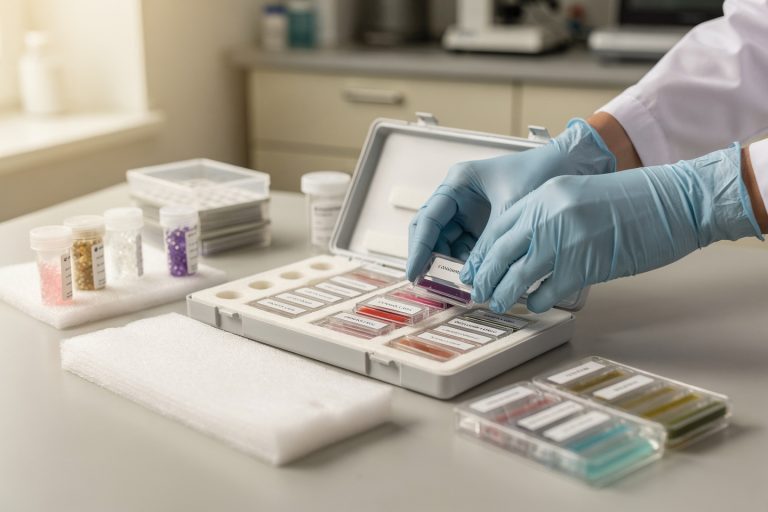
A pathology second opinion cost is the fee charged when another pathologist reviews a diagnosis, usually by examining the original tissue materials and the written pathology report. This is not the same as a routine office visit. The pathologist may need to review multiple glass slides, read the original report, correlate the findings with the patient’s history, and write a new opinion that the treating doctor can use.
A helpful analogy is a legal document review. If someone reads one simple page, the work is limited. If someone reviews a thick file, compares evidence, checks technical details, and writes a formal opinion, the time and expertise involved are greater. A pathology report review works in a similar way, especially when the diagnosis is rare, borderline, or could affect surgery, chemotherapy, radiation, or follow-up.
The second opinion fee may be a flat fee, an hourly fee, or a case-based fee. Some reviews are straightforward, such as confirming a common benign diagnosis. Others require expert pathology review by a subspecialist, such as a breast, prostate, lung, gastrointestinal, skin, or gynecologic pathologist. For patients still learning what a pathology report contains, this article on what a pathology report is can help explain the starting point before a review is requested.
Why Prices Differ From One Case to Another

The cost varies because pathology cases vary. A small skin biopsy with one diagnosis may require fewer resources than a cancer resection with many tissue blocks, margins, lymph nodes, and tumor measurements. When the pathologist receives glass slides, each slide has to be matched to the original report and interpreted carefully. If there are many glass slides, the review takes more time.
Some cases also need special stains. Special stains are laboratory techniques that highlight certain organisms, proteins, tissue structures, or diagnostic patterns. For example, a stain may help separate inflammation from infection, or one tumor type from another. These tests add cost because they require laboratory supplies, trained staff, quality controls, and a pathologist’s interpretation.
Another factor is molecular testing. Molecular testing looks for genetic or molecular changes in tumor cells, and it can be essential in some cancers. It may help identify a targetable mutation, refine a diagnosis, or support a treatment decision. Insurance coverage can affect whether molecular testing is paid by the health plan, billed separately, or offered as an out-of-pocket service. A pathology report review may also be more expensive if the second pathologist needs clinical records, imaging summaries, prior biopsy results, or treatment history to give a responsible opinion.
When the Expense May Be Worth Discussing
The cost is important enough to ask about clearly, but it should not automatically stop patients from getting help. The financial concern is real, especially when a person is already facing medical bills, time away from work, and emotional stress. At the same time, the value of a second opinion can be high when the diagnosis is uncertain, rare, unexpected, or treatment-changing. The question is not only what the review costs, but what decision the review may influence.
A limited case review may be relatively modest, while complex cancer cases may be more expensive. A case may cost more if it requires expert pathology review, extra levels, special stains, molecular testing, or comparison with prior specimens. Insurance coverage may reduce out-of-pocket cost, but many independent reviews require payment before the work begins. If the diagnosis could change surgery, chemotherapy, radiation, or surveillance, the review may be worth discussing even if the fee feels uncomfortable.
There are also times when another opinion may be less urgent. If the diagnosis is clearly benign, the findings match the clinical picture, and treatment would not change, a patient may choose to ask the doctor whether another review is necessary. If there is disagreement between doctors, unusual wording in the report, or a diagnosis that feels out of proportion to the symptoms, a second opinion becomes more meaningful. More information about timing is available in this article on when you should get a second pathology opinion.
What Happens Before and After the Review

Before paying, patients should ask what is included. A transparent second opinion process should explain whether the fee includes only the written pathology report review, review of glass slides, a formal letter, discussion with the treating physician, or recommendations for additional testing. Some services charge separately if special stains or molecular testing are needed. Others will contact the patient before adding tests that increase the cost.
The doctor or consulting pathologist may ask the original hospital to send slides, tissue blocks, or digital images. Tissue blocks are small pieces of preserved tissue embedded in wax, and they may be needed if new stains are requested. Insurance coverage may depend on whether the review is ordered by the treating doctor, performed at an in-network institution, or considered medically necessary. For patients unsure how to start, this article on how to get a second opinion on your pathology diagnosis walks through the practical steps.
After the review, the patient should receive a written conclusion. The second pathologist may agree with the original diagnosis, refine it, add details, recommend more testing, or, rarely, disagree in a way that changes management. An expert pathology review is most useful when it answers a specific clinical question, not just when it repeats the same words. The cost is easier to judge when the exact question the review is meant to answer is clear.
Questions to Ask a Doctor or Pathologist

- What exactly is included in the second opinion fee?
- Will the pathologist review the original glass slides, the full pathology report, or both?
- Could this pathology report review change my diagnosis, stage, grade, margins, or treatment plan?
- Will special stains or molecular testing cost extra?
- Does my insurance coverage apply if this review is done outside my hospital system?
- Is an expert pathology review recommended for my specific diagnosis?
- How long will the review take, and who will explain the final result to me?
These questions are not pushy. They are reasonable, practical, and protective. A good medical team should be able to explain why a second opinion is being suggested and how it may affect the next step.
If the wording in a report feels overwhelming, patients may want to read how to read your pathology report with confidence. Understanding the report can help a patient decide whether the cost of another review makes sense for the situation. A patient does not have to become a pathologist. Only enough clarity to ask the right questions is needed.
Frequently Asked Questions
How much does a pathology second opinion cost?
The price can range from a simple review fee to a higher charge for a complex case. It depends on the number of slides, the diagnosis, whether a subspecialist is needed, and whether extra testing is added. Some hospitals bill insurance, while some independent consultants request direct payment. Patients should always ask for a written estimate before the review begins.
Why is a pathology second opinion so expensive?
The fee can feel high because the work is highly specialized. The pathologist may examine glass slides under a microscope, review the original report, compare clinical details, and decide whether special stains or molecular testing are needed. The charge reflects time, expertise, laboratory handling, and formal documentation. The most valuable reviews are careful, not rushed.
Will insurance pay for a pathology second opinion?
Coverage varies by insurance plan, medical necessity, network status, and who orders the review. Some plans pay when the request comes from the treating physician, especially for cancer diagnoses or major surgery decisions. Other plans may treat the review as out-of-network or patient-requested. Patients should call the insurer and ask specifically about pathology consultation benefits.
Is a second pathology opinion worth it?
A second opinion may be worth it when the diagnosis is rare, uncertain, unexpected, or likely to change treatment. The cost should be weighed against what the result may influence, such as surgery, chemotherapy, radiation, or long-term surveillance. If the review confirms the original diagnosis, that can still provide peace of mind. If it changes the diagnosis, the value may be substantial.
Can I get a pathology second opinion without my doctor?
In some settings, a patient can request a review directly, but many institutions prefer or require coordination through the treating doctor. The doctor can help request the slides, provide clinical history, and use the final report in the care plan. A pathology report review is strongest when the pathologist has the right materials and context. Patients should ask the reviewing service what documents and permissions are required.
When cost is part of the fear, clarity is a form of care. Patients deserve to know what is being reviewed, why it matters, and whether the price matches the clinical value. Honest Pathology consultations are available for patients who want a plain-language explanation of a report and help deciding what questions to ask next.
References:
National Cancer Institute — Pathology Reports
National Cancer Institute — Finding a Doctor or Treatment Facility
NCI Dictionary of Cancer Terms — Second Opinion