Worried a diagnosis could be wrong? A pathology second opinion can confirm, refine, or change findings through expert review.
Pathology second opinion accuracy is usually high when the original slides, report, and clinical details are reviewed by a qualified pathologist with the right subspecialty experience. A second opinion is not a criticism of the first pathologist; it is a safety check in a field where small details can change treatment. Patients often seek this review after a cancer diagnosis, an unusual biopsy result, or a report that contains language that feels uncertain.
Receiving a pathology report can make a person feel as if life has suddenly been reduced to unfamiliar words on a page. That reaction is understandable. A careful review can bring clarity, confirm the diagnosis, refine the wording, or occasionally change the diagnosis in a meaningful way. The goal is not to create doubt, but to make sure that the treatment plan rests on the best possible interpretation of the tissue.
What Pathology Second Opinion Accuracy Really Means
Pathology second opinion accuracy refers to how reliably a reviewing pathologist can confirm, refine, or correct the original diagnosis. In practical terms, the process compares the first interpretation with a fresh evaluation of the same tissue, often using the same glass slides, special stains, and clinical history. A second pathology opinion is most accurate when the reviewer has enough material and the question being asked is specific. For example, a review for tumor type, grade, margin status, or invasion can be much stronger than a vague request to simply look again.
A helpful analogy is a complex photograph with many layers. One trained viewer may see the central image correctly, while another may notice a shadow, border, or pattern that changes the interpretation. In pathology, those details may include cell shape, tissue architecture, mitotic activity, necrosis, or invasion into nearby structures. A pathology report review brings these details back into focus and checks whether the words in the report match what is seen under the microscope. When needed, an expert pathology review may also recommend additional stains or molecular tests.
Accuracy also depends on the type of case. Some diagnoses have very high diagnostic agreement because the microscopic features are classic and reproducible. Other cases, such as borderline tumors, rare cancers, dysplasia, soft tissue tumors, lymphomas, and some skin or gynecologic lesions, may have a higher discordance rate. That does not mean pathology is unreliable. It means certain tissue patterns naturally require more specialized judgment, and a subspecialty pathologist can add value in those settings.
What a Second Pathology Opinion Involves

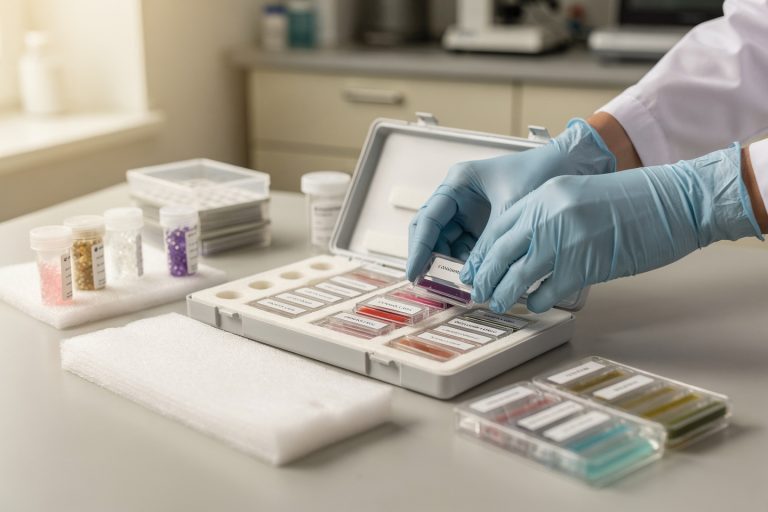
A second pathology opinion usually begins with collection of the original pathology report, glass slides, tissue blocks when available, and relevant clinical information. The reviewer studies the same material that led to the first diagnosis and asks whether the findings support the reported conclusion. This is different from repeating a blood test, because the tissue itself is being reinterpreted rather than recollected. A pathology report review may also include checking whether the report contains all required elements for staging, grading, and treatment planning.
The reviewing pathologist often starts with the diagnosis line, but the deeper work is in the details. Tumor size, margins, lymphovascular invasion, perineural invasion, depth of invasion, grade, and biomarker results may all matter. In cancer cases, even a small wording change can affect surgery, radiation, chemotherapy, targeted therapy, or surveillance. An expert pathology review may identify a diagnostic discrepancy, but it may also confirm the original diagnosis and strengthen confidence before treatment begins. Confirmation can be just as valuable as a change.
Additional tools may be used when the microscopic appearance alone is not enough. Immunohistochemistry can help identify cell type, molecular testing can detect treatment-related mutations, and special stains can highlight organisms, mucin, iron, or other tissue features. These tests do not replace the pathologist’s judgment; they add evidence to the overall interpretation. Patients who want to understand the starting document may benefit from reading what a pathology report is before requesting review. A clearer understanding of the report often makes the second opinion process feel less mysterious.
How Reliable Is a Pathology Second Opinion?
Pathology second opinion accuracy is generally strongest when the review is performed by a pathologist who regularly diagnoses that exact type of tissue or disease. A breast pathologist, dermatopathologist, hematopathologist, gastrointestinal pathologist, or gynecologic pathologist may notice features that a general pathologist sees less often. This is especially relevant for rare tumors, borderline lesions, unusual immunostain patterns, or cases where the first report uses cautious wording. In those situations, a subspecialty pathologist can reduce uncertainty and improve diagnostic agreement. The review is a focused medical evaluation, not a casual reread.
Pathology second opinion accuracy should also be understood in context. Many second opinions confirm the original diagnosis, which means the first interpretation and the review are aligned. Some reviews make smaller refinements, such as changing tumor grade, clarifying margin status, adding a missing synoptic element, or recommending another test. A smaller percentage identify a major diagnostic discrepancy that could change treatment. The exact discordance rate varies by organ system, diagnosis type, referral setting, and whether the case was already considered difficult.
For patients, the most reassuring point is that a second opinion is designed to catch the cases where accuracy matters most. A diagnosis that is common and straightforward may be confirmed quickly. A diagnosis that is rare, borderline, or treatment-changing may receive a more detailed review, sometimes with added stains or consultation among multiple pathologists. Pathology second opinion accuracy is not a promise that every answer will be simple. It is a structured way to make the answer as reliable as the available tissue and medical evidence allow.
Why Second Opinions May Confirm or Change a Diagnosis

Agreement is common when the tissue pattern is classic and the original report includes the necessary clinical information. In those cases, diagnostic agreement gives the treating team more confidence that surgery, oncology treatment, or surveillance is based on a firm diagnosis. This kind of agreement can calm understandable fear because the result has been independently checked. A second pathology opinion may also confirm that no further testing is needed. That confirmation can help prevent unnecessary delays.
Refinement is also common and can be clinically meaningful. A pathology report review may clarify whether a lesion is invasive or in situ, low grade or high grade, completely excised or close to a margin. It may add missing information that helps the surgeon, oncologist, or radiation oncologist plan care. An expert pathology review may also recommend immunohistochemistry or molecular testing if the original workup did not fully answer the clinical question. Refinement does not always mean the first report was wrong; it often means the second review adds precision.
A change in diagnosis is less common, but it is the reason many patients seek review. A diagnostic discrepancy may occur because the sample is tiny, the tumor is rare, the findings overlap with another condition, or the clinical history was incomplete at the time of the first report. Some lesions sit on a true gray zone, where expert pathologists may use different thresholds. In those cases, the final wording may reflect the best-supported interpretation rather than absolute certainty. Resources such as when to get a second pathology opinion can help patients decide whether a review is worth pursuing before treatment begins.
What Happens After the Review

After the review, the patient and treating doctor usually receive a written consultation report. This report may state that the original diagnosis is confirmed, revised, or cannot be fully assessed because material is limited. If pathology second opinion accuracy is affected by missing slides, missing tissue blocks, or absent clinical history, the report should make that limitation clear. The best reports explain not only the final diagnosis, but also the reasoning behind it. This makes the conclusion easier for the clinical team to act on.
If the second opinion confirms the diagnosis, treatment can often move forward with greater confidence. If the second opinion refines the diagnosis, the care plan may be adjusted rather than completely changed. If a major diagnostic discrepancy is found, the treating team may discuss the case in a tumor board, order additional tests, or seek another subspecialty consultation. Diagnostic agreement and disagreement both need careful communication. The most useful question is how the review affects management.
Patients do not need to interpret the review alone. The treating physician can compare the original report with the consultation report and explain whether the difference changes staging, prognosis, surgery, medication, radiation, or follow-up. A practical step-by-step overview is available in how to get a second opinion on a pathology diagnosis. Patients who are still learning the terminology may also find understanding a pathology report helpful before the appointment. Clear questions often lead to clearer answers.
Questions Patients Can Ask Their Doctor or Pathologist
- Was the second pathology opinion performed by a subspecialty pathologist for this organ system or tumor type?
- Did the pathology report review include all original slides, tissue blocks, special stains, and molecular results?
- Does the reviewing pathologist fully agree with the original diagnosis, or is there a diagnostic discrepancy?
- If there is a difference, does it change treatment, staging, prognosis, or follow-up?
- Are any additional stains, molecular tests, or outside records needed to improve certainty?
- Is the diagnosis considered straightforward, rare, borderline, or difficult to classify?
- Should the case be reviewed at a multidisciplinary tumor board before treatment begins?
These questions help move the conversation from fear to decision-making. A second opinion is most helpful when it answers a specific clinical concern, such as whether a cancer is invasive, whether margins are clear, or whether a biomarker result supports a certain therapy. An expert pathology review can also identify when the available tissue is too limited for a confident answer. In those situations, the next step may involve more records, more testing, or occasionally another biopsy.
Patients often feel uneasy asking for review, but second opinions are a normal part of medical care. Pathologists are accustomed to having difficult cases reviewed, especially when treatment decisions are serious. The purpose is accuracy, clarity, and patient safety. A well-organized request, with the original report and slides, gives the reviewer the best chance to provide a useful answer.
Frequently asked questions
How accurate are pathology second opinions?
Pathology second opinion accuracy is usually high when the reviewer has the original slides, complete report, and relevant clinical details. Accuracy is even stronger when a subspecialty pathologist reviews a case within that pathologist’s area of expertise. Some reviews confirm the original diagnosis, while others refine or change a key detail. The most meaningful measure is whether the review affects treatment decisions.
Can a second pathology opinion change my diagnosis?
A second pathology opinion can change a diagnosis, although major changes are not the most common outcome. More often, the review confirms the original diagnosis or adjusts details such as grade, margins, invasion, or recommended additional testing. A diagnostic discrepancy is more likely in rare tumors, borderline lesions, small biopsies, and cases with overlapping features. Any change should be discussed with the treating doctor in terms of management.
Does a confirmed second opinion mean the first report was definitely right?
A confirmed review means that the reviewing pathologist agrees with the original interpretation based on the available material. This creates diagnostic agreement and usually increases confidence in the treatment plan. Medicine still depends on the quality of the sample, the clinical context, and the limits of current testing. Confirmation is valuable because it shows that an independent expert reached the same conclusion.
What makes pathology second opinion accuracy better?
Pathology second opinion accuracy improves when the reviewer receives all original slides, tissue blocks, special stains, molecular results, and clinical information. It also improves when the case is reviewed by a pathologist who specializes in that disease area. Clear clinical questions help focus the review on the decision that matters most. Missing material or incomplete history can limit how definite the opinion can be.
Is it worth getting a second opinion before cancer treatment?
A second opinion is often worth considering before major cancer treatment, especially when the diagnosis is rare, unexpected, borderline, or likely to determine surgery or systemic therapy. Many reviews do not change the diagnosis, but they can still provide reassurance. When a review does change the diagnosis or key details, the effect on treatment can be significant. The treating team can help decide whether review should happen before therapy begins.
A second opinion can replace confusion with a clearer path forward. Pathology second opinion accuracy depends on the right material, the right expertise, and careful communication between the pathologist and treating team. Honest Pathology consultations can help patients and families understand whether a report would benefit from expert review and what questions should be asked next.
References:
National Cancer Institute — Pathology Reports Fact Sheet
National Cancer Institute — Definition of Second Opinion
National Cancer Institute — Definition of Pathologist