A scary diagnosis can make a pathology report second opinion feel urgent. Learn when to ask, what gets reviewed, and your next step.
A diagnosis can feel heavier when it comes from a pathology report, especially when the words point to cancer, precancer, or an uncertain result. Although many reports are clear and reliable, some situations benefit from another expert review of the slides, report, and clinical information before major treatment decisions are made.
When biopsy results mention cancer, precancer, margins, grade, or uncertainty, feeling scared does not mean a patient is overreacting. It means the information matters. The goal is to help patients understand when a diagnosis review is reasonable, what it can clarify, and how to ask for it without feeling difficult or distrustful.
What a Second Pathology Review Involves

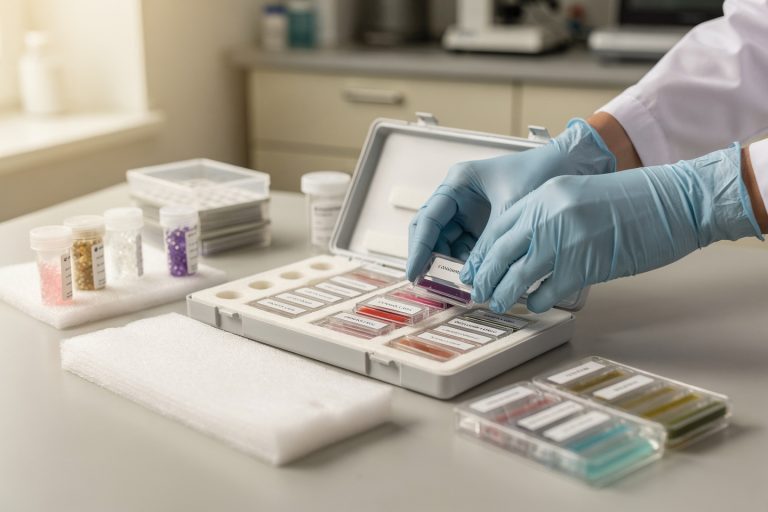
A pathology report second opinion means another qualified pathologist reviews the original material behind the diagnosis. That usually includes glass slides, tissue blocks if needed, the written pathology report, and the clinical details the doctor provided. Think of it like having an expert mechanic inspect the engine before replacing the whole transmission. The first pathologist may have done careful work, but a diagnosis review can confirm the finding or refine details that affect care.
Pathology is not simply reading words on a page. A pathologist looks at tissue under the microscope and connects what the cells look like with where the sample came from, how it was collected, and what the doctors are concerned about. For patients still learning the basics, What Is a Pathology Report? explains the main parts of the report in patient-friendly language. For many biopsy results, the second opinion confirms the original diagnosis and provides more confidence moving forward.
A review becomes especially helpful when the result is rare, borderline, unexpected, or treatment-changing. Examples include a new cancer diagnosis, an unusual tumor type, a high-risk precancer, a surprising benign result despite suspicious imaging, or wording such as atypical, suspicious, cannot exclude, or indeterminate. In these situations, the goal is not to prove someone wrong. The goal is to make sure the diagnosis, tumor grade, and next steps rest on the strongest possible information.
Why Some Biopsy Results Need Another Set of Eyes

A report may raise the question of another review because tissue diagnosis has several layers. The pathologist first identifies the type of tissue and whether the cells look benign, precancerous, inflammatory, infectious, or malignant. Then the pathologist may assess tumor grade, margin status, lymphovascular invasion, and other features that guide treatment. If the tissue sample is tiny, crushed, inflamed, or partly treated, those features can be harder to judge.
Some biopsy results are naturally more complex than others. Breast, prostate, lung, gynecologic, skin, soft tissue, blood, and gastrointestinal biopsies can include patterns that overlap under the microscope. Molecular testing can add another layer by looking for gene changes, mutations, or biomarkers that help classify a tumor or predict treatment response. When molecular testing does not fit neatly with the microscope findings, a diagnosis review can help reconcile the whole picture.
The clinical story matters too. If imaging strongly suggests cancer but the pathology report says benign tissue only, the question may be whether the biopsy sampled the right area. If a cancer diagnosis names a rare subtype, the oncologist may want confirmation before recommending chemotherapy, immunotherapy, radiation, or surgery. If margin status is close or positive, a surgeon may use that information to decide whether more tissue should be removed. These are common reasons patients and doctors ask for another review of biopsy results.
When a Review Can Affect Treatment Decisions
A second review is serious in the sense that it can affect real treatment decisions, but needing one does not automatically mean something went wrong. Many second opinions confirm the original pathology report. That confirmation can still be valuable because it gives the patient and care team confidence before surgery, radiation, chemotherapy, hormonal therapy, or long-term monitoring. A diagnosis review is often about certainty, not conflict.
The most important situations are those where the diagnosis could change the entire plan. For example, the difference between benign and malignant, in situ and invasive cancer, low-grade and high-grade tumor grade, or negative and positive margin status can matter a great deal. A pathology report second opinion may also be urgent when treatment is about to begin, especially for a new cancer diagnosis. If the doctor says treatment can safely wait a few days for review, that is often time well spent.
There are also less urgent situations where another expert opinion is still reasonable. A small skin biopsy with unclear wording, a precancerous colon polyp with unusual features, or a gynecologic biopsy called atypical may benefit from expert review before major decisions. If a report contains terms that are difficult to understand, Understanding Your Pathology Report can help identify which parts to ask about. The key question is not whether a patient is allowed to ask; patients are. The key question is how much the answer might change what happens next.
What Happens After the Slides Are Reviewed

When a patient asks for a pathology report second opinion, the doctor or the consulting pathologist usually requests the original slides from the laboratory that made the diagnosis. In many cases, the original lab sends glass slides and sometimes tissue blocks to the reviewing institution. The reviewer studies the material, compares it with the written pathology report, and may recommend additional stains or molecular testing. The final opinion is then sent back to the treating doctor.
What happens after the diagnosis review depends on the result. If the second opinion agrees with the original biopsy results, the care plan usually continues with more confidence. If the review changes the diagnosis, tumor grade, margin status, or biomarker interpretation, the doctor may adjust surgery, imaging, medications, or follow-up. For a cancer diagnosis, even a small wording change can sometimes affect staging or treatment intensity.
Patients can also ask practical questions about timing. Most reviews take days rather than weeks, but the timeline depends on slide transfer, tissue availability, extra stains, and molecular testing. For step-by-step help with the process, How to Get a Second Opinion on Your Pathology Diagnosis explains it. For patients unsure whether a specific report qualifies, When Should You Get a Second Pathology Opinion? gives additional examples.
Questions That Can Clarify the Need for Review

When patients feel overwhelmed, specific questions can turn a frightening conversation into a clearer plan. A patient does not need to know all the medical terms before asking. It can help to bring the pathology report, imaging reports, operative notes if available, and a list of concerns. These questions are designed to help clarify whether another pathology review could change care.
- Could any part of my diagnosis change if another pathologist reviewed the slides?
- Is this biopsy result straightforward, borderline, rare, or difficult to classify?
- Does my treatment plan depend on tumor grade, margin status, or invasion?
- Were special stains, immunohistochemistry, or molecular testing performed?
- Do my imaging findings match the pathology report?
- How quickly can the slides be sent for a diagnosis review?
- Will insurance cover the second opinion, and who should request the slides?
When a doctor welcomes these questions, that is a good sign. Most thoughtful clinicians understand that patients want confidence before life-changing treatment. Asking for a second opinion does not mean a patient is accusing anyone of poor work. It means the biopsy results are being taken seriously.
Patients can also ask whether the case should go to a subspecialty pathologist. Some diagnoses are best reviewed by someone who focuses on breast pathology, gynecologic pathology, dermatopathology, bone and soft tissue pathology, hematopathology, or gastrointestinal pathology. A focused expert can sometimes clarify wording that general reports leave cautious. That clarity can help everyone on the care team speak from the same page.
Frequently Asked Questions
How do I know if I need a second opinion on my pathology report?
A second opinion may be worth considering when the diagnosis is rare, unexpected, borderline, or likely to affect treatment choices. Words such as atypical, suspicious, indeterminate, cannot exclude, high-grade, invasive, or positive margin are reasonable reasons to ask more questions. A review may also help when imaging findings and biopsy results do not seem to match.
Can a pathology report be wrong?
Yes. Although most pathology reports are accurate, a report can be incorrect, incomplete, or limited by the tissue sample. Diagnosis depends on tissue quality, sampling, microscopic interpretation, special stains, and clinical context. Another review may confirm the original result, provide a more specific diagnosis, or identify a difference that matters for care.
Will asking for a second opinion offend my doctor?
Most doctors are not offended by this request. Many oncologists, surgeons, and pathologists request additional review themselves when biopsy results are complex or treatment-changing. Patients can frame the request as a way to feel confident before making important decisions. A respectful question is appropriate when health decisions depend on the answer.
How long does a pathology second opinion take?
Many pathology second opinions take several business days after the reviewing pathologist receives the slides. The process can take longer if tissue blocks must be sent, extra stains are needed, or molecular testing is requested. To reduce delays, patients can ask the original laboratory how slides are released and where they should be shipped. The treating doctor can often help coordinate the request.
Can a second opinion change my cancer diagnosis?
Yes, it can sometimes change a cancer diagnosis, although many reviews confirm the original result. Differences may involve tumor type, tumor grade, invasion, margin status, or biomarker interpretation. This kind of review is especially helpful when treatment choices depend on those details. Even confirmation can bring relief because the plan is based on a careful second look.
When a report has left a patient anxious, wanting clarity is not a weakness. It is a natural response to medical information that may affect the body, treatment, and future. Honest Pathology consultations are available when a patient wants a pathologist to explain the report in plain language and help decide whether a second opinion makes sense.
References:
National Cancer Institute — Pathology Reports
National Cancer Institute — Finding a Doctor or Treatment Facility
NCI Dictionary of Cancer Terms — Second Opinion