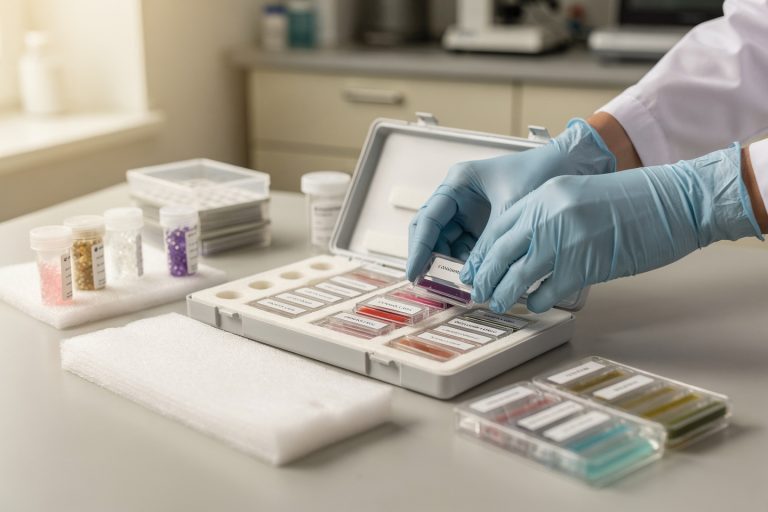
A new diagnosis can feel overwhelming. A pathology consultation can clarify the report, reduce confusion, and guide the next questions.
Pathology Consultation Diagnosis can help clarify what a pathology report means, whether the wording fits the biopsy findings, and what questions may need follow-up. A consultation is a focused expert review of the diagnosis, the pathology report, and often the original microscope slides or digital images. It does not replace the treating doctor, but it can make the medical picture easier to understand.
Receiving a biopsy result can feel like being handed a map written in another language. Words such as atypical, suspicious, invasive, grade, margin, biomarker, or differential diagnosis can sound frightening before anyone explains them. A pathology consultation can slow that moment down, translate the report into plain language, and help patients and families prepare for the next appointment with more confidence.
What a Pathology Consultation Means
A Pathology Consultation Diagnosis is an expert interpretation of existing pathology information, usually performed by a pathologist who reviews the report and, when available, the original biopsy slides. The goal is not simply to repeat the wording already printed on the report. The goal is to explain what the findings mean, how confident the diagnosis appears, and whether anything else should be checked. This process can be especially helpful when a report uses technical language or when the diagnosis carries major treatment consequences.
A helpful analogy is a complex photograph taken through a microscope. The first pathologist identifies the main image and writes the official report. A consultation asks another trained expert to study the same image, confirm the pattern, and explain the details in language that makes sense. A pathology report review may focus on the diagnosis, tumor type, grade, margin status, special stains, molecular tests, or comments that seem unclear. When biopsy slides are reviewed directly, the consultation can also assess whether the tissue findings support the written conclusion.
Some consultations are primarily educational, meaning the diagnosis is not expected to change but needs clearer explanation. Other consultations are closer to a formal second look, especially when diagnostic uncertainty remains. A medical records review may include the pathology report, operative notes, imaging summaries, laboratory results, and oncology notes so the tissue findings can be placed in clinical context. Patients can learn more about the basic structure of reports through what a pathology report contains, because understanding the format often makes the consultation more useful.
When a Consultation Matters Most

A consultation is most valuable when the diagnosis is rare, unexpected, borderline, or linked to several possible treatment paths. Examples include unusual tumors, unclear biopsy results, conflicting opinions between doctors, or reports that use terms such as cannot exclude, suspicious for, atypical, or favor. These phrases often reflect diagnostic uncertainty, not carelessness. Pathologists use them when the tissue pattern has real findings but does not fit perfectly into one category.
In cancer cases, a cancer diagnosis review may look at the tumor type, grade, stage-related details, margins, lymphovascular invasion, and biomarker results. These details can affect whether surgery, radiation, chemotherapy, immunotherapy, targeted therapy, or observation is recommended. A second pathology opinion is often considered when treatment would be aggressive, life-changing, or based heavily on small tissue samples. A careful review of biopsy slides may confirm the original diagnosis, refine it, or occasionally identify a different category with different treatment implications.
Consultation can also help when the report seems technically correct but emotionally impossible to absorb. Many patients read the final diagnosis line first and then feel unable to process the rest. A pathology report review can separate the most important findings from background details. For patients who want step-by-step help before requesting a formal outside review, guidance on getting a second opinion can explain how reports, slides, and records are usually requested.
How a Pathology Consultation Helps Clarify Diagnosis

Pathology Consultation Diagnosis can be very helpful, but the most realistic expectation is clarity first and change second. Most consultations confirm the original final diagnosis while explaining the language, confidence level, and next questions in a way that reduces confusion. That confirmation can still be powerful because patients often need to know that the diagnosis has been carefully checked. When the diagnosis is confirmed, the consultation may help patients move forward with treatment planning instead of feeling stuck in doubt.
Pathology Consultation Diagnosis may be more likely to change or refine a diagnosis when the case involves rare cancer types, borderline lesions, small biopsies, unusual immunohistochemistry results, or overlapping disease patterns. In these situations, a second pathology opinion can sometimes adjust tumor subtype, grade, margin interpretation, or the need for additional testing. The review may also recommend extra stains, molecular testing, or correlation with imaging and clinical findings. The seriousness depends less on the word consultation and more on what is being reviewed, how much tissue is available, and whether treatment decisions hinge on the result.
A cancer diagnosis review should be taken especially seriously when surgery, chemotherapy, radiation, or lifelong surveillance depends on a single phrase in the report. At the same time, seeking a consultation does not mean that the first pathologist made a mistake. Pathology is a medical specialty built on pattern recognition, probability, and clinicopathologic correlation, and some patterns are genuinely difficult. When diagnostic uncertainty is present, an expert review can help define what is known, what remains uncertain, and what information would make the diagnosis stronger. More detail about when a second review makes sense is available in this second pathology opinion patient guide.
What Happens During the Review Process
During a consultation, the pathologist usually begins with the written report and the clinical question. The question may be simple, such as whether the diagnosis is cancer, or more detailed, such as whether the tumor type supports a specific treatment. A medical records review can provide essential context, because tissue findings often make the most sense when compared with the patient’s history, imaging, prior biopsies, and procedure notes. The report alone may not show why the biopsy was performed or what the treating doctor was trying to rule out.
If biopsy slides are available, the consultant examines the actual tissue under the microscope or reviews scanned digital slides. This step can confirm whether the microscopic findings match the final diagnosis. The pathologist may also review special stains, immunohistochemistry, molecular test results, and margin measurements. If the available material is limited, the consultation may say that the diagnosis is favored but not absolute, which is another way of expressing diagnostic uncertainty honestly.
The result of the consultation may be a written summary, a verbal explanation, or both, depending on the service and clinical setting. A pathology report review may state that the original diagnosis is confirmed, that the diagnosis should be refined, or that additional testing is recommended. A second pathology opinion may then be shared with the treating physician so the care team can decide what changes, if any, are needed. Patients who want help reading the original document before or after a consultation may find this explanation of how to read a pathology report useful.
Questions to Ask the Doctor or Pathologist

Specific questions make a consultation more useful. The best questions focus on what the diagnosis means, how certain it is, and whether the information is complete enough for treatment planning. Helpful questions include:
- What exact diagnosis is being confirmed or questioned?
- Was the original final diagnosis based on a biopsy, surgical specimen, cytology sample, or another type of tissue?
- Were the biopsy slides reviewed directly, or was the consultation based only on the written report?
- Is there any diagnostic uncertainty in the report, and what causes it?
- Would a second pathology opinion be useful before treatment begins?
- Are additional stains, molecular tests, or a medical records review recommended?
- Could the cancer diagnosis review affect surgery, radiation, chemotherapy, immunotherapy, or surveillance?
These questions are not meant to challenge the care team. They help make sure the diagnosis, supporting evidence, and next steps are understood before major decisions are made. A clear question often leads to a clearer answer, especially when several medical specialists are involved.
A consultation can also help caregivers. Family members often hear different pieces of information from surgery, oncology, radiology, and pathology, then try to assemble them under stress. A pathology consultation can connect those pieces and explain which details in the report are central to care planning.
Frequently Asked Questions
Can a pathology consultation change my diagnosis?
Pathology Consultation Diagnosis can sometimes change a diagnosis, but more often it confirms and clarifies the original report. Changes are more likely in rare tumors, borderline lesions, small biopsy samples, or cases with overlapping features. Even when the diagnosis does not change, the consultation can explain the level of certainty and whether more testing would help. That information can be valuable before treatment decisions are finalized.
Is a pathology consultation the same as a second opinion?
A pathology consultation and a second pathology opinion overlap, but they are not always identical. A consultation may focus on explaining the report, while a second opinion may formally re-evaluate the diagnosis using slides and records. In practice, many consultations include both education and diagnostic review. The key is asking what materials were reviewed and what question the pathologist was asked to answer.
Do I need my biopsy slides for a consultation?
Biopsy slides are often the most helpful material for a diagnostic review because they show the actual tissue pattern. A pathology report review based only on the written report can still explain terminology and identify questions for the treating doctor. When the diagnosis is uncertain or treatment depends on fine details, slide review is usually stronger. The pathology department that processed the biopsy can usually explain how slides are requested.
Can a consultation help if the report already says cancer?
Yes. Pathology Consultation Diagnosis can help explain the cancer type, grade, margins, lymph node findings, biomarkers, and whether any wording needs clarification. A cancer diagnosis review may also identify whether additional testing is recommended before treatment. The purpose is not only to ask whether cancer is present, but also to understand what kind of cancer it is and how the report may guide care.
How long does a pathology consultation take?
Timing varies depending on how quickly records and slides are obtained, whether additional stains are needed, and how complex the case is. Some reviews are completed within days after all materials arrive, while complex cases may take longer. A medical records review can add time if outside hospitals, prior biopsies, or molecular reports must be gathered. Clear communication with the consultation service helps set realistic expectations.
A pathology consultation can turn a frightening report into a clearer medical conversation. It may confirm the diagnosis, refine the details, or identify the next best question. Honest Pathology consultations are designed to help patients and families understand pathology language with calm, expert, and practical explanations.
References:
National Cancer Institute — Pathology Reports
National Cancer Institute — Definition of Pathologist
National Cancer Institute — Definition of Second Opinion