Worried treatment may start too fast? A pathology consultation before treatment can confirm key details and guide better questions.
Pathology consultation before treatment can be a wise step when a diagnosis will guide surgery, chemotherapy, radiation, immunotherapy, or targeted therapy. A pathology report is often the foundation for the entire treatment plan because it names the disease, describes its features, and may include tests that predict which treatments are likely to help. When the diagnosis is complex, rare, unexpected, or life-changing, another expert review can reduce uncertainty before treatment begins.
Receiving a biopsy diagnosis can feel like being handed a map in an unfamiliar language. Patients may hear urgent words such as cancer, grade, invasion, margins, or biomarker testing, while still trying to absorb the emotional shock. A pathology consultation does not mean the first pathologist was careless or wrong. It means the diagnosis is important enough to confirm carefully, the same way a pilot checks instruments before takeoff.
A pathology report may look short, but it can contain decisions that affect months or years of care. A thoughtful pathology report review may help patients and families enter the oncology visit with clearer questions and fewer unknowns.
What a Pathology Consultation Before Treatment Involves
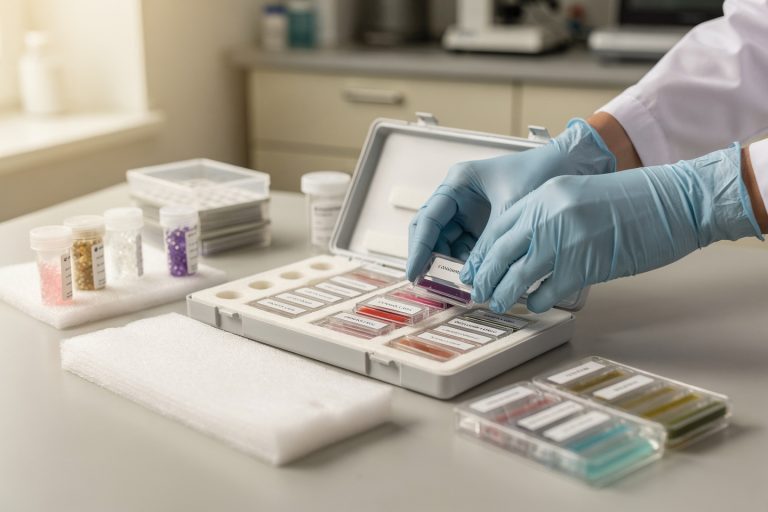
A pathology consultation is an expert review of the original biopsy or surgical specimen by another pathologist, often one with subspecialty experience in that organ system or tumor type. In many cases, the consulting pathologist examines the same glass slides that were used for the original diagnosis. This process is sometimes called a second pathology opinion, a diagnostic slide review, or an outside case review. The goal is not to create conflict, but to confirm the diagnosis, refine the wording, and identify details that may affect care.
Pathology consultation before treatment is especially useful when a diagnosis depends on subtle microscopic patterns. Under the microscope, some conditions can resemble one another, much like two similar houses on the same street. The difference may be small at first glance, but the address still matters because it determines where the treatment team goes next. A pathology report review can confirm whether the biopsy diagnosis is complete, whether additional stains are needed, and whether the final wording supports the planned therapy.
The review may include standard microscopy, comparison with the clinical history, immunohistochemistry, molecular results, and biomarker testing. If the tissue block is available, the consultant may request extra stains or additional sections. A diagnostic slide review may also confirm tumor type, tumor grading, margin status, or whether a sample is adequate for further testing. Patients preparing for a consultation may find it helpful to read how to understand a pathology report before meeting with the treating physician.
Why a Consultation May Be Requested Before Treatment

A second pathology opinion is most commonly requested when the diagnosis will strongly influence treatment. This includes suspected cancer, rare tumors, borderline lesions, unusual inflammatory conditions, and cases where the microscopic findings do not fully match the imaging or symptoms. A cancer treatment plan may change depending on whether a tumor is invasive or noninvasive, low grade or high grade, primary or metastatic. For that reason, the exact words in the pathology report can carry real treatment weight.
Pathologists look for patterns in cells, tissue architecture, invasion, necrosis, mitotic activity, and other microscopic clues. Tumor grading can help estimate how aggressive a tumor appears under the microscope, although grade is only one part of the full picture. Biomarker testing may identify hormone receptors, mismatch repair status, HER2 status, PD-L1 expression, or other markers depending on the cancer type. In some settings, biomarker testing can determine whether targeted therapy or immunotherapy is considered.
A diagnostic slide review may also be requested when the tissue sample is small, crushed, fragmented, or difficult to interpret. Some biopsies contain only a tiny piece of the lesion, so the biopsy diagnosis may include cautious language such as suspicious, atypical, cannot exclude, or consistent with. These phrases do not mean the report is useless; they mean the pathologist is being precise about what the tissue can and cannot prove. A pathology report review can clarify whether the uncertainty is due to limited tissue, overlapping disease patterns, or a need for additional testing.
When a Pathology Consultation Before Treatment Matters Most

Pathology consultation before treatment matters most when the treatment carries major risks, long-term effects, or irreversible consequences. Surgery that removes an organ, chemotherapy with significant toxicity, radiation to sensitive areas, and lifelong targeted therapy all depend on diagnostic accuracy. In those settings, confirming the diagnosis is not a delay for its own sake. It is a safety check before a major medical decision.
The value of Pathology consultation before treatment is highest when the diagnosis is rare, the report uses uncertain language, or the treatment team says the case is unusual. It may also matter when the original diagnosis was made at a smaller laboratory and the condition is typically managed at a specialized cancer center. A second pathology opinion can confirm tumor grading, resolve a difficult biopsy diagnosis, or recommend additional biomarker testing. Even when the final diagnosis does not change, the added confidence can help the oncology team move forward with a clearer cancer treatment plan.
Pathology consultation before treatment is not always necessary for every straightforward biopsy. Many diagnoses are common, clear, and well supported by the microscopic findings. The seriousness depends on what is being treated, how urgent treatment is, and whether the report contains features that could change management. When a diagnosis affects the type of operation, drug selection, radiation field, or eligibility for clinical trials, a consultation becomes much more than paperwork.
What Happens After the Review
After a pathology consultation, the consulting pathologist issues a written report that may agree with the original diagnosis, refine it, or occasionally change it. Agreement is still valuable because it confirms that the treatment team is building on solid ground. A refined diagnosis may add details such as subtype, tumor grading, margin interpretation, or recommended biomarker testing. A changed diagnosis can lead to a different cancer treatment plan, additional imaging, repeat biopsy, or a different specialist referral.
The timeline depends on where the slides are located, whether tissue blocks must be shipped, and whether extra tests are ordered. A routine diagnostic slide review may be completed in a few days once the material arrives. More complex cases can take longer, especially when molecular testing or outside records are needed. Patients can ask the treating physician whether treatment should wait for the final consultation report or whether it is safe to begin while the review is pending.
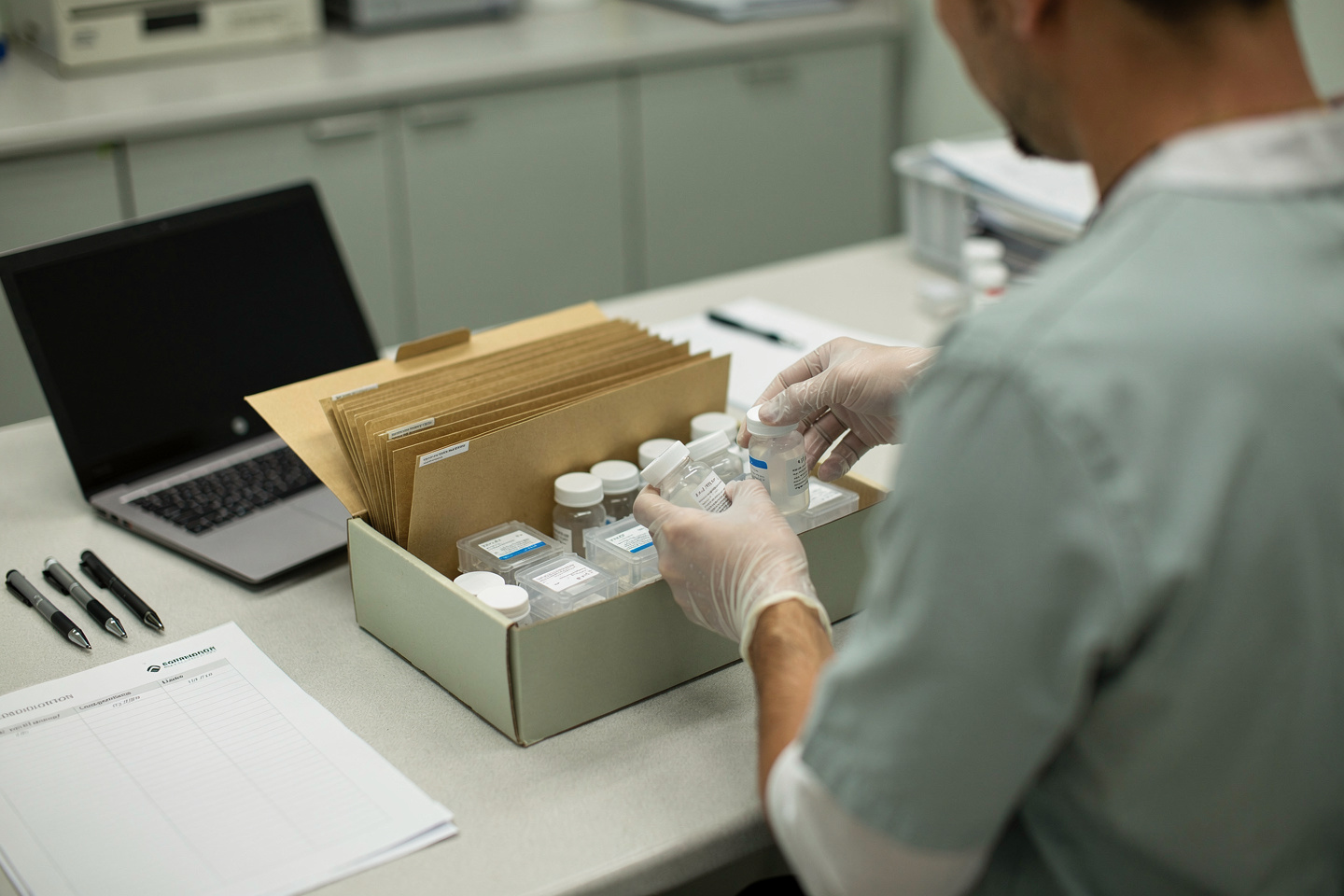
Practical coordination usually involves the treating physician, the original pathology laboratory, medical records staff, and the consulting pathology service. The original slides and tissue blocks are legal medical materials, and laboratories have established procedures for releasing them. A pathology report review should include the original report, operative notes if available, imaging summaries, and relevant clinical history. The guide on how to get a second opinion on a pathology diagnosis explains this process in patient-friendly terms.
Questions to Ask the Doctor or Pathologist

- Does the diagnosis in the pathology report fully explain the imaging findings and symptoms?
- Would a second pathology opinion be recommended before surgery, chemotherapy, radiation, or targeted therapy begins?
- Is the biopsy diagnosis definite, or does the report include uncertain language such as suspicious, atypical, or consistent with?
- Was tumor grading performed, and could the grade affect the cancer treatment plan?
- Is biomarker testing complete, pending, or recommended on the tissue sample?
- Would a diagnostic slide review by a subspecialty pathologist add useful information?
- If the pathology report review changes the diagnosis, how would treatment choices change?
These questions can make the consultation more focused and less overwhelming. A patient does not need to understand every microscopic detail to ask whether the diagnosis is certain, whether more testing is needed, and whether the treatment plan depends on a specific pathology feature.
A second review is especially reasonable when a patient feels that the diagnosis and treatment recommendation are moving faster than understanding. The article on when to get a second pathology opinion can help families decide whether consultation is appropriate before treatment starts. Clear communication between the oncology team and the consulting pathologist is often the best way to avoid unnecessary delay while still protecting diagnostic accuracy.
Frequently Asked Questions
Should I get a pathology consultation before cancer treatment?
Pathology consultation before treatment is most helpful when the diagnosis is rare, complex, uncertain, or linked to major treatment decisions. It can confirm whether the biopsy diagnosis supports the planned surgery, chemotherapy, radiation, or targeted therapy. Many straightforward cases do not require another review, but patients can still request one if reassurance is needed. The treating physician can help decide whether waiting for the consultation report is medically safe.
Can a second pathology opinion change my diagnosis?
A second pathology opinion can sometimes change the diagnosis, although many reviews confirm the original report. Changes may involve the tumor type, tumor grading, invasion status, margin interpretation, or need for biomarker testing. Even a small wording change can affect the cancer treatment plan in selected cases. When the diagnosis is unchanged, the review still provides added confidence before treatment begins.
Will a pathology consultation delay my treatment?
Pathology consultation before treatment may add time, but many reviews are completed quickly once slides and tissue blocks arrive. The most common delay comes from transferring materials between laboratories, not from the microscope review itself. In urgent situations, the oncology team may decide whether treatment can begin while part of the review is pending. The safest approach balances diagnostic confirmation with the medical need to start therapy promptly.
What materials are needed for a pathology report review?
A pathology report review usually needs the original pathology report, glass slides, and sometimes the tissue block. Clinical notes, imaging summaries, operative reports, and prior biopsy history can help the consulting pathologist interpret the findings accurately. If extra stains or molecular tests are needed, the tissue block may be required. A complete set of materials helps prevent incomplete or delayed conclusions.
Who should review my pathology slides?
The best reviewer is often a board-certified pathologist with experience in the specific organ system or disease type. For example, breast, prostate, lung, colon, skin, bone, soft tissue, blood, and gynecologic tumors may benefit from subspecialty expertise. A major academic center or dedicated consultation service may be appropriate for rare or difficult cases. The treating physician can help direct the diagnostic slide review to the right specialist.
A pathology consultation can bring order to a frightening moment by confirming what the tissue truly shows. Honest Pathology consultations are available for patients and families who need an expert pathology report review before major treatment decisions. Clarity before treatment can help the next step feel more grounded, informed, and safe.
References:
National Cancer Institute — Pathology Reports
National Cancer Institute — Definition of Second Opinion
National Cancer Institute — Definition of Pathologist