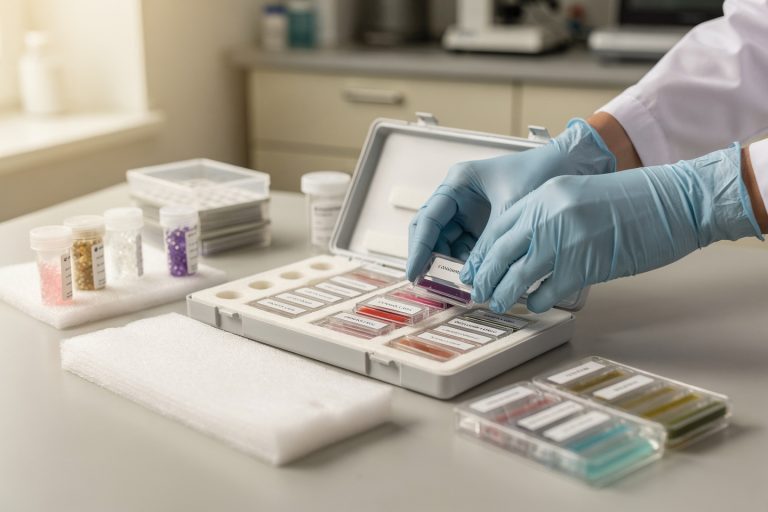
Confused by a pathology report? Learn what a pathologist can clarify during a consultation before the next visit.
Clear pathologist consultation questions can help a patient understand what a diagnosis means, what remains uncertain, and what information may affect treatment. A pathology consultation is not a replacement for an oncology, surgery, or primary care visit, but it can explain the medical language behind a pathology report. It can also identify whether a second pathology opinion, additional testing, or clinicopathologic correlation may be helpful.
Receiving biopsy results can feel like being handed a map written in another language. Words such as carcinoma, atypia, grade, margins, stains, and molecular testing may carry enormous emotional weight, even before a treatment plan exists. A thoughtful consultation can slow the process down, translate the findings, and separate what is known from what still needs clarification.
Many patients and caregivers worry that asking detailed questions may seem challenging or confrontational. In reality, careful questions often improve communication. Pathologists are trained to connect tissue findings with clinical meaning, and a focused conversation can make the next appointment feel less overwhelming.
Helpful Questions for a Clearer Pathology Review
The best pathologist consultation questions usually begin with the diagnosis itself. A patient may ask what the exact diagnosis means in plain language, whether the finding is benign, precancerous, malignant, inflammatory, infectious, or uncertain. The answer often depends on what was seen under the microscope, how much tissue was sampled, and whether the pattern matches the clinical history. A pathology report is like a detailed weather report for a tiny piece of tissue: It describes what is present, how strong the finding is, and whether conditions look calm, concerning, or incomplete.
A consultation can also clarify the level of certainty behind a diagnosis. Some cases are straightforward, while others include cautious phrases such as suspicious for, consistent with, favored, atypical, or cannot exclude. These words do not mean the pathologist was careless. They often reflect real limits in the tissue sample, overlapping appearances between conditions, or the need for immunohistochemistry stains, molecular testing, or comparison with prior slides.
Another useful category of pathologist consultation questions involves whether a diagnosis review could change clinical management. A second pathology opinion may confirm the original interpretation, refine the terminology, correct a classification, or recommend additional workup. Patients who want background before a consultation may benefit from reading what a pathology report is and how each section fits together. Clear preparation helps the discussion focus on the result that matters most, rather than every unfamiliar word at once.
What a Pathologist Can Clarify From a Report

A pathologist can explain the major parts of a pathology report, including the specimen type, microscopic description, final diagnosis, special studies, and comment section. For cancer cases, the consultation may discuss tumor grade, tumor type, invasion, margin status, lymphovascular invasion, and whether lymph nodes were involved. For non-cancer cases, the discussion may focus on inflammation, infection, autoimmune patterns, reactive changes, or whether the tissue sample was adequate. Biopsy results are interpreted in context, so the pathologist may also ask about imaging findings, endoscopy findings, blood tests, or previous diagnoses.
Several technical terms deserve careful explanation because they can affect treatment decisions. Tumor grade describes how abnormal the cancer cells look and often reflects how aggressively the tumor may behave, although it is only one part of risk assessment. Margin status describes whether abnormal cells are seen at the edge of a surgically removed specimen, which can influence whether more surgery, radiation, or observation is considered. Immunohistochemistry stains help identify cell type, tumor origin, hormone receptor status, mismatch repair proteins, and other features that may guide therapy.
A consultation can also explain what the report does not answer. A small biopsy may diagnose a tumor but may not show the full size, full depth of invasion, or final margin status. A pathology report may describe tissue findings but cannot always determine stage without imaging, surgery, lymph node evaluation, or clinical data. For patients trying to understand report structure before a discussion, understanding a pathology report with confidence can make medical language feel less mysterious.
When Pathology Questions Can Change the Next Step

Some pathologist consultation questions matter most when the diagnosis is rare, unexpected, borderline, or treatment-defining. Examples include unusual tumors, atypical lesions, precancerous findings, lymphoma workups, sarcoma diagnoses, melanoma measurements, and breast biomarkers. In these situations, a second pathology opinion may be considered because small wording differences can influence surgery, chemotherapy, radiation, surveillance, or eligibility for targeted therapy. A diagnosis review is especially useful when the report contains uncertainty or when the clinical picture does not match the pathology findings.
The seriousness of a consultation question depends on the finding being discussed. A question about terminology may simply reduce anxiety, while a question about tumor grade, margin status, or biomarker results may affect treatment planning. Pathologist consultation questions can also reveal whether more tissue, additional sections, repeat staining, immunohistochemistry stains, or molecular testing should be considered. This does not mean that the original report was wrong; it means the tissue may have more information to give when the right question is asked.
Pathologist consultation questions can also be valuable when biopsy results and imaging seem to disagree. For example, imaging may show a large suspicious mass, while a small biopsy shows only benign or reactive tissue. That mismatch may mean the biopsy missed the target, sampled only part of the lesion, or captured a related process rather than the main abnormality. A careful diagnosis review can help the treating team decide whether repeat biopsy, slide review, additional stains, or multidisciplinary discussion is reasonable.
What Happens After a Pathology Consultation
After a consultation, the patient may receive an explanation, a written summary, an amended report, or a formal second opinion report, depending on the type of review performed. If glass slides or digital slides are reviewed, the consulting pathologist may agree with the original pathology report or describe differences in interpretation. A second pathology opinion may also recommend ancillary testing, such as immunohistochemistry stains, molecular studies, flow cytometry, or correlation with imaging and clinical findings. The result should be shared with the treating clinician so that the information can be placed into the full medical plan.
Patients often ask whether a consultation delays care. In many cases, a focused diagnosis review can occur alongside appointment scheduling, insurance authorization, or treatment planning. For aggressive cancers, urgent timelines should be communicated clearly so that slide transfer and review can be prioritized. For lower-risk or uncertain findings, a careful review may prevent unnecessary treatment or provide confidence that the planned approach is appropriate.
A pathology consultation can also help patients decide whether to pursue a formal second opinion. The process may involve requesting slides, blocks, reports, operative notes, imaging reports, and previous biopsy results. Helpful background is available in when to get a second pathology opinion and how to get a second opinion on a pathology diagnosis. The goal is not to create doubt for its own sake, but to make sure the diagnosis is accurate, complete, and understandable.
Questions Patients Can Ask a Pathologist

Specific questions often lead to more useful answers than broad requests for reassurance. The following pathologist consultation questions can help a patient or caregiver prepare for a clear, efficient discussion:
- What is the diagnosis in plain language?
- How certain is the diagnosis, and does the report contain any borderline or uncertain wording?
- Was the tissue sample adequate for the question being asked?
- Do the biopsy results match the imaging findings, clinical exam, or surgical findings?
- Are tumor grade, margin status, lymphovascular invasion, or lymph node findings relevant in this case?
- Were special stains, immunohistochemistry, molecular tests, or other ancillary studies performed or recommended?
- Would a second pathology opinion or additional diagnosis review be reasonable before treatment begins?
A consultation is most helpful when the pathology report, relevant clinical history, imaging reports, operative notes, and prior pathology materials are available. Pathologists often look for patterns across all of this information, not just isolated words in a report. A caregiver can help by organizing documents and writing down the questions that feel most urgent.
Strong questions do not need to be medically sophisticated. They only need to identify the source of confusion. A clear explanation can turn a frightening paragraph into a set of understandable facts, next steps, and remaining uncertainties.
Frequently Asked Questions
What questions can a pathologist answer during a consultation?
A pathologist can answer questions about the diagnosis, certainty of the diagnosis, tissue adequacy, special stains, margins, grade, and whether the findings match the clinical picture. Pathologist consultation questions may also address whether additional testing or a second opinion is reasonable. The pathologist can explain the report in plain language but usually does not choose the full treatment plan. Treatment decisions are made by the clinical team using pathology, imaging, examination findings, and patient-specific factors.
Can a pathologist tell if my biopsy results are cancer?
A pathologist is the physician who usually determines whether biopsy results show cancer, precancerous change, benign disease, infection, inflammation, or another process. In many cases, the diagnosis is clear under the microscope. In other cases, additional tissue, immunohistochemistry stains, molecular testing, or consultation with a subspecialist may be needed. A pathology consultation can explain how confident the diagnosis is and what evidence supports it.
Can a pathologist consultation change my diagnosis?
Yes, a consultation can sometimes change or refine a diagnosis, although many reviews confirm the original result. A diagnosis review may identify a different tumor type, a different tumor grade, a more precise classification, or a need for added testing. Pathologist consultation questions are especially useful when the report is rare, borderline, unexpected, or treatment-defining. Even when the diagnosis does not change, the explanation can reduce uncertainty.
Is a second pathology opinion the same as a consultation?
A second pathology opinion is a type of consultation that usually involves review of slides, blocks, reports, and clinical information by another pathologist. Some consultations focus mainly on explaining an existing pathology report, while others produce a formal diagnostic opinion. The distinction depends on whether materials are reviewed and whether a written report is issued. Patients should clarify the goal before the review begins.
How should patients prepare for a pathology consultation?
Preparation usually includes gathering the pathology report, imaging reports, operative notes, lab results, and any prior biopsy or surgery reports. A short written list of questions can keep the discussion focused. It can also help to identify the most urgent concern, such as whether the diagnosis is certain, whether treatment could change, or whether a second pathology opinion is needed. Organized information allows the pathologist to give a more precise and useful explanation.
A pathology consultation can bring order to a moment that often feels chaotic. The most helpful answers usually come from careful review, clear questions, and honest explanation of both certainty and uncertainty. Honest Pathology consultations are designed to help patients and families understand the tissue diagnosis behind major medical decisions.
References:
National Cancer Institute — Pathology Reports Fact Sheet
National Cancer Institute — Definition of Pathologist
National Cancer Institute — Definition of Second Opinion