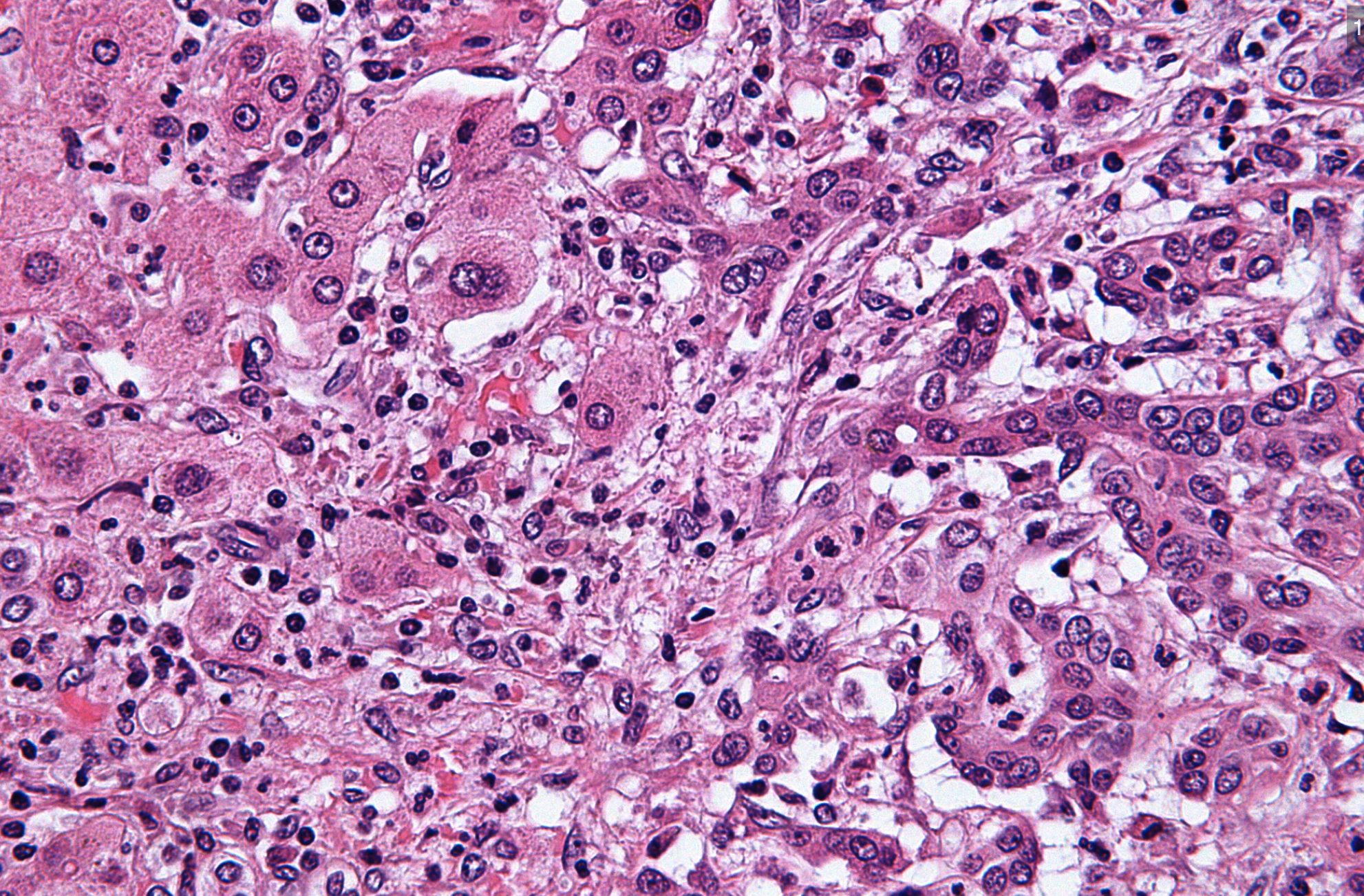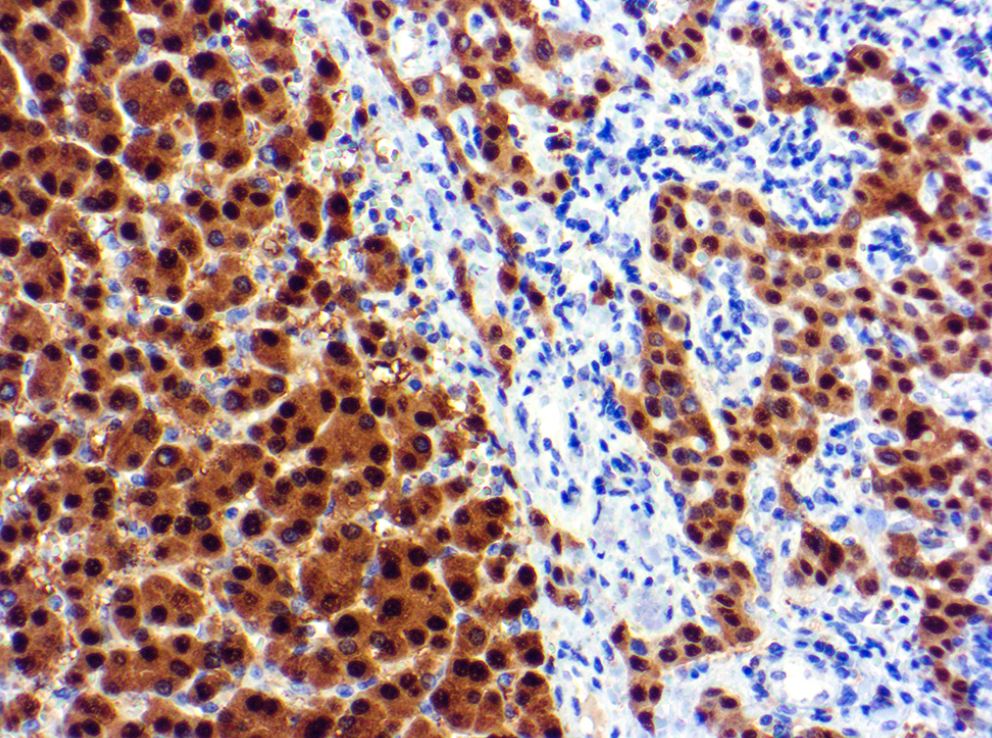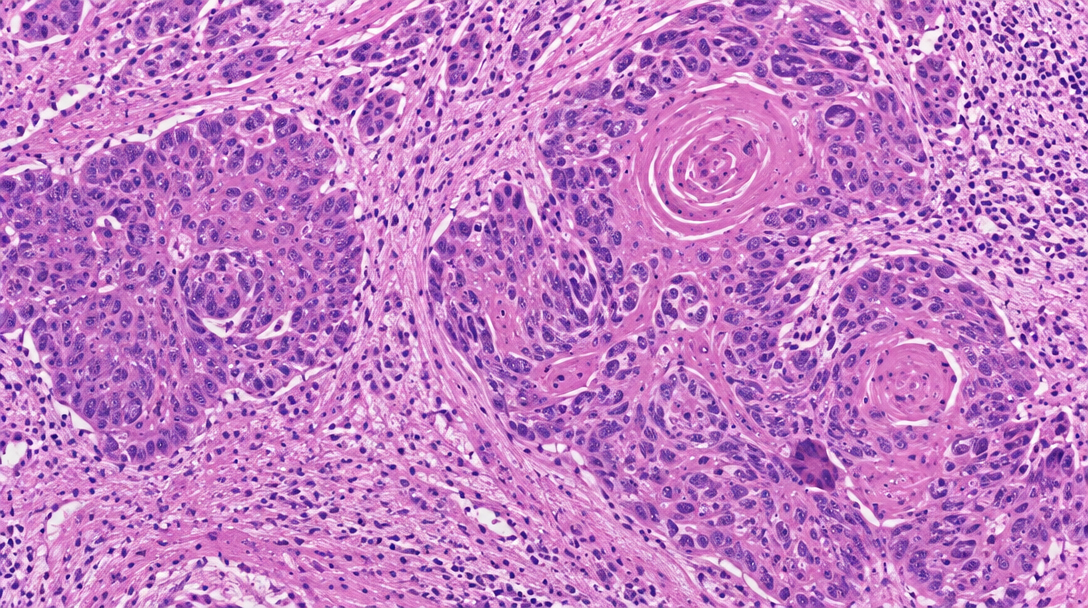
Worried by a tumor measurement? oral cancer depth invasion affects staging and treatment. Learn what the number means and what to ask next.
oral cancer depth invasion is a measurement of how deeply an oral squamous cell carcinoma has grown below the normal surface lining of the mouth. This number is different from the width of the tumor, and it can affect cancer stage, lymph node risk, and treatment recommendations. Pathologists measure it under the microscope by comparing the deepest point of invasion with where the original surface lining would have been.
Seeing this phrase in a pathology report can feel frightening because it sounds technical and serious. The fear is understandable, especially when a single millimeter measurement appears to carry so much weight. A clear explanation can make the report feel less like a sealed code and more like a map for the next conversation with the care team. For patients who are learning the structure of a report for the first time, understanding how to read a pathology report can also make each section easier to place in context.
Oral Cancer Depth Invasion — What It Actually Means
Oral cancer depth invasion describes the downward growth of cancer cells into the tissue beneath the mouth lining. In oral squamous carcinoma, the surface lining is made of squamous cells, and the tumor begins there before it grows into deeper supportive tissue. The measurement is usually recorded in millimeters, such as 2 mm, 5 mm, or 10 mm. It is one of the key microscopic details in a pathology report because it helps estimate how the tumor may behave.
A helpful analogy is a weed growing through a lawn. The visible top may look small, but the root depth can matter more than the surface spread when deciding how difficult it may be to remove. Tumor thickness and depth of invasion sound similar, but they are not always identical. Tumor thickness measures the full height of the tumor from its top surface to its deepest point, while oral cancer depth invasion measures from an estimated original surface line down to the deepest invasive cancer cells.
This distinction matters most when a tumor is ulcerated, raised, or distorted. If the surface is missing because of ulceration, the pathologist estimates where the normal surface would have been, then measures downward from that line. The basement membrane is the normal boundary between the surface lining and the tissue below it. Once cancer crosses the basement membrane, it is considered invasive, and oral cancer depth invasion becomes a staging and planning measurement.
Why Your Report Shows This Finding
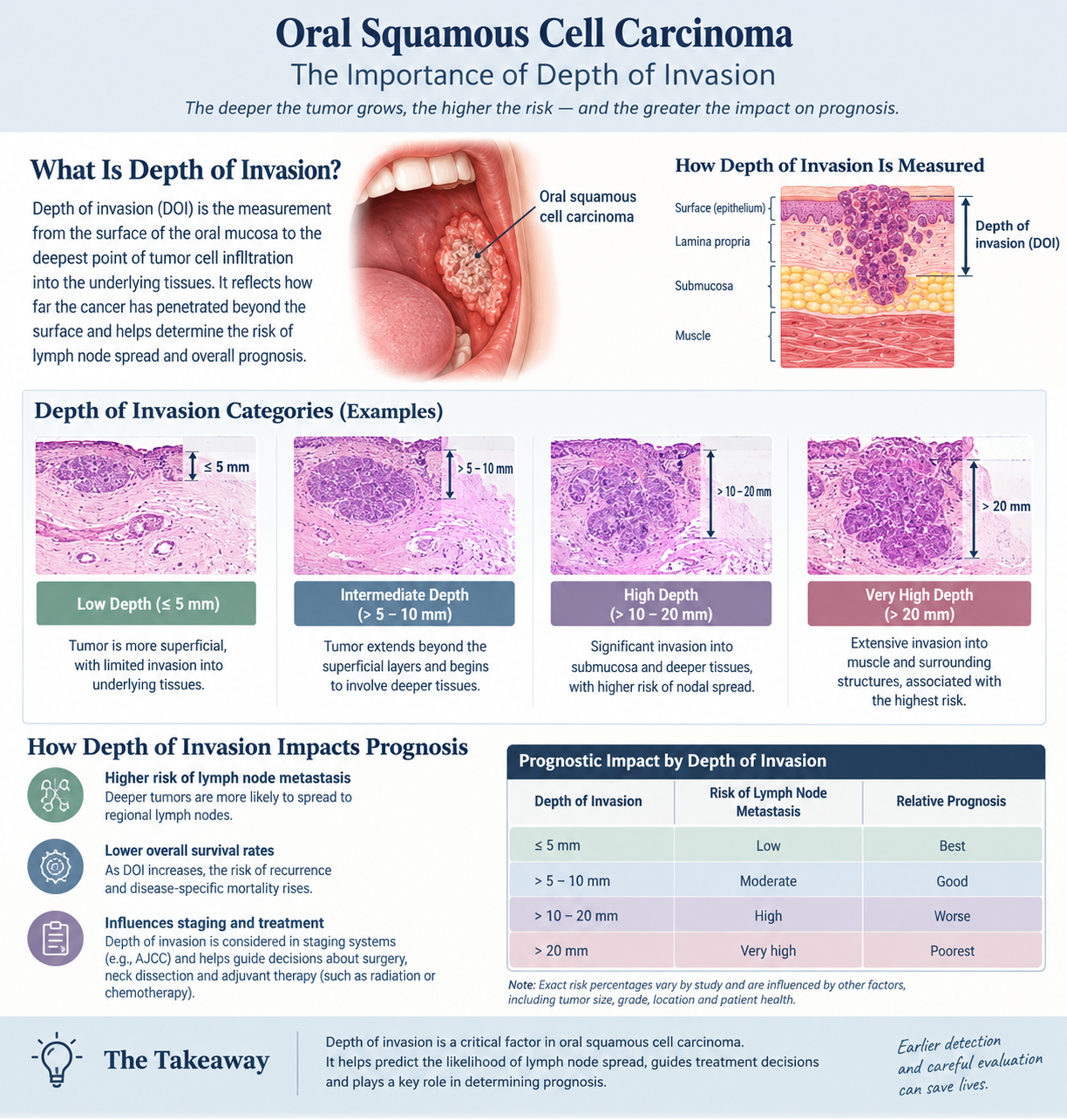
A pathology report includes oral cancer depth invasion because modern oral cancer staging depends on more than the tumor’s surface size. A small tumor can still grow deeply into the tongue, floor of mouth, gum, cheek lining, or palate. That deeper growth may bring the tumor closer to small lymphatic channels, nerves, and blood vessels. These structures are part of why the measurement can influence lymph node risk and surgical planning.
In the laboratory, the tissue is processed into thin sections, placed on glass slides, stained, and examined under a microscope. The pathologist identifies the invasive front, which is the deepest area where oral squamous carcinoma extends into the underlying tissue. The pathologist then measures the distance from the expected original surface level to that deepest invasive point. This measurement is interpreted along with surgical margins, lymphovascular invasion, perineural invasion, tumor grade, and AJCC staging.
The AJCC staging system uses depth of invasion in oral cavity squamous cell carcinoma because studies have shown that deeper tumors can behave differently from very shallow tumors. A depth greater than certain cutoffs may change the T category, even when the tumor’s greatest surface dimension seems limited. The basement membrane is also relevant because carcinoma in situ remains above that boundary, while invasive carcinoma has crossed it. When a report lists tumor thickness, surgical margins, and oral cancer depth invasion together, those numbers are meant to build a fuller picture rather than stand alone.
How Serious Is Oral Cancer Depth Invasion?
The seriousness of oral cancer depth invasion depends on the actual number and the rest of the pathology report. A shallow measurement may be associated with a lower chance of spread, especially if surgical margins are clear and no other high-risk features are present. A deeper measurement can raise concern for lymph node risk, but it does not automatically mean that cancer has spread. The number is a risk marker, not a complete prediction by itself.
For many oral cavity cancers, cutoffs around 5 mm and 10 mm are especially important in AJCC staging. A tumor with oral cancer depth invasion above these thresholds may be assigned a higher T category than expected from surface size alone. This can influence whether the clinical team discusses neck dissection, sentinel lymph node biopsy in selected settings, radiation therapy, or closer follow-up. The exact recommendation depends on tumor site, patient health, imaging findings, surgical margins, and whether lymph nodes contain cancer.
It is common for patients to focus on the depth number and feel that everything depends on it. In reality, pathologists and cancer teams read the measurement like one chapter in a book. Oral squamous carcinoma behavior is assessed through multiple features, including tumor grade, lymphovascular invasion, perineural invasion, and margin status. Tumor thickness may appear nearby in the report, but oral cancer depth invasion is the staging measurement that usually carries more direct importance for oral cavity tumors.
What Happens Next: Treatment and Monitoring
After oral cancer depth invasion is reported, the treating team typically combines the pathology findings with the physical examination and imaging studies. For early tumors with shallow invasion and clear surgical margins, surgery alone may sometimes be sufficient. For deeper tumors, close margins, positive margins, involved lymph nodes, or other risk factors, additional treatment may be discussed. The care plan is usually created by a multidisciplinary team that may include head and neck surgeons, radiation oncologists, medical oncologists, radiologists, and pathologists.
Surgical margins are especially important because they describe how close cancer cells are to the cut edge of the removed tissue. A clear margin means no cancer is seen at the inked edge, while a positive margin means cancer reaches the edge. A close margin may also matter, depending on the exact distance and institutional guidelines. Oral cancer depth invasion can influence how aggressively the team evaluates the neck, while surgical margins influence whether additional local treatment may be needed.
Follow-up usually includes careful examination of the mouth and neck, attention to swallowing or speech changes, and imaging when clinically appropriate. The pathology report may be reviewed again if a measurement seems unclear, if the tumor is fragmented, or if treatment decisions hinge on a cutoff. A second review can be especially useful when oral cancer depth invasion is near a staging threshold. Patients considering that step may find it helpful to read about when a second pathology opinion may be appropriate.
Questions To Ask Your Doctor Or Pathologist
Specific questions can turn a confusing pathology report into a focused discussion. The goal is not to challenge every word, but to understand how the measurement was made and how it affects care. These questions are especially useful when oral cancer depth invasion appears close to an AJCC staging cutoff.
- What is the exact oral cancer depth invasion measurement in millimeters?
- Is the reported number depth of invasion, tumor thickness, or both?
- Did ulceration or tissue distortion make the measurement harder to estimate?
- How does this measurement affect the AJCC staging category?
- Does the depth increase lymph node risk enough to change neck treatment?
- Are the surgical margins clear, close, or positive?
- Would a second pathology review be useful before final treatment decisions?
A pathologist may not choose the treatment plan, but the pathology interpretation helps shape that plan. If the wording is unclear, patients can ask the treating doctor whether the pathologist can clarify the measurement or issue an addendum. For a broader explanation of the report format, a plain-language overview of what a pathology report contains can help make the document less intimidating.
A second opinion is most helpful when the diagnosis, margins, invasion depth, or staging category could change management. This is not a sign that the original report is wrong; it is a careful safety check when decisions are high stakes. Information about how to get a second opinion on a pathology diagnosis can help patients understand what materials are usually needed.
Frequently Asked Questions
What does depth of invasion mean in oral cancer?
Depth of invasion means how far the cancer has grown downward beneath the original surface lining of the mouth. In oral cancer depth invasion, the measurement starts from the estimated normal surface level and ends at the deepest invasive cancer cells. It is measured in millimeters under the microscope. This number helps with AJCC staging and treatment planning.
Is depth of invasion the same as tumor thickness?
Depth of invasion and tumor thickness are related, but they are not always the same. Tumor thickness measures the full tumor height, including any raised portion above the surface. Oral cancer depth invasion focuses on downward growth below the original surface level. This difference matters most when a tumor is ulcerated, raised, or irregular.
What depth of invasion is considered high risk?
Risk depends on the exact tumor site and the rest of the pathology report, but cutoffs around 5 mm and 10 mm are commonly important for oral cavity cancers. A greater depth may increase lymph node risk and may affect AJCC staging. It does not prove that lymph nodes contain cancer. Imaging, examination, and lymph node pathology are needed for that answer.
Can oral cancer depth invasion change my stage?
Yes, oral cancer depth invasion can change the T category in oral cavity squamous cell carcinoma. A tumor that appears small across the surface may be staged higher if it grows deeply into the tissue. The final stage also depends on lymph nodes and whether there is distant spread. The care team should explain how the measurement affected the final stage.
Should I get a second opinion on depth of invasion?
A second opinion may be helpful if the measurement is close to a staging cutoff or if treatment choices depend heavily on the number. It may also be useful when the specimen was fragmented, ulcerated, or difficult to orient. A review can confirm the diagnosis, tumor thickness, surgical margins, and oral cancer depth invasion. The treating physician can help determine whether review of the slides is practical and worthwhile.
A depth measurement can feel like a frightening number, but it is also a tool that helps doctors choose the safest next step. The most useful interpretation comes from reading oral cancer depth invasion together with margins, lymph node findings, imaging, and the patient’s overall health. Honest Pathology consultations can provide an expert review of the report language and help clarify which pathology details may matter most before a treatment discussion.
References:
National Cancer Institute — Pathology Reports
National Cancer Institute — Squamous Cell Carcinoma
NCBI Bookshelf — Medical Reference Texts