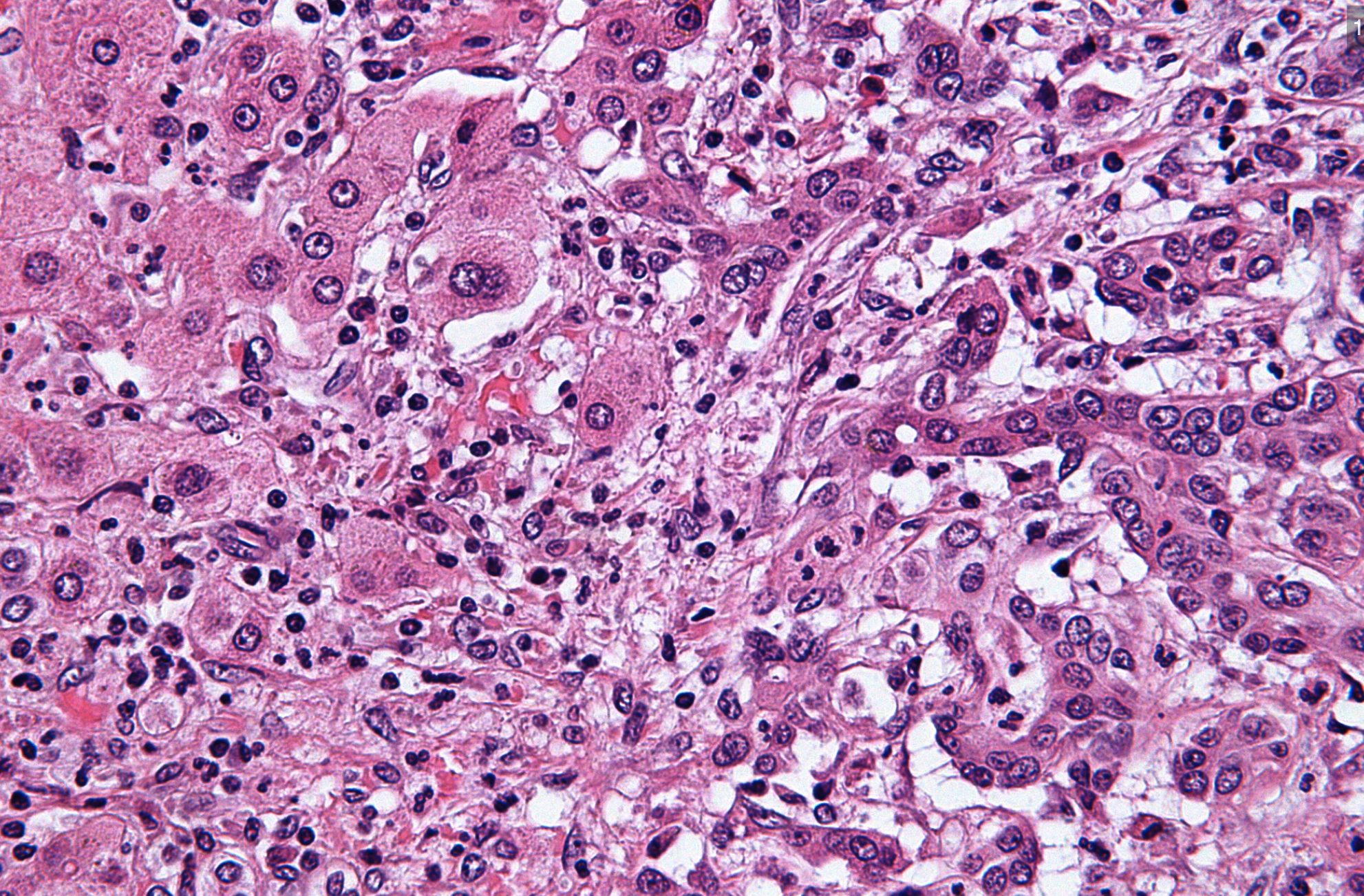
Worried by a GCNIS pathology report after testicular surgery? Learn what it means, why it matters, and what to ask your doctor next.
GCNIS pathology report means that germ cell neoplasia in situ was found in testicular tissue, usually as a pre-invasive change related to testicular cancer risk. This diagnosis is made under the microscope by a pathologist, often after an orchiectomy specimen or testicular biopsy is examined. GCNIS is not the same as a fully invasive tumor, but it is taken seriously because it can be associated with a germ cell tumor in the same testicle or, less commonly, future disease risk.
Seeing the words “neoplasia” or “in situ” can feel frightening, especially when the report is full of unfamiliar medical language. Many patients read the report before speaking with the urologist, which can make the finding feel isolated and more alarming than it may be in context. Clear explanation matters because GCNIS is a pathology diagnosis with practical treatment and follow-up implications.
A pathology report is meant to guide care, not to leave patients guessing. For anyone trying to understand the larger structure of the document, this overview of what a pathology report is may help place the diagnosis in context.
GCNIS Pathology Report — What It Actually Means
A GCNIS pathology report describes abnormal germ cells sitting inside the seminiferous tubules of the testicle, rather than invading outside those tubules. Germ cells are the cells that normally develop into sperm. In GCNIS, those cells have abnormal features that pathologists recognize as a precursor to many adult-type testicular cancer forms. The term “in situ” means “in its original place,” similar to seeing a warning light before a larger mechanical problem has fully developed.
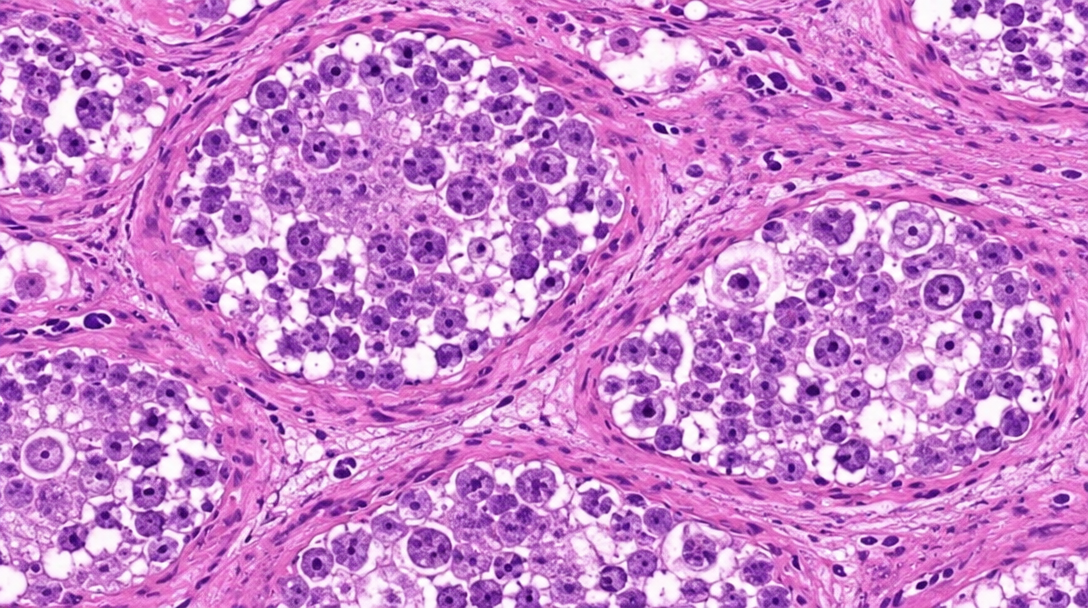
Under the microscope, GCNIS usually appears as enlarged, atypical intratubular germ cells lining the inside of testicular tubules. These cells often have clear-looking cytoplasm and prominent nuclei, which helps distinguish them from normal sperm-producing cells. Pathologists may use immunohistochemistry stains to confirm the finding, especially if the abnormal cells are subtle. A germ cell tumor may be present nearby, and the report often describes whether the invasive tumor is seminoma, embryonal carcinoma, yolk sac tumor, choriocarcinoma, teratoma, or a mixed germ cell tumor.
The practical meaning depends heavily on where the GCNIS was found. If it is found in an orchiectomy specimen removed for a testicular mass, it often supports the diagnosis of an adult-type germ cell tumor pathway. If it is found in a testicular biopsy without an invasive tumor, the discussion may focus more on future testicular cancer risk and fertility planning. The term GCNIS does not by itself tell the stage, spread, or cure rate; those answers require the full pathology report, imaging, blood tumor markers, and clinical evaluation.
Why Your Report Shows This Finding
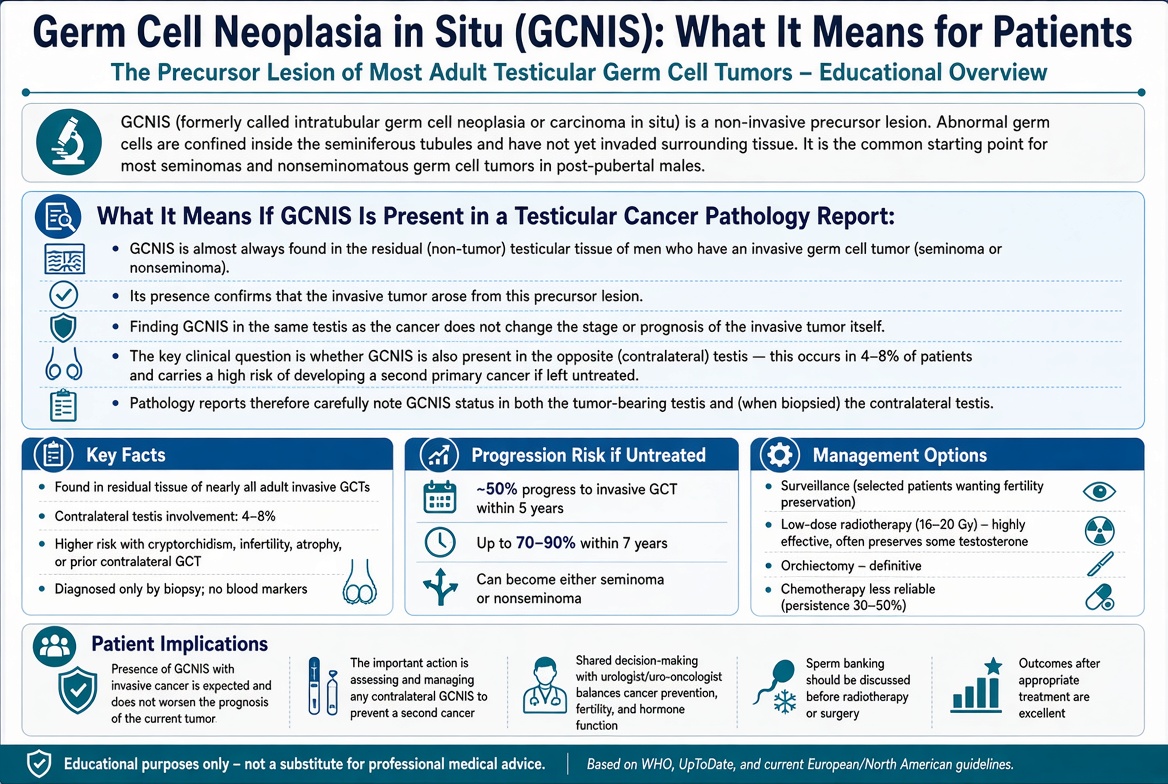
GCNIS develops when germ cells in the testicle acquire abnormal changes but remain confined within the tubules. It is most often connected to adult-type testicular cancer, especially seminoma and nonseminomatous germ cell tumor types. The finding may be discovered because a testicular mass was removed, because a testicular biopsy was performed for another concern, or because tissue near a tumor was carefully sampled. In an orchiectomy specimen, the pathologist examines both the tumor and the surrounding testicular tissue to look for GCNIS, scarring, atrophy, or other background changes.
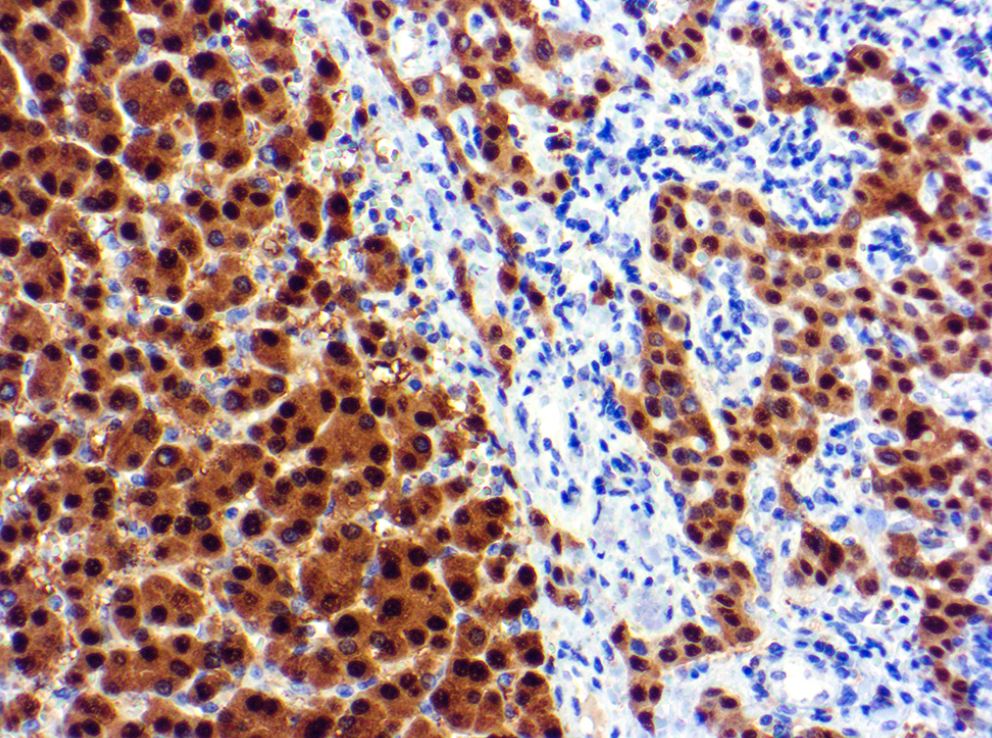
Pathologists diagnose GCNIS by combining tissue architecture, cell appearance, and, when needed, immunohistochemistry stains. These immunohistochemistry stains may highlight abnormal intratubular germ cells and help separate GCNIS from benign immature-looking cells or reactive changes. Common markers used in this setting may include OCT3/4, PLAP, SALL4, or KIT, depending on the laboratory and diagnostic question. A testicular biopsy can be especially challenging because the tissue sample is smaller, so correlation with the clinical picture is essential.
Several clinical situations may be associated with GCNIS, although each patient’s reason must be interpreted individually. A history of undescended testicle, infertility, testicular atrophy, or a previous germ cell tumor can increase concern for testicular cancer risk. Seminoma risk is particularly relevant because GCNIS is strongly associated with seminoma and other adult-type germ cell tumors. The report may also mention whether the abnormality is focal or widespread, whether there is an invasive tumor, and whether the sperm-producing tissue shows reduced maturation.
How Serious Is a GCNIS Pathology Report?
A GCNIS pathology report is serious enough to require specialist follow-up, but it is not the same as saying metastatic cancer is present. The key question is whether GCNIS is the only finding or whether it sits next to an invasive germ cell tumor. When an invasive tumor has already been removed in an orchiectomy specimen, GCNIS often explains the background from which that tumor developed. When no invasive tumor is found, the concern shifts toward future testicular cancer risk in that testicle.
The seriousness also depends on which testicle is involved and what treatment has already occurred. If the affected testicle has been removed, GCNIS in that orchiectomy specimen may not require treatment to that removed tissue, but it remains important information for staging, counseling, and surveillance. If GCNIS is found in a remaining testicle on testicular biopsy, treatment choices can be more complex because fertility, testosterone production, and cancer prevention must be balanced. Seminoma risk and broader germ cell tumor risk are usually part of that conversation.
A GCNIS pathology report should prompt careful review rather than panic. Most testicular cancer is highly treatable, and many patients do very well when the diagnosis is recognized and managed appropriately. Still, GCNIS is not a harmless incidental phrase to ignore. It is a biologic warning sign that deserves a clear explanation from the urologist, oncologist, and, when needed, a pathologist with experience in genitourinary pathology.
What Happens Next: Treatment and Monitoring
Next steps after a GCNIS pathology report depend on the full clinical setting. If GCNIS is found with an invasive testicular cancer in an orchiectomy specimen, the care team usually focuses on tumor type, tumor size, lymphovascular invasion, margins, stage, imaging results, and serum tumor markers such as AFP, beta-hCG, and LDH. The presence of GCNIS may not be the main driver of chemotherapy or radiation decisions when an invasive germ cell tumor is already present. Instead, it helps confirm the pathway of disease and the background testicular changes.
If GCNIS is found without invasive testicular cancer, the discussion may include surveillance, radiation to the testicle, surgery, fertility preservation, and hormone considerations. Treatment choices are individualized because the testicle has important roles in sperm production and testosterone production. A testicular biopsy result may lead to semen analysis, sperm banking discussion, endocrine blood tests, or repeat examination depending on the patient’s age and goals. This is often a situation where a calm, stepwise plan is better than making rushed decisions from fear.
Monitoring may include physical examination, scrotal ultrasound, tumor marker blood tests, and imaging when indicated. Patients may also be taught how to report new swelling, heaviness, firmness, or pain promptly. Seminoma risk does not mean seminoma is already present everywhere in the body, but it does mean follow-up should be taken seriously. A plain-language resource on understanding a pathology report can help patients organize the key terms before the next appointment.
Questions to Ask Your Doctor or Pathologist
- Was GCNIS the only diagnosis, or was an invasive germ cell tumor also found?
- Was the GCNIS found in an orchiectomy specimen or in a testicular biopsy?
- What type of testicular cancer, if any, was diagnosed in the same tissue?
- Were immunohistochemistry stains used to confirm the abnormal intratubular germ cells?
- Do the findings change staging, surveillance, fertility planning, or hormone monitoring?
- What is the estimated seminoma risk or other germ cell tumor risk in the remaining testicle?
- Would a second pathology review by a genitourinary pathologist be useful?
These questions help separate the word GCNIS from the larger care plan. A short phrase in a report can represent different clinical situations depending on whether the testicle was removed, whether a tumor was present, and whether the opposite testicle is normal.
A second review may be reasonable when the report is unexpected, when a testicular biopsy is small, when the diagnosis affects fertility or radiation decisions, or when the tumor type is complex. Patients considering expert review may find this guide on when to get a second pathology opinion helpful, along with practical steps on how to get a second opinion on a pathology diagnosis.
Frequently Asked Questions
Is GCNIS the same as testicular cancer?
GCNIS is considered a pre-invasive form of germ cell neoplasia, not the same as an invasive testicular cancer that has grown outside the tubules. A GCNIS pathology report means abnormal germ cells were identified in their original location within the testicle. However, GCNIS is closely linked to future or nearby germ cell tumor development, so it is treated as clinically meaningful. The distinction matters because staging and treatment depend on whether invasive cancer is present.
Can GCNIS spread to lymph nodes?
GCNIS itself does not spread to lymph nodes because it remains inside the seminiferous tubules. Spread becomes a concern when an invasive germ cell tumor is present. If a report mentions both GCNIS and invasive testicular cancer, imaging and tumor markers help evaluate whether disease has spread. The care team should clarify which part of the diagnosis is in situ and which part, if any, is invasive.
What causes GCNIS in the testicle?
The exact cause is not usually identified from a single pathology report. GCNIS is thought to arise from abnormal germ cells that persist and later acquire changes associated with adult-type testicular cancer. Risk factors can include undescended testicle, infertility, testicular atrophy, and prior germ cell tumor. A testicular biopsy or orchiectomy specimen can show the diagnosis, but clinical history helps explain the background risk.
Does a GCNIS pathology report mean chemotherapy is needed?
A GCNIS pathology report alone does not automatically mean chemotherapy is needed. Chemotherapy decisions usually depend on whether there is invasive testicular cancer, the exact tumor type, stage, imaging findings, and blood tumor markers. When GCNIS is the only finding in a remaining testicle, options may include surveillance, radiation, or other individualized approaches rather than chemotherapy. The urologist and oncologist should explain why a specific plan is recommended.
Should I get a second opinion for GCNIS?
A second opinion can be useful when the diagnosis affects major decisions such as removal of a testicle, radiation, fertility preservation, or surveillance intensity. GCNIS can be subtle, and immunohistochemistry stains may be needed to support the diagnosis. A review by a pathologist experienced in genitourinary tumors can confirm whether the finding is GCNIS, invasive germ cell tumor, or another process. This is especially reasonable when the original sample was a small testicular biopsy.
A GCNIS diagnosis can feel overwhelming, but the finding becomes less frightening when it is placed into the full medical picture. The most helpful next step is a clear discussion of whether invasive tumor is present, what treatment has already addressed, and what surveillance is needed. Honest Pathology consultations can provide an expert pathology-focused review when patients or families need clearer language before making decisions.
References:
National Cancer Institute — Pathology Reports Fact Sheet
National Cancer Institute — Germ Cell Tumor Definition
MedlinePlus — Testicular Cancer