A failed marrow draw can feel frightening. dry tap bone marrow reports may still reveal key answers. Learn what to ask next.
A dry tap bone marrow result means the liquid marrow could not be pulled into the syringe, but the pathology report may still provide important answers. This can happen during a bone marrow biopsy when the marrow space is fibrotic, densely packed with abnormal cells, or technically difficult to sample. The final report often depends heavily on the bone marrow core, special stains, flow cytometry when available, and the clinical picture.
Receiving the words “dry tap” can feel unsettling because it sounds as if the test failed. In many cases, however, the procedure has not failed completely; it has simply shifted the most useful information from the liquid aspirate to the tissue core. Pathologists often treat a dry tap as a clue, not as an ending.
The most helpful next step is to understand what was actually obtained, what could not be tested, and whether the bone marrow biopsy still answered the main clinical question. A report can feel technical and fragmented, especially when it mentions fibrosis, cellularity, blasts, or limited aspirate material. Clear interpretation can turn those terms into a more organized picture of what the marrow is doing.
Dry Tap Bone Marrow — What It Actually Means
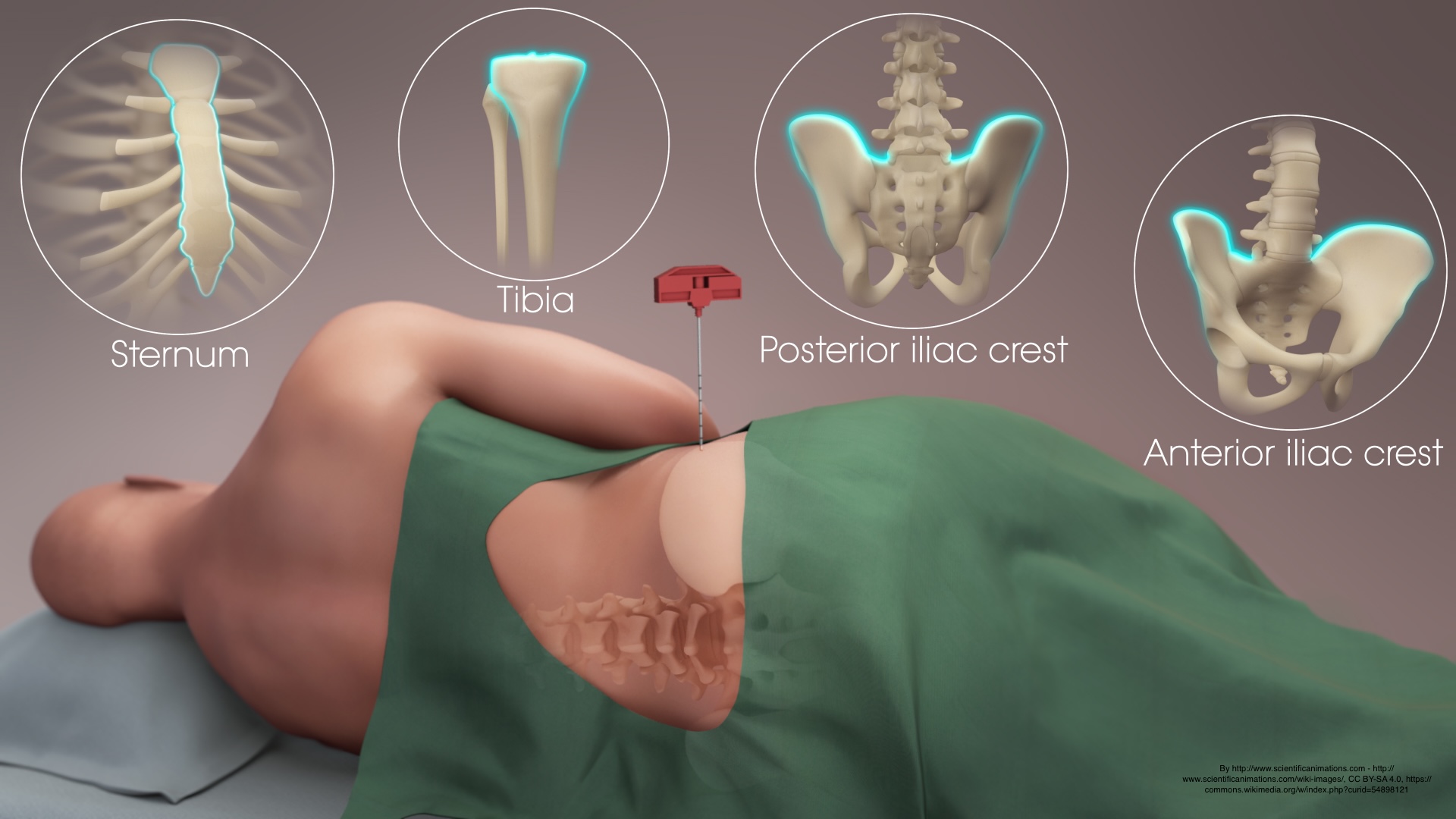
A dry tap bone marrow finding means that the clinician attempted to collect a marrow aspirate sample, but little or no liquid marrow entered the syringe. The aspirate is the liquid part of the procedure, often used for cell counts, detailed cell morphology, flow cytometry, cytogenetics, and molecular testing. When that liquid cannot be obtained, the pathologist relies more on the bone marrow core, which is the small cylinder of tissue removed from the marrow space. A useful analogy is trying to sip a thick smoothie through a narrow straw; if the mixture is too dense, the straw may not pull up much liquid, even though material is still present.
In a standard bone marrow biopsy, the aspirate and the core provide different but complementary information. The marrow aspirate sample spreads individual cells across a slide, allowing pathologists to examine cell details one by one. The bone marrow core shows the architecture, or the way cells are arranged inside the marrow. A dry tap bone marrow result can limit some tests, but the core can still reveal whether the marrow is crowded, scarred, replaced, or unusually empty.
The phrase “dry tap” does not automatically mean cancer, and it does not automatically mean a missed diagnosis. It means the liquid draw was unsuccessful or inadequate, and the report must be interpreted with that limitation in mind. Some patients still have enough material in a touch imprint, clot section, or core biopsy to support a diagnosis. For patients trying to understand the structure of the report, a basic explanation of what a pathology report contains can make the terminology less overwhelming.
Why The Report Shows A Dry Tap Finding

A dry tap bone marrow finding can occur for several reasons, ranging from technical factors to significant marrow disease. Sometimes the needle position, patient anatomy, prior procedures, or very focal disease makes aspiration difficult. In other cases, the marrow is too fibrotic or too densely packed with cells to yield a good marrow aspirate sample. The pathology report may mention whether the bone marrow core is adequate, fragmented, crushed, or long enough for evaluation.
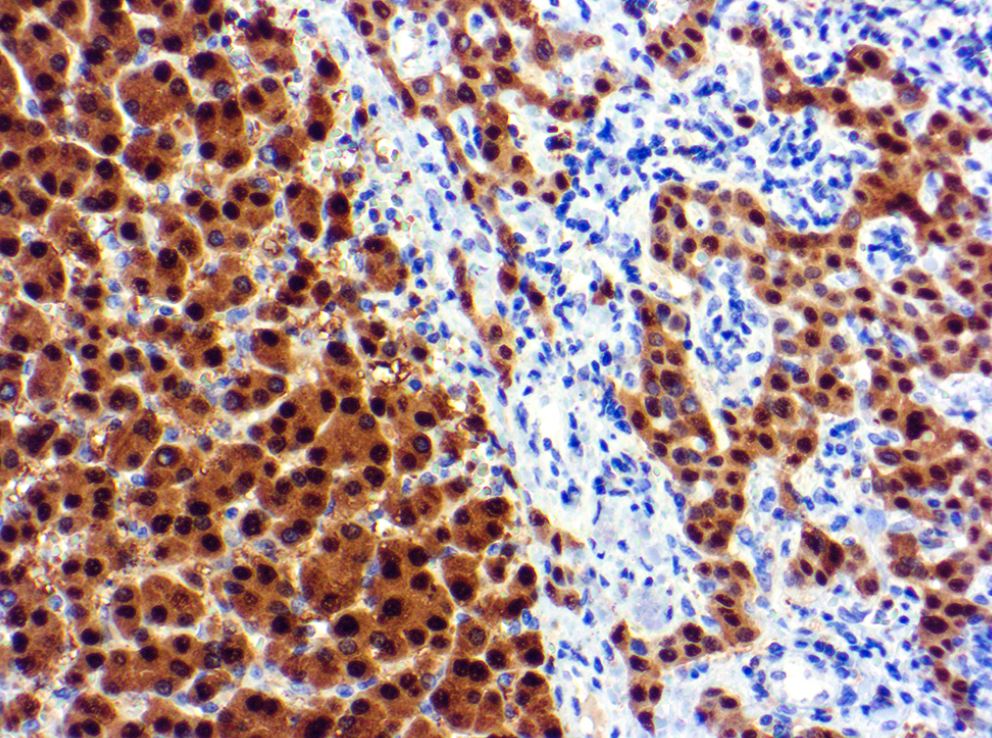
One common reason for a dry tap is reticulin fibrosis, which means an increase in supportive fiber-like material within the marrow. Reticulin fibrosis can be seen in myelofibrosis, some leukemias, lymphoma involving marrow, metastatic cancer, and reactive marrow changes. Pathologists use a special reticulin stain to grade the amount of reticulin fibrosis, because routine stains may not show the full pattern. When reticulin fibrosis is significant, the marrow can become firm, less easily aspirated, and more dependent on core biopsy interpretation.
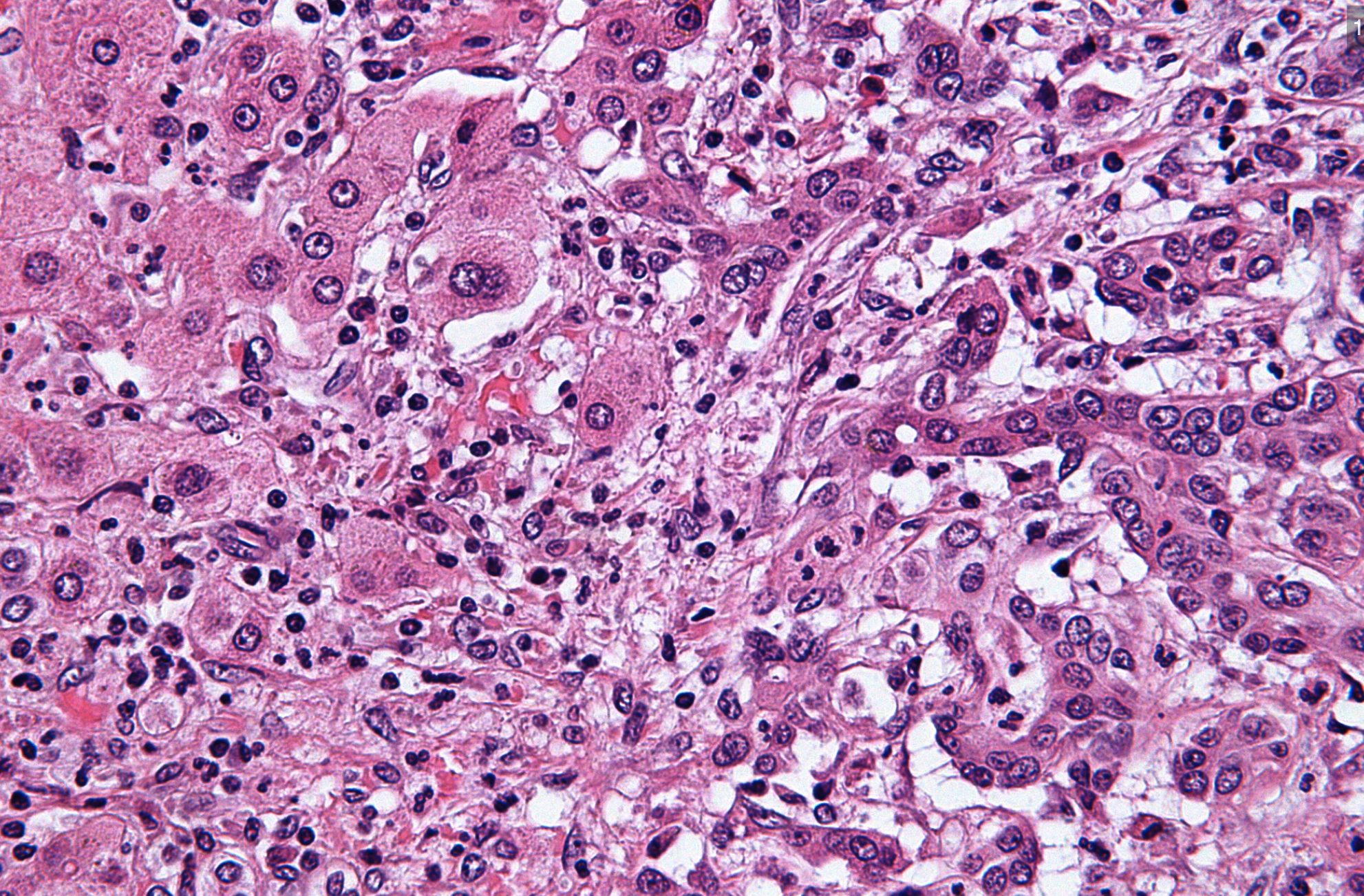
Another reason is marrow replacement by a hematologic malignancy or metastatic cancer. A hematologic malignancy, such as leukemia, lymphoma, or plasma cell myeloma, may crowd the normal marrow spaces. Metastatic cancer from another organ can also occupy marrow and reduce the ability to obtain liquid marrow. The report may describe abnormal infiltrates, sheets of cells, granulomas, necrosis, or clusters of carcinoma cells, and these patterns help explain why the bone marrow biopsy produced a dry tap.
How Serious Is Dry Tap Bone Marrow?
Dry tap bone marrow can be serious, but the seriousness depends on the reason behind it and what the rest of the report shows. A dry tap caused by technical difficulty is very different from a dry tap caused by severe reticulin fibrosis, extensive leukemia, or metastatic cancer. The pathologist looks for context: marrow cellularity, abnormal cell populations, blast percentage, fibrosis grade, iron stores, and whether the bone marrow core is adequate. The same phrase can therefore represent a minor sampling limitation or an important clue to a major marrow process.
In concerning situations, dry tap bone marrow may be associated with myelofibrosis, acute leukemia, advanced myelodysplastic or myeloproliferative disease, lymphoma, plasma cell myeloma, or metastatic cancer. Myelofibrosis is especially associated with a firm marrow and increased reticulin fibrosis, which can make aspiration difficult. A hematologic malignancy may also make the marrow hypercellular and tightly packed, reducing the amount of liquid that can be pulled out. If the report describes increased blasts, marked fibrosis, abnormal megakaryocytes, or diffuse tumor involvement, the dry tap becomes part of a larger diagnostic pattern.
There are also less alarming scenarios. Some dry taps occur when the needle does not access a liquid-rich area, when the marrow is patchy, or when only a small amount of material is available despite an otherwise interpretable bone marrow core. The report may state that the aspirate is aspicular or hemodilute, meaning it contains mostly blood rather than true marrow particles. In that setting, the marrow aspirate sample may be limited, but the core biopsy can still answer many diagnostic questions. Dry tap bone marrow should therefore be judged by the complete report, not by the phrase alone.
What Happens Next: Treatment And Monitoring
The next steps after a dry tap bone marrow result depend on whether the bone marrow biopsy provided enough information for diagnosis. If the bone marrow core is adequate and the stains are informative, the clinician may not need to repeat the procedure right away. The report may include immunohistochemistry, reticulin fibrosis grading, iron stain findings, and comments about abnormal cells. These details can guide treatment decisions, additional blood tests, imaging, or specialist referral.
If the sample is too limited, a repeat bone marrow biopsy may be considered, sometimes from the opposite side or with a plan to obtain a larger core. Additional testing may include peripheral blood flow cytometry, molecular studies, chromosome testing, or next-generation sequencing if enough material is available. When a marrow aspirate sample cannot be tested, some laboratories can perform selected studies on the bone marrow core or peripheral blood. The treating hematologist usually decides whether the missing aspirate information would change management.
Monitoring may involve repeat complete blood counts, review of blood smears, symptom assessment, imaging, and follow-up marrow testing when clinically needed. Patients with myelofibrosis, a hematologic malignancy, or metastatic cancer usually need a coordinated plan from hematology, oncology, and pathology. When the report is difficult to interpret, a structured approach to reading a pathology report can help identify which findings are central and which are limitations. A dry tap bone marrow report should be viewed as a starting point for focused questions, not as a reason to assume the worst.
Questions To Ask The Doctor Or Pathologist
Good questions can help separate what is known from what remains uncertain. A dry tap bone marrow report often contains both diagnostic findings and sampling limitations, so patients benefit from asking about each part directly. The goal is not to challenge the report, but to understand how much confidence the medical team has in the interpretation.
- Was the bone marrow core long enough and adequate for diagnosis?
- Did the report show reticulin fibrosis, and what grade was assigned?
- Was there enough marrow aspirate sample for flow cytometry, cytogenetics, or molecular testing?
- Did the pathologist see increased blasts, lymphoma, plasma cells, or metastatic cancer?
- Did the dry tap bone marrow finding limit the diagnosis in any important way?
- Should any testing be repeated on peripheral blood or another marrow sample?
- Would a second pathology review change treatment planning or confidence in the diagnosis?
A second review can be especially helpful when the report mentions limited material, an unusual pattern, discordant results, or a major diagnosis based primarily on the bone marrow core. In complex marrow cases, small differences in blast count, fibrosis grade, or tumor pattern can affect classification and treatment planning.
Patients considering an expert review may find it useful to read when a second pathology opinion is worth considering. If a review is pursued, the original slides, block material, stains, flow cytometry report, and clinical laboratory data are usually needed. A practical overview of the process is available in this guide to obtaining a second opinion on a pathology diagnosis.
Frequently Asked Questions
Does a dry tap bone marrow mean cancer?
No. Dry tap bone marrow does not automatically mean cancer. It can occur because of technical sampling difficulty, patchy marrow, reticulin fibrosis, myelofibrosis, a hematologic malignancy, or metastatic cancer. The significance depends on the bone marrow core findings, special stains, blood counts, and clinical context.
Can a bone marrow biopsy still be useful after a dry tap?
Yes. A bone marrow biopsy can still be very useful if the bone marrow core is adequate. The core can show cellularity, fibrosis, abnormal infiltrates, tumor deposits, granulomas, and marrow architecture. In many dry tap cases, the core becomes the most important part of the pathology report.
Why was there no marrow aspirate sample?
There may be no marrow aspirate sample when the marrow is fibrotic, densely packed, or difficult to access. Reticulin fibrosis can make the marrow firmer and harder to pull into a syringe. A hematologic malignancy or metastatic cancer can also crowd the marrow space and reduce liquid yield.
Should a dry tap bone marrow biopsy be repeated?
Sometimes. A repeat procedure may be recommended if the dry tap bone marrow result left essential tests incomplete or if the bone marrow core was not adequate. If the core biopsy and other studies already support a clear diagnosis, repeating the biopsy may not add useful information. The treating hematologist usually weighs the risk, discomfort, and expected benefit.
What does reticulin fibrosis mean in a marrow report?
Reticulin fibrosis means there is increased fibrous support material within the marrow. Mild reticulin fibrosis can be reactive, while higher-grade fibrosis may be associated with myelofibrosis, leukemia, lymphoma, or other marrow disorders. Pathologists grade reticulin fibrosis with a special stain because it helps explain dry tap bone marrow findings and supports diagnosis.
A dry tap can sound frightening, but it is often one piece of a larger diagnostic puzzle. The most meaningful answers usually come from the complete pathology report, the adequacy of the core biopsy, and the clinical team’s interpretation. Honest Pathology consultations can help patients and families understand what the report does and does not prove, especially when the wording feels uncertain.
References:
National Cancer Institute — Pathology Reports
National Cancer Institute — Definition Of Bone Marrow Biopsy
NCBI Bookshelf — Medical Reference Resources