Worried a remote review may miss something? Digital Pathology Consultation can clarify your diagnosis and help you ask smarter questions next.
Hearing that biopsy slides will be reviewed on a computer screen can raise understandable questions. In a digital pathology consultation, a pathologist reviews high-quality digital images of tissue slides instead of, or in addition to, physically handling the original glass slides. In practical terms, it lets an expert look at the same biopsy material from a different location, often much faster than mailing slides across the country. This type of telepathology review can support diagnosis, second opinions, tumor boards, and treatment planning.
When patients are told their slides are being reviewed digitally, the process may feel unfamiliar. Many patients worry that a computer image sounds less personal or less accurate than a microscope. In reality, the goal is not to replace careful human judgment. The goal is to let the right pathologist see the right material at the right time, so the pathology report can be interpreted with more confidence.
How Tissue Slides Are Reviewed Digitally

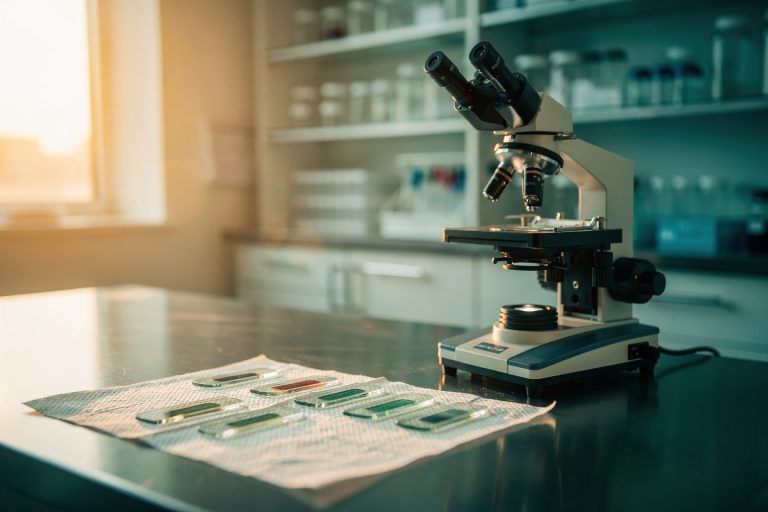
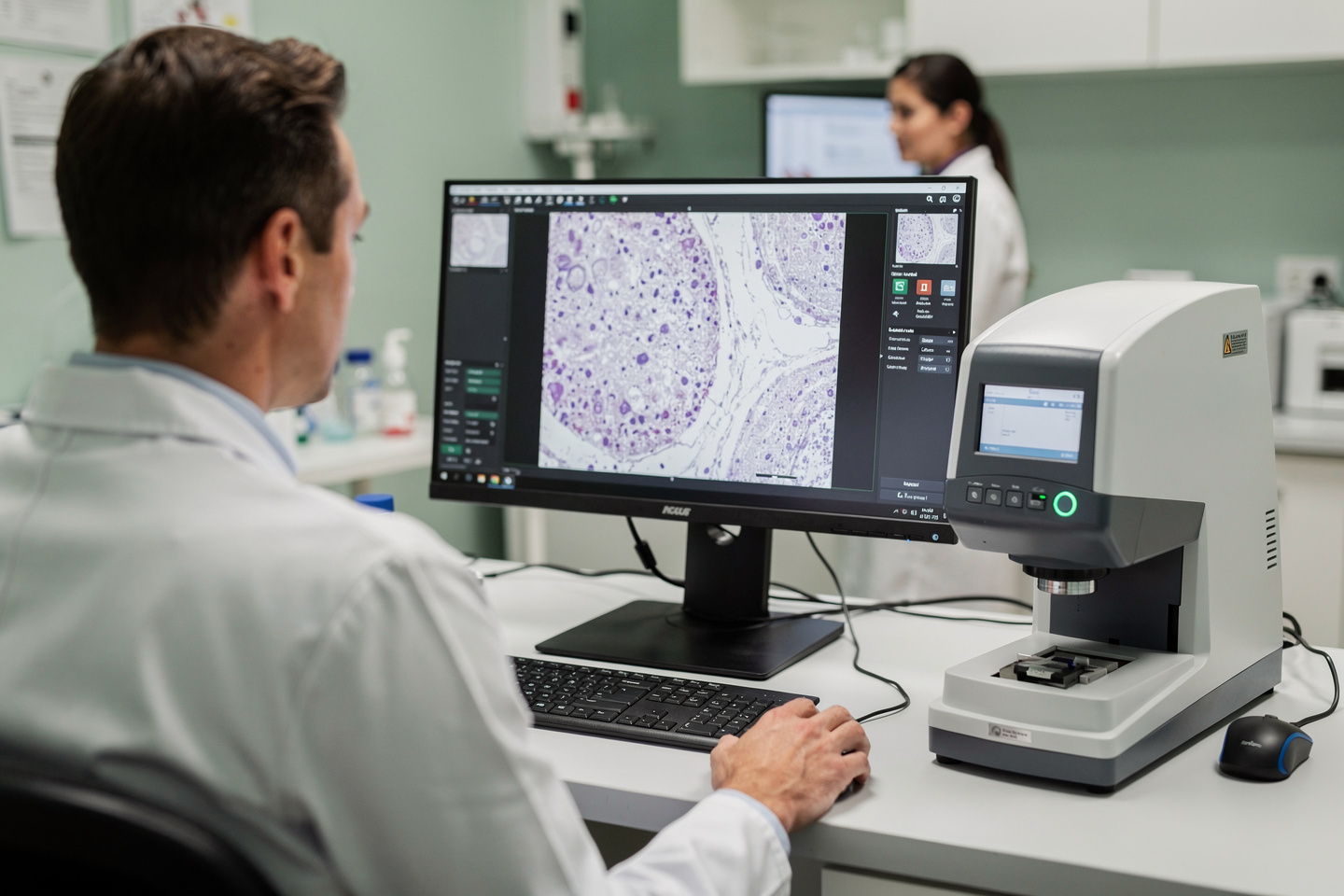
A digital pathology consultation starts with tissue that has already been processed in a pathology laboratory. The tissue is placed on glass slides, stained so the cells can be seen, and then examined by a pathologist. With whole slide imaging, a specialized scanner creates a very detailed digital version of the slide. That image can then be reviewed securely by another pathologist on a medical-grade screen.
A helpful analogy is a high-resolution map. A paper map and a digital map can show the same streets, landmarks, and details, but the digital map can be shared instantly and magnified in different ways. A digital slide review works in a similar way. The pathologist is still evaluating the tissue architecture, cell patterns, margins, tumor features, inflammation, and special stains when they are available.
A telepathology consultation is not simply sending a snapshot through email. A proper consultation uses validated systems, secure transfer, and careful comparison with the clinical history and the pathology report. If the case is for a pathology second opinion, the reviewing pathologist may also ask for the original report, prior biopsy results, operative notes, or additional stains. For patients still learning what the words in a report mean, What Is a Pathology Report? may be helpful before the consultation.
Why a Case May Be Sent for Digital Review
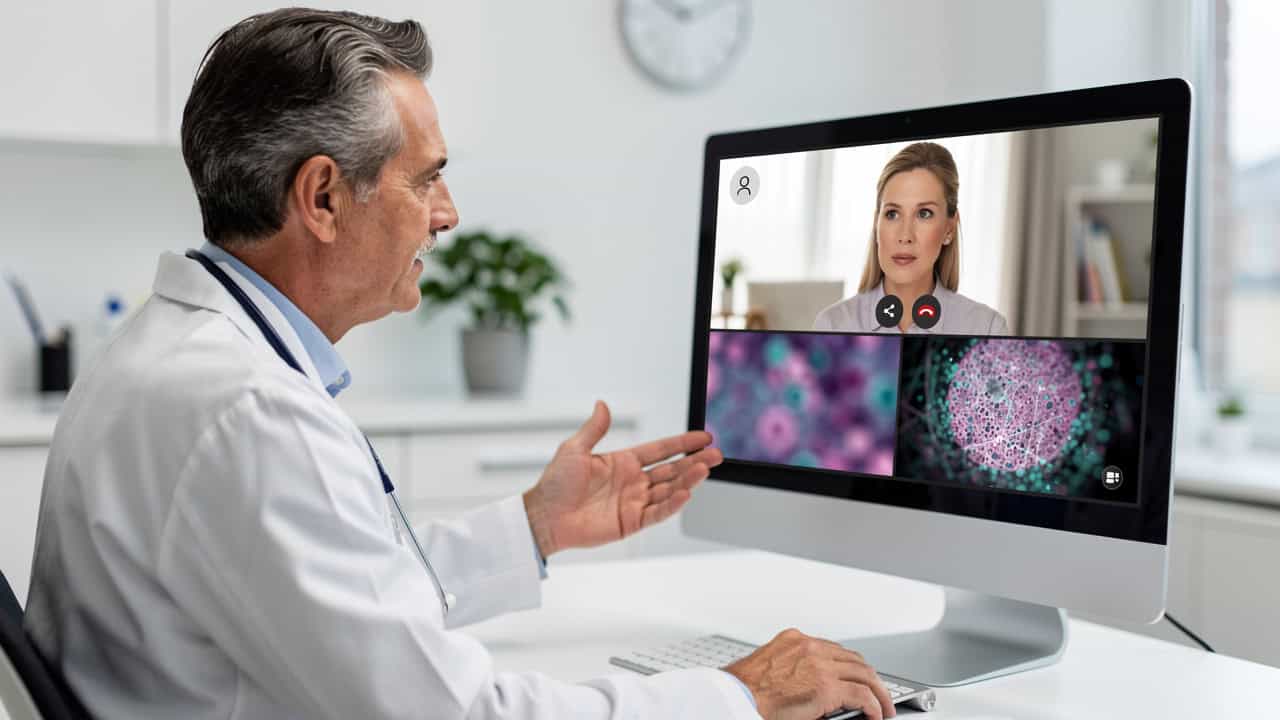
A report may mention telepathology consultation, outside consultation, digital review, or expert review because a doctor or pathologist wants another set of expert eyes on the case. This can happen when the diagnosis is rare, when the biopsy is small, when the findings are subtle, or when treatment depends on a specific classification. It can also happen when a cancer diagnosis needs confirmation before surgery, chemotherapy, radiation, or targeted therapy. A pathology report sometimes triggers a consultation because one line in the diagnosis carries major treatment consequences.
In the laboratory, the first step is quality. The tissue must be well processed, the stain must be readable, and the glass slides must be clean enough to scan accurately. Whole slide imaging captures the tissue at multiple magnification levels so the reviewing pathologist can move from a broad overview to individual cell detail. If the digital file is blurry, incomplete, or does not include the needed levels, the pathologist may request the original glass slides or additional sections.
Telepathology is often used for remote diagnosis, but that does not mean the diagnosis is casual or automatic. The pathologist is not letting software make the call. The pathologist is applying medical training to the digital slide review, just as they would at a microscope. Clinical context still matters, including the patient’s symptoms, imaging findings, prior diagnoses, and any special tests such as immunohistochemistry or molecular testing. For patients who want to read their report line by line, Understanding Your Pathology Report can make the consultation easier to follow.
What Digital Review Can and Cannot Tell the Care Team
Digital review itself is not a bad sign. It does not automatically mean the diagnosis is worse, the first pathologist was wrong, or the case is unusual in a dangerous way. Often, it means the care team is being careful. In pathology, caution is a strength, especially when the diagnosis will guide major treatment decisions.
The importance of the consultation depends on why it was requested. A mild scenario might involve confirming a benign skin lesion, reviewing inflammation in a biopsy, or checking that a margin is clear. A more serious scenario might involve confirming cancer type, grading a tumor, assessing invasion, or separating one disease from another that requires different treatment. A pathology second opinion can be especially valuable when the diagnosis is rare, borderline, or unexpected.
There are also limitations, and patients deserve to understand them clearly. A digital slide review is only as good as the tissue sample, slide preparation, scan quality, and clinical information provided. If the biopsy missed the abnormal area, neither a microscope nor a scanner can create tissue that was not sampled. If the case needs special stains, deeper levels, molecular testing, or direct review of glass slides, the consulting pathologist should say so. The process deserves careful handling, but it is not something to fear by itself.
Remote diagnosis can be very helpful when the right safeguards are in place. Many hospitals, academic centers, and consultation services use digital systems to connect patients with subspecialty pathologists who focus on breast, prostate, lung, gastrointestinal, gynecologic, bone and soft tissue, skin, or blood diseases. That concentration of experience matters. A pathologist who sees a specific tumor type every week may recognize patterns that are easy to miss when the finding is uncommon.
What Happens After the Slide Review
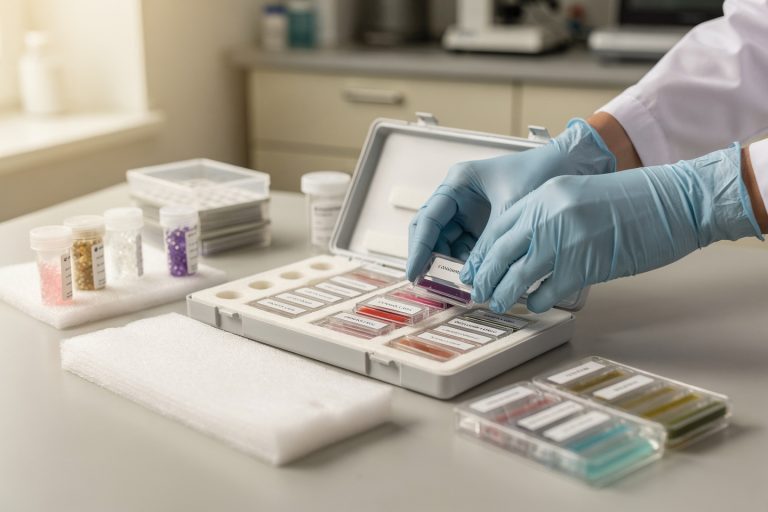
After a telepathology consultation is requested, the laboratory or consultation service usually gathers the required materials. These may include the pathology report, digital images, glass slides, tissue blocks, special stain results, and relevant clinical notes. If whole slide imaging has already been performed, the digital files may be uploaded through a secure system. If not, the slides may be scanned first or physically sent to the consulting pathologist.
The consulting pathologist then performs the digital slide review and issues an opinion. That opinion may agree with the original diagnosis, refine the diagnosis, recommend additional testing, or occasionally change the diagnosis. Agreement is still meaningful because it gives the treating doctor more confidence. A difference in interpretation does not always mean someone made a mistake; sometimes tissue findings sit in a gray zone where expert judgment is needed.
Next steps depend on the result. If the consultation confirms the original pathology report, the care plan may continue as expected. If the consultation changes the diagnosis, grade, margin status, biomarker interpretation, or tumor classification, the doctor may adjust treatment. For patients considering a pathology second opinion but unsure when it is worth doing, When Should You Get a Second Pathology Opinion? may be helpful. A digital pathology consultation can be part of that process, especially when time matters and the slides can be reviewed quickly.
Questions That Clarify the Review
- Was the case sent for digital pathology consultation because the diagnosis was uncertain, rare, or treatment-changing?
- Will the consultant review digital images only, or will the original glass slides also be provided?
- Was the digital slide review performed from all relevant slides, levels, and special stains?
- Does the consulting pathologist have subspecialty experience with this type of biopsy or tumor?
- Could the telepathology consultation change the diagnosis, grade, stage, margin status, or treatment plan?
- Are additional stains, molecular tests, or tissue block review recommended after the consultation?
- How will the final consultation opinion be added to the pathology report and shared with the treating doctor?
These questions are not confrontational. They are practical, and they help patients understand how a diagnosis was reviewed. Good doctors and pathologists expect thoughtful questions, especially when a report may affect surgery, medication, radiation, or long-term follow-up.
For help organizing records before a pathology second opinion, the steps in How to Get a Second Opinion on Your Pathology Diagnosis can save time. Patients should bring the original pathology report, any addenda, imaging reports, and a list of the main concerns. The clearer the clinical question, the more useful the consultation can be.
Frequently Asked Questions
What is telepathology in simple words?
Telepathology means a pathologist can review tissue slides from another location using digital images or other secure technology. The tissue still comes from a biopsy or surgery, and a trained pathologist still makes the diagnosis. The main difference is how the slide information is shared: electronically rather than only by physically transporting glass slides.
Is digital pathology as accurate as a microscope?
Digital pathology can be highly accurate when the scanning system is validated, the image quality is strong, and the case is appropriate for digital review. Many diagnoses can be made or confirmed through whole slide imaging. Some cases still require direct review of glass slides, additional tissue levels, special stains, or other testing. A careful pathologist will request those materials if the digital images are not enough.
Why would my biopsy need a telepathology consultation?
A biopsy may need a telepathology consultation because the findings are subtle, rare, high impact, or best reviewed by a subspecialist. The goal may be to confirm the cancer type, tumor grade, margin status, or need for additional testing. In other cases, the purpose is reassurance that the first interpretation is correct. Electronic slide sharing can also shorten the time needed for expert input.
Can Digital Pathology Consultation change my diagnosis?
Yes. A digital review can sometimes change a diagnosis, although it more often confirms or refines the original interpretation. A change may involve tumor type, grade, invasion, margins, biomarker interpretation, or whether a finding is benign or malignant. That does not automatically mean the first report was careless. Pathology can involve difficult pattern recognition, and expert review is one way medicine protects patients.
Do I need a second opinion if my report was reviewed digitally?
Another opinion may not be needed if the consultation was performed by an appropriate expert and the doctors involved feel the question was answered. Another review may still be considered if the diagnosis is unexpected, rare, treatment-changing, or does not fit the clinical picture. Patients can ask who reviewed the case, what materials were reviewed, and whether any limitations were noted. Those answers can help determine whether another pathology second opinion would add value.
If a report mentions digital review or telepathology, it is usually a sign that the care team is using available expertise to clarify the diagnosis. Honest Pathology consultations can provide an independent explanation of what a pathology report means and help patients prepare better questions for the next appointment.
References:
National Cancer Institute — Pathology Reports
Archives of Pathology & Laboratory Medicine — Validating Whole Slide Imaging for Diagnostic Purposes in Pathology
National Cancer Institute — Finding a Doctor or Treatment Facility