Biopsy slide second opinion can feel overwhelming. Learn how slides are reviewed and what to ask before your consultation.
Waiting for another review of a biopsy can be unsettling, especially when treatment decisions are already being discussed. A biopsy slide second opinion involves a second pathologist re-examining the actual microscope slides from the biopsy, often along with the original pathology report and clinical history. This is not a quick paperwork check; it is a fresh medical interpretation of the cells and tissue behind the diagnosis. A pathology second opinion can confirm the original diagnosis, refine it, or, in some cases, change the diagnosis in a way that affects care.
Patients may feel frightened when another review is recommended for themselves or someone they love. Many worry that it means something was missed or that the first doctor made a mistake. Sometimes a discrepancy is found, but often the reason is more practical: biopsy slides can be complex, and another expert set of eyes can add confidence before major decisions are made.
This article explains what happens behind the microscope, step by step. When the process is easier to understand, the waiting can become a little less mysterious.
What the Second Pathologist Reviews Under the Microscope

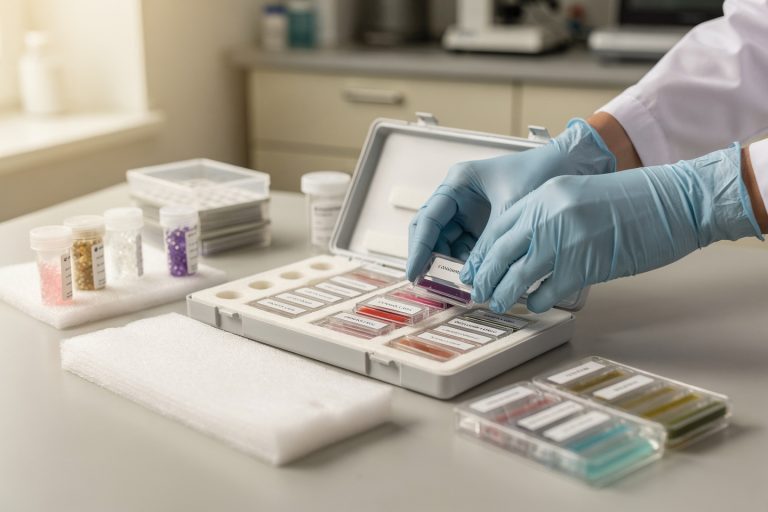
A biopsy slide second opinion means that another pathologist examines the same tissue evidence used to make the original diagnosis. The tissue is usually preserved on biopsy slides, which are thin sections placed on glass and stained so cells can be seen under a microscope. It is similar to having a second expert read the same detailed map before choosing the best route. The map has not changed, but another trained reader may notice patterns, landmarks, or uncertainty that need careful attention.
In the laboratory, the pathologist usually reviews the original pathology report first, then examines the glass slides directly. The report gives context, but the microscope is where the diagnostic review truly happens. Pathologists assess the architecture of the tissue, the shape of the cells, the pattern of growth, and whether the findings match the wording in the pathology report. If something does not fit, the review slows down to determine why.
A second review can be especially helpful when the diagnosis is rare, borderline, unexpected, or treatment-changing. For example, distinguishing a precancerous process from cancer, or a low-grade tumor from a high-grade tumor, may alter surgery, chemotherapy, radiation, or surveillance. The goal is not to criticize another pathologist. The goal is to give patients and their medical teams the most accurate, carefully checked diagnosis possible.
Why Some Biopsy Diagnoses Need Another Expert Review

A pathology report may include a diagnosis that a doctor recommends for second review because some biopsy findings are naturally difficult. Small samples, inflammation, crushed tissue, prior treatment effect, and unusual tumor patterns can all make slides more challenging to interpret. Sometimes the question is not simply cancer versus no cancer, but the exact cancer type, grade, margin status, biomarker result, or stage-related feature. That level of detail can matter a great deal when treatment is being planned.
During the review, the pathologist may compare the original glass slides with the written description in the pathology report. If the tissue sample is limited, the pathologist may request deeper sections from the tissue blocks, which are the preserved pieces of tissue embedded in wax. The tissue blocks are like the original loaf of bread, while the glass slides are thin slices taken from that loaf. If more information is needed, additional slices can sometimes reveal a clearer area.
The second pathologist may also recommend special stains if the routine stain does not answer the question. Special stains and immunohistochemistry can help identify cell type, infection, tissue origin, or tumor markers. For patients trying to understand these terms, the article on what a pathology report is can make the language feel less foreign. A biopsy slide second opinion often brings all of these pieces together: slides, clinical history, special stains, tissue blocks, and the original diagnosis.
When a Slide Review Can Affect Treatment Decisions
A pathology second opinion can feel serious because it usually happens at a moment when treatment decisions are already on the table. In practical terms, the importance depends on why the review was requested and what the original pathology report says. It may be routine before cancer surgery at a large medical center, or it may be requested because the findings are unusual. Asking for another review does not automatically mean the diagnosis is worse.
There are lower-impact and higher-impact scenarios. In a lower-impact scenario, the second pathologist confirms the diagnosis, perhaps with slightly different wording that does not change treatment. In a higher-impact scenario, the review identifies a different tumor type, a different grade, a missed invasive component, or a biomarker issue that changes care. That is why slides are often reviewed before major operations, chemotherapy, or radiation. The point is to reduce uncertainty before decisions become harder to reverse.
A diagnosis review can be understood like checking the foundation before building a house. If the foundation is solid, everyone feels more confident moving forward. If a crack is found, it is better to find it before the walls go up. This process deserves respect, time, and expertise, but it is also a protective step designed to support safer decisions. Patients wondering whether their situation calls for this step may find this article helpful: when should you get a second pathology opinion?
What Happens After the Review

After the biopsy slides are reviewed, the consulting pathologist usually issues a written report or letter. That report may say the original diagnosis is confirmed, revised, clarified, or cannot be fully assessed without more material. If there is disagreement, the pathologist should explain the reason in clear diagnostic language. The treating doctor then uses that information to decide whether the treatment plan needs to change.
Sometimes the next step is simple: no additional testing is needed, and the original plan continues. Other times, the consultant may request tissue blocks for deeper sections, immunohistochemistry, molecular testing, or special stains. These extra steps do not mean something terrible has happened. They mean the pathologist is trying to answer a specific question with the best available tissue.
A pathology second opinion can also influence monitoring. For example, a confirmed low-grade diagnosis may support careful follow-up, while a higher-grade diagnosis may lead to faster treatment or additional imaging. If a report includes a marker such as Ki-67, patients can read more in the article on what Ki-67 means and how high is concerning. This review is one part of a larger care plan, and the best decisions usually come from combining the microscope findings with scans, exam findings, symptoms, and goals.
Questions That Help Clarify the Results

When preparing for a biopsy slide second opinion, it helps to bring specific questions instead of trying to remember everything during an emotional appointment. These questions can clarify what was reviewed, whether the diagnosis changed, and what comes next. Patients do not need to sound like doctors. They only need to ask for clear explanations in plain language.
- What exact biopsy slides were reviewed, and were all original slides available?
- Did the second pathologist agree with the original pathology report?
- If the diagnosis changed, what part of the diagnosis review changed and why?
- Were tissue blocks requested for deeper sections or additional testing?
- Were special stains, immunohistochemistry, or molecular tests used to support the diagnosis?
- Does this pathology second opinion change my treatment options, surgery plan, or follow-up schedule?
- Should my case be reviewed by a subspecialty pathologist or tumor board?
Patients collecting records themselves can ask the hospital or laboratory how to release the biopsy slides and tissue blocks safely. Most pathology departments have a formal slide release process, and the receiving pathologist should know how to handle the materials. For a practical step-by-step explanation, patients can read how to get a second opinion on your pathology diagnosis.
It is also reasonable to ask whether the consultant will review only the slides or also the pathology report, imaging summaries, operative notes, and clinical history. Context can matter, especially when the tissue sample is small or the diagnosis is rare. For help understanding the wording before or after the consultation, understanding your pathology report is a good place to start.
Frequently Asked Questions
How long does a biopsy slide second opinion take?
The review often takes several days to two weeks. Timing depends on how quickly the slides are transferred, how complex the case is, and whether additional tests are needed. The process may be faster if the glass slides are already at the reviewing institution. It may take longer if tissue blocks, special stains, or outside records need to be requested. Patients can ask both the sending and receiving offices where the materials are in the process.
Can a second opinion change a biopsy diagnosis?
Yes. Many reviews confirm the original diagnosis, but some lead to a meaningful change or clarification. Differences may involve tumor type, grade, invasion, margins, or whether a finding is benign, precancerous, or malignant. A second review is most likely to affect care when the case is unusual, borderline, or directly tied to treatment choices. If the diagnosis changes, the treating doctor can explain what that means for the actual care plan.
Do pathologists look at the actual biopsy slides?
Yes. In a true pathology second opinion, the pathologist usually examines the actual biopsy slides under the microscope. The pathology report provides important context, but it is not a substitute for looking at the tissue itself. The pathologist may also ask for tissue blocks if more sections or additional testing are needed. This direct examination is what gives the consultation its medical value.
What if the two pathology opinions disagree?
If two opinions disagree, the doctor may request another subspecialty review, additional testing, or discussion at a tumor board. Disagreement does not automatically mean anyone was careless; some tissue patterns are genuinely difficult and require expert judgment. The key question is whether the difference changes treatment, prognosis, or follow-up. Patients can ask for the disagreement to be explained in plain language and documented in the medical record.
Should I get a biopsy slide second opinion before treatment?
It is often worth considering before major treatment, especially for a new cancer diagnosis, rare tumor, unexpected result, or high-risk surgery. It can also be helpful if the pathology report uses uncertain wording or if the treating doctor recommends confirmation. The review may provide reassurance, or it may identify a detail that changes the treatment plan. If timing is urgent, patients can ask whether the consultation can be expedited.
Patients waiting for a second review should remember that asking for clarity is not being difficult. It is a reasonable, protective step when a diagnosis may shape surgery, chemotherapy, radiation, or long-term monitoring. Honest Pathology consultations are available for patients who want a pathologist to help explain the report, the slide review process, and the questions to bring back to the care team.
References:
National Cancer Institute — Pathology Reports
National Cancer Institute — Finding a Doctor or Treatment Facility
NCI Dictionary of Cancer Terms — Second Opinion