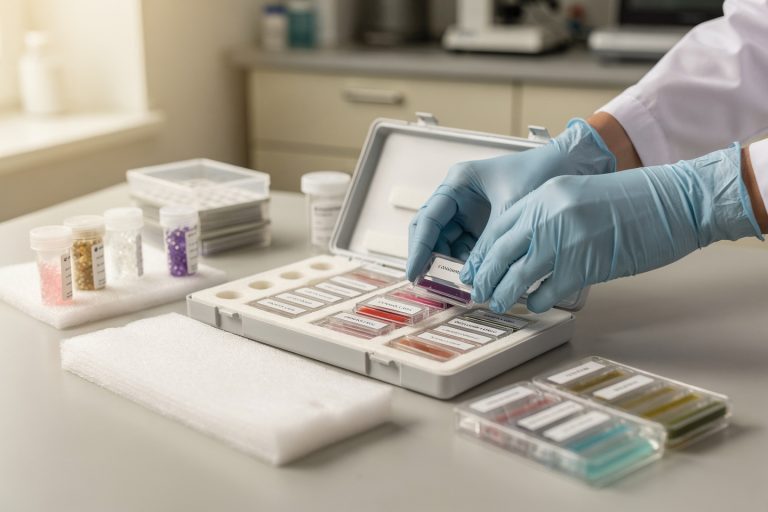
A confusing diagnosis can feel frightening. A pathology report review may reveal key details, missed clues, and questions to ask next.
A pathology report review can reveal whether a diagnosis is clear, complete, and matched to the clinical situation. It can confirm the original pathology diagnosis, clarify confusing biopsy results, and identify details that may influence a cancer treatment plan. For many patients and families, this review turns a dense medical document into a more understandable map.
Receiving a pathology report can feel like being handed a foreign-language contract during one of the most stressful weeks of life. Terms such as tumor grade, margin status, or immunohistochemistry results may look small on the page, yet they can carry major meaning. A detailed review is not about creating fear or second-guessing every doctor. It is about making sure the information guiding care has been carefully read, interpreted, and connected to the right questions.
What a Pathology Report Review Means
A pathology report review is a careful re-examination of the written report, and sometimes the original glass slides, special stains, and clinical history. Pathologists often compare the diagnosis, microscopic description, test results, and staging elements to see whether the story is internally consistent. The process is similar to checking the foundation, wiring, and inspection record before a major home repair. If one key measurement is missing or unclear, the rest of the plan may need clarification.
The review may focus only on the report, or it may become a second pathology opinion if the slides are re-read by another pathologist. That distinction matters because a written report review can explain what the report says, while a second pathology opinion can independently confirm or change the pathology diagnosis. Patients trying to understand the basic structure of the document may benefit from reading What Is a Pathology Report? before or after the consultation. A clearer understanding of the report often makes follow-up conversations less overwhelming.
A detailed review can also show whether the biopsy results contain all the information needed for treatment decisions. In cancer, that may include tumor type, tumor grade, margin status, lymph node findings, biomarker testing, and immunohistochemistry results. These details may affect surgery, radiation, chemotherapy, targeted therapy, or surveillance. When a cancer treatment plan depends on these findings, clarity in the pathology report becomes more than paperwork.
What Can Be Checked During the Review

The first step is usually to confirm that the reported diagnosis matches the specimen that was submitted. A tiny needle biopsy, an excision, a lymph node sample, and a surgical resection can answer different questions. The review looks at whether the biopsy results are being interpreted within the limits of that sample. A small biopsy can sometimes suggest a diagnosis, while a larger specimen may provide the full picture.
The review then checks the diagnostic language, because small wording differences can matter. Phrases such as “atypical,” “suspicious for,” “consistent with,” or “diagnostic of” do not mean the same thing. Tumor grade may describe how abnormal the cells look and how aggressively a tumor may behave in certain cancers. Margin status may show whether abnormal cells reach the edge of the removed tissue, which can influence whether more surgery or treatment is considered.
Special testing is another major part of the review. Immunohistochemistry results use antibody-based stains to help identify cell type, tumor origin, or clinically relevant markers. Molecular tests, receptor studies, and proliferation markers may also be reviewed when they appear in the report. For example, patients with questions about proliferation markers may find additional context in What Does Ki-67 Mean and How High Is Concerning?.
When a Pathology Report Review Matters Most

A pathology report review matters most when the diagnosis will guide major treatment decisions. This includes decisions about surgery, chemotherapy, radiation therapy, immunotherapy, targeted therapy, or active surveillance. A second pathology opinion may be especially valuable when the pathology diagnosis is rare, borderline, unexpected, or different from what imaging or clinical findings suggested. In these situations, the goal is not to prove an error occurred, but to reduce uncertainty before treatment begins.
A pathology report review can be especially meaningful when the report contains ambiguous language. Terms such as “indeterminate,” “cannot exclude,” or “at least” may signal that the available tissue does not answer every question. The review can explain whether the uncertainty is ordinary for that specimen type or whether additional tissue, special stains, or clinical correlation may help. When immunohistochemistry results are complex, another pathologist may also assess whether the staining pattern supports the stated diagnosis.
The seriousness of a review finding depends on what is discovered. Sometimes the review simply confirms the diagnosis and gives the patient better language for discussing the cancer treatment plan. Sometimes it identifies missing information, such as tumor grade, margin status, lymphovascular invasion, or biomarker status. Less commonly, a second pathology opinion changes the diagnosis in a way that changes staging, treatment, or prognosis.
What Happens After the Review
After a review, the next step depends on what was learned. If the report is complete and the findings are consistent, the review can provide reassurance and help the patient prepare better questions for the treating doctor. If details are missing, the recommendation may be to request an addendum, obtain outside slides, or confirm whether additional testing is pending. If the biopsy results and clinical picture do not fit together, the treating team may discuss repeat biopsy or further imaging.
When the review becomes a formal second pathology opinion, the outside pathologist may issue a written consult report. That report may confirm the original pathology diagnosis, refine the wording, add comments about limitations, or recommend additional studies. Patients considering this step may find practical help in When Should You Get a Second Pathology Opinion?. A second pathology opinion is most useful when it is reviewed alongside imaging reports, operative notes, laboratory data, and the patient’s clinical history.
For cancer, even a small clarification can affect the cancer treatment plan. A change in tumor grade may alter risk assessment, while margin status may influence whether more surgery or radiation is discussed. Immunohistochemistry results can also guide whether a tumor is treated as one type of cancer or another. A careful pathology report review helps the clinical team make decisions from the most accurate information available.
Questions to Ask the Doctor or Pathologist

- Does the final diagnosis fully explain the biopsy results and clinical findings?
- Was the specimen large enough to make a confident pathology diagnosis?
- Are any stains, molecular tests, or immunohistochemistry results still pending?
- What does the tumor grade mean for risk, treatment, or follow-up?
- Does the margin status suggest that additional surgery or treatment may be needed?
- Would a second pathology opinion be reasonable before starting the cancer treatment plan?
- Are there parts of the report that should be clarified in an addendum?
Good questions can turn a confusing appointment into a more productive conversation. Many patients feel intimidated by medical language, but asking about specific report elements is reasonable and often helpful. A clinician may not expect a patient to understand every pathology term. A focused list can make the visit more organized and less emotionally exhausting.
Patients who want to prepare before requesting outside review may also benefit from How to Get a Second Opinion on Your Pathology Diagnosis. A detailed pathology report review can help identify which slides, blocks, reports, or clinical records are needed. This can prevent delays and make the consultation more efficient. Clear records help the reviewing pathologist answer the question that matters most: Is the diagnosis and supporting information strong enough to guide care?
Frequently Asked Questions
Can a pathology report review change my diagnosis?
A pathology report review can sometimes change the diagnosis, but many reviews confirm the original finding. Changes are more likely in rare tumors, borderline lesions, limited biopsies, or cases with complex immunohistochemistry results. Even when the pathology diagnosis does not change, the review may clarify risk factors or missing information. That clarification can still be valuable for treatment planning.
What does a pathologist look for in a report review?
A pathologist checks whether the diagnosis, specimen type, microscopic description, and test results fit together. The review may focus on tumor grade, margin status, lymph node findings, and special studies. Biopsy results are also interpreted in light of how much tissue was sampled and what question the biopsy was meant to answer. The goal is to find clarity, not to create unnecessary doubt.
Is a pathology report review the same as a second opinion?
A pathology report review may explain the existing report, while a second pathology opinion usually involves re-examining the original slides or digital slide images. In many real cases, the two processes overlap. A pathology report review can show whether a formal slide review is needed. When treatment decisions are major, a second pathology opinion may provide additional confidence.
When should patients ask for a pathology report review?
A review is reasonable when the diagnosis is rare, unexpected, unclear, or central to a major cancer treatment plan. It is also reasonable when the report contains terms that were not explained during the appointment. Patients may ask for review before surgery, chemotherapy, radiation, or other major therapy begins, if time allows. The treating team can help decide whether records or slides should be sent for consultation.
Can a report review help if treatment has already started?
Yes, a pathology report review can still help after treatment has started. It may confirm that the current cancer treatment plan is based on the correct diagnosis and available biomarker information. It may also identify questions that should be addressed before the next phase of care. If the findings raise concern, the treating physician can decide whether a formal second pathology opinion is needed.
A confusing report does not mean a patient has been left without options. Careful review can bring order to medical language, confirm what is already known, and identify what still needs an answer. Honest Pathology consultations can help patients and caregivers understand the report in plain language and prepare for the next medical conversation.
References:
National Cancer Institute — Pathology Reports Fact Sheet
National Cancer Institute — NCI Dictionary of Cancer Terms: Pathologist
National Cancer Institute — NCI Dictionary of Cancer Terms: Second Opinion