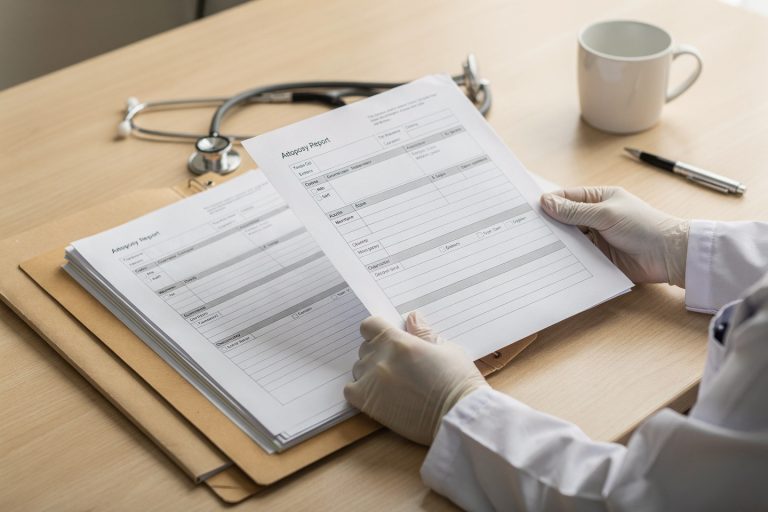
After an autopsy, families may still have questions. Learn how cause of death is determined, what reports may show, and what to ask next.
Autopsy cause of death is determined by combining the body examination, microscopic findings, laboratory testing, medical records, and the circumstances surrounding the death.
For many families, those words arrive at an already painful time. An autopsy report may feel technical, delayed, or emotionally cold, even when it is trying to answer a deeply human question: What happened?
Pathologists often approach an autopsy like a careful reconstruction. No single clue is expected to explain everything by itself. The final answer usually comes from matching the clinical history with what is found in organs, tissues, histology slides, toxicology results, and sometimes scene or investigative information from a medical examiner.
Uncertainty can feel unbearable after a loss. Clear language can help families understand what an autopsy can prove, what it can strongly support, and what may remain listed as pending or undetermined on a death certificate.
What Autopsy Cause Of Death Means
Autopsy cause of death means the disease, injury, or medical event that started the chain of events leading to death. It is not always the same as the final event seen at the bedside, such as cardiac arrest or respiratory failure. Those final events describe how life ended, but they usually do not explain why the body reached that point. A pathologist looks for the underlying condition that best accounts for the entire sequence.
A helpful analogy is a row of falling dominoes. The last domino may be the heart stopping, but the cause of death is the first domino that made the rest fall. That first domino might be a heart attack, pneumonia, pulmonary embolism, cancer, trauma, drug toxicity, or another disease process. The manner of death is a separate classification, such as natural, accident, suicide, homicide, or undetermined.
The autopsy report usually separates findings into external examination, internal examination, organ weights, microscopic findings, and special studies. Histology slides allow tissue to be examined under a microscope, where infection, tumor, inflammation, scarring, and lack of blood flow may be identified. The clinical history helps the pathologist decide which findings are old, incidental, or directly related to death. A death certificate may later summarize this work in a much shorter format, which can make the full reasoning less obvious.
How Pathologists Determine Cause Of Death

The process begins before the first incision. The pathologist reviews the clinical history, including symptoms, hospital records, medications, prior diagnoses, surgeries, imaging, and laboratory studies. If the case is handled by a medical examiner, investigative information may also be reviewed, including where the person was found, recent events, and possible exposure to injury, drugs, or toxins. This background matters because the same autopsy finding can mean different things in different circumstances.
During the autopsy, the pathologist examines the outside of the body and then the internal organs. The heart, lungs, brain, liver, kidneys, and other organs are inspected for disease, injury, bleeding, infection, blockage, tumors, and other changes. Tissue samples are often taken for histology slides, even when an abnormality is visible to the eye. Microscopy can confirm whether a suspected heart attack is recent, whether pneumonia is severe, or whether a tumor has spread enough to explain death.
Special tests may be needed when the visible findings do not fully answer the question. Toxicology results can identify alcohol, prescription medications, illicit drugs, poisons, or therapeutic drug levels that may have contributed to death. Cultures, metabolic testing, genetic testing, or additional review may be considered in selected cases. The final autopsy report brings these pieces together and explains whether the findings support a definite cause, a probable cause, or an undetermined result.
When Autopsy Findings Are Clear, Uncertain, Or Pending
Autopsy cause of death is sometimes clear soon after the examination. Examples include a ruptured aneurysm with massive internal bleeding, severe pneumonia filling both lungs, advanced cancer involving vital organs, or a large pulmonary embolus blocking blood flow to the lungs. In these situations, the anatomic findings are strong enough to explain death without waiting for many additional studies. The death certificate may be completed quickly when the evidence is straightforward.
Autopsy cause of death may be listed as pending when key results are not yet available. Toxicology results often take weeks because specimens must be processed, screened, confirmed, and interpreted in context. Microscopic review of histology slides may also change or refine the diagnosis after the gross examination. A medical examiner may delay final certification when investigative information, medication records, or scene details are still being collected.
Uncertainty does not automatically mean something was missed or hidden. Some deaths leave very limited structural evidence, especially certain heart rhythm deaths, seizure-related deaths, metabolic disorders, and some drug-related deaths. In those cases, the clinical history, toxicology results, and exclusion of other causes become especially important. The phrase undetermined can be painful to read, but it usually means the available evidence did not meet the threshold for a more specific conclusion.
What The Death Certificate May Show
A death certificate is a legal and public health document, not a full medical explanation. It usually lists the immediate cause of death, followed by underlying causes that led to it. For example, respiratory failure may be due to pneumonia, which may be due to advanced dementia or metastatic cancer. The death certificate compresses a complex medical story into a limited number of lines.
The manner of death may appear separately from the medical cause. A natural manner usually means the death resulted from disease rather than injury or external forces. An accident may involve falls, overdoses, or other unintentional events, depending on the evidence. A medical examiner uses the autopsy findings, investigative details, and sometimes toxicology results to classify the manner of death as accurately as possible.
Families often notice that the death certificate uses different wording than the autopsy report. This difference can be normal because the certificate must be concise, while the report contains detailed observations and reasoning. When the wording seems inconsistent, the full autopsy report should be read carefully rather than relying only on the certificate. For general help understanding how pathology language is organized, What Is a Pathology Report? can provide helpful background.
Questions To Ask The Pathologist, Coroner, Or Medical Examiner
- What specific finding most strongly supports the listed cause of death?
- Was the cause of death definite, probable, or still pending at the time of the report?
- Were histology slides reviewed, and did they change the initial impression?
- Were toxicology results ordered, and when are the final results expected?
- How does the clinical history support or conflict with the autopsy findings?
- Why was the manner of death classified as natural, accident, suicide, homicide, or undetermined?
- Does the death certificate accurately summarize the final autopsy report?
These questions are not challenges to the autopsy team. They are reasonable ways for a family to understand the medical reasoning behind an emotionally significant conclusion. Many reports contain technical wording that is clear to pathologists but confusing to people reading it during grief.
If the report feels incomplete, internally inconsistent, or difficult to reconcile with the person’s symptoms, a second review can be appropriate. A pathology consultation may review the autopsy report, histology slides when available, toxicology results, and clinical history. Families considering this step may find When Should You Get a Second Pathology Opinion? useful when deciding whether another expert review is warranted.
Why Autopsy Reports Can Take Time

Autopsy findings are not always finalized on the day of examination. The gross examination can reveal major abnormalities, but microscopic review often takes additional time. Tissue must be processed, embedded, cut, stained, and reviewed as histology slides. This is similar to examining a landscape first from far away, then returning with a magnifying glass to inspect the small details.
Toxicology results can take even longer because interpretation is not just a matter of finding a substance. The level, medication history, tolerance, timing, other drugs, and organ function all matter. A drug concentration that is therapeutic in one person may be dangerous in another, especially with other sedating medications or serious illness. The medical examiner or pathologist must decide whether a substance caused death, contributed to death, or was unrelated.
Delays can feel frustrating, but they often protect accuracy. A premature conclusion can be harder for families than a delayed but well-supported answer. When the final autopsy report arrives, comparing it with the death certificate and available medical records can help clarify the reasoning. For step-by-step help with medical report language, Understanding Your Pathology Report: How to Read It with Confidence may help families read the document more calmly.
When Further Review May Be Helpful
A further review may be helpful when the stated cause does not seem to match the known clinical history. For example, a family may know that the person had sudden chest pain, recent surgery, unexplained collapse, possible medication exposure, or a rapidly worsening infection. Those details may already be in the record, or they may not have been available when the autopsy was performed. Additional context can sometimes change how findings are interpreted.
A review may also help when the death certificate is brief but the autopsy report is complex. The reviewer may explain which findings were central and which were incidental. Common incidental findings include mild fatty liver, small benign tumors, healed scars, or age-related organ changes. The key question is whether a finding plausibly caused or contributed to death.
In some cases, a second opinion does not change the final conclusion but provides a clearer explanation. That clarity still has value, especially when families are making legal, insurance, genetic, or medical decisions for relatives. If a formal review is desired, How to Get a Second Opinion on Your Pathology Diagnosis explains how records and slides are typically gathered. Honest Pathology consultations can help translate technical findings into plain language while respecting the limits of the available evidence.
Frequently Asked Questions
How is cause of death determined in an autopsy?
Autopsy cause of death is determined by correlating the body examination with microscopy, toxicology results, medical records, and the circumstances of death. The pathologist looks for the disease, injury, or event that best explains the chain leading to death. Some cases are clear from the gross examination, while others require histology slides or special testing. The final conclusion should fit the clinical history as well as the physical findings.
Can an autopsy be wrong about cause of death?
An autopsy is one of the strongest tools for determining cause of death, but it is not perfect. Some fatal events, such as certain heart rhythm disturbances, may leave little or no visible structural change. Autopsy cause of death can also depend on the quality of the clinical history and the availability of toxicology results. When the conclusion seems unclear, a qualified second review may help explain or reassess the findings.
Why does the death certificate say pending after an autopsy?
A pending death certificate usually means the examination has not been fully completed or interpreted. Toxicology results, microscopic findings, investigative details, or medical records may still be outstanding. This does not necessarily mean the death is suspicious. It often means the medical examiner or pathologist is waiting for enough evidence to make an accurate final certification.
What is the difference between cause and manner of death?
The cause of death is the medical reason a person died, such as a heart attack, pneumonia, overdose, or traumatic injury. The manner of death describes the category of circumstances, such as natural, accident, suicide, homicide, or undetermined. The same medical cause can sometimes have different manners depending on the facts. For example, drug toxicity may be accidental, suicidal, or undetermined depending on the evidence.
Can families ask for the autopsy report?
Access rules depend on the jurisdiction, hospital policy, and whether the case involved a medical examiner or coroner. Families may be able to request the autopsy report, death certificate, and sometimes related records. Some reports are released only to next of kin or legal representatives. When the report is difficult to understand, a pathology consultation can help explain the findings in plain language.
Autopsy cause of death answers a medical question, but it also carries emotional weight for families. A careful review can separate proven findings from uncertainty and help the report feel less like a wall of terminology. Honest Pathology consultations are available for families who need a clear, independent explanation of an autopsy report or related records.
References:
National Cancer Institute — Autopsy
National Cancer Institute — Pathologist
National Cancer Institute — Pathology Reports Fact Sheet