Worried a cancer diagnosis may be wrong? A second opinion can clarify key findings and help patients ask the right questions next.
Cancer Diagnosis Second Opinion is often worth considering when the diagnosis is rare, unexpected, complex, or does not match the clinical picture.
A cancer diagnosis can change life in a single sentence. The pathology report becomes the foundation for surgery, chemotherapy, radiation, immunotherapy, targeted therapy, or active surveillance, so accuracy matters deeply. A second pathology opinion is not a sign of distrust; it is a safety step when the stakes are high.
Many patients feel frightened, guilty, or rushed when they think about asking for another review. Those feelings are common, especially when treatment decisions are already being discussed. Clear information can turn fear into a more organized next step, much like turning on a light in a room that felt unfamiliar.
What a Cancer Diagnosis Second Opinion Involves
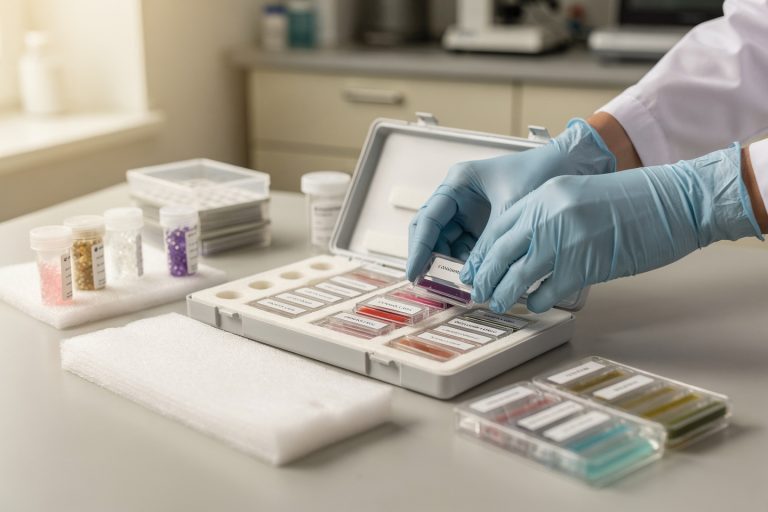
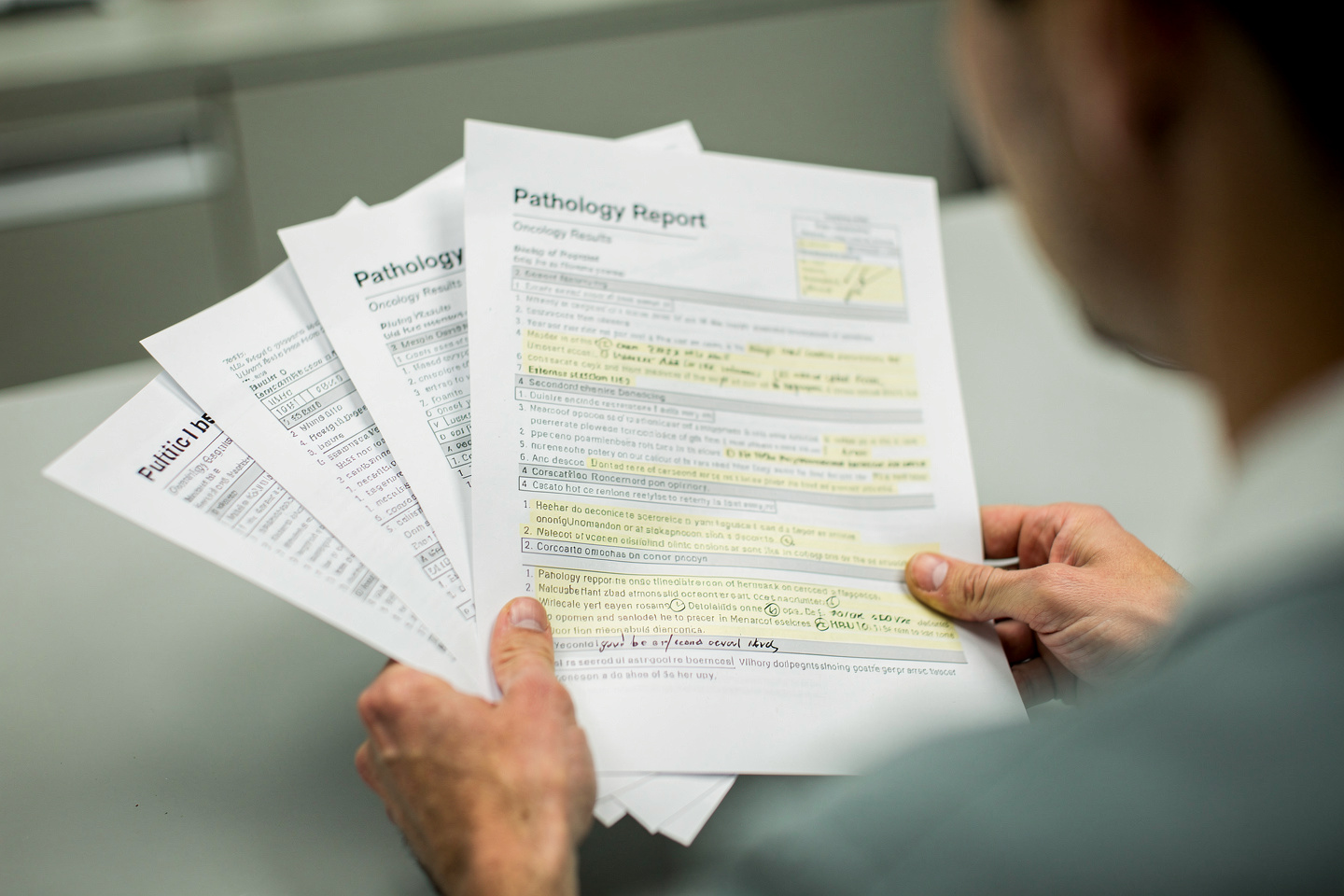
A Cancer Diagnosis Second Opinion is a focused review of the original diagnosis by another qualified pathologist, often with subspecialty expertise in the organ involved. The review usually includes the biopsy slides, the pathology report, and sometimes the tissue block used to prepare additional tests. This process is different from simply rereading the written report; the pathologist examines the actual cells under the microscope. In many cases, the review also checks whether the diagnosis, tumor grading, margins, and special studies all fit together.
A useful analogy is a complex legal contract. One expert may have already read it carefully, but another expert may notice a clause that changes the meaning or risk. In pathology, that clause may be a subtle growth pattern, a small area of invasion, or an unexpected staining result. A second pathology opinion can confirm the first diagnosis, refine it, or occasionally change it in a way that affects treatment. Patients who want to understand the basics can also review What Is a Pathology Report? before comparing opinions.
A cancer biopsy review is especially helpful when the diagnosis depends on details that are not visible on imaging scans or blood tests. Pathologists often use immunohistochemistry stains to identify the tumor type, confirm where it started, or separate cancer from a benign mimic. Molecular testing may also guide targeted therapy or immunotherapy in certain cancers. A diagnosis review should connect the microscopic findings with the clinical story, because a result that does not fit the broader picture deserves careful rechecking.
Seven Warning Signs a Review May Be Worthwhile

The first warning sign is a rare diagnosis. Rare cancers, unusual subtypes, and borderline tumors often require experience with a large number of similar cases. The second warning sign is a diagnosis that seems to change suddenly, such as a benign biopsy followed by an aggressive cancer diagnosis from a nearby site. The third warning sign is unclear language in the pathology report, including terms such as atypical, suspicious, cannot exclude, or indeterminate. These words do not automatically mean something is wrong, but they may mean the case is difficult.
The fourth warning sign is a mismatch between the pathology findings and the clinical picture. For example, a small biopsy may show low-grade disease while imaging suggests a much more aggressive process. The fifth warning sign is a major treatment decision based on a tiny tissue sample, because small samples can miss the most representative area of a tumor. In that setting, a cancer biopsy review can help confirm that the sampled tissue truly supports the proposed plan. A careful diagnosis review may also clarify whether more tissue, more imaging, or additional testing is needed.
The sixth warning sign is a report that lacks expected supporting studies. Some cancers rely heavily on immunohistochemistry stains, tumor grading, hormone receptor testing, mismatch repair testing, or molecular testing to classify the disease correctly. The seventh warning sign is a diagnosis made outside a center that regularly sees that cancer type. Community pathology practices provide excellent care, but uncommon cases may benefit from subspecialty review. Patients who feel overwhelmed by terminology may find Understanding Your Pathology Report: How to Read It with Confidence helpful before a consultation.
When a Cancer Diagnosis Second Opinion Matters Most

A Cancer Diagnosis Second Opinion matters most when the result will change treatment intensity. The difference between in situ disease and invasive cancer, low-grade and high-grade disease, or a primary tumor and a metastasis can lead to very different recommendations. A small wording change may influence whether surgery is limited or extensive, whether lymph nodes are sampled, or whether chemotherapy is recommended. This is why a second pathology opinion often focuses on the exact diagnostic category, not just whether cancer is present.
A Cancer Diagnosis Second Opinion can also matter when tumor grading is borderline or when immunohistochemistry stains produce an unusual pattern. Pathology is scientific, but it also involves expert interpretation, especially in difficult gray zones. Some cases are straightforward, while others resemble a puzzle with pieces from the microscope, medical history, imaging, and laboratory data. A diagnosis review helps make sure those pieces form a coherent picture. If the pieces do not fit, the review may recommend additional stains, molecular testing, or correlation with the treating physician.
The seriousness of needing a review should be understood calmly. Most second opinions confirm the original diagnosis, which can bring reassurance and confidence before treatment begins. Some reviews refine the diagnosis without completely changing the treatment plan, such as clarifying subtype or grade. A smaller group leads to a meaningful change, especially in rare tumors, borderline lesions, lymphoma, sarcoma, melanoma, gynecologic tumors, and prostate or breast biopsy cases. In those situations, a cancer biopsy review may prevent overtreatment, undertreatment, or treatment aimed at the wrong tumor type.
What Happens After a Second Opinion Review
After a review is requested, the original pathology laboratory usually sends glass slides, tissue blocks if needed, and the pathology report to the reviewing pathologist or institution. The reviewing pathologist examines the material and may compare the findings with the clinical notes, imaging summary, operative report, and previous biopsies. If the case requires more workup, additional immunohistochemistry stains or molecular testing may be recommended. The final report typically states whether the outside diagnosis is confirmed, modified, or disagreed with.
The next step depends on the result. If the diagnosis is confirmed, the treating team can move forward with greater confidence. If the diagnosis is modified, the oncologist, surgeon, or radiation oncologist may adjust the treatment plan. If there is a major discrepancy, the clinicians may discuss the case at a tumor board, request more tissue, or ask for another expert opinion. A cancer biopsy review is meant to support better decisions, not to create unnecessary delay.
Timing matters, but most reviews can be organized without stopping appropriate care. Patients can ask the treating office who handles slide requests and whether treatment should wait for the diagnosis review. The article How to Get a Second Opinion on Your Pathology Diagnosis explains the practical steps for obtaining slides and records. The key is to act early, before irreversible treatment decisions are made whenever possible. A well-documented review becomes part of the medical record and can help future specialists understand the case.
Questions to Ask a Doctor or Pathologist

- Is the cancer diagnosis based on a small biopsy, a larger excision, or both?
- Is the tumor type common, rare, or a subtype that usually benefits from expert review?
- Were immunohistochemistry stains performed, and do the results fully support the diagnosis?
- Does the tumor grading affect treatment choices in this specific cancer?
- Is molecular testing recommended before chemotherapy, immunotherapy, or targeted therapy begins?
- Would a second pathology opinion change surgery, radiation, chemotherapy, or surveillance options?
- Can the original slides and tissue blocks be sent for an outside diagnosis review?
These questions are not confrontational. They are practical tools for making sure the diagnosis has been checked from the right angles. A physician who is comfortable with the diagnosis should also be comfortable explaining how it was reached and whether further review is reasonable.
A second pathology opinion is particularly appropriate when a patient still feels that the explanation does not match the report or the clinical story. The Honest Pathology article When Should You Get a Second Pathology Opinion? gives additional context for patients deciding whether a formal review is worthwhile. Expert consultation can bring clarity even when the final answer stays the same.
Frequently Asked Questions
Can a second opinion change my cancer diagnosis?
Yes, a second opinion can change a cancer diagnosis, although many reviews confirm the original finding. Cancer Diagnosis Second Opinion is most likely to matter when the cancer is rare, borderline, or based on a small biopsy. The change may involve the tumor type, grade, stage-related features, or whether more testing is needed. Even when the diagnosis does not change, confirmation can help patients feel more secure before treatment.
When should I get a second opinion after a biopsy?
A second opinion after a biopsy is reasonable before major surgery, chemotherapy, radiation, or long-term treatment begins. Cancer Diagnosis Second Opinion is also worth considering when the pathology report uses uncertain language or when the diagnosis does not match imaging or symptoms. A review is especially helpful for rare cancers, lymphoma, sarcoma, melanoma, and unusual breast, prostate, lung, colon, or gynecologic tumors. The treating physician can usually help arrange slide transfer.
Will my doctor be offended if I ask for a second opinion?
Most physicians understand that cancer treatment decisions are serious and that patients may want confirmation. A second pathology opinion is a normal part of cancer care, especially at referral centers and academic hospitals. Asking for a review does not mean accusing anyone of making a mistake. It means making sure the diagnosis is solid before moving forward.
What materials are needed for a cancer biopsy review?
A cancer biopsy review usually requires the original glass slides, the written pathology report, and sometimes the tissue block. The reviewing pathologist may also need clinical notes, imaging summaries, operative findings, and prior biopsy results. Additional immunohistochemistry stains or molecular testing may be requested if the available material does not fully answer the question. The original laboratory can provide instructions for releasing materials.
How long does a diagnosis review take?
The timeline varies by laboratory, case complexity, and whether extra testing is needed. A straightforward diagnosis review may take only a few business days after the slides arrive. More complex cases can take longer if additional stains, molecular testing, or outside records are required. Patients should ask whether treatment timing depends on the final review result.
A cancer diagnosis can feel like a door closing, but a careful review can open a clearer path forward. Honest Pathology consultations are designed to help patients and families understand whether the diagnosis is well supported, what the report means, and what questions deserve attention before treatment decisions are finalized.
References:
National Cancer Institute — Pathology Reports
National Cancer Institute — Definition of Second Opinion
National Cancer Institute — Definition of Pathologist