Worried another visit will not answer the real question? A pathology second opinion can clarify the tissue diagnosis and guide next steps.
A pathology consultation second opinion can be more valuable than another doctor visit when the main uncertainty comes from the tissue diagnosis itself. A physician visit can explain symptoms, imaging, treatment choices, and overall health, but a pathologist answers a different question: What exactly did the biopsy, resection, or cytology sample show under the microscope? When that answer is unclear, surprising, high-stakes, or driving major treatment decisions, the slide review may matter more than repeating the same conversation in another exam room.
Receiving a pathology report can feel frightening because the words often sound technical and final. Terms such as carcinoma, atypia, dysplasia, grade, margins, or suspicious cells can make a patient feel as if a verdict has arrived without translation. The reality is more nuanced and often more hopeful. Pathology is the foundation of many diagnoses, but expert review can clarify whether the foundation is solid, incomplete, or needs additional testing.
What a Pathology Second Opinion Involves
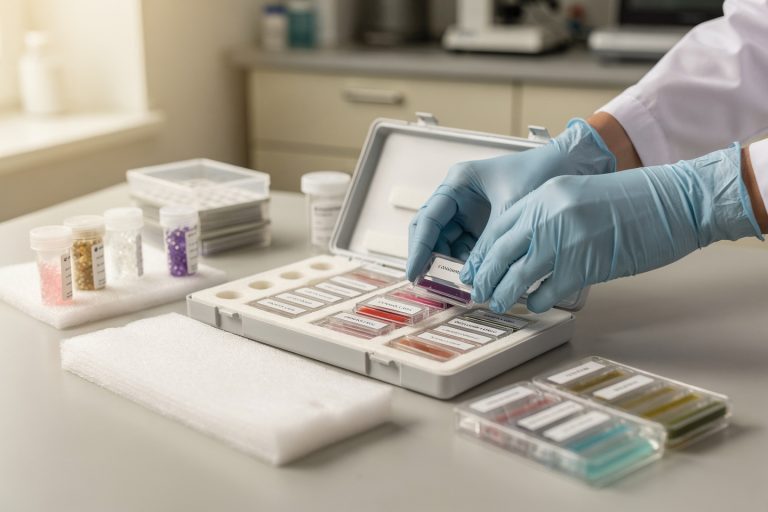
A pathology consultation second opinion is a focused expert review of the original slides, blocks, special stains, and report. It is not the same as starting over with a new biopsy in most cases. The consulting pathologist studies the same tissue and asks whether the diagnosis, classification, grade, margins, and recommended testing are supported by the microscopic findings. This process is often most helpful when a pathology report contains language that seems uncertain, complex, or different from what the clinical team expected.
A useful analogy is a second expert reading a difficult map before a long trip. The first map may be mostly correct, but a small error in the route can change the destination. In pathology, a small difference in a biopsy diagnosis can affect whether a condition is watched, removed, treated with medication, treated with radiation, or treated with systemic therapy. A second pathology opinion can confirm the original answer, refine it, or occasionally change it in a way that alters care.
The review typically begins with a medical records review, including the original pathology report, clinical history, imaging summaries when available, and prior biopsy results. The pathologist may request glass slides, paraffin blocks, or unstained sections if additional immunohistochemistry stains are needed. Patients who want basic background before requesting review may benefit from reading pathology report basics. Clear understanding makes the consultation feel less like a mysterious process and more like a targeted quality check on the diagnosis.
When Another Doctor Visit May Not Help

Another doctor visit can be very helpful when the concern involves treatment choices, side effects, symptoms, surgery options, or overall medical planning. However, that visit may not resolve uncertainty if the treatment plan depends on whether the pathology report is correct. Clinicians rely on the diagnosis they are given, just as pilots rely on the instruments in front of them. If the instrument reading may be uncertain, the next best step is often to check the instrument rather than ask another pilot to fly with the same data.
Pathologists often look closely at features that are not visible on scans or blood tests. These may include tumor grading, margin status, invasion depth, lymphovascular invasion, cell type, and patterns of growth. In some cases, immunohistochemistry stains help distinguish between look-alike diseases that behave differently and require different treatment. A difficult biopsy diagnosis may also require correlation with clinical history, imaging, and prior samples to avoid overcalling or undercalling the finding.
Several situations raise the value of a pathology-focused review. These include a rare diagnosis, an unexpected cancer type, disagreement between the biopsy and imaging, a diagnosis based on a tiny tissue sample, or a report that uses phrases such as suspicious for, cannot exclude, indeterminate, atypical, or limited sample. A second pathology opinion is also valuable when tumor grading or margin status will determine whether additional surgery, chemotherapy, radiation, or surveillance is recommended. Patients who are trying to interpret unfamiliar wording can also review how to read a pathology report with confidence before or after seeking consultation.
When a Pathology Second Opinion Matters More

Pathology consultation second opinion matters most when a single diagnostic phrase could change the entire care plan. For example, the difference between benign and malignant is obvious, but subtler differences can be just as meaningful. Low-grade versus high-grade disease, in situ versus invasive carcinoma, primary tumor versus metastasis, or negative versus positive margin status can change the urgency and type of treatment. In these settings, another clinical visit may repeat recommendations that are still built on an uncertain pathology foundation.
A pathology consultation second opinion can also be more valuable when the first report comes from a small sample. Needle biopsies, endoscopic biopsies, skin shaves, cytology specimens, and fragmented tissue can be challenging because only part of the lesion is sampled. A pathologist may need to decide whether the tissue truly represents the whole process or whether the wording should reflect uncertainty. When a biopsy diagnosis seems discordant with imaging, symptoms, or the surgeon’s impression, expert review can help decide whether the slides explain the clinical picture.
Serious does not always mean that the original diagnosis is wrong. Often, the most valuable result of a consultation is confirmation. Confirmation can reduce anxiety, support timely treatment, and help families feel that a major decision rests on carefully reviewed evidence. A second pathology opinion may also identify the need for additional immunohistochemistry stains, molecular testing, or comparison with older slides. When tumor grading is borderline or classification is difficult, that extra layer of review can prevent both overtreatment and undertreatment.
What Happens During and After the Review
The process usually starts with gathering the original pathology materials. A medical records review helps the consulting pathologist understand the clinical question, prior diagnoses, imaging findings, operative notes, and treatment history. The glass slides are then examined under the microscope, often with comparison to the written pathology report. If needed, the pathologist may recommend deeper tissue levels, additional stains, or further testing on the existing tissue block.
After the review, the result may fall into several categories. The diagnosis may be confirmed exactly, clarified with more precise wording, expanded with additional details, or changed. A second pathology opinion may also state that the sample is limited and that repeat biopsy or additional sampling should be considered if the clinical concern remains. A medical records review is especially helpful when the tissue findings and the patient’s clinical story do not seem to match.
The final consultation report should be shared with the treating physician, because clinical decisions still require the full medical context. Pathology consultation second opinion is not meant to replace an oncologist, surgeon, dermatologist, gastroenterologist, gynecologist, pulmonologist, or primary care physician. It answers the tissue question so the clinical team can make better decisions. Patients considering this step can find practical instructions in how to get a second opinion on a pathology diagnosis.
Questions to Ask Before Choosing the Next Step

- Does the treatment plan depend directly on the exact wording of the pathology report?
- Is the biopsy diagnosis rare, borderline, unexpected, or different from the imaging findings?
- Did the report mention atypical, suspicious, indeterminate, limited sample, or cannot exclude?
- Would a change in tumor grading alter surgery, radiation, chemotherapy, or surveillance?
- Is margin status unclear, close, positive, or central to the next treatment decision?
- Were immunohistochemistry stains performed, and are additional stains or molecular tests needed?
- Would a second pathology opinion provide a clearer answer before another specialist visit?
These questions help separate clinical uncertainty from diagnostic uncertainty. Clinical uncertainty is often best handled through another physician visit, while diagnostic uncertainty often benefits from pathology consultation. The distinction matters because a patient may otherwise spend time and energy hearing different treatment opinions based on the same unresolved tissue interpretation.
A medical records review can also identify whether the correct slides, blocks, prior reports, and imaging context are available for consultation. When the pathology question is central, requesting review before major treatment can be a calm and rational step. Additional guidance on timing is available in when to get a second pathology opinion. This approach supports clearer conversations with the treating doctor rather than replacing them.
Frequently Asked Questions
Is a pathology consultation better than seeing another doctor?
A pathology consultation is better when the main question is whether the tissue diagnosis is correct, complete, or specific enough to guide treatment. Another doctor visit is better when the diagnosis is settled and the remaining questions involve treatment options, risks, symptoms, or follow-up. A pathology consultation second opinion focuses on the slides and report, not on replacing the treating physician. Many patients benefit from both, but the order matters when the diagnosis itself is uncertain.
Can a pathology second opinion change my diagnosis?
A second pathology opinion can change a diagnosis, although many reviews confirm the original finding. Changes may involve benign versus malignant disease, tumor type, grade, invasion, margin status, or the need for additional testing. A confirmed diagnosis still has value because it gives the clinical team and family more confidence. The impact is greatest when the original biopsy diagnosis is rare, borderline, or based on limited tissue.
When should a patient request pathology consultation second opinion?
A patient should consider pathology consultation second opinion before major treatment when the report is unclear, surprising, or central to the treatment plan. This is especially true for rare tumors, borderline lesions, unexpected cancer types, or reports using uncertain language. The review is also reasonable when imaging and pathology do not seem to match. Early review can prevent delays later if the diagnosis is questioned after treatment planning has already begun.
Does a pathology consultation require another biopsy?
Most pathology consultations do not require another biopsy at the start. The consulting pathologist usually reviews existing glass slides, tissue blocks, stains, and the original pathology report. If the sample is too small or does not explain the clinical concern, the consultation may recommend repeat sampling. That recommendation can help the treating doctor decide whether more tissue is truly needed.
What should be sent for a medical records review?
A medical records review usually includes the original pathology report, relevant clinical notes, imaging reports, operative reports, prior biopsy results, and treatment history. The actual glass slides or tissue blocks are often needed for the pathology portion of the consultation. Prior reports are especially useful when comparing a new biopsy diagnosis with an older lesion or cancer. Complete records reduce the risk of interpreting the tissue without proper context.
Clear diagnosis is the starting point for clear treatment. When the question is rooted in the biopsy, slide review can offer answers that another office visit may not provide. Honest Pathology consultations are designed to help patients, caregivers, and treating clinicians understand whether the pathology diagnosis is confirmed, clarified, or in need of further workup.
References:
National Cancer Institute — Pathology Reports
National Cancer Institute — Definition of Pathologist
National Cancer Institute — Definition of Second Opinion