A cancer diagnosis can feel overwhelming. A pathology consultation helps confirm results and guide questions before treatment.
Cancer Pathology Consultation can help confirm whether a cancer diagnosis, tumor type, grade, stage-related information, and test results are accurate before treatment decisions are finalized. A diagnosis of cancer usually begins with tissue examined under a microscope, not with imaging or symptoms alone. That means the pathology report often becomes the foundation for surgery, chemotherapy, radiation, immunotherapy, or targeted therapy.
Receiving a cancer diagnosis can make time feel compressed. Patients may feel pressured to understand unfamiliar words, make urgent decisions, and trust that every detail is correct. A pathology second opinion is not a sign of distrust; it is a structured safety check on the evidence. In many cases, the original diagnosis is confirmed, which can bring relief and confidence. In other cases, a cancer diagnosis review may refine the diagnosis in a way that affects the treatment plan.
What a Cancer Pathology Consultation Involves
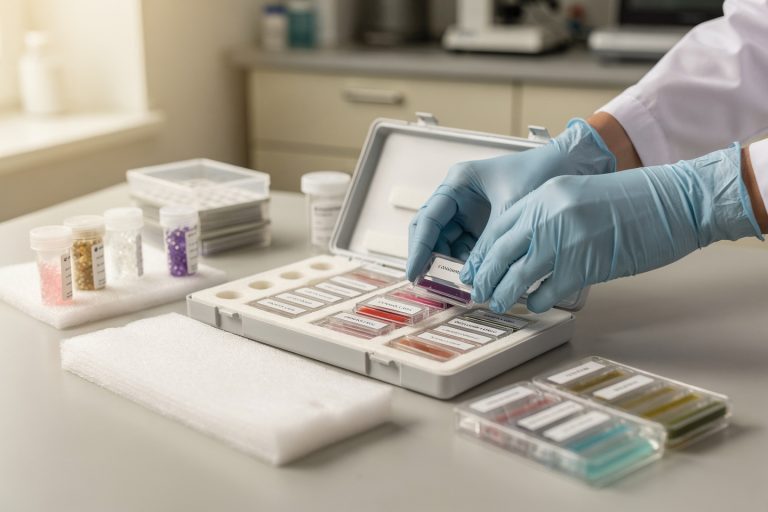
A Cancer Pathology Consultation is a focused review of the original biopsy or surgical specimen by another pathologist, often one with expertise in the suspected cancer type. The reviewing pathologist usually examines the glass slides, the pathology report, and any special stains or molecular results that were already performed. If needed, additional testing may be recommended to clarify the tumor type or guide therapy. This process is different from repeating the biopsy; it usually rechecks the tissue that has already been collected.
A useful analogy is a pilot checking the instruments before takeoff. The flight may already have a route, crew, and destination, but the instrument check confirms that the trip is based on reliable information. In cancer care, the pathology report functions like those instruments. It describes what the tumor is, how aggressive it appears, whether margins are involved, and whether biomarker testing may help select treatment. A cancer diagnosis review asks whether those details fit the tissue findings.
An expert pathology review may confirm the same diagnosis, clarify uncertain wording, or identify a meaningful difference. Sometimes the change is small, such as a more precise tumor subtype. Sometimes the change affects staging, eligibility for clinical trials, or the treatment plan. Many patients seek more background by reading What Is a Pathology Report? before requesting a consultation. Cancer Pathology Consultation is especially valuable when the report contains rare terminology, conflicting findings, or language such as suspicious, atypical, cannot exclude, or consistent with.
Why a Pathology Second Opinion May Be Recommended

A pathology second opinion may be recommended because cancer diagnosis depends on patterns that can be subtle. Pathologists look at cell shape, tissue architecture, invasion, margins, lymphovascular invasion, necrosis, and other microscopic clues. The diagnosis may also rely on immunohistochemistry, biomarker testing, or molecular testing. These tools can be powerful, but they still require interpretation in the context of the case. A rare tumor type can look similar to a more common tumor, especially in a small biopsy.
There are several common reasons a pathology report may need additional review. The biopsy may contain only a small amount of tumor. Prior treatment, inflammation, crush artifact, or poor fixation can make cells harder to interpret. Some cancers have overlapping features, such as poorly differentiated carcinomas, lymphomas, sarcomas, melanomas, and metastatic tumors from another organ. In these situations, biomarker testing may help identify the tumor type, but the pattern of staining must still make biological sense.
A pathology second opinion can also help when the clinical story and the diagnosis do not seem to match. For example, imaging may suggest one primary site while the biopsy suggests another. A patient may receive a pathology report that names a cancer but does not clearly explain whether the tumor started in that organ or spread from elsewhere. The purpose of the review is to bring the microscope findings, clinical information, and treatment plan into alignment. Patients who want a practical overview of the process may find How to Get a Second Opinion on Your Pathology Diagnosis helpful before contacting a treating team.
When a Cancer Pathology Consultation Matters Most

Cancer Pathology Consultation matters most when a diagnosis carries major treatment consequences or uncertainty remains after the initial workup. A pathology second opinion is often considered for rare cancers, borderline diagnoses, unusual tumor type, unexpected metastatic disease, or results that would lead to aggressive therapy. It may also be helpful before a major operation, before starting chemotherapy, or before choosing targeted therapy based on biomarker testing. The goal is not to delay care without reason. The goal is to make sure the treatment plan is built on the most accurate diagnosis available.
How serious the need for review feels depends on the specific situation. If the tumor is common, the report is clear, and the clinical findings match, the consultation may mainly provide confirmation and reassurance. If the report contains uncertain wording, conflicting stains, or a rare diagnosis, the review can become more consequential. Cancer Pathology Consultation may also be more urgent when treatment choices differ sharply between diagnoses. For example, lymphoma, carcinoma, melanoma, and sarcoma can require very different therapies even when they appear in the same body site.
Patients sometimes worry that requesting an expert pathology review will offend the treating doctor. In routine cancer care, second opinions are common and generally respected. A careful cancer diagnosis review can support the treating team by reducing uncertainty before major decisions are made. The result may confirm the original pathology report, modify a detail, or recommend added testing. Cancer Pathology Consultation is not about blame; it is about precision when the stakes are high.
What Happens After the Review
After the slides and records are reviewed, the consulting pathologist issues a written report or consultation letter. This document may agree with the original pathology report, provide a refined diagnosis, or explain why additional studies are needed. If biomarker testing has not been completed, the report may recommend it when clinically appropriate. The treating oncologist, surgeon, or radiation oncologist then integrates the pathology findings with imaging, physical examination, and laboratory results. A treatment plan is strongest when all of these pieces point in the same direction.
If the consultation confirms the original diagnosis, that result still has value. Confirmation can help patients move forward with less doubt, especially when therapy feels intimidating. If the diagnosis changes, the medical team may adjust treatment, request more tissue, perform additional staging, or discuss the case at a tumor board. In some cases, the change may be a refined tumor type rather than a completely different cancer. In other cases, the change can affect surgery, radiation fields, chemotherapy choices, immunotherapy eligibility, or targeted therapy options.
An expert pathology review works best when the reviewing pathologist has access to the full context. That usually includes the original pathology report, slides, tissue blocks if needed, operative notes, imaging impressions, and prior biopsy history. Patients can prepare by asking which materials are required and whether the reviewing institution will request them directly. The article When Should You Get a Second Pathology Opinion? explains common scenarios where review may be especially useful. Clear communication between the treating team and the reviewing pathologist helps prevent delays and keeps the treatment plan moving.
Questions to Ask Before a Pathology Consultation

- Has the original pathology report been finalized, or are additional stains still pending?
- Does the report name a specific tumor type, or does it describe uncertainty?
- Would a pathology second opinion change surgery, chemotherapy, radiation, immunotherapy, or targeted therapy decisions?
- Has biomarker testing been completed, and is the tissue sample adequate for additional testing?
- Are the glass slides, tissue blocks, and prior reports available for expert pathology review?
- Does the diagnosis fit the imaging findings and clinical history?
- Should the case be reviewed by a cancer center, subspecialty pathologist, or tumor board?
These questions help turn a frightening document into a focused conversation. A pathology report can contain many technical details, but not every detail has the same effect on care. Resources such as Understanding Your Pathology Report: How to Read It with Confidence can help patients identify which terms deserve discussion. A cancer diagnosis review can then address the most relevant uncertainties rather than repeating information that is already clear.
A consultation is most helpful when the question is specific. Examples include whether the tumor type is correct, whether margins are involved, whether grading is appropriate, or whether further biomarker testing is needed. Expert pathology review can also explain why a diagnosis was made and what limitations remain. When uncertainty affects treatment choices, a second review can provide a calmer path forward.
Frequently Asked Questions
Should I get a pathology consultation after a cancer diagnosis?
Cancer Pathology Consultation may be worth considering when the diagnosis is rare, unexpected, uncertain, or linked to major treatment decisions. It can also be helpful when the pathology report uses unclear language or when imaging and biopsy findings do not seem to match. Many consultations confirm the original diagnosis, which can still provide reassurance. The best timing is usually before irreversible treatment decisions are made.
Can a second pathology opinion change my cancer diagnosis?
A pathology second opinion can change a diagnosis, although the original diagnosis is often confirmed. Changes may involve the tumor type, grade, margin status, stage-related features, or recommended biomarker testing. Even a small change can affect the treatment plan in certain cancers. A cancer diagnosis review is designed to identify those differences before care moves forward.
Will asking for a pathology consultation delay treatment?
Cancer Pathology Consultation can take time, but many reviews are completed quickly once slides and records are received. The treating team can help determine whether the review should happen before treatment starts or while other planning continues. A short, purposeful review may prevent larger delays caused by uncertainty later. Urgency depends on the cancer type, symptoms, and planned therapy.
What materials are needed for a pathology second opinion?
A pathology second opinion usually requires the original pathology report and the glass slides from the biopsy or surgery. Tissue blocks may be requested if additional stains, molecular studies, or biomarker testing are needed. Clinical notes, imaging impressions, and prior pathology reports can help the reviewing pathologist understand the full picture. The receiving institution often provides instructions for transferring materials safely.
What if the consultation disagrees with the first pathology report?
When reports disagree, the treating doctor usually reviews both opinions and may request discussion between pathologists. A tumor board may also compare the pathology findings with imaging and clinical information. Sometimes additional testing resolves the difference. The final treatment plan should be based on the most accurate and best-supported interpretation of the tissue.
A cancer diagnosis can feel overwhelming, but the pathology can be checked, clarified, and explained. Cancer Pathology Consultation offers a way to slow the decision down just enough to make sure the foundation is solid. Honest Pathology consultations can help patients and families understand whether a report is complete, clear, and aligned with the next medical steps.
References:
National Cancer Institute — Pathology Reports Fact Sheet
National Cancer Institute — Second Opinion Definition
National Cancer Institute — Pathologist Definition