Worried by Pathology consultation results? Learn what they mean, when they change care, and what to ask your doctor next.
Waiting for another expert to review a diagnosis can make an already stressful medical situation feel even more uncertain.
In pathology, however, a consultation is often a careful safety step. It means another pathologist has reviewed the material behind a biopsy, surgery specimen, or laboratory-based diagnosis and has written an additional medical opinion. That opinion may confirm the original diagnosis, clarify uncertain wording, add important details, or occasionally change the diagnosis in a way that affects treatment.
When a doctor recommends a consultation, or when a patient requests one, the process can feel unsettling. Many patients hear the word consultation and worry that something must be wrong. Often, the opposite is true: this review can support quality, bring subspecialty expertise to a difficult case, and help the care team make decisions with greater confidence.
Pathologists understand how much weight a few words on a report can carry. A term like atypical, suspicious, high grade, or indeterminate can keep a person awake at night. This article explains what a consultation does, what it cannot do, and how the results can help patients walk into the next appointment with better questions and more confidence.
What a Pathology Consultation Reviews

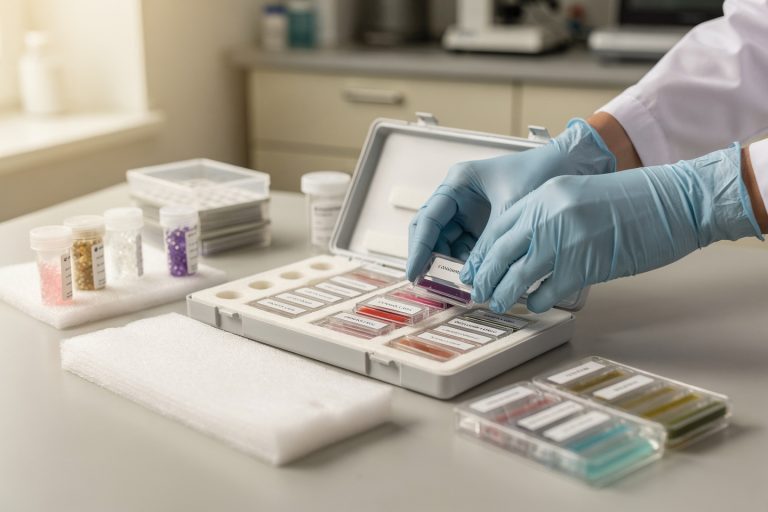
A pathology consultation is a second look at the evidence that supports a diagnosis. That evidence may include glass microscope slides, tissue blocks, prior pathology reports, imaging notes, operative findings, and clinical history. The pathologist reviewing the case may be a general surgical pathologist or a subspecialist in breast, prostate, lung, gastrointestinal, gynecologic, skin, bone, soft tissue, or blood-related disease. The final written opinion becomes the pathology consultation result.
This process is similar to asking a master mechanic to inspect the engine after another mechanic has already found a problem. The first mechanic may be correct, but the second person may notice a detail that changes how the repair should be done. In pathology, that detail might be tumor type, grade, margin status, invasion, biomarker interpretation, or whether a lesion is benign, precancerous, or malignant. A second pathology opinion can be especially helpful when treatment choices depend on fine distinctions under the microscope.
A consultation is not the same as repeating the biopsy. Most of the time, the reviewing pathologist uses the same tissue already collected, which means no new procedure is needed. A pathology report review may also include checking whether the report answers the clinical questions the doctor needs for treatment planning. For a fuller primer before this step, What Is a Pathology Report? may be helpful. An expert pathology review focuses on the tissue diagnosis and the medical meaning of the words in the report.
Why Doctors Request a Second Pathology Review

A doctor may recommend a consultation because the diagnosis is rare, borderline, complex, or treatment-defining. Some cancers and precancerous conditions have patterns that overlap with benign mimics. Some inflammatory, autoimmune, infectious, and reactive changes can also resemble cancer in small biopsy samples. In those situations, a pathology report review helps make sure the microscopic interpretation matches the whole clinical picture.
In the laboratory, the reviewing pathologist may examine the original microscope slides and decide whether more work is needed. Sometimes the original slides are enough. Other times, the pathologist may request the tissue block so new sections, special stains, or immunohistochemistry can be performed. Special stains can highlight organisms, mucin, iron, amyloid, collagen, or other tissue features that are hard to see on the routine stain.
The goal is not to disagree for the sake of disagreement. The goal is diagnosis confirmation, clarification, or correction when the evidence supports it. A tissue diagnosis is built from many pieces: the microscopic pattern, the patient’s history, the specimen site, the gross description, and any additional tests. Microscope slides are powerful, but they are interpreted in context. When a second pathology opinion adds that context, the final report may become clearer and more useful for the care team.
When a Consultation Can Affect Care
Pathology consultation results can be very reassuring, moderately clarifying, or clinically significant, depending on what changes after review. In many cases, the consultant confirms the original diagnosis and may add details that make treatment planning smoother. That kind of diagnosis confirmation can reduce uncertainty, even if the underlying condition still needs treatment. It tells the care team that the foundation of the plan is solid.
Sometimes the consultation shows a meaningful difference from the first report. A lesion first called suspicious may be finalized as benign, precancerous, or malignant. A tumor may be reclassified into a different subtype, or the grade may change after expert pathology review. These changes matter because treatment is often tailored to the exact tissue diagnosis, not just the organ where the disease started.
The most consequential situation is when the review changes the diagnosis in a way that changes surgery, chemotherapy, radiation, immunotherapy, hormonal therapy, or surveillance. Even then, a changed report does not mean anyone failed the patient. Pathology is a visual and interpretive medical specialty, and some cases live in the gray zones where experience and subspecialty review are valuable. A second pathology opinion is one way medicine builds checks and balances into high-stakes decisions. For patients who are unsure whether a case needs another look, When Should You Get a Second Pathology Opinion? explains common situations where review may help.
What Happens After the Consultation Report

After a consultation, the doctor will compare the new report with the original report and the clinical situation. If the pathology consultation results agree with the first diagnosis, the treatment plan may continue as expected. If the report adds missing information, the doctor may use it to choose the type of surgery, determine whether lymph nodes need attention, select medication, or plan follow-up. If the opinion differs, the care team may discuss the case in a tumor board or multidisciplinary conference.
Monitoring depends on the condition being reviewed. For a benign diagnosis, monitoring may mean routine follow-up or no additional treatment. For a precancerous change, monitoring may involve repeat sampling, imaging, or removal of the area. For cancer, diagnosis confirmation helps guide staging, margins, biomarkers, and treatment intensity.
A patient may also receive an amended report, an outside consultation report, or a note in the medical record summarizing the consultation. A pathology report review can feel technical, so patients should ask the doctor to translate the final impression into a treatment decision. Special stains, molecular tests, or biomarker studies may appear in the addendum if they were needed. For patients trying to understand the structure of a report, Understanding Your Pathology Report: How to Read It with Confidence can help connect the sections to the decisions ahead.
Questions That Make the Results Easier to Discuss

- Was the consultation done for diagnosis confirmation, treatment planning, or both?
- Did the second pathology opinion agree with the original report?
- If there was a difference, what specific word or diagnosis changed?
- Were the original microscope slides enough, or were new tests performed?
- Did special stains, immunohistochemistry, or molecular testing affect the final interpretation?
- Does this expert pathology review change surgery, medication, radiation, or the follow-up plan?
- Can the full consultation report be provided and reviewed with the doctor?
These questions are meant to turn a confusing report into a conversation. Patients do not need to become pathologists to advocate for themselves. They only need to understand which part of the report drives the next medical decision.
Patients considering a consultation on their own can start by asking where the slides and tissue blocks are stored and whether the treating physician can request release of the materials. The process is usually more straightforward than patients expect. For step-by-step help, How to Get a Second Opinion on Your Pathology Diagnosis is available.
Frequently Asked Questions
What is a pathology consultation?
A pathology consultation is an additional expert review of the tissue, cells, or laboratory material behind a diagnosis. The consultant examines the original evidence and may confirm, clarify, or change the diagnosis. The written opinion is then sent to the doctor. Most consultations use existing tissue, so another biopsy is usually not needed.
Does a pathology consultation mean I have cancer?
No. A consultation does not automatically mean a patient has cancer. These reviews are used for benign, precancerous, inflammatory, infectious, autoimmune, and cancer-related diagnoses. A doctor may request one because the case is complex or because treatment depends on exact wording. In many situations, it is a careful quality step rather than a reason to panic.
Can pathology consultation results change my treatment?
Yes. Treatment can change if the diagnosis, grade, margin status, tumor type, or biomarker interpretation changes. In other cases, the consultation confirms the original diagnosis and supports the plan already being discussed. Both outcomes are useful: a confirmed diagnosis can be just as valuable as a changed one because it gives the care team a firmer foundation.
How long does a pathology report review take?
Timing varies by hospital, laboratory, and whether extra tests are needed. A straightforward review may take a few days after the slides arrive. If the consultant needs tissue blocks, special stains, molecular testing, or outside records, it can take longer. Patients can ask the doctor when the materials were sent, not just when the request was placed.
Should I get an expert pathology review before treatment?
An expert pathology review is often worth considering before major treatment when the diagnosis is rare, borderline, unexpected, or high impact. It can also help if a report contains uncertain wording or if treatment options differ sharply depending on the diagnosis. The review may confirm the plan or reveal details that should be discussed first. If treatment is urgent, the care team can explain how quickly another opinion can be completed.
Receiving another pathology opinion can feel like one more delay in an already stressful time. In many cases, it is actually a way to protect the accuracy of the decision being made. Honest Pathology consultations are available to help patients understand report language and real-world implications with clarity and care.
References:
National Cancer Institute — Pathology Reports
National Cancer Institute — Finding a Doctor or Treatment Facility
College of American Pathologists — Cancer Protocol Templates