Worried your report may be wrong? Second pathology opinion can clarify the diagnosis, next steps, and questions to ask today.
When a biopsy result feels confusing or life-changing, it is reasonable to want another expert to look carefully before major decisions are made. A second pathology opinion involves another qualified pathologist reviewing the case to confirm, refine, or sometimes change what the original pathology report says. This review may include the written report, microscope slides, special stains, molecular results, and the clinical history supplied by the treating doctor. In real life, it is often requested when the diagnosis is rare, unexpected, borderline, or closely tied to major treatment decisions.
For a patient frightened by a biopsy result, it is important to know right away: asking for another review is not rude, dramatic, or distrustful. It is a normal part of careful medical care. Pathology is the foundation for many cancer and non-cancer diagnoses, and another expert review can help everyone feel more certain before treatment begins.
Pathologists often see how much anxiety can come from one unfamiliar phrase on a report. The goal is to show patients exactly how the process works, what to ask for, and how to move forward with more confidence.
What Another Pathologist Reviews

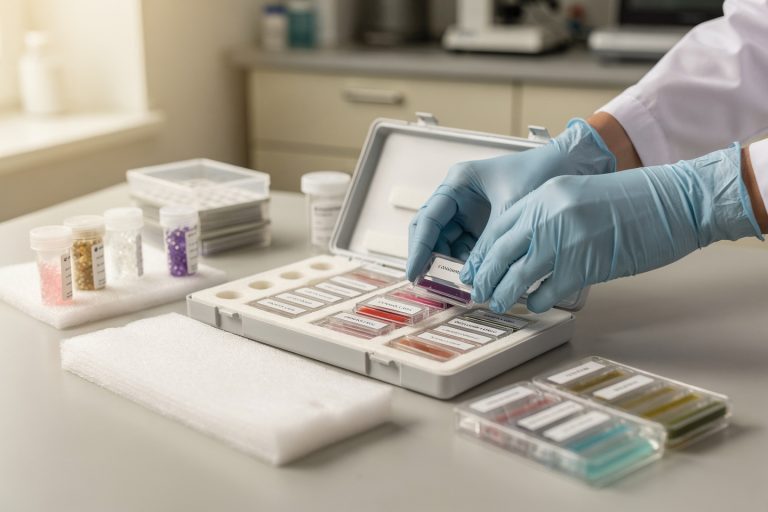
A second pathology opinion is a formal diagnostic review of the original pathology materials by another pathologist. The reviewer may look at the same glass slides that were examined the first time, compare them with the pathology report, and decide whether the original interpretation is supported. Think of it like asking another highly trained translator to read the same complex document in a specialized language. The tissue has not changed, but another expert may notice a clue, confirm the wording, or suggest a more precise classification.
The pathology report is the written summary of what the pathologist saw and concluded. For patients still learning the basics, What Is a Pathology Report? may be helpful before an appointment. A second opinion does not always mean someone thinks the first pathologist made a mistake. More often, it means the diagnosis is consequential enough that extra certainty is worth the effort.
A pathology diagnosis can influence surgery, chemotherapy, radiation, immunotherapy, surveillance, or no treatment at all. That is why the review process may include the original glass slides, tissue blocks, immunohistochemistry stains, and clinical notes. In some cases, the reviewer agrees completely with the first diagnosis, which can be very reassuring. In other cases, the wording changes slightly, and that small wording change may help the care team choose the most appropriate next step.
When a Pathology Diagnosis Needs a Closer Look

Most people seek another review because something in the pathology report feels confusing, frightening, or too important to accept without another look. Common triggers include an unexpected cancer diagnosis, a rare tumor type, unclear margins, unusual grading, a mismatch between imaging and biopsy results, or language such as “atypical,” “suspicious,” or “cannot exclude.” The laboratory may also have used special studies, such as immunohistochemistry, to help classify the cells. When the diagnosis depends on subtle patterns, another set of expert eyes can be valuable.
The materials used in a diagnostic review usually include glass slides and, when needed, tissue blocks. Glass slides are thin sections of a biopsy or surgical specimen mounted for microscope review. Tissue blocks are the small wax-preserved pieces of tissue kept by the original laboratory, and they can be used to make additional slides or special stains. If molecular testing or biomarker results are involved, those results should also be sent with the medical records.
There are many reasons a pathology diagnosis may need clarification without anyone doing anything wrong. Some diseases genuinely overlap under the microscope, especially in breast, prostate, lung, colon, skin, soft tissue, gynecologic, and blood-related pathology. Sampling can also matter because a needle biopsy captures only part of a larger process. A diagnostic review helps compare the microscopic findings with the clinical story so that the final interpretation fits the whole picture.
When a Second Opinion Can Affect Care
A second pathology opinion is serious in the sense that it may affect real treatment decisions, but requesting one does not mean the situation is automatically worse. Many reviews confirm the original pathology diagnosis exactly. That confirmation can reduce fear, support the current treatment plan, and make it easier to move forward. Sometimes the review changes the grade, subtype, margin interpretation, or recommended additional testing, and those changes can matter.
The impact depends on what is being reviewed. A second pathology opinion for a rare cancer, borderline lesion, unexpected benign diagnosis, or complex biopsy is more likely to influence care than a review of a very straightforward finding. A second opinion may also be especially helpful if the treatment options are very different depending on one phrase in the report. For example, the difference between “in situ” and “invasive,” or between a low-grade and high-grade tumor, can lead to very different conversations.
Patients are encouraged to think of this process as a safety check, not a crisis signal. In aviation, a pilot uses checklists not because disaster is expected, but because the stakes are high. Medicine works the same way. If a pathology report will guide major surgery, chemotherapy, radiation, or long-term surveillance, a diagnostic review can be a calm and reasonable step.
For patients unsure whether a case fits, When Should You Get a Second Pathology Opinion? explains situations where review is especially useful. Patients can also compare that advice with their own symptoms, imaging, and treatment timeline. The goal is not to delay care unnecessarily. The goal is to make sure the plan rests on the most accurate diagnosis possible.
What Happens After the Review Is Requested

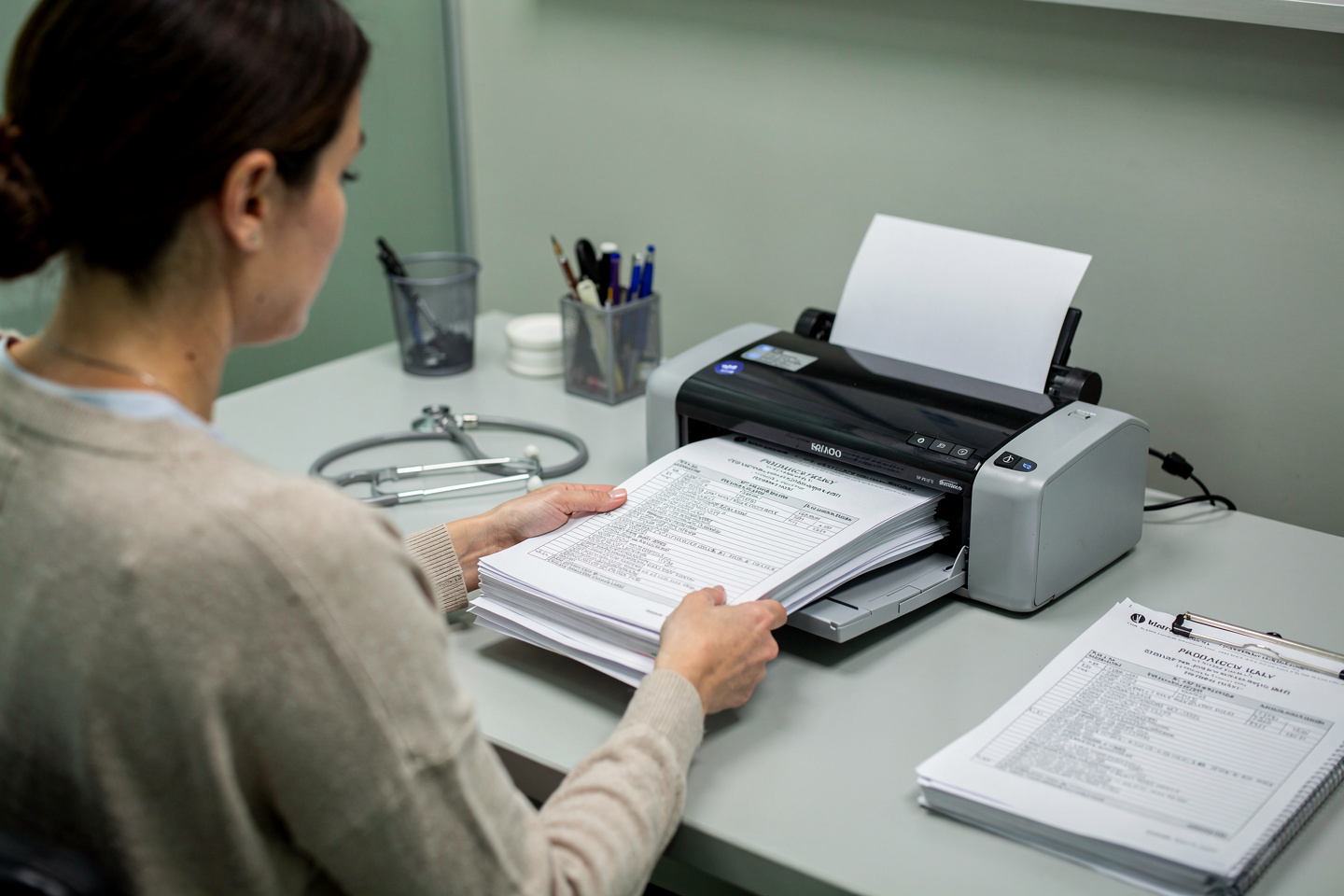
The first practical step is to ask the treating doctor, surgeon, oncologist, or the original pathology laboratory how to request release of the materials. A patient may need to sign a form allowing medical records, glass slides, and sometimes tissue blocks to be sent to another institution or independent pathology consultant. This is a routine request, and pathology departments handle it often. Patients do not need to apologize for asking.
Once the materials arrive, the reviewing pathologist compares the original pathology report with the slides and available clinical information. If the case involves cancer, the review may also consider tumor type, grade, margin status, lymphovascular invasion, lymph node findings, biomarkers, and molecular testing. If the original report included terms that are difficult to understand, Understanding Your Pathology Report: How to Read It with Confidence can help patients prepare better questions. A second opinion should ideally produce a written report or formal letter that the treating team can use.
After the review, the doctor will explain whether the diagnosis was confirmed, refined, or changed. If treatment has not started, the second opinion may help finalize the plan. If treatment already began, the review may still be useful, especially if the care team is considering a change in therapy. Patients should keep copies of medical records and the final second opinion report in one place so they can bring them to future visits.
Questions That Help Clarify the Diagnosis

- Should my original glass slides be reviewed before treatment begins?
- Does my pathology report contain any uncertain, borderline, or high-impact wording?
- Would tissue blocks be needed for additional stains or molecular testing?
- Does the pathology diagnosis match my imaging, symptoms, and physical exam?
- Could a second opinion change surgery, chemotherapy, radiation, or surveillance?
- Who will coordinate sending my medical records and pathology materials?
- How long can we safely wait for the second opinion before making treatment decisions?
These questions help move the conversation from fear to facts. A patient is not asking the doctor to choose sides between pathologists. The question is whether the diagnosis is clear enough for the next decision. That is a fair and medically reasonable question.
For a more detailed step-by-step explanation, How to Get a Second Opinion on Your Pathology Diagnosis may also be helpful. A second pathology opinion works best when the reviewer has the full story, not just one page of text. Patients should bring the pathology report, imaging summaries, operative notes, biomarker results, and any prior biopsy history if they have them.
Frequently Asked Questions
How do I ask for a second opinion on a pathology report?
A patient can begin by telling the treating doctor that another pathology review is desired before the treatment plan is finalized. The next step is to ask which office will request the glass slides, tissue blocks, and medical records from the original laboratory. Most hospitals and pathology departments have a standard process for releasing materials for outside review.
Will my doctor be offended if I ask for a second pathology opinion?
Most doctors are not offended by this request, especially when the diagnosis affects surgery, cancer treatment, or long-term follow-up. Careful clinicians understand that pathology can be complex and that confirmation may help the whole team move forward with greater confidence. A simple explanation, such as wanting to be as certain as possible before treatment, is medically reasonable and respectful.
How long does a pathology second opinion take?
The timing depends on how quickly the original laboratory sends the materials and how complex the case is. Many reviews are completed within several days to two weeks after the slides arrive. Cases requiring additional stains, tissue blocks, molecular testing, or subspecialty input may take longer. Patients should ask the treating team whether any treatment decision is time-sensitive while the review is pending.
Can a second opinion change my cancer diagnosis?
Yes. Another review can sometimes change a cancer diagnosis, although many cases confirm the original findings. Changes may involve tumor type, grade, margin status, invasion, or biomarker interpretation. Even a small wording change can affect treatment in some situations. If a report includes markers such as Ki-67, What Does Ki-67 Mean and How High Is Concerning? may be useful.
What records do I need for a pathology second opinion?
Patients usually need the pathology report, glass slides, and relevant medical records. In some cases, the reviewer may also need tissue blocks, imaging reports, operative notes, biomarker results, and prior biopsy reports. A more complete clinical picture gives the pathologist better context for interpreting the slides. Patients should keep copies of all final reports for future appointments.
Getting another review can feel intimidating, but it is often a calm, practical way to protect decision-making. If help is needed to understand a report or decide whether a review makes sense, Honest Pathology consultations are built for exactly that conversation. Patients deserve clear answers before life-changing treatment choices are made.
References:
National Cancer Institute — Pathology Reports
National Cancer Institute — Definition of Pathology Report
College of American Pathologists — Cancer Protocol Templates