Worried about Pathology slides second opinion logistics? Learn how labs send slides and tissue blocks, and what to ask before your consult.
When tissue samples are being sent from one laboratory to another, it is natural for patients to feel anxious about what is happening behind the scenes. A pathology slides second opinion involves another pathologist reviewing the same material that was already collected, usually by receiving the original slides, recuts, a tissue block, or digital images from the first laboratory. The goal is not to repeat the biopsy, but to take a careful second look at the existing sample. In many cases, this review can confirm the diagnosis, refine it, or add information that affects treatment planning.
Hearing that slides need to be sent out can feel unsettling. Many patients imagine their tissue sample being misplaced, delayed, or handled casually, but accredited laboratories use formal tracking systems and written procedures. Patients can ask how the process works, where the material is going, and how long it may take.
Pathologists treat tissue as irreplaceable. It represents a part of a patient’s body and a major decision point in care. Understanding how samples move between labs can replace a lot of fear with practical confidence.
What Is Sent for a Slide Review

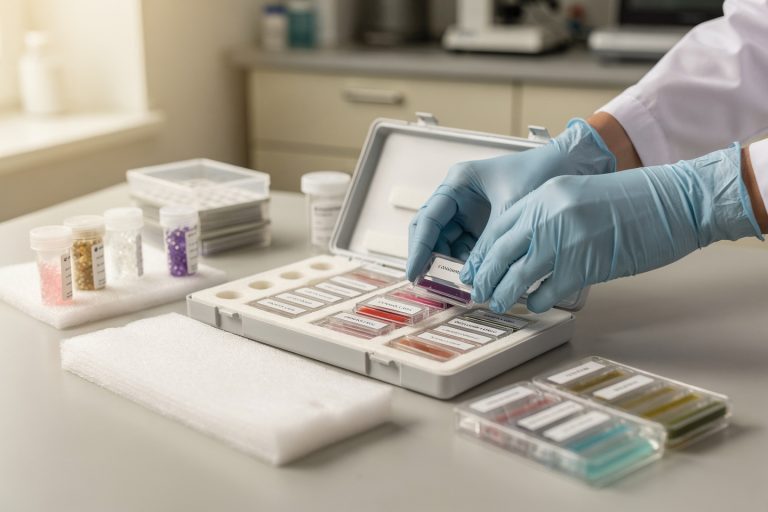
A second pathology review is an examination of the original diagnostic material by another pathologist, often at another hospital, academic center, or consultation service. Most of the time, the material includes stained glass slides, which are thin slices of tissue mounted on slides and viewed under a microscope. Sometimes the second lab also asks for the paraffin block, which is the small wax block that contains the remaining preserved tissue. The consulting pathologist compares the microscopic findings with the patient’s clinical history and the outside pathology report.
Think of the first pathology lab as creating a detailed photograph album of the tissue. The glass slides are the printed photos, and the tissue block request is like asking for the original camera file so more images can be made if needed. A pathology slide review does not mean the first pathologist did anything wrong. It means the diagnosis is important enough that another trained set of eyes may help confirm the answer.
This can be especially helpful when the diagnosis is rare, borderline, complex, or treatment-changing. For example, the difference between a benign tumor, a precancerous lesion, and an invasive cancer can sometimes depend on very small microscopic details. The second opinion process may also include special stains, immunohistochemistry, or molecular testing if more tissue is available. For patients still learning the basics, What Is a Pathology Report? explains what pathologists actually report and why those words matter.
Why Doctors Request Another Pathologist’s Review
A doctor may recommend a pathology slides second opinion for several reasons. One common reason is that the diagnosis will guide major treatment decisions, such as surgery, chemotherapy, radiation, targeted therapy, or active surveillance. Another reason is that the case may have unusual features, such as an uncommon tumor type, an unexpected grade, or findings that do not fully match the imaging or clinical picture. The outside pathology report becomes the starting point, but the second pathologist independently reviews the tissue.
When a laboratory shares material, the team usually sends selected glass slides first. These slides may include routine hematoxylin and eosin stains, also called H&E stains, plus any special stains already performed. If the receiving pathologist needs more sections, the original lab may receive a tissue block request. The paraffin block allows the lab to cut additional thin sections for further study, but it is handled carefully because the remaining tissue may be limited.
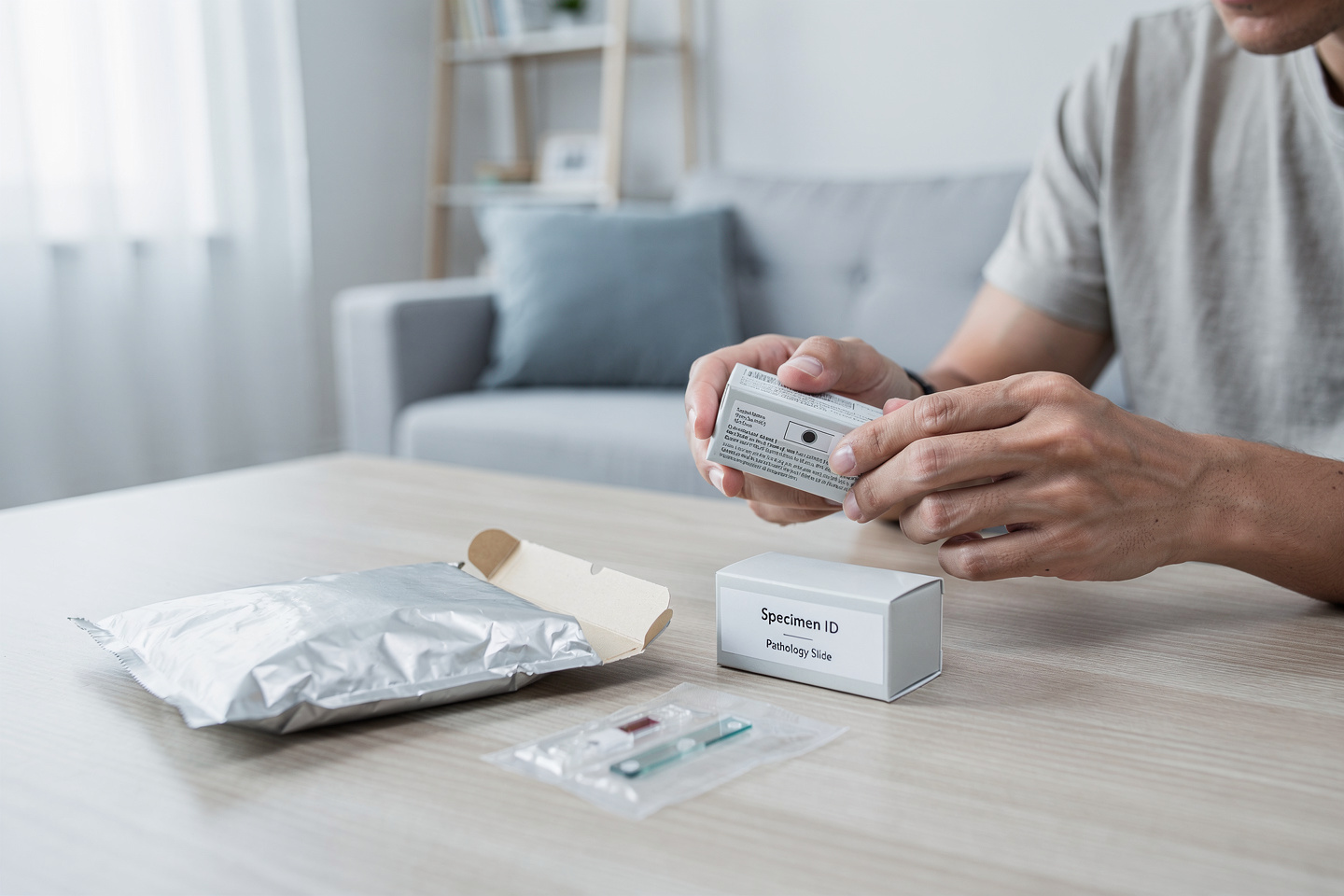
Labs also track the chain of custody, which means they document who prepared, packed, shipped, received, and returned the material. This record helps protect the sample and maintains accountability at every step. In many labs, the glass slides are placed in protective slide mailers, labeled with unique identifiers, and shipped with paperwork that matches the case number. For patients who want help understanding what is already in the report before the review happens, this resource on understanding your pathology report can make the language less intimidating.
When a Slide Review Matters Most
A request for another pathology review can sound serious, and sometimes it is made because the diagnosis has major consequences. That said, the request itself does not automatically mean the diagnosis is worse than a patient was told. Many consultations confirm the original diagnosis, which can give patients and care teams more confidence. A pathology slide review is often a safety step, especially before major surgery or cancer treatment.
The level of urgency depends on the clinical situation. If the diagnosis is a fast-growing cancer, the care team may ask the receiving lab to review the case quickly, sometimes within a few business days after the slides arrive. If the review is for a slow-growing tumor, a borderline lesion, or a nonurgent clarification, it may take longer. The process becomes more time-sensitive when treatment is waiting on a final tumor type, grade, margin status, or biomarker result.
There are also practical issues that can affect timing. If the first lab sends only limited glass slides and the consultant needs more tissue, the receiving pathologist may request the paraffin block. If the tissue block request involves a small biopsy with very little tissue left, the laboratories may discuss the safest way to preserve material for future tests. The chain of custody matters here because the lab must know exactly where the material is at all times, especially when treatment decisions depend on it.
The most reassuring point is that this is a normal and established part of pathology practice. An outside pathology report is often reviewed at major cancer centers before a patient starts care there. This does not mean the case is being ignored or delayed without purpose. It means the care team wants the diagnosis to be as accurate as possible before moving forward.
What Happens After the Slides Are Requested

Once a doctor orders a pathology slides second opinion, the first step is usually a release form. This form gives permission for the original laboratory to send the materials to the consulting pathologist or hospital. Some institutions handle the request directly, while others ask the patient to contact the medical records or pathology department. The process works best when the receiving lab has the pathology report, clinical history, imaging summaries, and any prior biopsy information.
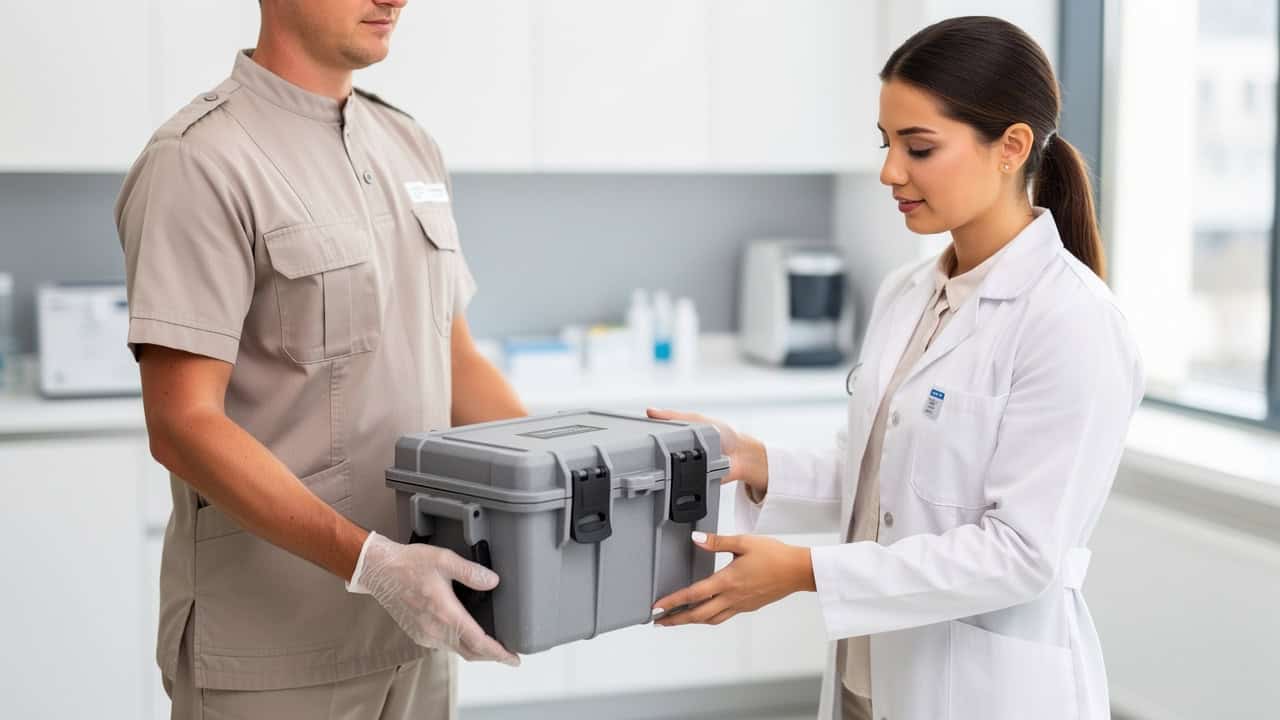
The original lab may send glass slides, unstained slides, or the paraffin block, depending on what is requested. If a tissue block request is made, the block is usually expected to be returned after the consultation and any approved testing. Many laboratories log the shipment, use tracking numbers, and document the chain of custody in the laboratory information system. This helps reduce confusion and gives staff a way to locate the material if the patient or doctor asks for an update.
After the consultation, the second pathologist issues a written report. This may say the diagnosis is confirmed, revised, or needs additional testing. Sometimes the outside pathology report and the consultant report use slightly different wording but mean the same thing clinically, so the treating doctor can explain whether anything changed. For a step-by-step patient view, How to Get a Second Opinion on Your Pathology Diagnosis may be helpful before making calls.
Questions to Ask a Doctor or Pathology Department

- Who is responsible for requesting the slides: the doctor’s office, the hospital, or the patient?
- Will the consulting pathologist receive all prior glass slides, or only selected slides?
- Is a tissue block request needed, and how much tissue remains for future testing?
- How will the lab track the chain of custody while the material is being shipped?
- Will the patient receive a copy of the outside pathology report and the second opinion report?
- Could the second opinion process delay treatment, or is treatment safely waiting for the result?
- What specific diagnosis, grade, margin, biomarker, or staging question is the review meant to answer?
These questions are not difficult or unreasonable. They are exactly the kind of practical questions that help patients understand what is happening behind the scenes. Asking them calmly is not challenging the care team; it is participating in care.
For patients who are unsure whether a second review is right for them, When Should You Get a Second Pathology Opinion? explains common situations where another review can be especially valuable. Another look at the slides can be particularly useful when the diagnosis is rare, unexpected, or likely to change treatment.
Frequently Asked Questions
How do labs send pathology slides for a second opinion?
Labs usually send slides in protective holders with paperwork that identifies the patient, case number, specimen site, and requested consultation. The shipment may include stained glass slides, unstained slides, or a paraffin block if additional sections are needed. Sending and receiving laboratories track the materials so staff know where the case is during the process.
Can my pathology slides get lost in the mail?
This concern is understandable because tissue can feel deeply personal and irreplaceable. Laboratories reduce the risk by using labeled containers, tracking numbers, documented chain of custody procedures, and receiving logs. No shipping system is perfect, but loss is uncommon when standard procedures are followed. Patients can ask when the package was shipped, when it arrived, and whether the materials have been returned.
Do I need a new biopsy for a second pathology opinion?
Most patients do not need a new biopsy because the original glass slides can be reviewed. If more studies are needed, the pathologist may request the paraffin block or additional unstained slides. A new biopsy is considered only when the original sample is too limited, no longer available, or unable to answer the clinical question. In most cases, the review begins with existing material, not another procedure.
How long does a pathology slide review take?
The microscopic review may take a few days after the receiving laboratory has the correct materials. The total timeline can be longer because of paperwork, shipping, insurance authorization, and whether a tissue block request is needed. Complex cases that require special stains or molecular testing can take additional time. Patients can ask the doctor whether treatment decisions are waiting for the final review or whether other planning can continue.
Who owns my pathology slides and tissue block?
The laboratory or hospital usually keeps the physical slides and tissue blocks as part of the medical record, but the tissue came from the patient’s body and remains connected to the patient’s care. Patients can generally request that materials be sent for consultation, although policies and release forms vary by institution. The outside pathology report and consultation report should be available through the doctor or medical records. If the process feels stuck, patients can ask which department handles slide release requests.
When tissue is being sent for review, it is normal for patients to feel protective, anxious, and impatient. The good news is that this is a routine, careful process designed to support accurate diagnosis. If help is needed to understand what was found or what changed after review, Honest Pathology consultations can help translate the report into clear, practical language.
References:
National Cancer Institute — Pathology Reports
National Cancer Institute — Finding a Doctor or Treatment Facility
College of American Pathologists — Laboratory Accreditation