Feeling unsure is normal. Pathology Consultation Expert decisions feel high-stakes; learn what to look for before you request a review.
When a diagnosis feels confusing, high-stakes, or difficult to accept, the right reviewer can make the next step feel more grounded. Choosing a pathology consultation expert matters because an experienced pathologist can help clarify a diagnosis, confirm key findings, and explain what the report may mean for treatment planning. This kind of review usually happens after a biopsy, surgery, or lab result has already been evaluated by another pathologist. The goal is not to criticize anyone; it is to make sure the diagnosis is as clear, accurate, and useful as possible.
Reports that use words like cancer, atypical, suspicious, margins, grade, or inconclusive can feel overwhelming. Many patients worry about choosing the wrong expert, asking the wrong question, or delaying care. Patients do not need to become doctors overnight. They need a calm way to identify the kind of pathologist who can best answer the specific question raised by the report.
What an Expert Pathology Review Involves

A pathology consultation expert is a pathologist who reviews an existing diagnosis, usually by studying the pathology report, pathology slides, and sometimes special stains or molecular test results. Think of the original diagnosis as the first careful reading of a complex map. An expert pathology review is a second careful reading by someone who may have deeper experience with that specific organ system, tumor type, or diagnostic problem. In many cases, the first diagnosis is confirmed, and that confirmation can bring real peace of mind.
Pathologists are medical doctors who diagnose disease by examining tissue, cells, and laboratory data. A board-certified pathologist has completed medical training, pathology residency, and certification through a recognized medical board. Some pathologists also have subspecialty training in areas such as breast pathology, gynecologic pathology, dermatopathology, gastrointestinal pathology, hematopathology, or molecular pathology. That subspecialty training can matter when the case is rare, borderline, or treatment depends on fine diagnostic details.
A pathology report review is different from a general medical second opinion. The pathologist is not usually choosing chemotherapy, surgery, or radiation treatment. Instead, the pathologist is asking whether the diagnosis, tumor type, grade, margin status, biomarkers, or staging elements are correctly interpreted. For a broader overview of what is inside the document itself, many patients benefit from starting with what a pathology report is before requesting a formal second pathology opinion.
When a Report Deserves Another Set of Expert Eyes

Most people seek a consultation because something in the report feels unclear, frightening, or too important to leave unanswered. The report may mention an uncommon diagnosis, an unusual pattern, a borderline tumor, a rare subtype, or a phrase such as “cannot exclude.” Sometimes the issue is not the diagnosis itself, but whether the pathology slides show enough features to support the exact label used. In those situations, diagnostic accuracy depends on both the tissue findings and the pathologist’s experience with similar cases.
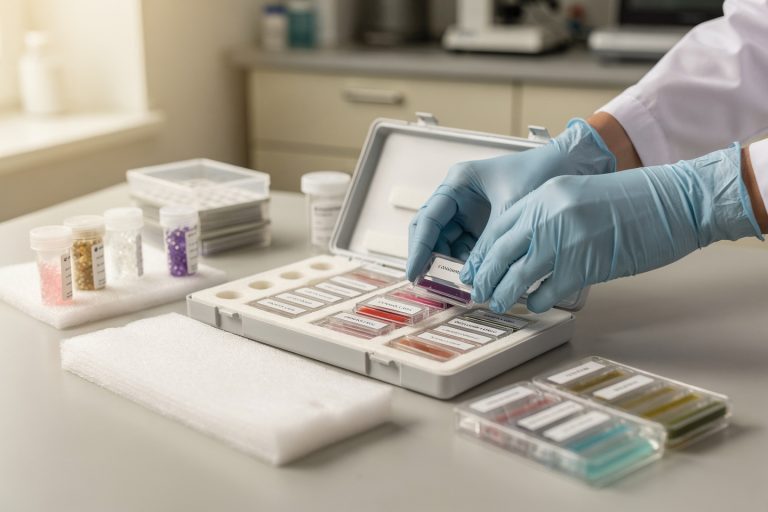
The lab looks at many layers of information. A pathologist studies the tissue pattern under the microscope, checks whether the cells match the suspected diagnosis, and reviews special studies such as immunohistochemistry or molecular testing when available. The pathology slides are the original evidence, much like the actual photographs from a scene rather than a written summary of what someone saw. A strong expert pathology review usually includes direct examination of those pathology slides, not just a quick reading of the report.
Some reports need more attention because treatment decisions rest on small differences. For example, a low-grade tumor may be managed very differently from a high-grade tumor, and an invasive cancer may be treated differently from an in situ process. A pathology report review may also clarify margins, lymph node involvement, tumor size, hormone receptors, Ki-67, or other markers. If Ki-67 appears in a report and a patient wants a patient-friendly explanation, this article on what Ki-67 means and how high is concerning can help patients prepare better questions.
When the Choice of Consultant Can Affect Care
Choosing the right reviewer can be very important when a treatment plan depends directly on the diagnosis. In cancer care, a change in tumor type, grade, margin status, stage-related information, or biomarker interpretation can affect surgery, radiation, drug therapy, and clinical trial options. That does not mean every report is wrong or every case needs urgent re-review. It means the stakes are high enough that careful matching between the diagnostic question and the reviewer’s expertise is worth the effort.
A second pathology opinion is especially valuable when the diagnosis is rare, unexpected, borderline, or different from what the doctor first suspected. It is also wise when the recommended treatment is aggressive, life-changing, or based on a small biopsy sample. A consultant with subspecialty training may recognize patterns that generalists see less often. This is one reason diagnostic accuracy often improves when difficult cases are reviewed by pathologists who focus on that specific disease area.
There are also calmer scenarios where an expert review is useful but not an emergency. A report may seem straightforward, but a patient may want reassurance before starting treatment. An oncologist may already agree with the diagnosis, but another board-certified pathologist’s confirmation can still provide comfort. In those cases, the consultation can reduce uncertainty, help patients ask better questions, and give the treating team a stronger foundation for decisions. For more on timing, this patient guide may be helpful: when should you get a second pathology opinion.
What Happens After the Review Is Requested

After a reviewer is chosen, the next step is usually gathering materials. This may include the original pathology report, operative report, imaging reports, lab results, and the actual pathology slides or tissue blocks. Many hospitals have a formal release process, and the pathology department can send materials directly to another institution or consultant. A good pathology report review should be based on complete information whenever possible.
The expert may confirm the original diagnosis, refine the wording, recommend additional stains, suggest molecular testing, or disagree with part of the report. A second pathology opinion does not automatically change treatment, but it can help the treating physician decide whether the current plan still fits. If the diagnosis changes, the oncologist, surgeon, or specialist may adjust next steps. When the diagnosis is confirmed, that confirmation is still meaningful because it supports diagnostic accuracy and can make treatment feel less uncertain.
Monitoring depends on the diagnosis and the care team’s plan. The consultant may not follow the patient long-term, but the information provided can shape follow-up schedules, treatment intensity, and future testing. For many patients, the consultation report becomes part of the medical record that other doctors rely on. When preparing for this process, patients may also benefit from reading how to get a second opinion on your pathology diagnosis to understand what to request and how to avoid delays.
Questions That Help Match the Expert to the Case

- Is the diagnosis straightforward, or would a second pathology opinion add useful clarity?
- What exact question should the pathology consultation expert answer?
- Should the reviewer have subspecialty training in this organ system or tumor type?
- Will the consultant review the pathology slides, tissue blocks, stains, and molecular results?
- Are there any missing tests that could improve diagnostic accuracy?
- How long will the expert pathology review take, and could it delay treatment?
- Will the consultation report be sent directly to the treating doctor and added to the medical record?
These questions help turn fear into a practical checklist. Asking them is not difficult or unreasonable. A board-certified pathologist should understand why the review should match the diagnosis and the treatment decision. The right consultation is not about collecting more opinions; it is about getting the most useful answer.
If the language in the report feels overwhelming, it can help to slow down and separate the tasks. First, understand the report. Then, decide whether a pathology report review is needed. This article on understanding your pathology report may help patients organize the terms before speaking with the doctor.
Frequently Asked Questions
How do I choose a pathology consultation expert?
Start by matching the expert’s background to the diagnosis. The reviewer should ideally have subspecialty training or substantial experience in the organ system or disease type named in the report. Patients should ask whether the pathology slides will be reviewed directly, because the slides are the evidence behind the diagnosis. It is also important to ask how the consultation findings will be shared with the treating doctor.
Do I need a second pathology opinion for cancer?
Not every cancer diagnosis requires another review, but a second opinion can be helpful when the diagnosis is unusual, the treatment is major, or important details such as grade, margins, biomarkers, or tumor type will guide care. The review may confirm the original diagnosis, clarify uncertain wording, or identify whether additional testing is needed. A doctor who welcomes the review is usually supporting careful, thorough care.
What is the difference between a pathologist and a pathology consultant?
A pathologist is a physician who diagnoses disease by examining tissue, cells, and laboratory findings. A pathology consultant is typically a pathologist asked to review a case because of specific experience, subspecialty training, or the need for confirmation. The consultant may agree with the original diagnosis or provide a more specific interpretation. In either situation, the purpose is to improve diagnostic accuracy and make the report more useful for care decisions.
Can a pathology consultation change my diagnosis?
Yes. A consultation can sometimes change a diagnosis, although many reviews confirm the original interpretation. The reviewer may refine the tumor type, grade, margin interpretation, or recommendation for additional tests. Even when the diagnosis does not change, confirmation can give the patient and care team more confidence. The most useful report clearly explains what was reviewed and how the conclusion was reached.
Will asking for a pathology review upset my doctor?
Most experienced physicians understand why patients ask for another pathology review, especially before high-stakes treatment decisions. Second opinions are a normal part of medical care, and pathology is no exception. Patients can frame the request as a need for certainty before treatment begins. A thoughtful care team should support the goal of clarity.
Patients deserve answers that are careful, understandable, and tied to real treatment choices. When help is needed to understand whether a consultation makes sense, Honest Pathology consultations are designed to explain the report in plain language and help identify the right next question. Clarity is not a luxury when the diagnosis affects a patient’s life.
References:
National Cancer Institute — Pathology Reports
National Cancer Institute — Finding a Doctor or Treatment Facility
NCI Dictionary of Cancer Terms — Second Opinion