Worried about who can review your biopsy? Pathology second opinion specialist has specific training. Learn what to ask before you decide.
When a biopsy result may shape major decisions, it is natural for patients and families to want another expert set of eyes on the diagnosis. A pathology second opinion specialist is a physician, usually a board-certified pathologist, who is trained to review tissue, cells, stains, and the original diagnosis with an independent medical eye. This is not just someone reading the words on a report. It is a doctor trained to look at the slides themselves, compare the findings with the patient’s clinical story, and decide whether the diagnosis, grade, stage details, or biomarkers are correct.
Patients asking this question may already be carrying a heavy emotional load. A biopsy report can make life feel divided into before and after, especially when the words are unfamiliar or the diagnosis is serious. The goal is to help patients understand who is truly qualified, so they can ask for help without feeling embarrassed, pushy, or lost.
A second review is not an insult to the first doctor. In medicine, careful confirmation is part of good care, especially when treatment decisions are life-changing. For patients unsure when a second review makes sense, this is also explained in When Should You Get a Second Pathology Opinion?.
Who Is Qualified to Recheck a Pathology Diagnosis?

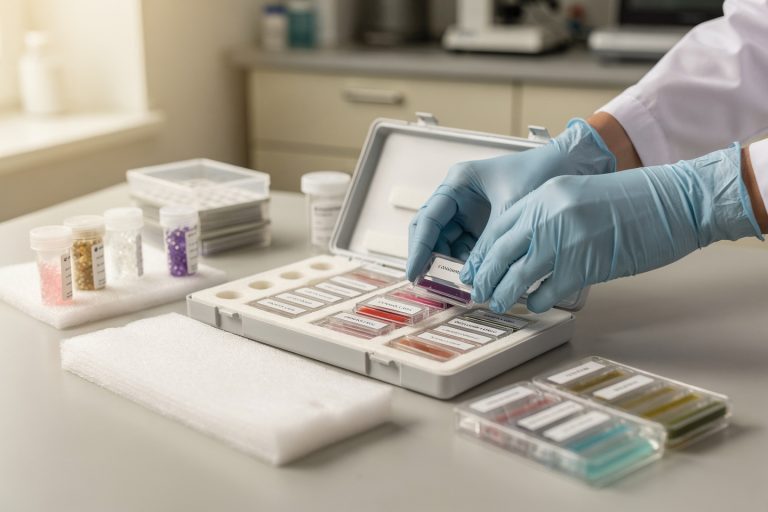
A pathology second opinion specialist is a pathologist who reviews a case after another pathology diagnosis has already been issued. The pathologist may examine glass slides, digital slide images, paraffin tissue blocks, special stains, immunohistochemistry, molecular results, and the written report. A proper pathology report review is more than proofreading. It asks a deeper question: Does the microscopic evidence support the diagnosis that was given?
Think of it like having an expert mechanic inspect the engine, not just read the first repair estimate. The first report may be completely correct, but the second physician looks at the actual material again. A board-certified pathologist has completed medical school, pathology residency, examinations, and ongoing professional standards. That training matters because pathology is a medical diagnosis, not a clerical interpretation.
Some cases are best reviewed by a subspecialty pathologist. For example, breast biopsies, prostate biopsies, lymph node biopsies, gynecologic specimens, bone and soft tissue tumors, and skin melanomas may benefit from someone who spends much of their professional time in that specific area. The reviewer should also know when the answer requires more tissue, additional stains, molecular testing, or correlation with imaging. For help understanding what is already written in a report, Understanding Your Pathology Report is a helpful place to start.
Why Specialist Slide Review Can Matter

People usually seek this kind of review because something about the original diagnosis carries high stakes. The report may use terms such as atypical, suspicious, dysplasia, carcinoma, sarcoma, lymphoma, margin positive, high grade, or indeterminate. In surgical pathology, these words can affect whether a patient receives surgery, radiation, chemotherapy, immunotherapy, hormonal therapy, or close monitoring. A second opinion diagnosis can help confirm that the microscopic findings match the treatment plan being proposed.
The lab looks at patterns: cell shape, tissue architecture, invasion, necrosis, mitotic activity, margins, and how cells react to special stains. Diagnostic accuracy depends on slide quality, representative sampling, clinical information, and the pathologist’s experience with that disease pattern. No one should pretend that pathology is always simple. Many cases are straightforward, but borderline tumors, rare cancers, unusual inflammatory diseases, and limited biopsy samples can be genuinely challenging.
A subspecialty pathologist can be especially valuable when the diagnosis sits near a treatment boundary. For example, the difference between reactive lymph nodes and lymphoma, in situ cancer and invasive cancer, or low-grade and high-grade disease may change care. Sometimes the case is also discussed at a tumor board, where pathologists, surgeons, oncologists, radiologists, and other specialists compare the biopsy findings with the full clinical picture. The goal is not to create doubt for the sake of doubt; the goal is to make the diagnosis as solid as possible before treatment begins.
When the Reviewer’s Expertise Can Affect Care
Choosing the right reviewer can be very important when the diagnosis will change treatment, prognosis, or surgery. It may also be reassuring when the second pathologist agrees with the first diagnosis. Agreement can give patients more confidence that care is moving forward on a sound foundation. Disagreement does not automatically mean someone made a careless mistake; it often means the case is subtle, rare, borderline, or dependent on additional testing.
Expert pathology review matters most when the diagnosis is cancer, a precancerous lesion, an autoimmune disease with tissue changes, a transplant-related diagnosis, or a condition requiring major treatment. In these situations, diagnostic accuracy is not an academic issue. It may affect the type of operation, the need for lymph node sampling, the choice of oncology drugs, or whether treatment is needed at all. A board-certified pathologist with the right background can help identify whether the original diagnosis is well supported.
A second review is also useful when the original report contains uncertainty. Phrases such as cannot exclude, favored, atypical, suspicious for, limited sample, or recommend correlation are signals that the pathologist is being honest about the limits of the specimen. A second opinion diagnosis may confirm the uncertainty, narrow the possibilities, or recommend more testing. In some cases, a subspecialty pathologist may suggest additional immunostains, deeper tissue levels, molecular studies, or a repeat biopsy if the available material cannot answer the question safely.
What Happens After the Pathology Review

After the case is reviewed, the patient should receive a written opinion or amended diagnostic interpretation. That opinion may agree with the original report, refine the diagnosis, change the tumor type, adjust grade, clarify margins, or recommend additional tests. A pathology report review should clearly explain what was reviewed, including slides, blocks, stains, molecular reports, and outside records. If only the written report was reviewed, that limitation should be stated because the strongest review usually includes the actual slides.
The treating doctor will decide how the second opinion diagnosis fits with imaging, examination, blood tests, and the patient’s overall health. In cancer care, a tumor board may review the updated findings before final treatment planning. In surgical pathology, even a small change in margin status, tumor subtype, or grade can affect the next step. This is why second reviews are common at major cancer centers and academic hospitals, especially before complex surgery or systemic therapy.
Sometimes the next step is simple: Continue with the planned treatment because the second opinion confirms the first. Sometimes the next step is more discussion, more tissue testing, or a change in treatment approach. For practical steps for requesting slides and records, see How to Get a Second Opinion on Your Pathology Diagnosis. A qualified review should make the situation clearer, not leave the patient with more vague language and no plan.
Questions to Ask Before Sending the Case

- Is the person giving the second opinion a board-certified pathologist?
- Does this case need a subspecialty pathologist with experience in the relevant organ system or tumor type?
- Will the pathology report review include the original glass slides, tissue blocks, and special stains?
- Are there any words in the report that show uncertainty, such as atypical, suspicious, favored, or cannot exclude?
- Would additional immunohistochemistry, molecular testing, or deeper tissue levels improve diagnostic accuracy?
- Will the second opinion diagnosis be shared with the treating doctor in a written report?
- Should the case be discussed at a tumor board before treatment begins?
Patients are allowed to ask these questions. A good doctor will not be offended by a patient’s wish to understand who is reviewing the diagnosis. The right consultant should be transparent about training, limitations, and what material was available for review.
Patients who feel intimidated may bring a caregiver, write down questions, or ask for the explanation in plain language. They can also review basics in What Is a Pathology Report? before the appointment. Understanding the report does not mean a patient must become a pathologist; it means the patient deserves to understand the decision that may guide care.
Frequently Asked Questions
Who can give a pathology second opinion?
A pathology second opinion should come from a physician trained in pathology, usually a board-certified pathologist. For complex cases, the best reviewer may be a subspecialty pathologist with focused experience in that tissue type or disease. A treating oncologist or surgeon can explain the report, but they usually do not replace a pathologist’s slide review. The key is that the reviewer must be qualified to interpret the actual microscopic material.
Do I need a specialist pathologist for every biopsy?
Not every biopsy needs a subspecialty pathologist. Many routine biopsies are accurately diagnosed by general pathologists every day. A specialist review becomes more useful when the case is rare, borderline, cancer-related, treatment-changing, or uses uncertain language. If the result will lead to major surgery or cancer treatment, asking about a pathology report review is reasonable.
Can my oncologist give a second opinion diagnosis?
An oncologist can give a medical second opinion about treatment, staging, and management. A second opinion diagnosis on the tissue itself should come from a pathologist who can review the slides and related tests. These two opinions often work together. The strongest plan usually combines pathology expertise with clinical oncology judgment.
What should I send for a pathology second opinion?
The reviewing pathologist usually needs the original pathology report, glass slides, tissue blocks if requested, immunostain results, molecular test results, imaging reports, and relevant clinical notes. Sending only the written report may limit what the pathologist can conclude. The receiving office should be asked exactly what materials are needed before records are requested. This can prevent delays and repeated paperwork.
What if the second opinion disagrees with the first report?
A disagreement should be handled calmly and carefully. The doctors may compare the reasoning, review additional stains, request a third expert review, or discuss the case at a tumor board. A board-certified pathologist should explain whether the difference is minor, treatment-changing, or due to limited tissue. The next step should be based on evidence, not panic.
Patients trying to decide who should review a case are not being difficult. They are protecting the quality of the diagnosis that guides care. Honest Pathology consultations are designed to help patients and families understand the report, ask better questions, and know when a qualified second pathology opinion may help.
References:
National Cancer Institute — Pathology Report Definition
National Cancer Institute — Finding a Doctor or Treatment Facility
College of American Pathologists — Cancer Protocol Templates