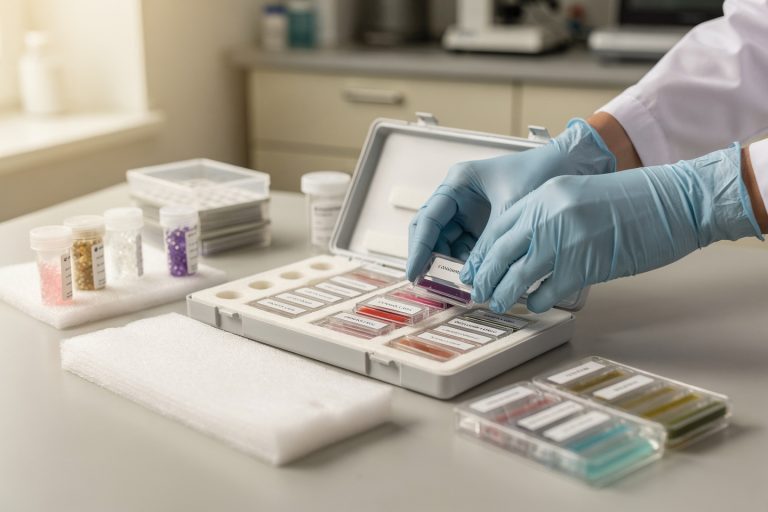
Worried time is running out? Urgent pathology consultation can clarify your diagnosis fast. Learn what to gather and ask next.
When a diagnosis is urgent and a treatment decision is approaching, waiting in uncertainty can feel overwhelming. An urgent pathology consultation gives patients a timely expert review of the diagnosis, slides, and report when surgery, cancer treatment, or another major decision may depend on the pathology findings. In many cases, it functions as a second pathology opinion focused on confirming what the tissue shows and whether the diagnosis is complete.
Patients asking this question are often under pressure. A person may have a biopsy report in hand, a surgeon calling about dates, or an oncologist appointment coming soon. Needing help quickly does not mean a patient is being difficult. It means the patient is trying to make the safest decision with the clearest information available.
What an Urgent Pathology Review Includes

An urgent review is a focused expert assessment of pathology materials when timing matters. A pathologist looks at the original biopsy report, the microscopic tissue slides, and sometimes special stains or molecular results. Think of it like having an expert mechanic inspect the engine before committing to a major repair. The first report may be correct, but a pathology consultation can confirm the diagnosis, refine it, or identify missing details that matter for treatment.
In real laboratory practice, this review is not a quick glance at a PDF. The most valuable part is often the microscope review of the tissue slides, because the diagnosis lives in the cells. The written report is the map, but the tissue is the territory. For a deeper primer on what the report itself contains, reading what is a pathology report before the appointment can be helpful. That background can make the process feel less mysterious and more manageable.
A second pathology opinion is especially useful when the diagnosis is rare, borderline, unexpected, or treatment-changing. For example, a small difference in tumor type, grade, margin status, or biomarker interpretation can change the next step. A biopsy report may also include words such as atypical, suspicious, indeterminate, or cannot exclude, which often raise understandable concern. In those situations, another expert review can help separate what is known, what is uncertain, and what should be checked next.
Why Timing, Slides, and Clinical Context Matter

Patients usually seek urgent review because the report feels high stakes, not because anyone has done something wrong. A biopsy report may show cancer, a possible precancer, an unusual inflammatory pattern, or a diagnosis that does not match the clinical picture. Pathologists are trained to recognize patterns, but some patterns overlap, especially in small biopsies. Diagnostic accuracy improves when the reviewer has the right history, the right tissue slides, and the right comparison studies.
The lab may also have used immunohistochemistry, special stains, or molecular testing to support the diagnosis. These tools can be extremely helpful, but they still need interpretation in context. One marker alone rarely tells the whole story. Diagnostic accuracy comes from combining the microscope pattern, test results, imaging findings, and clinical history. This is why medical records review matters so much during a time-sensitive consultation.
Turnaround time depends on what materials are immediately available. If the biopsy report and digital records are ready, the first review can often begin quickly. If physical tissue slides must be shipped from another hospital, the timeline may depend on the original laboratory and courier service. Tissue slides are usually thin glass slides prepared from a biopsy or surgery specimen, and they are the core material for a second pathology opinion. A fast medical records review can identify what is missing before precious days are lost.
When a Fast Second Opinion Matters Most
An urgent pathology consultation is important when the answer may influence treatment timing, but it does not automatically mean the first diagnosis is wrong or that the condition is worse than originally explained. Many urgent reviews confirm the original diagnosis and give the patient more confidence moving forward. That confirmation has real value, especially when surgery, chemotherapy, radiation, or active surveillance is being discussed. A second pathology opinion can also clarify whether additional testing is needed before treatment begins.
The level of urgency depends on the clinical situation. If a patient has a routine benign diagnosis and no treatment deadline, the review may not need to be same-day. If a patient has a new cancer diagnosis, a rare tumor, conflicting reports, or a planned operation, faster review may be reasonable. Timely pathology consultation can be especially helpful when the report contains uncertainty, when the diagnosis seems surprising, or when the treatment plan feels very aggressive compared with what the patient expected. In those moments, the goal is to protect decision quality, not to delay needed care.
There are also times when waiting too long for review can create stress without changing the outcome. This is where clear communication matters. Patients can ask whether treatment can safely wait for the second pathology opinion or whether treatment should start while additional review continues. The treating doctor can help weigh the medical risk of delay against the benefit of more certainty. For patients unsure how to think about timing, this patient guide on when to get a second pathology opinion may help frame the decision.
What Happens After the Review Is Requested

The first practical step is gathering the right materials. Patients usually need the biopsy report, any surgical pathology report, imaging reports, clinic notes, and a list of planned treatments. A medical records review can begin with documents, but the strongest pathology consultation often requires the actual tissue slides. If molecular testing, hormone receptors, HER2 testing, Ki-67, margins, or lymph node findings are involved, those details should be included as well.
Turnaround time should be discussed honestly at the start. Some consultations can provide an initial impression quickly, while others need additional stains, outside slide retrieval, or correlation with imaging. A fast answer is useful only if it is careful. Pathologists often recommend one more stain rather than rush a conclusion that could affect a major treatment decision. A time-sensitive consultation should be both prompt and responsible.
Once the review is complete, the result may confirm the original diagnosis, slightly refine wording, recommend additional testing, or identify a meaningful discrepancy. If there is a change, the treating team can decide whether the treatment plan needs adjustment. If there is no change, the patient still gains reassurance that the diagnosis has been carefully checked. For step-by-step help with the process, patients can read how to get a second opinion on your pathology diagnosis.
Questions to Ask the Doctor or Pathologist

- Is the diagnosis final, or is there uncertainty in the biopsy report?
- Can treatment safely wait until a second pathology opinion is completed?
- Are the original tissue slides, unstained slides, tissue blocks, or only the report needed?
- Were all necessary stains, biomarkers, and molecular tests performed?
- Is the case rare, borderline, or difficult enough to benefit from subspecialty pathology consultation?
- What turnaround time is realistic once all materials are received?
- If the second opinion differs, who will explain how that changes the treatment plan?
These questions are not confrontational. They are a calm way to make sure everyone is working from the same information. A medical records review before the appointment can also help patients notice missing reports, unclear terminology, or test results that are still pending.
If the report feels overwhelming, patients may benefit from bringing someone to the appointment or writing questions down before the call. Patients can also use this guide to understanding your pathology report to translate the main sections into plain language. The more organized the materials are, the more useful an urgent pathology consultation can be.
Frequently Asked Questions
Can I get a pathology second opinion fast?
Yes. Many cases can be reviewed quickly once the necessary materials are available. The most common delay is obtaining the tissue slides, pathology report, and outside medical records from the original facility. In some cases, a document-based medical records review can begin while slides are being requested. Patients can ask what can be reviewed immediately and what must wait for the original materials.
How long does urgent pathology consultation take?
Turnaround time depends on the complexity of the diagnosis and how quickly the materials arrive. A straightforward records review may be faster than a full slide review that requires special stains, molecular results, or outside tissue slides. Rare diagnoses and cases needing additional testing usually take longer. The most helpful approach is to ask for a realistic timeline based on the specific case.
Will a second pathology opinion delay my cancer treatment?
It may add a short pause in some situations, but that pause can be valuable when the diagnosis affects the choice of treatment. In other cases, the treating doctor may recommend starting therapy while the review continues. The safest decision depends on the cancer type, stage, symptoms, and planned treatment. Patients should ask the treating team directly whether waiting for the review is medically safe.
What records do I need for a fast pathology consultation?
Patients should gather the biopsy report, surgical pathology report if available, imaging reports, oncology or surgery notes, and any biomarker or molecular test results. A medical records review can identify missing information before the pathologist examines the slides. Tissue slides or tissue blocks may also be needed for the most complete opinion. Having these materials ready can shorten the overall turnaround time.
Is urgent pathology consultation worth it if my doctor is confident?
It can still be worthwhile when the treatment decision is major, the diagnosis is rare, or the report contains uncertain wording. A doctor’s confidence is reassuring, but pathology review addresses a specific question: whether the cells, stains, and test results support the diagnosis as written. Many second opinions confirm the original result, which can provide peace of mind. When the opinion changes the diagnosis, it may directly affect the next step in care.
Patients do not need to understand every pathology word before asking for help. They only need to know that the diagnosis matters, timing matters, and clarity is possible. Honest Pathology consultations are designed to explain pathology reports and, when appropriate, help patients understand whether an urgent second opinion may be useful.
References:
National Cancer Institute — Cancer Diagnosis
NCI Dictionary of Cancer Terms — Biopsy
National Cancer Institute — Finding a Doctor or Treatment Facility