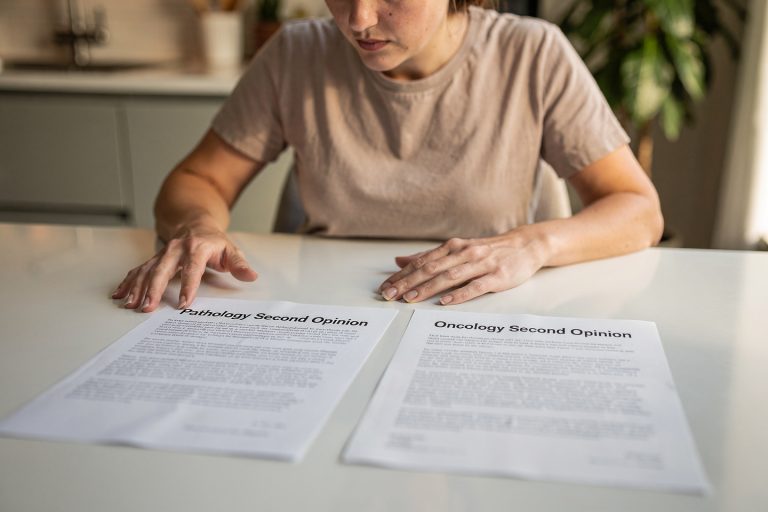
Worried your diagnosis could change? Pathology second opinion can clarify your report, often without new testing. Know what to ask next.
When a diagnosis feels too important to accept without a closer look, a second review of the pathology can offer clarity and confidence. In many cases, this is a diagnosis review of the original biopsy slides, report, and clinical information, not a repeat biopsy or a new procedure. That means the answer may come from looking more carefully at what has already been collected.
When another review is suggested, it can feel unsettling. A patient may wonder whether the first answer was wrong, whether treatment has been delayed, or whether the pathology report can be trusted. The purpose of this explanation is to slow the process down and explain what actually happens. A second opinion is not a sign of chaos; it is one of the safety checks built into good medical care.
Patients may also find it helpful to read What Is a Pathology Report? if the basic language of the report still feels unfamiliar.
What a Second Review of the Biopsy Slides Involves

A pathology second opinion means another qualified pathologist reviews the material behind a diagnosis and gives an independent interpretation. Most often, that material includes the pathology report, the glass biopsy slides, and any available clinical history. The new pathologist is not simply reading the old conclusion and agreeing with it. The pathologist is looking at the tissue under the microscope and asking whether the microscopic findings support the diagnosis that was originally given.
This can be compared with two expert mechanics listening to the same engine. The engine is not replaced, and the car is not rebuilt, but a second expert may recognize a pattern the first person did not emphasize. In pathology, the tissue sample is already there, and the question is how it should be classified. The diagnostic criteria can be straightforward in some cases and more judgment-based in others. That is why a diagnosis review can sometimes confirm the first answer and sometimes refine it.
A second opinion may address whether a lesion is benign or malignant, whether a cancer type is correct, whether the grade should be changed, or whether margins and invasion were interpreted properly. It may also clarify whether extra testing is truly needed. Sometimes the consultation changes wording without changing treatment. Other times, the pathology report changes in a way that affects surgery, chemotherapy, radiation, or surveillance. For many patients, the value of the review is confidence, not necessarily a completely different result.
Why Pathology Diagnoses Sometimes Need Another Expert Review

The original pathology report reflects what the first pathologist saw in the biopsy slides and how those findings matched accepted diagnostic criteria. Pathologists do not diagnose by guesswork. They examine tissue architecture, cell shape, growth pattern, inflammation, invasion, necrosis, margins, and other microscopic findings. They also consider where the tissue sample came from, how it was removed, and what the clinician suspected.
Still, pathology has areas where interpretation can be difficult. Some tumors sit near the border between benign and malignant. Some biopsies are tiny, crushed, inflamed, or only partly representative of the larger lesion. Some diseases mimic each other under the microscope, especially in breast, prostate, skin, lung, colon, gynecologic, and soft tissue pathology. In those settings, a diagnosis review can be valuable because subtle microscopic findings may carry real meaning.
A consultation may also reveal that the original diagnosis is correct, but the wording could be clearer. For example, a report may use technical terms that sound frightening but do not necessarily mean aggressive disease. For patients trying to understand the structure of a report, Understanding Your Pathology Report: How to Read It with Confidence may help connect the pieces. This kind of review may also recommend immunohistochemistry, molecular testing, or deeper tissue levels, but it does not always require them. Many meaningful consultations happen by reviewing the original biopsy slides and clinical information alone.
When a Second Opinion Can Affect Care
A second pathology review can affect major decisions, but it does not automatically mean something went wrong. Medicine uses second review because some diagnoses carry high stakes. If a treatment plan involves surgery, chemotherapy, radiation, lifelong monitoring, or no treatment at all, patients deserve the strongest possible confidence in the diagnosis. A second opinion is a tool for accuracy, not an accusation.
The level of impact depends on what is being reviewed. If the first diagnosis is a common, classic finding and the biopsy slides are high quality, the consultation often confirms the original pathology report. If the diagnosis is rare, borderline, unexpected, or based on limited tissue, the chance of a meaningful change is higher. A diagnosis review may shift a tumor from one subtype to another, change a grade, identify an invasion pattern, or adjust margin interpretation. Those changes can matter because treatment teams build plans around diagnostic criteria and microscopic findings.
A review can also be important when the clinical story does not match the report. For example, a scan, exam, or surgical finding may raise concern that the biopsy did not sample the main area. In that case, the second opinion may not only review the existing tissue sample but also suggest whether more tissue is needed. That is different from saying the original pathologist was careless. It means the available evidence may need to be matched more carefully to the whole patient.
There are also less dramatic outcomes that still matter emotionally. The consultation may confirm the same diagnosis, which can bring relief before treatment begins. It may clarify terminology, explain why additional tests were not needed, or help the oncologist feel more secure. For patients unsure whether a situation calls for review, When Should You Get a Second Pathology Opinion? can help with the decision.
What Happens After the Review

After a pathology second opinion, the doctor usually compares the consultation report with the original pathology report. If the diagnosis is unchanged, the treatment plan may continue as planned. If the diagnosis changes, the care team may discuss whether the change affects surgery, medication, radiation, surveillance, or staging. A diagnosis review becomes most useful when the conclusion is translated into a clear next step.
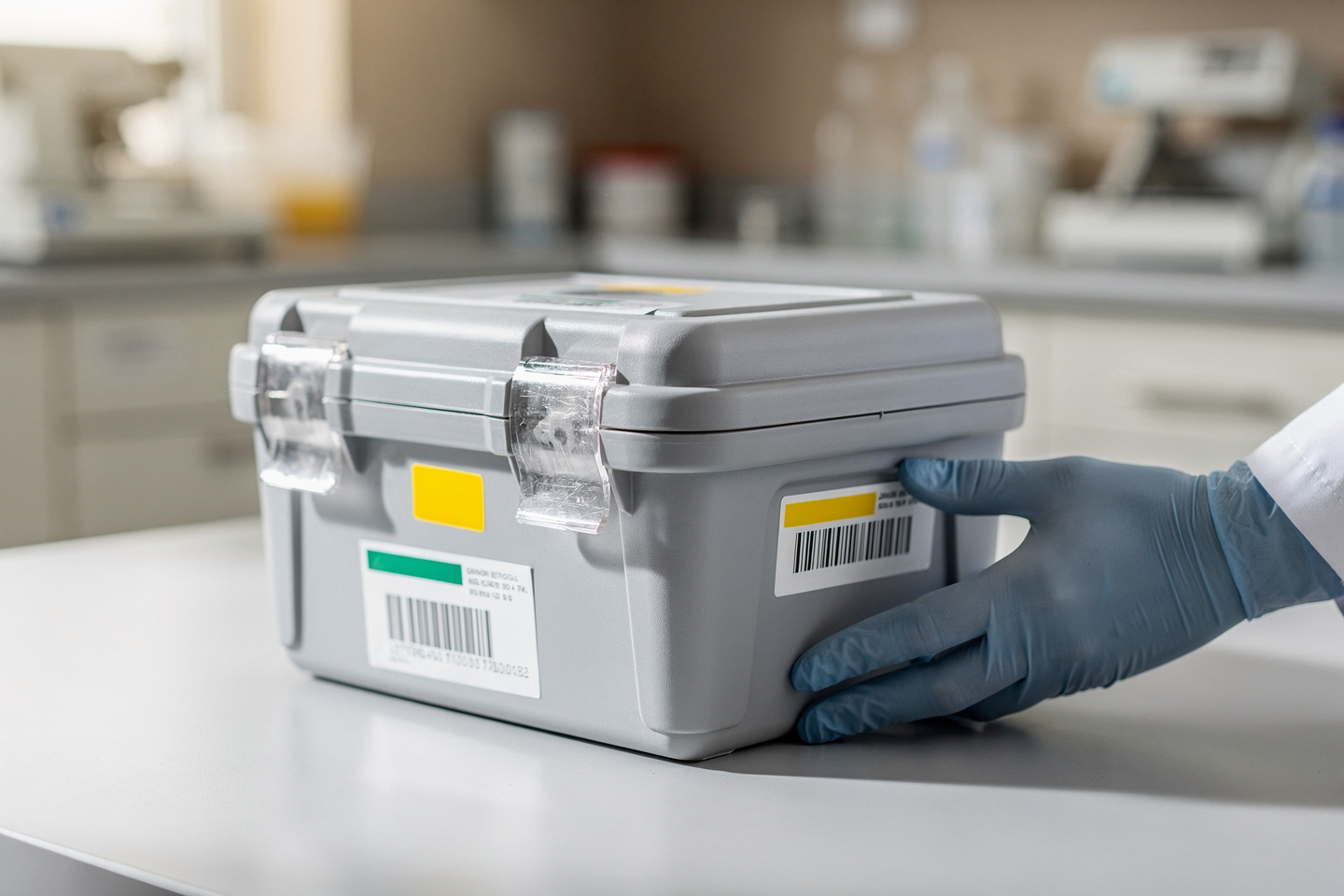
In many consultations, the first step is obtaining the original biopsy slides from the hospital or laboratory that processed the specimen. Another biopsy is usually not needed just to start the process. The consulting pathologist may review stained slides, special stains, immunohistochemistry, prior reports, imaging summaries, and clinical notes. If the existing tissue sample is enough, the consultation can be completed without new testing. If more information is needed, the pathologist should explain why.
Sometimes additional testing is recommended after the second opinion, but that is not the same as re-testing for no reason. It may mean that the original case did not include a marker that is now relevant for treatment. In breast cancer, for example, markers such as hormone receptors, HER2, or Ki-67 may guide treatment discussions, and more information about one marker is available here: What Does Ki-67 Mean and How High Is Concerning?. The goal is not to create more anxiety. The goal is to make sure treatment is based on the most accurate diagnosis possible.
Questions That Help Clarify the Review

- Can a pathology second opinion be done using the existing biopsy slides?
- What part of the pathology report is uncertain or needs confirmation?
- Could a diagnosis review change the cancer type, grade, stage, margins, or treatment plan?
- Were the diagnostic criteria in this case straightforward or borderline?
- Is there enough tissue sample remaining for additional stains or molecular testing if needed?
- Do the microscopic findings match the imaging, symptoms, and clinical history?
- How will the treatment plan change if the second opinion disagrees with the original report?
These questions are not confrontational. They help patients understand whether the second opinion is being requested for reassurance, treatment planning, unusual features, or a possible discrepancy. Patients are allowed to ask for plain language. They are also allowed to ask what would happen if the consultation confirms the original result.
If review is pursued, the process is usually practical and organized. The laboratory can often send materials directly to the consulting pathologist. This article may help with preparation for that step: How to Get a Second Opinion on Your Pathology Diagnosis. A well-done diagnosis review should leave patients with more clarity, not more confusion.
Frequently Asked Questions
Can a pathology second opinion change my diagnosis?
Yes. This type of review can change a diagnosis, although many consultations confirm the original result or refine the wording. Changes are more likely when a case is rare, borderline, based on a small biopsy, or clinically unexpected. A change may involve tumor type, grade, invasion, margins, or whether the finding is benign or malignant. The doctor should explain whether the result affects treatment.
Do I need another biopsy for a second opinion?
Usually, another biopsy is not needed to begin. Most consultations start with the original biopsy slides, the pathology report, and relevant medical records. If the tissue is limited or the findings do not match the clinical picture, another sample may later be discussed. That decision should be based on a clear medical reason.
Does a second opinion mean the first pathologist was wrong?
No. A second opinion does not automatically mean the first pathologist was wrong. Some areas of pathology are complex, and expert review is a normal part of careful medical practice. The first pathologist may have made a reasonable diagnosis based on the available tissue sample and information. The consultation may confirm that diagnosis or add detail using additional experience or context.
How long does a pathology consultation take?
Timing varies, but many reviews take several business days after all materials arrive. Delays often happen because the biopsy slides, blocks, or outside pathology report must be requested and shipped. If extra stains or molecular tests are needed, the process can take longer. Patients can ask when the consulting report is expected and who will contact them with the result.
Can a pathology second opinion change treatment?
Yes. A second opinion can change treatment if the review changes a feature that doctors use for planning. Examples include tumor type, grade, invasion, margin status, receptor status, or whether a lesion is benign rather than malignant. Sometimes the treatment does not change, but confidence in the plan improves. Both outcomes can be valuable for patients and caregivers.
Patients facing this question are not being difficult by wanting clarity. A careful second review can help make sure the diagnosis and treatment plan are aligned. Honest Pathology consultations are available for patients who want an independent explanation of what a report means and what questions to bring back to the care team.
References:
National Cancer Institute — Pathology Reports Fact Sheet
PubMed — Second Opinion in Surgical Pathology
National Cancer Institute — Getting a Second Opinion