For many patients, one of the most frightening moments in healthcare happens after a biopsy. A pathology report appears in the patient portal filled with unfamiliar medical terminology, microscopic descriptions, tumor markers, staging information, and technical language that feels impossible to interpret without medical training.
Patients are suddenly expected to make major treatment decisions based on words they may barely understand. This is especially true for diagnoses such as breast cancer, lung cancer, and colon cancer, where pathology findings directly shape surgery recommendations, chemotherapy options, targeted therapy decisions, and long-term prognosis.
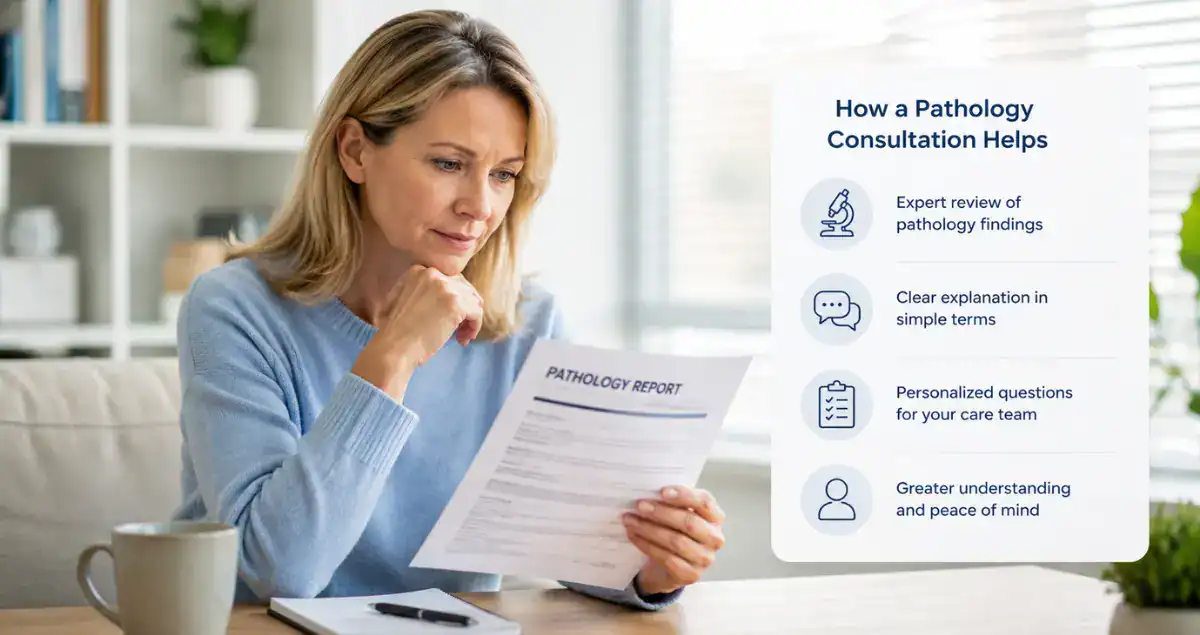
A pathology consultation helps patients better understand the microscopic findings behind their diagnosis and how those findings affect treatment planning. At Honest Pathology, pathology consultations are designed to give patients quicker access to explanation, greater peace of mind, individualized questions to bring to their doctors, and a stronger sense of empowerment during an overwhelming medical experience.
What Is a Pathology Consultation?
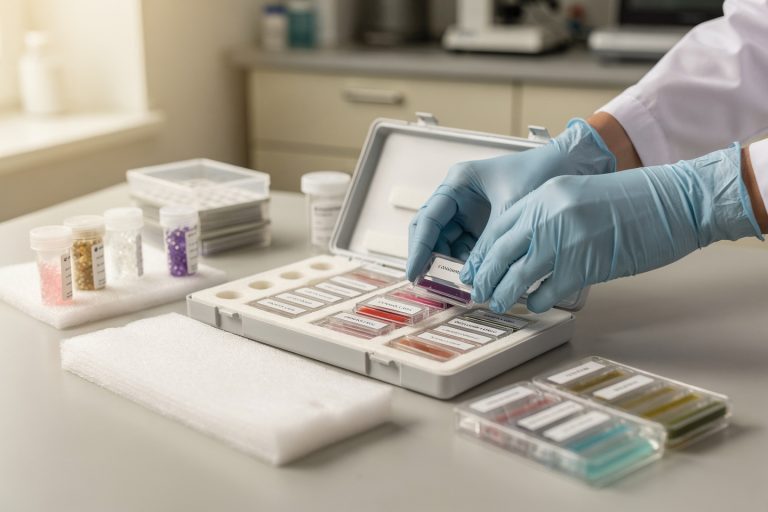
A pathology consultation is a professional review and discussion of pathology findings performed by a pathologist. The consultation may involve reviewing pathology reports, glass microscope slides, digital pathology images, biomarker testing, molecular studies, or tissue samples themselves. The purpose is to help patients understand what was identified under the microscope and why those findings matter medically. Most patients never meet the pathologist involved in their care, even though pathologists are the physicians responsible for diagnosing many cancers and diseases.
When someone receives a diagnosis of breast cancer, lung cancer, colon cancer, or another serious condition, the pathology findings become the foundation for nearly every treatment recommendation that follows. At Honest Pathology, pathology consultation services help patients better understand the pathology behind those life-changing medical decisions.
How a Pathology Consultation Helps Breast Cancer Patients
Breast cancer pathology reports often contain highly technical information that directly affects treatment planning. Patients may see terms such as invasive ductal carcinoma, ductal carcinoma in situ, estrogen receptor positivity, HER2 status, Ki-67 proliferation index, lymphovascular invasion, or surgical margins without fully understanding what they mean. These findings are critically important because they influence decisions involving chemotherapy, hormone therapy, surgery, radiation, targeted therapy, and recurrence risk assessment.
For example, a patient diagnosed with hormone receptor-positive breast cancer may wonder why endocrine therapy is being recommended. Another patient may not understand why HER2 testing changes eligibility for targeted treatments. A pathology consultation helps explain these microscopic and molecular findings in understandable language.
Patients also receive individualized questions to bring back to their oncologist or surgeon. For example, they may ask whether genomic testing would help guide chemotherapy decisions, whether margin status affects additional surgery recommendations, or whether lymph node findings alter staging. At Honest Pathology, breast cancer consultations are designed to help patients feel more informed and less overwhelmed before beginning treatment.
How a Pathology Consultation Helps Lung Cancer Patients
Lung cancer pathology has become increasingly complex due to advances in molecular testing and targeted therapies. A lung cancer pathology report may include terminology involving adenocarcinoma subtypes, squamous differentiation, PD-L1 expression, EGFR mutations, ALK rearrangements, or other molecular markers that influence treatment eligibility.
Patients are often shocked by how many treatment decisions depend on these pathology findings. For example, one patient may qualify for targeted therapy based on a specific molecular alteration, while another may benefit from immunotherapy depending on biomarker testing results. Without explanation, these reports can feel confusing and emotionally overwhelming.
A pathology consultation helps patients understand how the microscopic diagnosis connects to personalized treatment planning. Patients may also receive individualized questions to ask their oncologist, such as whether additional molecular testing is recommended, how biomarker findings influence immunotherapy eligibility, or whether pathology features suggest a more aggressive tumor behavior. At Honest Pathology, consultations help lung cancer patients better understand not only their diagnosis, but also the reasoning behind increasingly individualized treatment recommendations.
How a Pathology Consultation Helps Colon Cancer Patients
Colon cancer pathology reports contain important information that shapes surgery planning, staging, chemotherapy recommendations, and long-term surveillance. Patients may encounter unfamiliar terms such as adenocarcinoma invasion depth, lymph node involvement, mismatch repair deficiency, microsatellite instability, tumor budding, or margin status. These findings often determine whether additional treatment is recommended after surgery.
For example, a patient with early-stage colon cancer may wonder why chemotherapy is not being recommended, while another patient with lymph node involvement may need to understand why additional systemic treatment is important. Pathology consultations help explain how these microscopic findings relate to recurrence risk and treatment planning.
Patients also receive individualized discussion points for future appointments. They may ask whether molecular testing suggests inherited cancer syndromes, whether additional surveillance is recommended, or how pathology staging affects prognosis. At Honest Pathology, colon cancer consultations focus on helping patients understand the pathology behind major treatment decisions rather than simply reading technical terminology from a report.
Quick Access to Understanding During a Stressful Time
One reason many patients seek pathology consultations is the desire for quicker access to explanation. Traditional medical systems can sometimes leave patients waiting days or weeks between appointments while trying to interpret frightening medical information independently.
A patient diagnosed with breast cancer may spend sleepless nights searching online for terms like HER2-positive disease or lymphovascular invasion. A lung cancer patient may struggle to understand why molecular testing delays treatment planning. A colon cancer patient may feel confused about staging terminology or lymph node findings.
A pathology consultation provides focused discussion specifically centered around the pathology findings themselves. At Honest Pathology, quick access to pathology explanation helps reduce uncertainty and gives patients clearer direction during emotionally overwhelming situations.
How Pathology Consultations Provide Peace of Mind
One of the biggest benefits of a pathology consultation is reassurance. Many patients worry they misunderstood their diagnosis, failed to ask the right questions, or overlooked important information during busy medical appointments. A consultation allows patients to revisit the pathology findings in a calmer and more understandable setting.
For example, a breast cancer patient may gain reassurance that hormone receptor testing was appropriately performed. A lung cancer patient may better understand why molecular profiling matters. A colon cancer patient may finally understand what stage II versus stage III disease means microscopically.
Sometimes the consultation confirms that the pathology findings appear straightforward and appropriately managed. Other times, it helps identify situations where additional formal review or subspecialty evaluation may be beneficial. Either way, patients often leave feeling more informed and emotionally grounded.
Empowering Patients to Participate in Their Care
Patients facing cancer diagnoses often feel powerless. Pathology consultations help restore a sense of participation and understanding. When patients understand the pathology behind their diagnosis, they are often better prepared to communicate with oncologists, surgeons, and specialists.
For example, a breast cancer patient who understands hormone receptor testing may feel more comfortable discussing endocrine therapy options. A lung cancer patient who understands biomarker testing may ask more informed questions about targeted treatments. A colon cancer patient who understands mismatch repair testing may better appreciate discussions involving immunotherapy or inherited cancer syndromes. Patient empowerment does not mean challenging physicians. It means becoming a more informed and confident participant within the healthcare team. At Honest Pathology, consultations are designed to support collaboration between patients and their doctors through clearer pathology understanding.
Individualized Questions for Future Appointments
Many patients leave appointments realizing later that they forgot to ask important questions. A pathology consultation helps patients prepare individualized discussion points tailored to their specific diagnosis. At Honest Pathology, individualized patient guidance is considered one of the most valuable parts of the consultation experience.
A breast cancer patient may receive guidance about asking whether genomic assays could help avoid unnecessary chemotherapy. A lung cancer patient may be encouraged to ask whether additional molecular testing is needed. A colon cancer patient may receive questions involving surveillance intervals, hereditary testing, or adjuvant chemotherapy recommendations. These personalized questions help patients feel more prepared and engaged during future medical visits.
Helping Patients Feel More Informed and Less Overwhelmed
A serious diagnosis changes a patient’s life immediately. The pathology report often becomes the foundation for everything that follows, yet many patients initially feel disconnected from the information guiding their treatment. A pathology consultation helps bridge that gap. For patients who are still learning what a pathology report is, gaining a clearer understanding of the report’s findings can make conversations with healthcare providers more productive and less intimidating.
At Honest Pathology, consultations are designed to provide quick access to explanation, peace of mind through clearer understanding, empowerment through education, and individualized questions patients can bring back to their healthcare team. Whether someone is facing breast cancer, lung cancer, colon cancer, or another major diagnosis, understanding the pathology behind the disease can make the entire treatment journey feel more manageable, collaborative, and informed.