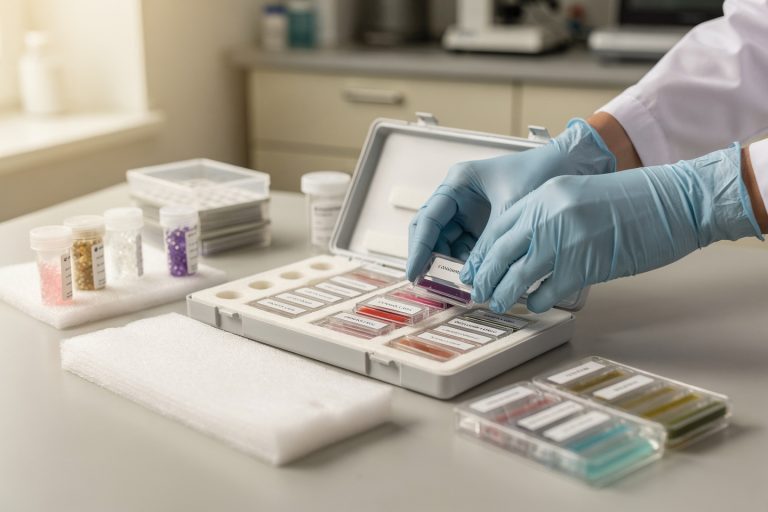
Receiving a pathology report can feel overwhelming. For many patients, the pathology diagnosis becomes the foundation for major medical decisions involving surgery, chemotherapy, radiation, immunotherapy, or long-term monitoring. It is completely normal to want reassurance that the diagnosis is accurate and fully understood before moving forward with treatment. That is why many patients consider obtaining a second opinion on their pathology report.
However, most people have no idea how the process actually works. Patients often wonder whether they are allowed to request a second opinion, whether their doctor will be offended, how pathology slides are transferred, how long the process takes, or whether a second opinion is even worthwhile. At Honest Pathology, patients frequently seek consultation because they want a simpler and more understandable way to begin evaluating their pathology before navigating the more complicated formal second opinion process. Understanding how pathology second opinions work can help patients feel more confident and less intimidated while exploring their options.
What Is a Pathology Second Opinion?
A pathology second opinion occurs when another pathologist reviews the original biopsy or surgical material independently. This usually involves review of the actual glass microscope slides, tissue blocks, pathology report, and any supporting laboratory studies such as immunohistochemistry or molecular testing.
The second pathologist evaluates the tissue separately and may either confirm the original diagnosis or identify findings that deserve additional discussion or clarification. Pathology second opinions are common in medicine, especially for cancer diagnoses, rare diseases, borderline lesions, or complex cases involving major treatment decisions. Patients are often surprised to learn that physicians themselves frequently request pathology consultations when dealing with difficult or unusual cases.
Can Patients Request a Second Opinion Themselves?
One of the most commonly searched questions is whether patients are allowed to request pathology second opinions directly. In most situations, the answer is yes. Patients generally have the right to request review of their pathology material by another physician or institution. The original pathology laboratory usually requires signed authorization forms before releasing slides or tissue blocks for consultation.
Some patients coordinate the process through their treating physician, while others contact consultation services directly. At Honest Pathology, many patients begin with an educational pathology consultation service first because they want help understanding whether a formal second opinion is likely to be helpful before starting the more involved institutional process.
Will My Doctor Be Offended If I Ask for a Second Opinion?
This is one of the biggest fears patients have. Most physicians understand that second opinions are a normal part of modern medicine, especially when patients face serious diagnoses or complicated treatment decisions. Pathology is a highly specialized field, and many doctors recognize the value of subspecialty review in difficult cases.
Requesting a second opinion is not usually viewed as an accusation or criticism. Instead, it is generally seen as part of thoughtful and informed medical decision-making. In fact, some physicians actively encourage pathology second opinions for certain diagnoses. Patients should never feel guilty for wanting to better understand the pathology underlying important treatment decisions.
When Should Someone Consider a Pathology Second Opinion?
Another very common question is whether every pathology diagnosis needs a second opinion. Not all cases require additional review. Many pathology diagnoses are straightforward and highly reproducible. However, second opinions may be particularly valuable when diagnoses involve cancer, rare diseases, borderline findings, unusual molecular results, unexpected treatment recommendations, or situations where the pathology findings do not seem to fit the clinical picture.
Patients may also consider second opinions when they feel uncertain about their diagnosis, confused by pathology terminology, or uncomfortable moving forward without additional reassurance. At Honest Pathology, consultations help patients better understand whether their pathology appears routine or whether additional formal subspecialty review may be worthwhile.
How Do You Actually Get a Second Opinion?
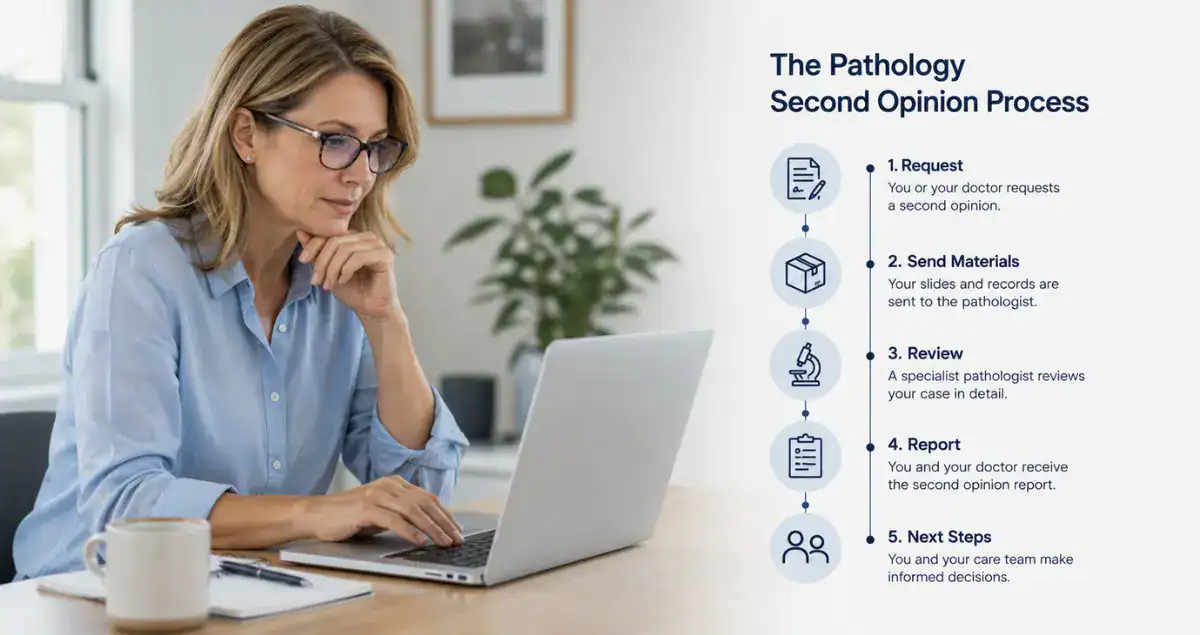
Patients are often surprised by how logistical the process can become. First, the patient or physician typically identifies the pathologist or consultation service that will perform the review. The original pathology laboratory is then contacted to release the slides and supporting materials. This may include glass slides, tissue blocks, pathology reports, and laboratory studies.
The patient usually signs a release authorization form allowing transfer of the pathology material. The laboratory carefully packages the slides and ships them to the consulting pathologist or institution for review. Once the material arrives, it is logged into the receiving laboratory system and assigned for evaluation.
Depending on the complexity of the case, the reviewing pathologist may request additional stains, molecular testing, or consultation with subspecialty colleagues. The final consultation report is then typically shared with the patient’s treating physician. For patients already overwhelmed by a diagnosis, this process can feel intimidating and administratively burdensome.
Another commonly searched question involves timing.The timeline varies depending on the institution, the complexity of the case, shipping logistics, and whether additional testing is needed. Some consultations may be completed within a few days, while others take several weeks. Cases involving rare diseases, complex molecular testing, or intradepartmental review may require additional time.
Patients should ask in advance about expected turnaround times, especially if treatment decisions are time sensitive. At Honest Pathology, many patients appreciate having a simpler educational consultation first while they decide whether pursuing a larger formal second opinion process makes sense for their situation.
What Happens If the Second Opinion Is Different?
Patients naturally worry about what happens if the second pathologist disagrees with the original diagnosis. In reality, not all differences are dramatic. Some involve minor terminology changes or grading adjustments that may not affect treatment significantly. Others may involve more meaningful differences in classification, staging, or interpretation that could influence management decisions.
If opinions differ, the healthcare team usually reviews the pathology findings together along with imaging, clinical information, and laboratory results before making treatment decisions. Sometimes additional pathology review or testing is performed to help clarify the situation further. At Honest Pathology, consultations help patients better understand these possibilities and prepare thoughtful questions for discussions with their physicians.
Is a Pathology Report Alone Enough for a Second Opinion?
Many patients ask whether they can simply upload the pathology report itself. While reviewing the report can provide useful educational insight, formal pathology second opinions generally require direct review of the actual tissue slides. The microscopic findings are what allow pathologists to evaluate cellular detail, tissue architecture, tumor behavior, inflammatory patterns, and diagnostic features independently.
A report summarizes those findings, but it does not replace direct slide examination. At Honest Pathology, consultations may involve review of reports, slides, or both depending on the situation and goals of the consultation.
Why Patients Sometimes Start With Honest Pathology
For many patients, formal institutional second opinions feel overwhelming at first. There may be paperwork, shipping logistics, insurance questions, delays, and uncertainty about whether additional review is truly necessary. At Honest Pathology, patients can begin with a more approachable educational pathology consultation focused on understanding the pathology findings themselves.
Rather than immediately pursuing a formal diagnosis-changing process, patients can first gain clarity about what the pathology report means, whether the findings appear straightforward, and whether additional formal review may be beneficial. This helps many patients feel more informed and less anxious before deciding how far they want to pursue additional pathology evaluation.
Can a Second Opinion Improve Treatment Decisions?
Another commonly searched question is whether pathology second opinions actually matter clinically. Sometimes they do. Pathology findings directly influence many treatment decisions involving surgery, chemotherapy, targeted therapy, radiation, surveillance, and additional testing. A second opinion may occasionally refine tumor classification, grading, staging, or biomarker interpretation in ways that affect treatment planning.
Even when the diagnosis remains unchanged, many patients feel more confident moving forward after hearing that another expert independently reviewed the case. The consultation process may also help patients ask better questions and participate more actively in discussions with their healthcare team, especially after knowing when you need a second opinion and understanding how it may impact care.
Patients Deserve to Understand Their Pathology
Most patients never expect to become familiar with pathology terminology, slide transfer logistics, or consultation workflows. Yet pathology often becomes one of the most important factors shaping medical decisions. Seeking a second opinion is not about creating conflict or distrusting physicians. It is about ensuring that patients feel informed, confident, and comfortable with the information guiding their care.
At Honest Pathology, consultations are designed to help patients understand their pathology more clearly and navigate second opinion decisions in a simpler, more approachable way. By combining educational guidance with careful pathology review, patients can feel better prepared to make thoughtful decisions about their next steps.