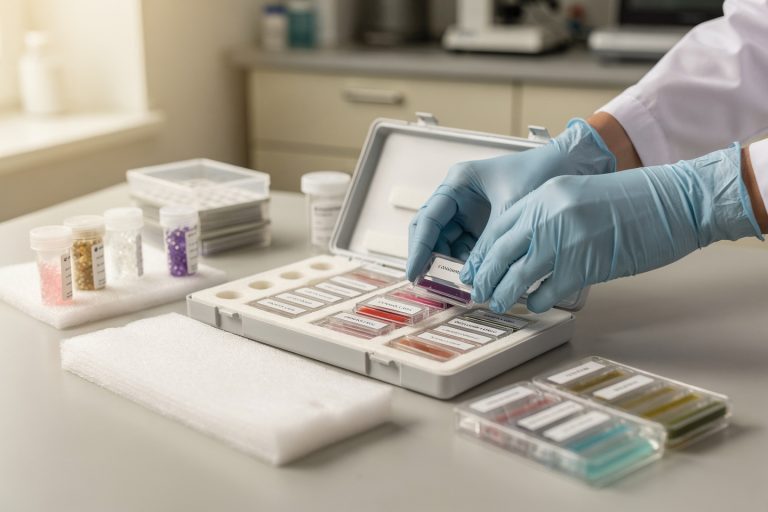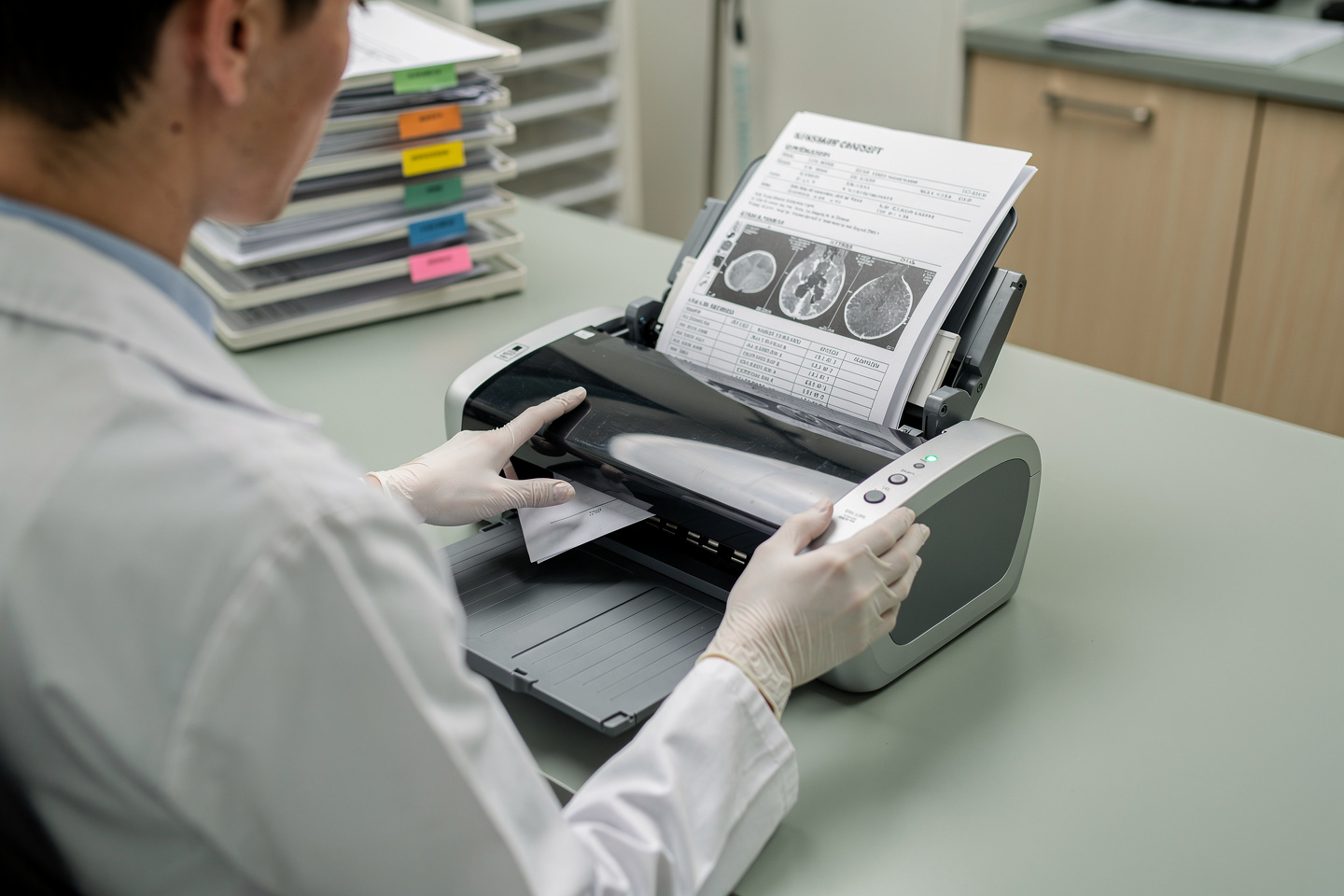
When patients receive a serious diagnosis, the focus naturally shifts toward treatment. Questions about surgery, chemotherapy, radiation, medications, or long-term prognosis quickly become urgent concerns. Yet one of the most important parts of the entire treatment process begins even earlier, with understanding the diagnosis itself. A pathology consultation or second opinion can help patients better understand what their diagnosis means, how certain pathology findings may influence treatment decisions, and what questions they should ask their healthcare team moving forward.
At Honest Pathology, pathology consultation services are designed to help patients become more informed participants in their own care. While consultations do not replace oncologists, surgeons, or treating physicians, they can help patients approach treatment planning with greater clarity, confidence, and understanding. Research consistently shows that patients who better understand their diagnosis and treatment plan often experience improved communication, stronger treatment engagement, and greater satisfaction with care.
Why Understanding a Diagnosis Matters
Many patients are surprised by how difficult pathology reports can be to understand. Pathology reports are primarily written for communication between medical professionals. Terms involving tumor grading, molecular testing, biomarkers, dysplasia, invasion, staging, or immunohistochemistry may carry major treatment implications while remaining confusing to patients.
Unfortunately, studies have shown that many patients leave medical encounters without fully understanding their diagnosis or treatment plan. One study found that fewer than half of discharged patients could accurately state their diagnoses or treatment details. This matters because understanding affects participation.
Patients who better understand their condition are often more prepared to ask questions, communicate concerns, follow treatment recommendations, recognize symptoms, and participate in shared decision-making with their healthcare team. A pathology consultation helps bridge the gap between highly technical medical information and patient understanding.
How Pathology Influences Treatment Decisions
Pathology is the foundation of many treatment plans, especially in cancer care. The pathology report determines whether tissue is benign or malignant, what type of cancer is present, how aggressive it appears, whether lymph nodes are involved, and whether important molecular markers are identified. These findings directly influence treatment recommendations.
For example, breast cancer treatment decisions often depend on hormone receptor testing, HER2 status, tumor grade, and margin assessment. Prostate cancer management depends heavily on Gleason grading. Colon cancer staging influences whether chemotherapy may be recommended after surgery. Even subtle pathology differences can sometimes affect treatment discussions.
A pathology consultation may help patients better understand these microscopic findings and how they connect to larger treatment decisions being recommended by their physicians. Patients interested in learning more about how pathology reports guide personalized cancer treatment can better appreciate how specific pathology findings influence individualized care decisions. At Honest Pathology, consultations focus on helping patients understand the pathology underlying their diagnosis so they can engage more confidently with their healthcare team.

Second Opinions Sometimes Lead to Changes in Treatment
Research evaluating patient-initiated second opinions has shown that additional review can sometimes influence treatment recommendations. One large study evaluating thousands of patient-initiated second opinions found that treatment recommendations changed in approximately 37% of cases, while diagnoses changed in nearly 15% of patients.
This does not necessarily mean the original physician was incorrect. Medicine is complex, and additional review may provide clarification, subspecialty insight, or alternative management perspectives. Importantly, many second opinions confirm the original treatment plan and provide reassurance to patients that they are moving in the right direction. For some patients, reassurance is itself extremely valuable. Feeling confident in a treatment plan can reduce uncertainty and help patients move forward more comfortably with difficult medical decisions.
Patient Empowerment Can Improve Communication
Studies repeatedly show that communication and patient understanding are strongly connected to healthcare experience and treatment engagement. Patients who understand their diagnosis more clearly often feel more comfortable asking questions and discussing concerns openly with their doctors. This can lead to more individualized treatment discussions.
For example, one patient may prioritize aggressive treatment for maximum reassurance, while another may place greater importance on minimizing side effects or preserving quality of life when medically appropriate. These conversations work best when patients understand the pathology and clinical reasoning behind the available options. At Honest Pathology, consultations help patients prepare thoughtful, individualized questions for their care team so treatment planning becomes more collaborative and personalized.
Better Understanding Can Support Treatment Adherence
When patients understand why a treatment is being recommended, they are often better equipped to follow through with care plans consistently. Research has shown that poor understanding of diagnoses and treatment plans may negatively affect compliance, follow-up care, and long-term management. This is especially important in complex diseases requiring ongoing treatment, surveillance imaging, laboratory monitoring, or multiple specialist visits.
Patients who understand the biological features of their disease may feel more connected to the purpose behind recommended therapies and follow-up schedules. Pathology consultations can help patients better understand concepts such as tumor behavior, recurrence risk, staging, biomarkers, and treatment rationale in a way that feels more approachable and understandable.
Personalized Care Starts With Understanding the Individual Patient
Modern medicine increasingly recognizes that treatment plans should be individualized. Two patients with similar diagnoses may still choose different treatment paths based on age, overall health, personal goals, lifestyle considerations, family responsibilities, fertility concerns, or tolerance for risk. Pathology consultations can help patients better understand how their specific pathology findings relate to these individualized decisions.
Rather than feeling rushed into generalized treatment discussions, patients may feel more prepared to explore options thoughtfully with their healthcare team. At Honest Pathology, the goal is not simply to review slides, but to help patients understand their diagnosis deeply enough to participate meaningfully in decisions about their care.
Most Consultations Do Not Create Conflict With Doctors
Some patients hesitate to seek pathology consultations or second opinions because they worry it may offend their physician. In reality, collaborative medicine often includes consultation, multidisciplinary review, and second opinions. Most physicians understand that patients facing major diagnoses want as much clarity and confidence as possible before beginning treatment.
Pathology consultations are not about working against the healthcare team. They are about helping patients become more informed participants within that team. At Honest Pathology, consultations are designed to complement ongoing medical care, not replace it. Patients are encouraged to bring individualized questions, discussion points, and observations back to their physicians so treatment planning remains collaborative and patient-centered.
Sometimes the Most Important Outcome Is Peace of Mind
Not every pathology consultation changes treatment recommendations. Sometimes the most important outcome is reassurance that the diagnosis appears straightforward and the treatment plan already makes sense. For many patients, simply understanding their pathology more clearly reduces fear and uncertainty. They feel more confident moving forward because they finally understand the reasoning behind the medical recommendations they are receiving.
Research consistently shows that patients value communication, understanding, and shared decision-making as important parts of quality healthcare. A pathology consultation can support that process by helping patients feel informed rather than overwhelmed.
How Honest Pathology Helps Patients Navigate Treatment Decisions
At Honest Pathology, pathology consultations are designed to help patients understand their diagnosis in a clearer, more human-centered way. Through careful pathology review, educational discussion, and individualized guidance, patients can better understand the microscopic findings influencing their care. They also receive personalized questions and discussion points to bring back to their healthcare team.
In some cases, the consultation may help identify situations where additional formal subspecialty review could be beneficial. In others, it may provide reassurance that the current treatment approach appears appropriate. Either way, the consultation helps patients participate more confidently in treatment planning. As medicine becomes increasingly complex, patients who understand their diagnosis are often better positioned to communicate effectively, engage in shared decision-making, and pursue treatment plans that feel more personalized to their goals and needs.