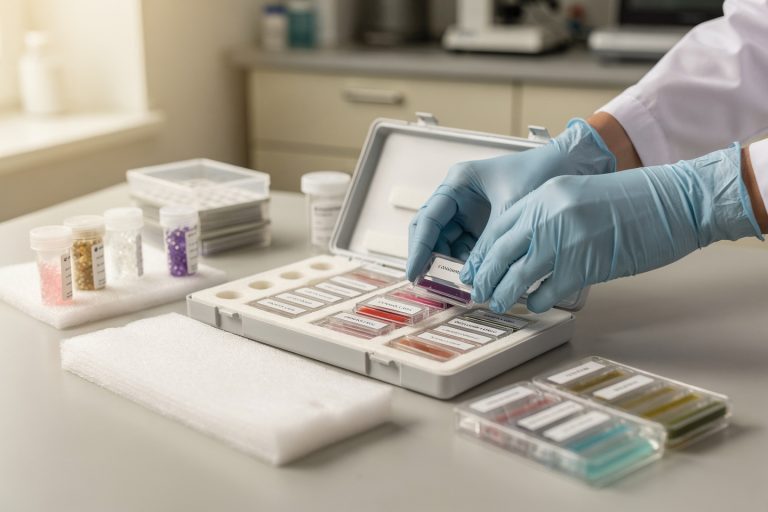
For many patients, the most stressful part of a medical diagnosis is not just waiting for answers, but trying to understand what those answers actually mean. Pathology reports are often filled with technical language, microscopic terminology, staging information, biomarker data, and complex diagnostic phrases that can feel overwhelming even after meeting with a treating physician.
That is why many patients seek a pathology consultation in the first place. They want clarity, context, and a better understanding of what is happening behind the scenes of their diagnosis. But an important question patients often ask is this: what happens after the pathology consultation is over?
At Honest Pathology, the consultation process is designed not only to review pathology slides and discuss observations, but also to help patients move forward feeling more informed, organized, and prepared for future conversations with their medical team. A good pathology consultation should not end with a confusing medical discussion or a vague summary. It should leave patients with actionable understanding, personalized follow-up guidance, and greater confidence navigating their care.
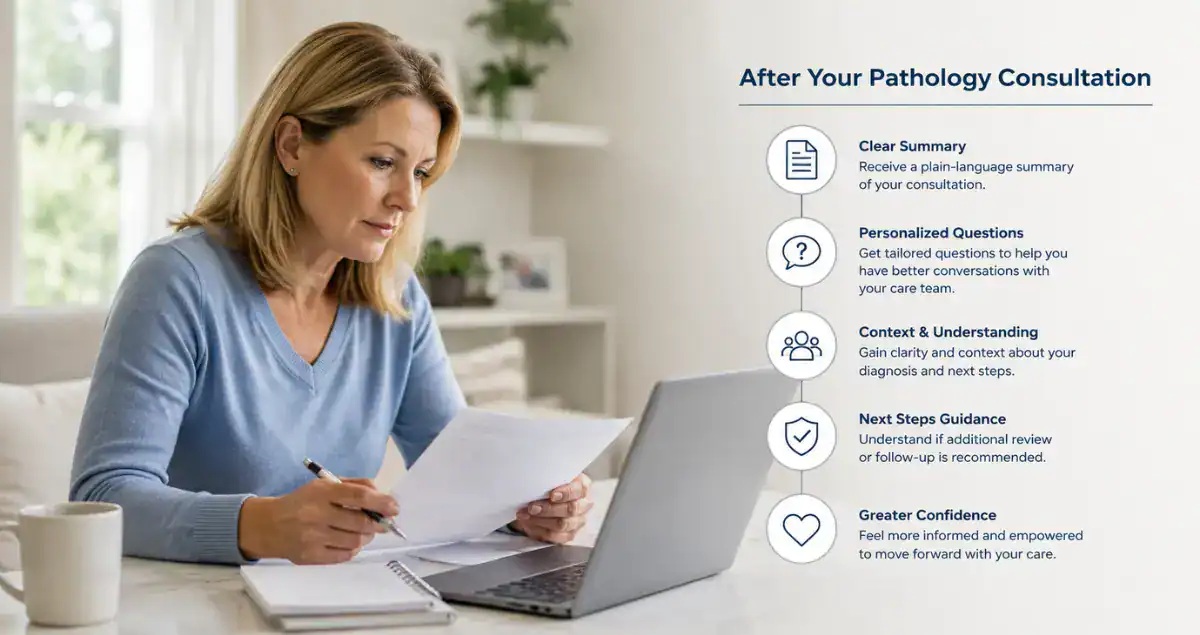
Patients Receive a Clear Summary of the Consultation
One of the most valuable parts of a pathology consultation is helping patients translate complex pathology findings into understandable language. After the consultation, patients typically receive a summary of the information that was discussed during the review process. This may include clarification of diagnostic terminology, explanation of microscopic findings, discussion of staging or grading concepts, and interpretation of important pathology features relevant to the patient’s condition. Many patients say this is the first time they truly understand their pathology report.
Traditional pathology reports are primarily written for communication between physicians, not for patients. Terms such as adenocarcinoma, dysplasia, lymphovascular invasion, immunohistochemistry, atypia, or molecular profiling may carry enormous clinical importance while remaining difficult for non-medical readers to interpret.
At Honest Pathology, the goal is to help patients understand not only the words contained in the report, but also the significance of what the pathologist observed under the microscope. Patients seeking more personalized guidance often explore pathology consultation services to better understand the details of their diagnosis.
Patients Receive Individualized Questions to Ask Their Care Team
One of the most overlooked challenges in healthcare is knowing what questions to ask. Patients are often overwhelmed during oncology appointments, surgical consultations, or specialist visits. Important questions may not occur to them until after the appointment has ended. A thoughtful pathology consultation helps bridge that gap.
Following the consultation, patients may receive individualized questions tailored to their specific diagnosis, pathology findings, and clinical situation. These questions are designed to help patients have more productive conversations with their treating physicians. For example, a patient with breast cancer may be encouraged to ask about hormone receptor interpretation, margin status, lymph node involvement, genomic testing, or eligibility for specific treatment approaches. A patient with prostate cancer may receive questions related to Gleason grading, active surveillance eligibility, or imaging recommendations.
A patient with a gastrointestinal biopsy showing inflammatory changes may receive guidance about questions involving follow-up colonoscopy, additional laboratory testing, or clinicopathologic correlation. These individualized discussion points help patients participate more actively in medical decision-making rather than feeling passive or confused during appointments. At Honest Pathology, empowering patients to communicate more effectively with their care team is considered an important part of the consultation process.
Patients Gain Context About Their Diagnosis
Many patients initially approach pathology consultations believing they simply want confirmation of a diagnosis. In reality, they are often searching for context. Understanding whether a diagnosis appears straightforward, borderline, rare, aggressive, indolent, or highly specialized can significantly affect how patients emotionally process their condition.
For example, two pathology reports may both technically describe cancer while carrying very different biological behavior and treatment implications. Some diagnoses involve highly favorable prognoses, while others require more urgent management. A pathology consultation can help patients better understand where their diagnosis fits within the broader medical picture.
Patients often leave consultations feeling more prepared to interpret future imaging results, treatment discussions, and specialist recommendations because they now understand the pathology foundation underlying those decisions. Learning how a pathology report guides cancer treatment can also help patients better understand why certain therapies or follow-up recommendations are made.
Some Patients Decide to Pursue Formal Second Opinions
Not every pathology consultation leads to further review. In many cases, the consultation provides reassurance that the pathology findings appear consistent and straightforward. However, some consultations may identify reasons why additional subspecialty evaluation could be worthwhile.
For example, rare tumors, borderline lesions, unusual molecular findings, or diagnostically challenging cases may benefit from formal second opinion review at major academic pathology departments such as Mayo Clinic or MD Anderson Cancer Center.
At Honest Pathology, consultations are not designed to replace formal diagnostic second opinions. Instead, they help patients better understand whether seeking additional institutional review may add value in their particular situation. For some patients, that recommendation provides reassurance that they are already on the right path. For others, it may help identify situations where deeper subspecialty review could be important before making major treatment decisions.
Patients Often Feel More Emotionally Grounded
Pathology consultations are not only informational. They can also reduce uncertainty. One of the most difficult parts of receiving a serious diagnosis is feeling disconnected from the process. Patients may hear unfamiliar medical terminology, receive frightening reports through online portals, and struggle to understand how physicians reached certain conclusions.
A pathology consultation helps many patients feel more grounded because they gain insight into the actual diagnostic process. Seeing how pathology works, understanding what features were observed microscopically, and learning why certain terms were used can reduce fear created by ambiguity.
Patients frequently report that they feel more confident speaking with oncologists, surgeons, or specialists after the consultation because they now understand their diagnosis more clearly. At Honest Pathology, the educational aspect of the consultation is considered just as important as the slide review itself.
Follow-Up Consultation Options May Be Available
Medical care evolves over time. New imaging studies, surgeries, biopsies, molecular testing results, or treatment responses may raise additional questions after the initial consultation. For this reason, some patients choose follow-up consultations as new information becomes available.
A patient who initially sought consultation after a biopsy may later undergo surgery and want clarification regarding final pathology staging. Another patient may receive molecular testing results that change treatment planning and want help understanding their significance.
Others may simply need additional guidance preparing for future appointments or evaluating whether new findings warrant further review. At Honest Pathology, follow-up options help patients continue building understanding throughout their medical journey rather than treating pathology consultation as a one-time isolated event.
Patients Learn How Pathology Fits Into Their Overall Care
Many people do not realize how central pathology is to modern medicine until they experience a serious diagnosis personally. Pathology determines whether tissue is benign or malignant, how aggressive a tumor appears, whether margins are clear, whether lymph nodes contain disease, and which biomarkers influence targeted therapies.
After a pathology consultation, patients often gain a much clearer understanding of how pathology connects to surgery, oncology, radiology, chemotherapy, immunotherapy, and long-term monitoring. This broader perspective can make future medical discussions feel far less confusing. Instead of viewing pathology as an isolated laboratory report, patients begin to understand it as the foundation upon which many treatment decisions are built.
A Good Pathology Consultation Should Help Patients Move Forward
Ultimately, the purpose of a pathology consultation is not simply to repeat medical terminology or provide technical analysis. A meaningful consultation should help patients move forward with greater clarity, confidence, and preparedness. Patients should leave with a better understanding of their diagnosis, personalized questions for their physicians, insight into whether additional review may be beneficial, and a clearer sense of how pathology findings affect treatment planning.
At Honest Pathology, the consultation process is designed around helping patients navigate complex medical information in a more understandable and human-centered way. By combining careful pathology review with individualized education and follow-up guidance, patients can feel more informed and empowered as they continue working with their care team.