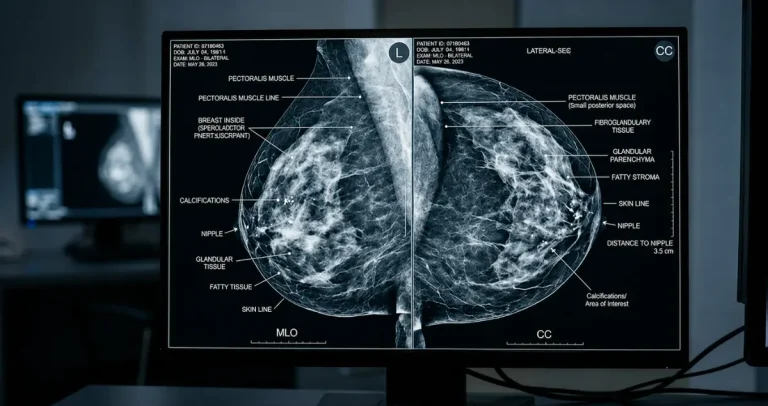
Pathology reports play a pivotal role in guiding major medical decisions, yet many patients remain uncertain about the expertise behind their diagnosis. A common concern involves whether the original review was performed by a general pathologist or a subspecialist, and whether seeking a targeted second opinion could provide greater accuracy and peace of mind. At Honest Pathology, we help patients navigate these questions with clarity. This article explores the main types of pathology subspecialties, how to assess the expertise behind your report, and when it makes sense to pursue a subspecialist review.
Pathology has evolved into a field with numerous subspecialties, allowing pathologists to develop deep knowledge in specific organ systems or diagnostic techniques. While all board-certified pathologists complete rigorous general training, subspecialists undertake additional fellowship training and often focus their careers on high volumes of particular case types.
Understanding Pathology Subspecialties: Focused Expertise That Matters
Common anatomic pathology subspecialties include breast pathology, which involves detailed evaluation of breast biopsies and resections, including complex interpretations of ductal carcinoma in situ, invasive cancers, margins, and biomarker testing that directly influence surgery and systemic therapy. Gastrointestinal pathology covers diseases of the esophagus, stomach, intestines, colon, pancreas, and liver, with expertise in distinguishing inflammatory conditions, precancerous lesions, and various malignancies using the latest classification systems.
Genitourinary pathology specialists focus on prostate, bladder, kidney, and testicular specimens. Prostate cancer grading, for instance, requires nuanced pattern recognition that can significantly affect risk assessment and treatment choices. Dermatopathology experts specialize in skin diseases and tumors, differentiating subtle melanocytic lesions, carcinomas, and inflammatory conditions that often appear similar under the microscope.
Other key subspecialties include gynecologic pathology, addressing cervical, uterine, and ovarian conditions; thoracic/pulmonary pathology for lung and pleural diseases; neuropathology for brain and nervous system tumors; hematopathology for lymphomas, leukemias, and bone marrow disorders; and soft tissue and bone pathology for sarcomas and related tumors. Additional areas such as cytopathology (examining cells from fluids or aspirations), pediatric pathology, and molecular genetic pathology further refine diagnostic precision through advanced testing techniques. Patients researching how rare cancer is diagnosed and reported often discover how critical subspecialty expertise can be in uncommon or highly complex cases. These subspecialties enable more refined interpretations, particularly in challenging or uncommon cases where general experience may be more limited.
How Patients Can Determine If Their Pathology Report Was Interpreted by a Subspecialist or General Pathologist
Patients can gather important clues directly from their pathology report. Most reports list the pathologist’s name and credentials at the bottom or in the signature section. You can then research that individual online through hospital or laboratory websites, which often detail their training, board certifications, and areas of expertise or fellowship background. Look for phrases indicating consultation or review by a specialist, such as “reviewed in consultation with” or mentions of specific tumor boards. Academic or large cancer center reports more frequently involve subspecialists, while community hospital reports are more likely handled by general pathologists who cover a broad range of cases.
The level of detail in the report—particularly extensive biomarker analysis, nuanced grading comments, or references to current classification guidelines—can also suggest subspecialty involvement. If this information is unclear, patients have the right to ask their treating physician or contact the pathology department directly for clarification about the reviewing pathologist’s background. Understanding this context helps patients decide whether additional expert input would be beneficial.
When Should You Request a Second Opinion from a Subspecialty Pathologist?
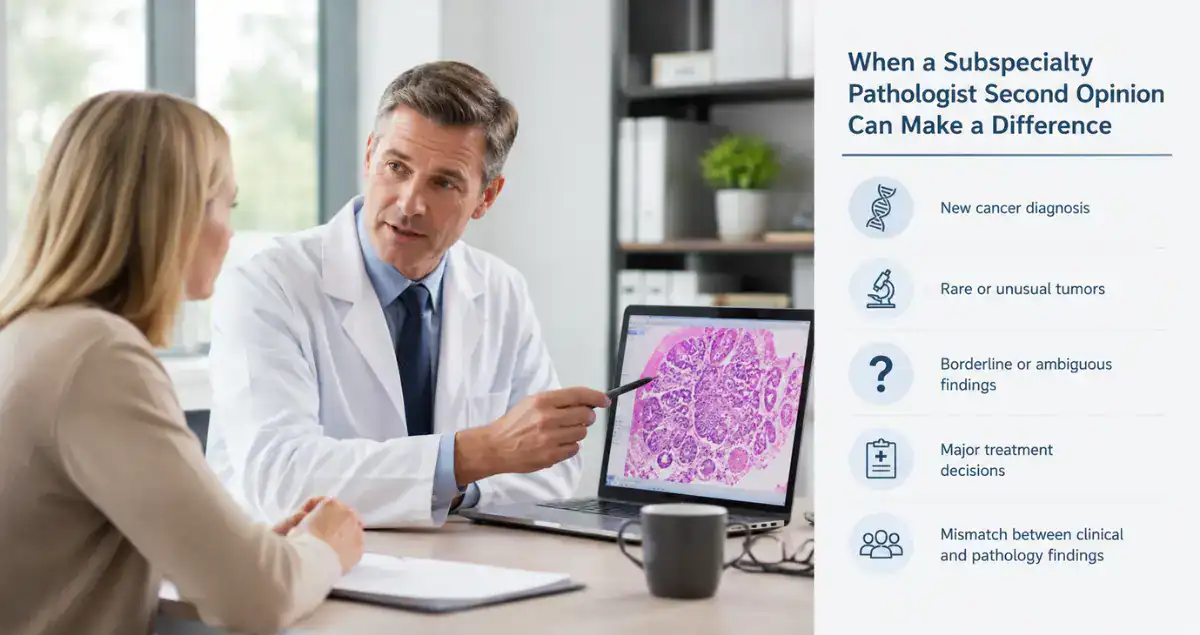
Requesting a second opinion from a subspecialist becomes particularly valuable in several situations. These include new cancer diagnoses, especially involving breast, prostate, gastrointestinal, skin, gynecologic, or hematologic malignancies; rare or unusual tumors; borderline or ambiguous findings described with terms like “atypical,” “suspicious for,” or “cannot exclude”; and cases where the diagnosis has major treatment implications such as surgery versus surveillance, chemotherapy, or radiation.
Discrepancies between the pathology findings and clinical or imaging results also warrant expert review. Even when the diagnosis seems straightforward, patients experiencing persistent anxiety or seeking maximum confidence before major interventions often benefit from subspecialist input. Evidence from major centers shows that subspecialty reviews frequently refine diagnoses, grading, or staging, sometimes leading to meaningful changes in management. Not every case requires this level of review. Routine, classic presentations interpreted at high-quality labs may not need further evaluation. However, when the stakes feel high or questions remain unanswered, a targeted subspecialist second opinion provides reassurance and potentially optimizes your care pathway.
How Honest Pathology Helps Patients Navigate the Need for Formal Second Opinions
Determining whether a formal second opinion is necessary—and ensuring it reaches the right subspecialist—can feel overwhelming amid a stressful diagnosis. Honest Pathology serves as a trusted resource designed specifically to support patients in making these informed decisions. Our team of board-certified pathologists with broad subspecialty access carefully reviews your existing materials and provides clear, understandable explanations of the findings.
Through our pathology consultation services, we help you understand the strengths of the original interpretation and identify any areas where additional subspecialty expertise could add value. This consultative approach empowers you with knowledge before committing to a formal institutional second opinion process, which can involve longer wait times and less direct communication.
At Honest Pathology, we emphasize clarity above all. Rather than receiving only a technical report, you gain straightforward answers to your questions about diagnosis, implications, and next steps. We guide you on whether pursuing a formal subspecialist second opinion would be advantageous and can facilitate connections to appropriate experts when indicated, all while navigating relevant state licensing considerations for compliant, accessible reviews. Our patient-centered model bridges the gap between complex laboratory findings and your real-world decision-making. We respect the role of your treating physicians while equipping you with the insights needed for confident conversations with your care team.
Taking Action for Diagnostic Clarity and Confidence
Your pathology report forms the cornerstone of your treatment plan. Knowing whether it reflects general or subspecialty interpretation gives you greater agency in your healthcare journey. By understanding common subspecialties and recognizing when additional expert review could help, you position yourself to make the best possible decisions. If questions linger about your report or you wonder whether a subspecialist second opinion would benefit your case, Honest Pathology stands ready to help.
Our consultative service offers the clarity and expert guidance needed to determine the most appropriate next steps—whether that involves reassurance in the original diagnosis or pursuit of a formal subspecialist review. Contact Honest Pathology today to schedule a consultation. Let our experienced team review your materials, explain your report in plain language, and support you in deciding if and how a subspecialty second opinion could bring greater confidence to your care. Diagnostic clarity should never feel out of reach—Honest Pathology makes expert understanding accessible when it matters most.