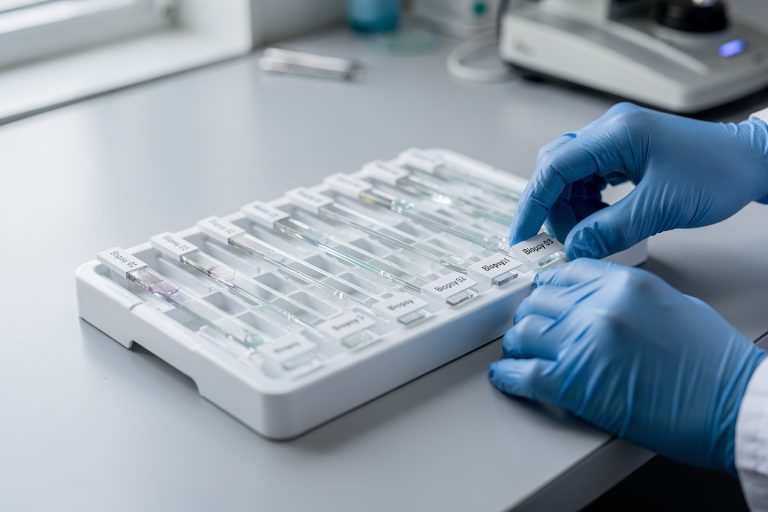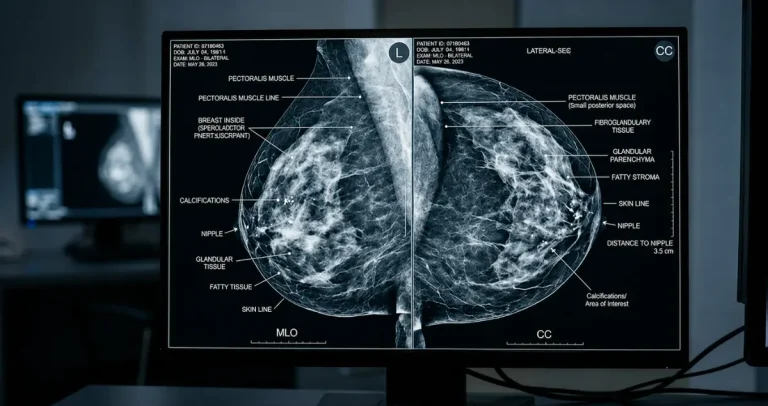
Receiving a finalized cancer pathology report can feel like a defining moment. After days or weeks of waiting, you finally have answers—but those answers often come with new questions.
What happens next? Who decides on treatment? How do all the details in the report actually affect your care?
At Honest Pathology, we often work with patients at this exact stage. They have their report in hand, but they’re trying to understand how it translates into real-world decisions. The next steps are not random—they follow a structured process, and understanding that process can make everything feel more manageable.
The Report Is Final—But It’s Not the End
A finalized pathology report is one of the most important pieces of information in your care, but it’s not the final step. It’s the foundation for everything that comes next.
This report confirms the diagnosis and provides critical details about the cancer, such as type, size, grade, and whether it has spread. These features help guide treatment decisions, but they need to be considered alongside imaging, lab results, and your overall health.
Think of the pathology report as the starting point for a more complete plan.
Your Care Team Comes Together
After a cancer diagnosis is confirmed, your care typically involves a team of specialists.
This may include a surgeon, a medical oncologist, and sometimes a radiation oncologist, depending on the type of cancer. These doctors review your pathology report along with other findings to determine the best course of action.
In many cases, your case may also be discussed in a multidisciplinary setting, where different specialists review the details together. This helps ensure that all aspects of your diagnosis are considered before decisions are made.
Additional Testing May Be Recommended
Even after the pathology report is finalized, there may be additional tests needed to complete the picture.
Imaging studies are often used to determine whether the cancer has spread beyond its original location. Blood tests or molecular studies may also be ordered to provide more information about how the cancer behaves and which treatments may be most effective.
These steps are not a sign of uncertainty—they are part of building a complete and accurate understanding of your condition.
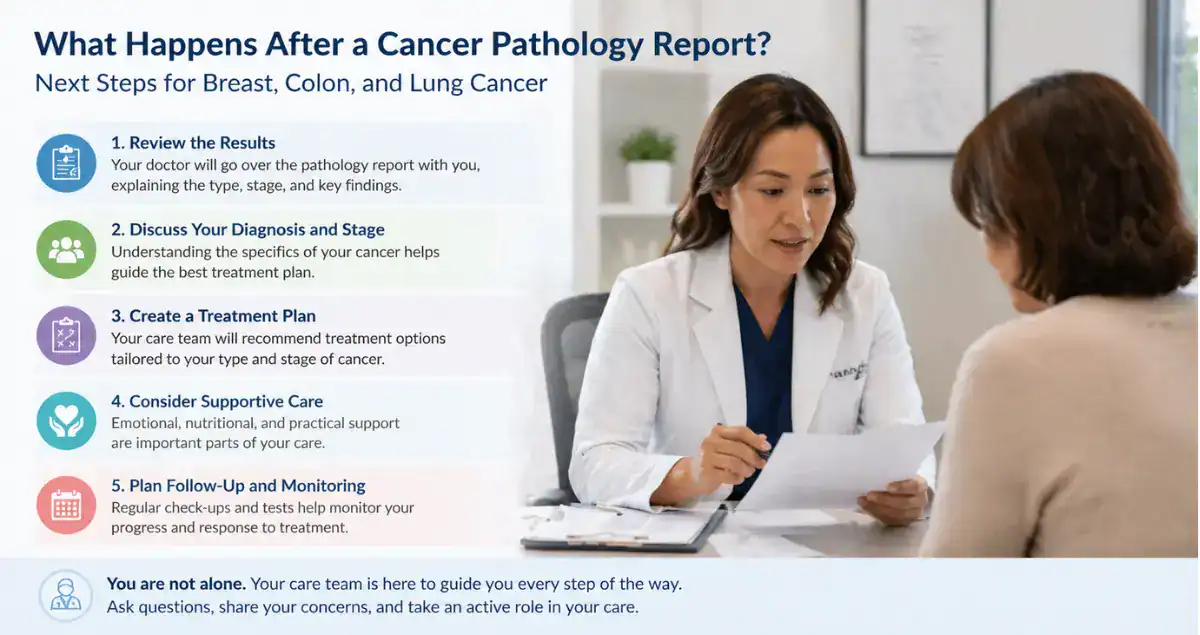
Next Steps in Breast Cancer
For breast cancer, the pathology report plays a central role in guiding treatment.
Details such as tumor size, lymph node involvement, and hormone receptor status all influence what happens next. If surgery has already been performed, the report helps determine whether additional treatment, such as radiation or systemic therapy, is recommended.
Hormone receptor and HER2 status are especially important, as they guide decisions about targeted therapies. These treatments are tailored to the biology of the cancer, not just its size or location.
In some cases, additional surgery may be needed if margins are not clear, meaning cancer cells are present at the edge of the removed tissue.
Next Steps in Colon Cancer
In colon cancer, the focus often shifts to staging and determining whether further treatment is needed after surgery.
The pathology report provides key information about how deeply the tumor has grown into the colon wall and whether lymph nodes are involved. These factors are critical in deciding whether chemotherapy is recommended.
If the cancer is found at an early stage, surgery alone may be sufficient. In more advanced cases, additional treatment is often advised to reduce the risk of recurrence.
Follow-up planning is also important, including surveillance with imaging and colonoscopy over time.
Next Steps in Lung Cancer
For lung cancer, the next steps depend heavily on both the type of cancer and how far it has spread.
The pathology report identifies the subtype, such as adenocarcinoma or squamous cell carcinoma, which influences treatment options. Molecular testing is often performed to look for specific genetic changes that can be targeted with newer therapies.
If the cancer is localized, surgery may be part of the treatment plan. In other cases, combinations of chemotherapy, immunotherapy, or radiation may be recommended.
Because lung cancer treatment is highly individualized, the pathology report is just one piece of a larger decision-making process.
Making Sense of Treatment Recommendations
Once all the information is gathered, your care team will recommend a treatment plan.
This plan is based on guidelines, clinical evidence, and the specific details of your case. It may include one or more types of treatment, and the timing and sequence can vary.
At this stage, many patients feel overwhelmed. There’s a lot of information to absorb, and the decisions can feel significant.
This is also the point where understanding your pathology report becomes especially important. Knowing what the findings mean can help you better understand why certain treatments are being recommended.
The Questions Patients Are Really Asking
After a cancer diagnosis, most patients are trying to answer a few key questions.
They want to know how serious the cancer is, what their chances are, and what treatment will involve. They want to understand why one option is being recommended over another.
They also want to feel confident that nothing has been overlooked.
These questions don’t always have simple answers, but they become easier to navigate when you clearly understand your diagnosis.
Why Understanding Your Report Matters Now More Than Ever
At this stage, your pathology report is no longer just a document—it’s a guide for your care. At Honest Pathology, we help patients review their reports with clear pathology report guidance to ensure they understand every detail of their diagnosis.
Every detail in it has the potential to influence decisions about surgery, medication, and follow-up. Misunderstanding even one part can lead to confusion about your treatment plan.
At Honest Pathology, we help patients review their reports in a way that makes sense, so they can feel informed and prepared when discussing next steps with their care team.
Moving Forward with Clarity
The period after a cancer pathology report is finalized can feel like a transition from uncertainty to action. While there is still a lot to process, this is also when a clear plan begins to take shape.
Understanding what happens after pathology is finalized is equally important, as it helps patients feel prepared for the next steps in their care journey. Taking the time to fully understand your report can make a meaningful difference in how you approach the next steps. Taking the time to fully understand your report can make a meaningful difference in how you approach the next steps.
If you’re at this stage and want to feel more confident in your understanding, consider scheduling a consultation with Honest Pathology. Being informed, prepared, and clear on your diagnosis can help you move forward with greater confidence and control.