Artificial intelligence is rapidly becoming part of everyday healthcare, and pathology is no exception. If you’ve recently had a biopsy or are reviewing a pathology report, you may be wondering whether AI is involved and what that actually means for you.
At Honest Pathology, we’re seeing more patients ask about how technology fits into their diagnosis, and many who want a deeper, personalized review often benefit from an advanced pathology consultation. The short answer is that AI is becoming a helpful tool in pathology—but it doesn’t replace the expertise of a pathologist. Instead, it adds another layer of support that can improve accuracy, efficiency, and consistency.
Understanding how this works can help you feel more informed and confident about your care.
What AI in Pathology Actually Does
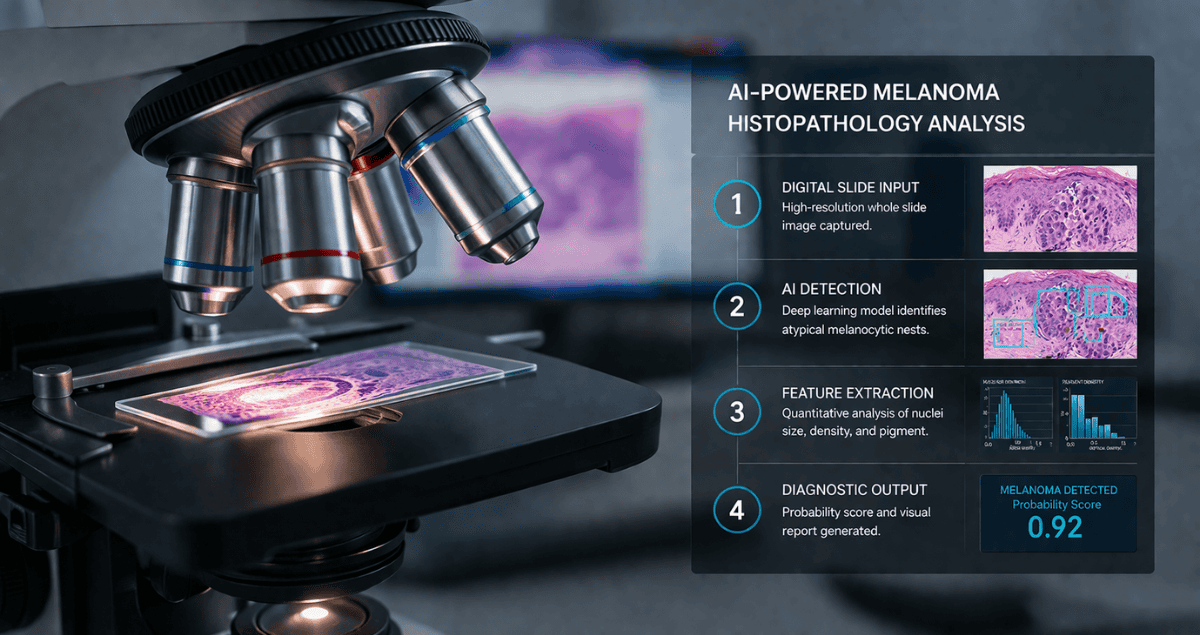
In pathology, AI is primarily used to analyze digital images of tissue samples. When a biopsy is taken, the tissue is placed on a glass slide and examined under a microscope. Increasingly, these slides are also scanned into high-resolution digital images.
AI systems can then be trained to recognize patterns in these images. They learn from large datasets of previously diagnosed cases and can identify features that may be difficult to detect with the naked eye alone.
This doesn’t mean AI is making diagnoses on its own. Instead, it acts as a support tool, helping pathologists review cases more thoroughly and efficiently.
How AI Helps Identify Disease
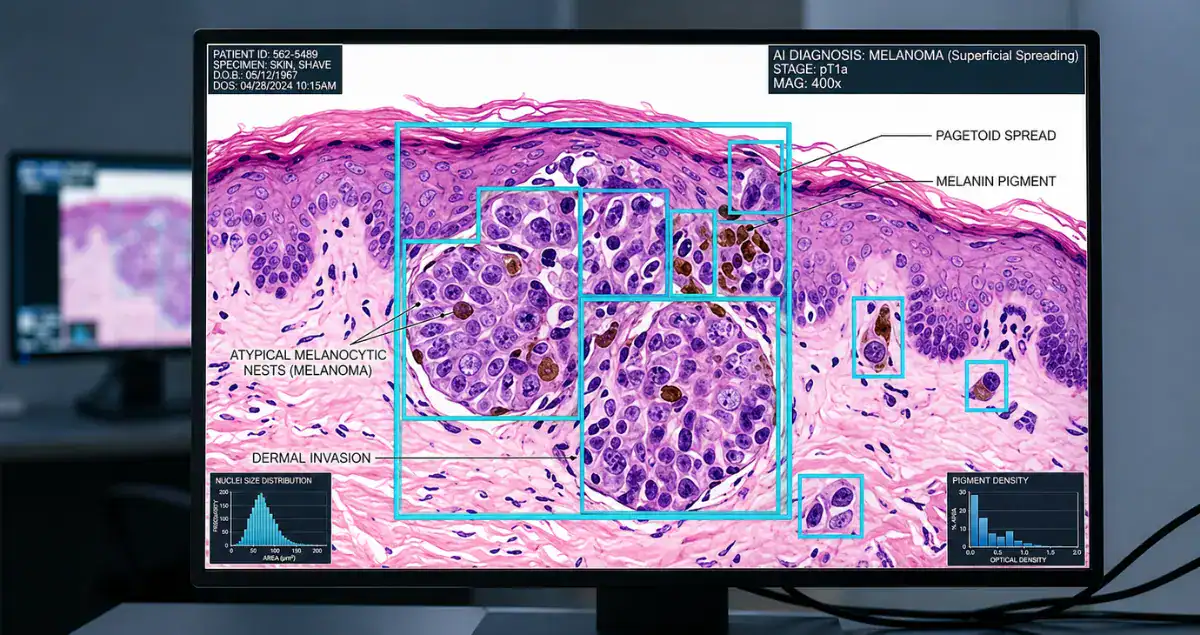
One of the most valuable uses of AI is in highlighting areas of concern within a tissue sample.
For example, AI can help detect subtle changes in cells that may suggest cancer or precancerous conditions. It can also assist in measuring things like tumor size, counting specific types of cells, or identifying patterns that are associated with certain diagnoses.
In some cases, AI can flag regions of a slide that deserve closer attention, acting almost like a second set of eyes. This can be especially helpful in large or complex samples where important findings might otherwise be easy to miss.
Where AI Is Already Being Used
AI is already being used in several areas of pathology, particularly in cancer diagnosis.
In breast, prostate, and skin pathology, AI tools are helping pathologists evaluate tissue more consistently. For example, in skin biopsies, AI can assist in identifying patterns that suggest melanoma or other skin cancers.
It’s also being used to standardize measurements and grading systems, which can sometimes vary between observers. By providing more consistent data, AI can help improve communication between doctors and guide treatment decisions more effectively.
What AI Cannot Do
Despite its growing role, AI has important limitations.
It does not understand your full medical history, your symptoms, or the clinical context of your case. It cannot replace the judgment that comes from years of medical training and experience.
Pathology is not just about recognizing patterns—it’s about interpreting them in context. Two cases that look similar under the microscope may mean very different things depending on the patient.
That’s why pathologists remain central to the diagnostic process. AI is a tool they use, not a replacement for their expertise.
Does AI Make Diagnoses More Accurate?
This is one of the most common questions patients ask.
AI has the potential to improve accuracy in certain situations, especially when it comes to detecting very subtle or early changes. It can also reduce variability by providing consistent analysis across cases.
However, accuracy still depends on how the technology is used and how its findings are interpreted. The best outcomes come from a combination of advanced tools and experienced professionals working together.
What This Means for Your Pathology Report
If AI was used in evaluating your biopsy, it typically won’t be explicitly mentioned in your report. Instead, it’s part of the workflow behind the scenes.
The final diagnosis you receive is still made by a pathologist. AI may have assisted in the process, but the responsibility for interpretation remains with a human expert.
For patients, this means you’re benefiting from both advanced technology and professional judgment, even if you don’t see AI directly referenced.
The Questions Patients Are Starting to Ask
As AI becomes more common, patients are naturally becoming more curious.
Many want to know if a machine reviewed their biopsy, and whether that changes how reliable the results are. Others wonder if AI could catch something that a human might miss, or if it could lead to overdiagnosis.
These are thoughtful questions, and they reflect a growing awareness of how technology is shaping healthcare. The key is understanding that AI is designed to assist, not replace, and that its value comes from how it is integrated into the diagnostic process.
Staying Informed in a Changing Landscape
As pathology continues to evolve, staying informed can help you feel more in control of your care.
At Honest Pathology, we help patients understand their pathology reports in the context of modern medicine, including how tools like AI and insights from resources such as how molecular tests help diagnosis may play a role behind the scenes. When you understand how your diagnosis is made, you’re better equipped to ask questions, consider options, and move forward with confidence.
A More Empowered Approach to Your Diagnosis
AI in pathology is not something to fear. It’s part of a broader effort to improve how diseases are detected and understood.
But even with the most advanced tools, what matters most is that you understand your results and what they mean for you.
If you’ve received a pathology report and want to better understand it, consider scheduling a consultation with Honest Pathology. Clear explanations and a deeper understanding can turn uncertainty into confidence, helping you take the next step with clarity and peace of mind.