Getting a pathology report can feel like a turning point. Whether the findings are straightforward or uncertain, it’s completely normal to want reassurance that everything has been interpreted correctly. For many patients, that’s where a second opinion comes in.
At Honest Pathology, we often speak with people who aren’t sure where to start. They know they want another set of eyes on their diagnosis, but the process feels unclear or even intimidating. The reality is that requesting a second opinion is more common—and more manageable—than most people expect.
Why Patients Seek a Second Opinion
Wanting a second opinion doesn’t mean something is wrong. In fact, it’s a standard part of medical care in many situations.
Some patients seek confirmation of a serious diagnosis, such as cancer, before moving forward with treatment. Others feel uncertain because their report contains unfamiliar or complex language. In some cases, the clinical picture and the pathology findings don’t seem to fully match, which raises reasonable questions.
There are also situations where peace of mind is the main goal. Even when everything appears benign, having another expert review the findings can help you feel more confident in your next steps.
What a Second Opinion Actually Involves
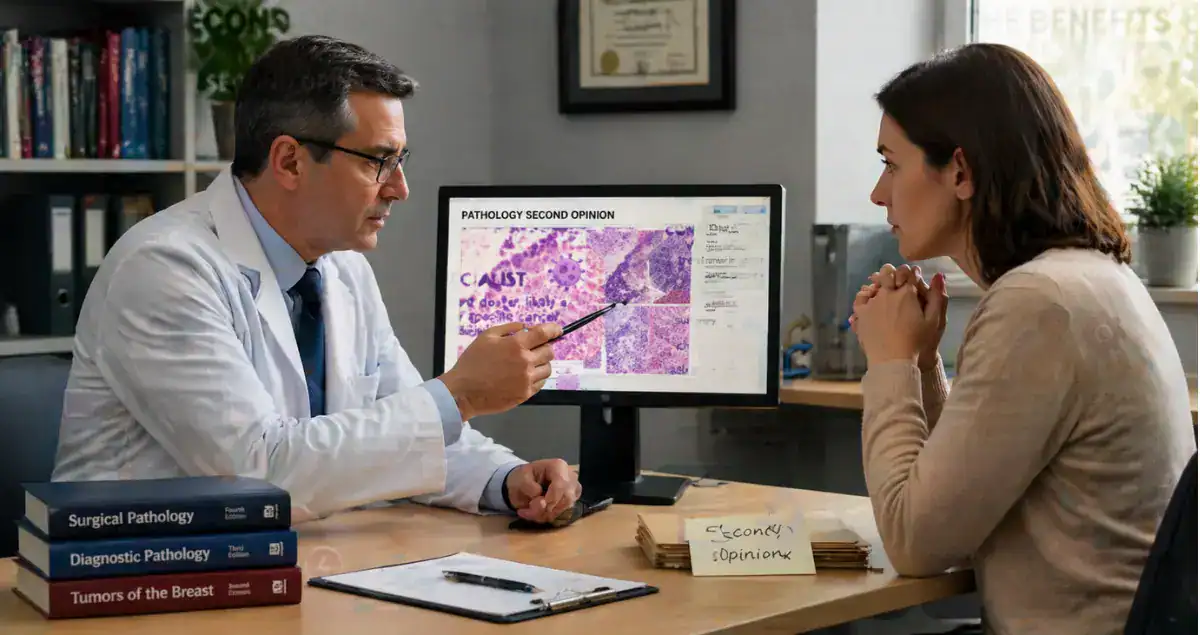
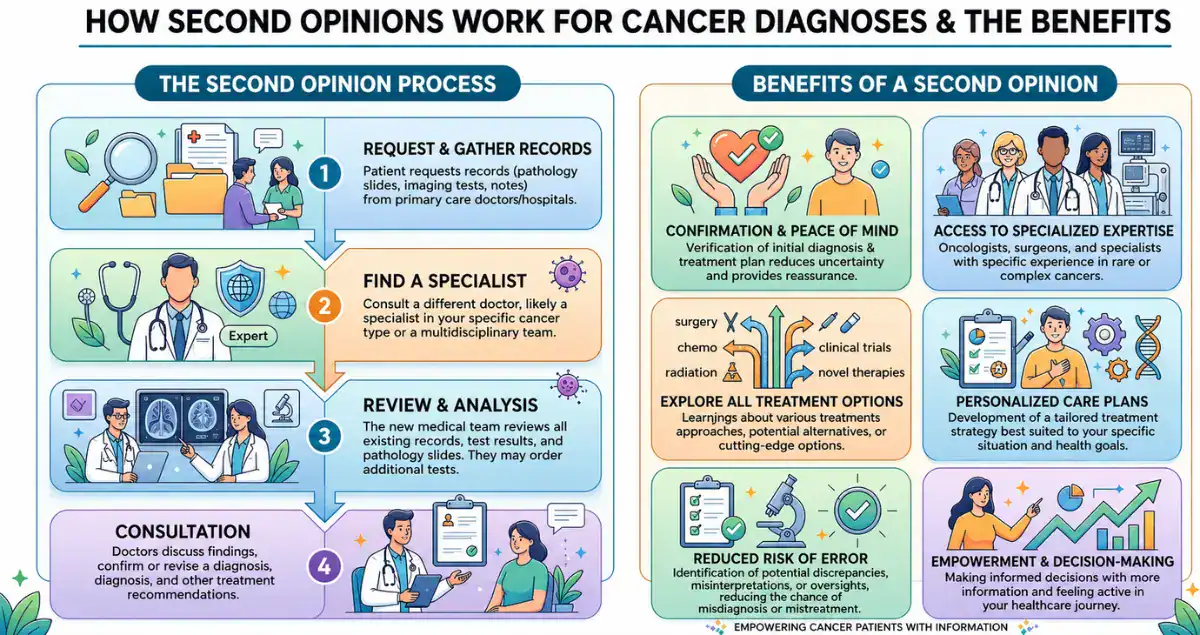
A pathology second opinion means having another pathologist review the same biopsy that was already taken. This doesn’t usually require a new procedure.
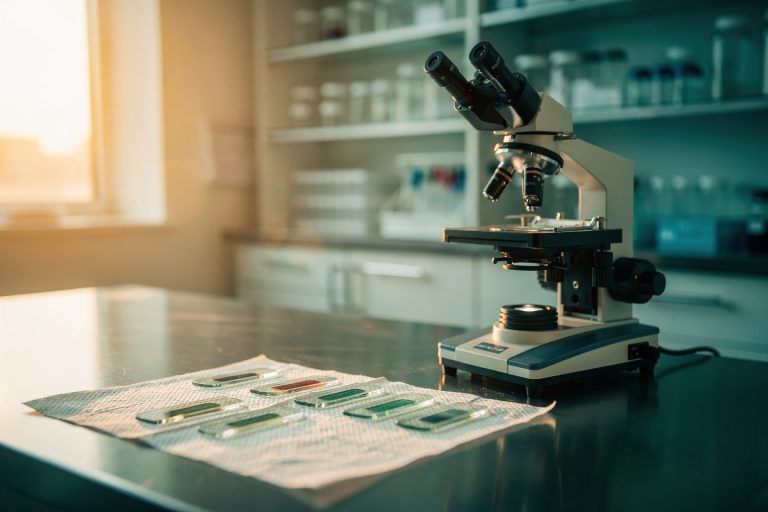
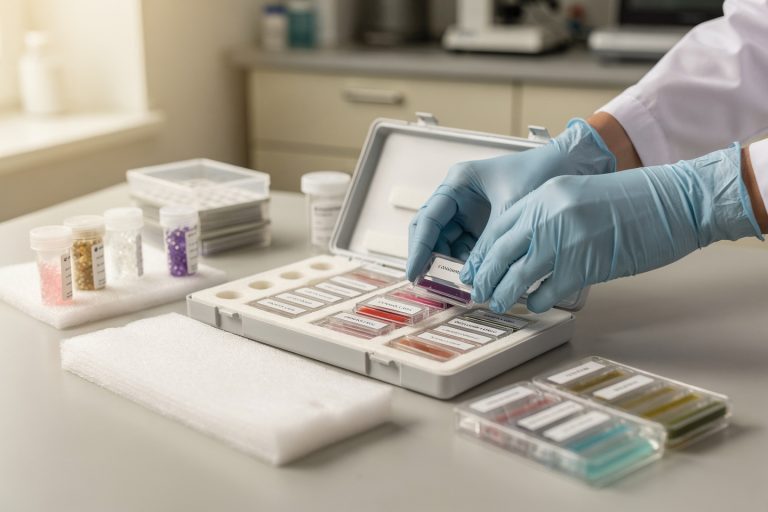
The original tissue sample, often preserved on glass slides or in paraffin blocks, is sent to another laboratory for review. The second pathologist examines the same material and provides their own interpretation.
In some cases, the second opinion confirms the original diagnosis. In others, it may refine or clarify certain aspects. Occasionally, it may lead to a different conclusion. All of these outcomes are part of the value of getting another perspective.
What You Need to Request
One of the biggest misconceptions is that getting a second opinion is complicated or requires special permission. In reality, you have the right to request your pathology materials.
The key items typically include your pathology report, which contains the written findings and diagnosis, and the actual biopsy slides used to make that diagnosis. In some cases, additional materials like tissue blocks may also be requested.
These materials are usually held by the lab that processed your biopsy. You can request that they be sent to another institution or specialist for review. Your doctor’s office can often help coordinate this, but patients can also initiate the process themselves.
How to Start the Process
The first step is simply asking. You can contact your doctor’s office or the pathology lab directly and let them know you’d like to obtain your materials for a second opinion.
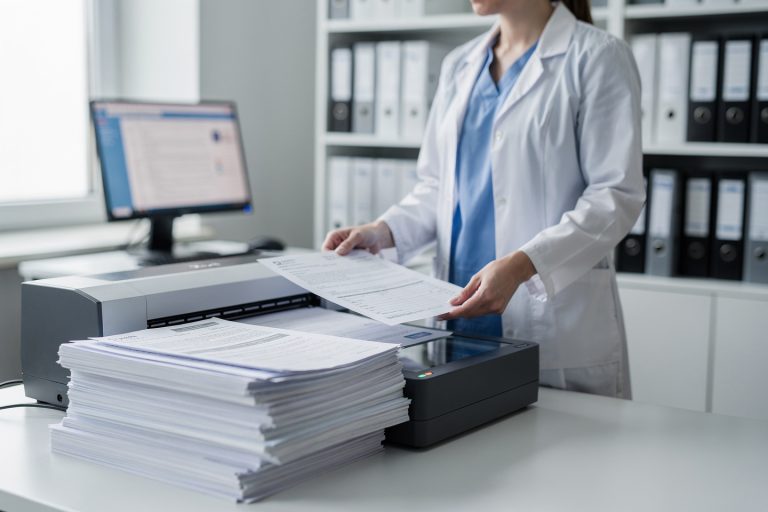
Most labs have a standard process for releasing slides and reports. You may need to fill out a form or provide written authorization. This is a routine request, and labs handle it regularly.
It’s also helpful to decide where you want the second opinion to come from. Some patients choose a large academic center, while others look for specialists in a specific area of pathology.
What to Expect Along the Way
Once your materials are sent, the second review process is similar to the first. The pathologist examines the slides, reviews the report, and may perform additional testing if needed.
The turnaround time can vary depending on the complexity of the case and whether additional studies are required. Just like the initial biopsy, careful evaluation takes time.
When the second opinion is complete, you’ll receive a report with the findings, which can help you better understand what happens after pathology is finalized. This may be shared directly with you, your doctor, or both.
Common Concerns About Getting a Second Opinion
Many patients worry about whether requesting a second opinion will offend their doctor. In reality, most physicians understand and support this decision. It’s a normal part of patient-centered care.
Cost is another common concern. Coverage varies depending on your insurance and the reason for the second opinion, so it’s worth checking ahead of time. Even so, many patients find the clarity they gain is well worth it.
Some people also wonder whether it will delay treatment. In certain urgent situations, timing is important, but in many cases, taking the time to confirm a diagnosis can actually lead to better, more confident decisions.
What Happens After You Get the Second Opinion
Once you have a second opinion, the next step is understanding what it means for you.
If the findings match the original report, that often brings reassurance. If there are differences, your doctor can help you understand how they affect your diagnosis or treatment plan.
This is also a good time to ask questions and make sure you feel comfortable with the path forward.
Understanding Before and After the Second Opinion
At Honest Pathology, we work with patients at different points in this process through pathology consultation services. Some come to us before requesting a second opinion because they want to better understand their original report first. Others come afterward, looking for help making sense of two different reports.
We don’t reinterpret or replace your diagnosis, but we do help you understand what your report says, how certain it is, and what questions you may want to ask your care team. That clarity can make the entire second opinion process feel more manageable.
Taking an Active Role in Your Care
Requesting a second opinion is one of the most practical ways to take an active role in your healthcare. It’s about making sure you have the information you need to feel confident in your decisions.
The process may seem unfamiliar at first, but it’s built on systems that are already in place to support patients. Once you take that first step, it often becomes much more straightforward than expected.
And most importantly, it gives you something that’s hard to put a price on: confidence that you truly understand your diagnosis and the path ahead.