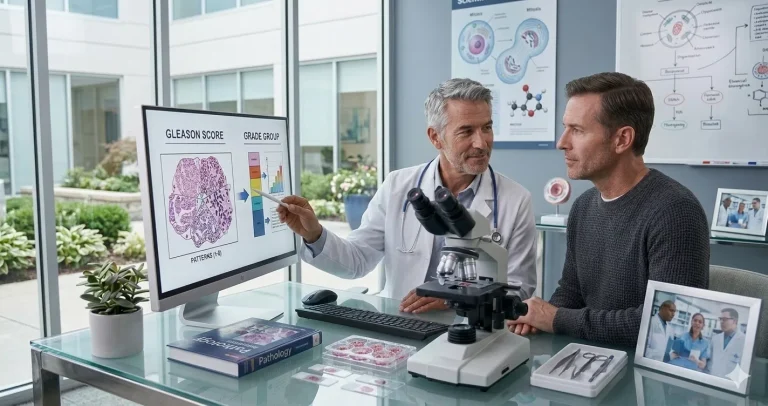
Pathology reports are often associated with cancer diagnoses, but the majority of pathology specimens are non-cancerous. These include biopsies, tissue samples, and lab results related to inflammation, infection, autoimmune conditions, organ dysfunction, and benign tumors. While non-cancer findings may not carry the same urgency as cancer diagnoses, reviewing these reports with a pathologist can provide critical insights into overall health, guide treatment, and prevent misunderstandings.
Understanding What Non-Cancer Pathology Reports Show
Non-cancer pathology reports describe what the tissue or sample shows under the microscope, including normal structures, inflammation, infection, tissue injury, or benign growths. For example, a liver biopsy may reveal mild fatty changes, early fibrosis, or chronic hepatitis, while a kidney biopsy might show minimal change in disease or focal segmental glomerulosclerosis. A skin biopsy may indicate eczema, psoriasis, or an allergic reaction.
Even when the findings are not cancer, the details in the report can inform treatment choices, monitoring plans, and lifestyle adjustments. Pathologists can explain the significance of subtle changes that might otherwise be overlooked, helping patients understand the meaning and implications of their results.
Clarifying Technical Language and Terminology
Non-cancer pathology reports often include technical terms that can be confusing. Words such as hyperplasia, chronic inflammation, atypia, fibrosis, or reactive changes are not inherently alarming, but without context, they can be misinterpreted. For instance, a colon biopsy might describe “mild chronic inflammation with architectural distortion,” which could suggest an early inflammatory bowel condition rather than cancer.
Pathologists can translate this language into clear explanations, showing what is normal, what is abnormal, and what the findings mean for health and future care. Honest Pathology emphasizes transparency and clarity, helping patients understand the report without unnecessary anxiety.
Providing Context for Symptoms
Non-cancer pathology reports often correlate with symptoms that patients are experiencing. Reviewing these reports with a pathologist allows for a connection between the microscopic findings and the patient’s clinical picture. For example, a liver biopsy showing early fatty liver disease may explain mildly elevated liver enzymes and guide dietary or lifestyle interventions. Similarly, a skin biopsy confirming psoriasis or eczema can clarify the cause of chronic itching or rashes.
Without this explanation, patients might misattribute their symptoms, ignore early warning signs, or undergo unnecessary testing. Pathologists provide context that helps patients and their physicians take appropriate next steps.

Guiding Treatment and Monitoring
Even non-cancer findings can influence medical management. Kidney biopsies showing mild inflammation or immune deposits may prompt medications to prevent progression. Liver biopsies indicating early fibrosis may lead to follow-up blood tests or imaging to monitor changes over time. Skin biopsies may influence topical or systemic therapy choices.
By reviewing reports with a pathologist, patients gain insight into why certain treatments or monitoring plans are recommended, and how the findings may affect long-term health. Honest Pathology encourages patients to seek clear explanations that connect the microscopic findings with practical clinical guidance.
Avoiding Misinterpretation
A common mistake is assuming that a non-cancer diagnosis means no follow-up is needed. Even benign or inflammatory findings can evolve over time, and early recognition allows for timely intervention. For example, mild chronic gastritis may require treatment to prevent progression to more severe inflammation, infection, or complications. Reviewing reports with a pathologist ensures that patients do not misinterpret benign findings as inconsequential or overlook subtle changes that matter for future health.
Answering Patient Questions Effectively
Pathologists can address questions that patients may have about the significance, prognosis, and implications of non-cancer findings. For example, a patient may ask whether mild fibrosis in a liver biopsy is reversible, whether inflammation in a kidney biopsy requires medication, or whether a skin biopsy finding suggests a chronic condition. Honest Pathology emphasizes patient-centered explanations, enabling individuals to make informed decisions and reducing confusion or anxiety.
Supporting Communication with Other Healthcare Providers
Non-cancer pathology reports are part of a broader healthcare puzzle. Reviewing these reports with a pathologist helps patients understand how the findings fit with lab results, imaging, and clinical evaluations. This understanding improves communication with primary care providers, specialists, or other healthcare team members, ensuring coordinated care.
For instance, understanding the details of a liver biopsy may help a gastroenterologist recommend appropriate monitoring, while knowing the specifics of a kidney biopsy may guide a nephrologist’s treatment plan. Clear interpretation supports better decision-making and personalized care.
Promoting Patient Empowerment
Engaging directly with a pathologist fosters patient empowerment. It allows patients to ask questions, understand the reasoning behind findings, and gain confidence in their care plan. This engagement encourages active participation in follow-up, lifestyle adjustments, or treatment decisions. Honest Pathology emphasizes that patients benefit when they are provided with transparent explanations that make complex pathology accessible and meaningful.
Conclusion
Non-cancer pathology reports provide valuable information that can influence diagnosis, treatment, and monitoring even when no malignancy is present. Reviewing these reports with a pathologist helps patients understand technical language, connect findings to symptoms, clarify the significance of subtle changes, and make informed decisions. It also prevents misinterpretation, supports communication with other healthcare providers, and promotes active participation in care. Honest Pathology principles highlight the importance of clear, transparent explanations, ensuring that patients gain insight into their health and feel confident in their next steps.