Human papillomavirus, commonly abbreviated as HPV, is one of the most important factors evaluated during cervical cancer screening. HPV testing is often performed alongside Pap smear screening because persistent infection with certain HPV strains is strongly associated with cervical precancer and cervical cancer development.
At Honest Pathology, we help patients understand cervical screening results, including HPV findings on Pap smear testing, and explain how these results relate to long-term reproductive and cancer risk.
What Is HPV and Why Is It Tested in Pap Smears?
Human papillomavirus is a group of viruses that infect epithelial tissues, including the skin and mucosal surfaces of the cervix. More than one hundred HPV types have been identified, and they are broadly categorized into high-risk and low-risk groups.
High-risk HPV types are associated with cervical precancer and cervical cancer development. These viral strains can integrate into host cellular DNA and disrupt normal cell cycle regulation, leading to abnormal cellular proliferation.
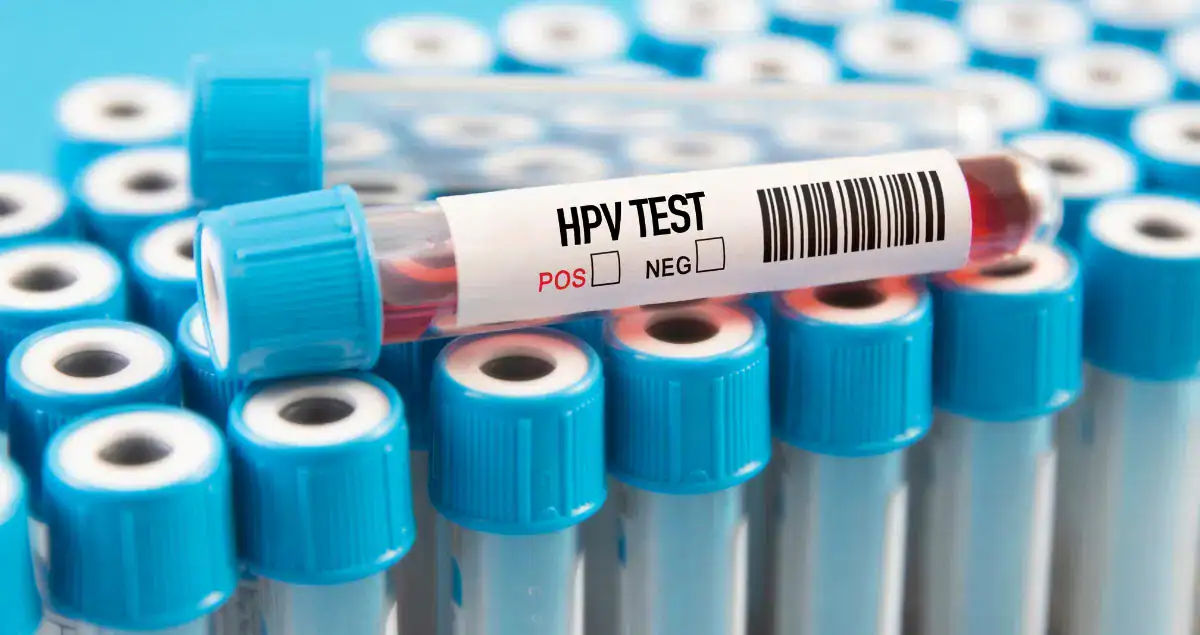
Pap smear screening detects structural changes in cervical cells, while HPV testing detects viral genetic material. Combining these methods provides more accurate screening for cervical disease than either test alone.
Persistent infection with high-risk HPV strains is the primary cause of most cervical cancers worldwide.
High-Risk Versus Low-Risk HPV Types
High-risk HPV types include strains most commonly associated with cervical cancer development. Among these, certain viral genotypes are responsible for the majority of HPV-related malignancies.
Low-risk HPV types are generally associated with benign conditions such as genital warts and are not typically linked to cancer development.
A positive high-risk HPV result does not mean that cancer is present. Instead, it indicates that the patient has been exposed to a viral strain capable of contributing to cellular abnormalities if infection persists.
Most HPV infections are cleared naturally by the immune system within a few years, particularly in younger individuals.
HPV Results and Pap Smear Findings
Pap smear results and HPV results are interpreted together when possible because the combination provides more precise risk stratification.
A normal Pap smear with negative HPV testing usually indicates very low immediate risk of cervical cancer. Follow-up screening intervals may be extended depending on clinical guidelines.
If HPV testing is positive but Pap smear cytology is normal, physicians may recommend repeat testing in the future rather than immediate invasive evaluation because many infections resolve spontaneously.
When Pap smear abnormalities are present along with high-risk HPV infection, further evaluation such as colposcopy may be recommended.
At Honest Pathology, emphasis is placed on helping patients understand that HPV positivity is common and does not automatically indicate cancer.
HPV and Cervical Precancer Risk
Persistent high-risk HPV infection is the most significant risk factor for cervical intraepithelial neoplasia and cervical cancer.
The progression from HPV infection to cervical precancer and then to invasive cancer typically occurs slowly over several years. This gradual progression provides opportunities for detection and treatment before cancer develops.
Not every HPV infection leads to cellular abnormalities. Many infections are transient and are eliminated by the immune system without causing long-term harm.
Regular screening remains the most effective method for identifying patients who may develop precancerous changes.
Symptoms Associated With HPV Infection
HPV infection itself often produces no symptoms.
Some individuals may develop visible manifestations such as genital warts when infected with low-risk HPV strains.
Cervical HPV infection is usually detected through screening rather than symptoms. Symptoms such as abnormal bleeding, bleeding after intercourse, or unusual discharge should always be evaluated because they can be associated with multiple gynecologic conditions.
HPV Vaccination and Prevention
Vaccination against high-risk HPV strains has significantly reduced the incidence of cervical precancer and cancer in populations with high vaccination coverage.
The HPV vaccine is most effective when administered before exposure to the virus, which is why vaccination is recommended during adolescence.
However, vaccination can still provide benefits in some individuals who are older or may have already been exposed to certain HPV types.
Preventive measures also include routine cervical screening, safe sexual practices, and avoidance of tobacco use, which can impair immune response to viral infection.
What Happens After a Positive HPV Test?
Receiving a positive HPV result does not mean cancer is present.
The next step depends on age, Pap smear findings, and specific HPV genotype results.
Some patients may be advised to undergo repeat testing after a defined interval because the immune system may clear the infection naturally.
If abnormal cytology is present or high-risk HPV persists, colposcopic examination and biopsy may be recommended to evaluate cervical tissue more closely.
Follow-up strategies are designed to detect precancerous changes early while avoiding unnecessary invasive procedures.
HPV Persistence and Cancer Risk
The greatest cancer risk occurs when high-risk HPV infection persists over time.
Transient HPV infection is common and often resolves without intervention.
Persistent infection, especially with high-risk oncogenic strains, increases the likelihood of developing cervical dysplasia and, if untreated, cervical cancer.
Regular screening is essential because persistent infection may not produce symptoms until cellular changes have already developed.
At Honest Pathology, patient education emphasizes that HPV positivity represents risk stratification rather than a definitive disease diagnosis.
Prognosis and Long-Term Outlook
The long-term outlook for individuals with HPV infection is generally good when screening guidelines are followed.
Most HPV infections are cleared naturally.
Even when precancerous lesions develop, treatment is highly effective when abnormalities are detected early.
The primary goal of cervical screening programs is prevention of invasive cervical cancer through early identification and management of cellular abnormalities.
Common Questions About HPV in Pap Smears
Many patients want to know whether HPV infection means they will develop cancer. The answer is no. Most HPV infections do not lead to cancer because the immune system clears the virus in many cases.
Another frequent question involves transmission. HPV is primarily transmitted through skin-to-skin sexual contact, and infection can occur even without visible symptoms.
Patients also often ask whether HPV infection can be cured. There is no specific antiviral cure for HPV, but the immune system often eliminates the virus over time.
Testing positive for HPV does not imply recent infection, because the virus may remain dormant for years before detection.
Importance of Continued Screening
Even after HPV vaccination or negative screening results, continued cervical screening is important because no preventive measure provides absolute protection.
Screening intervals depend on age, testing method, and previous results.
Adhering to screening recommendations significantly reduces cervical cancer mortality by detecting precancerous changes before invasive cancer develops.
The Bottom Line
HPV plays a central role in cervical cancer development and is routinely evaluated in Pap smear screening programs.
A positive HPV result does not mean cancer is present. Instead, it indicates viral exposure associated with potential risk if infection persists.
Most HPV infections resolve naturally, and regular screening helps identify individuals who may develop cervical precancerous changes.
Early detection, vaccination, and follow-up care are the most effective strategies for preventing cervical cancer.
At Honest Pathology, the goal is to help patients interpret HPV and Pap smear results in a clear and meaningful way so they can make informed decisions about their health