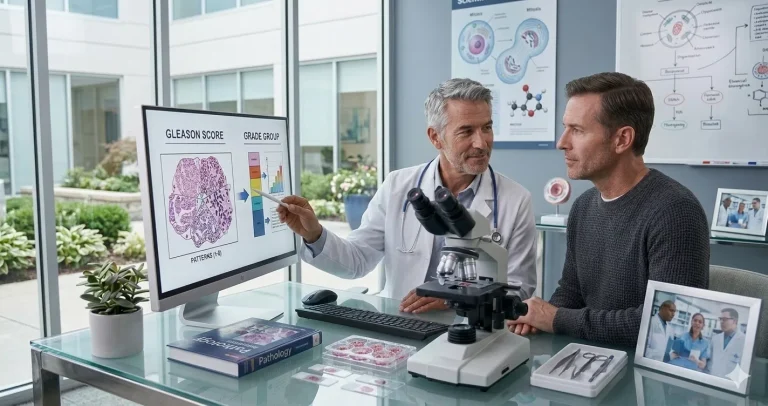
Gastrointestinal symptoms such as abdominal pain, heartburn, unexplained weight loss, diarrhea, constipation, or bleeding can be distressing. When these issues persist, gastrointestinal pathology provides the most accurate insight into what is happening in the digestive system. Pathology reports offer a microscopic view of tissue from the digestive tract, giving essential information for diagnosis and treatment.
The Role of GI Pathology in Diagnosis
The gastrointestinal system includes the esophagus, stomach, small intestine, colon, rectum, liver, pancreas, and biliary system. Many conditions affecting these organs produce similar symptoms, making diagnosis challenging without tissue analysis. Pathology reveals inflammation, infection, abnormal growths, autoimmune activity, and precancerous changes that may not appear in imaging or routine lab tests.
Clear communication of pathology results helps patients understand the findings, how they relate to symptoms, and what steps may follow. Transparent interpretation allows patients and healthcare providers to make informed decisions about care.
How Tissue Samples Are Collected
Tissue samples for gastrointestinal pathology are usually collected during procedures such as upper endoscopy or colonoscopy. A flexible camera allows a gastroenterologist to visualize the digestive lining and obtain biopsies for microscopic evaluation. Tissue may be sampled even when it appears normal, because many conditions cannot be identified visually.
The samples are preserved and sent to a laboratory for processing and staining before microscopic examination. Biopsies are very small, heal quickly, and provide crucial diagnostic information.
Microscopic Examination of GI Tissue
Pathologists examine the tissue for several key features. The overall structure of the tissue is assessed first. Healthy GI tissue shows organized patterns, such as well-aligned villi in the small intestine or structured glands in the stomach. Changes like flattened villi, gland distortion, or disrupted architecture can indicate inflammation, chronic disease, or tissue injury.
The type and extent of inflammation are also analyzed. Acute inflammation may result from infection or medications, while chronic inflammation often reflects autoimmune or long-term digestive conditions. The type and location of immune cells provide clues about the underlying cause and disease duration.
Abnormal growths, including polyps, are examined for signs of precancerous or cancerous changes. Early detection of these abnormalities allows for timely intervention.
Diagnosing GI Conditions Through Pathology
Pathology provides definitive diagnosis for many gastrointestinal conditions. Inflammatory bowel diseases such as Crohn’s disease and ulcerative colitis are distinguished by microscopic patterns of inflammation. Celiac disease is confirmed through small intestine biopsies showing villous atrophy and increased intraepithelial lymphocytes.
Infections caused by bacteria, viruses, or parasites can produce distinctive tissue changes. Gastritis, esophagitis, and colitis caused by acid reflux, medications, or autoimmune activity are also diagnosed through biopsy. Polyps removed during colonoscopy are analyzed for dysplasia, indicating abnormal cells that may increase cancer risk.
Cancers of the gastrointestinal tract are confirmed through pathology, which identifies the type, grade, and aggressiveness of tumor cells. This information is critical for determining treatment, including surgery, chemotherapy, or radiation therapy.

Understanding a GI Pathology Report
A GI pathology report begins with patient details, the procedure performed, and the site of each biopsy. The gross description explains what the tissue looked like before microscopic examination. The microscopic description details the cellular structure, tissue architecture, inflammation, and abnormalities. The final diagnosis summarizes the findings in clear terms.
Technical terms such as “chronic inflammation,” “glandular distortion,” or “increased intraepithelial lymphocytes” describe specific observations under the microscope. Understanding these terms helps interpret the severity, duration, and type of disease. Reports provide guidance for follow-up, treatment decisions, and monitoring.
A straightforward and transparent explanation of pathology reports, like the approach emphasized by Honest Pathology, helps patients and providers work together more effectively while reducing confusion about complex terminology.
Turnaround Time for GI Pathology Results
Standard gastrointestinal biopsies are usually analyzed within a few days. Complex studies, including special stains or molecular tests, may take longer. Accurate results require careful processing, so timing can vary depending on the complexity of the tissue and testing required.
Accuracy and Limitations
Gastrointestinal pathology is highly accurate and is considered the gold standard for many digestive diseases. Tissue samples represent only the areas biopsied, so disease in other regions may not be detected. Multiple biopsies are often taken to minimize this limitation.
Early-stage or mild disease may show subtle changes that are challenging to detect. Repeat biopsies or additional testing may be required for confirmation. Despite these limitations, pathology provides information that cannot be obtained through imaging or lab tests alone.
What GI Pathology Reports Reveal
GI pathology reports identify the causes of symptoms such as abdominal pain, diarrhea, bleeding, or unexplained weight loss. They confirm diagnoses including celiac disease, inflammatory bowel disease, gastritis, esophagitis, infections, precancerous polyps, and gastrointestinal cancers.
Reports also describe disease severity and duration, which informs treatment decisions. Chronic inflammation, tissue damage, or dysplasia can influence surveillance schedules and therapeutic approaches. Tissue analysis can provide insight into long-term risk, such as the likelihood of colorectal cancer in cases of longstanding inflammation or after polyp removal.
Diagnosis Without Pathology
Some gastrointestinal issues can be suggested by imaging, blood tests, or stool studies, but a definitive diagnosis often relies on tissue examination. Conditions like celiac disease, microscopic colitis, Barrett’s esophagus, inflammatory bowel disease, gastritis, and early-stage cancers are primarily diagnosed through biopsy. Imaging may reveal suspicious lesions, but only microscopic analysis confirms the type and severity of disease.
Conclusion
Gastrointestinal pathology reports are essential for accurate diagnosis, management, and long-term monitoring of digestive diseases. Transparent reporting and clear explanations help patients understand microscopic findings, tissue abnormalities, and the implications for treatment.
By interpreting these findings clearly, patients can engage actively in their care, understand the rationale behind recommendations, and collaborate effectively with healthcare providers. Pathology remains the definitive tool for understanding digestive conditions, providing clarity, precision, and guidance for optimal gastrointestinal health.