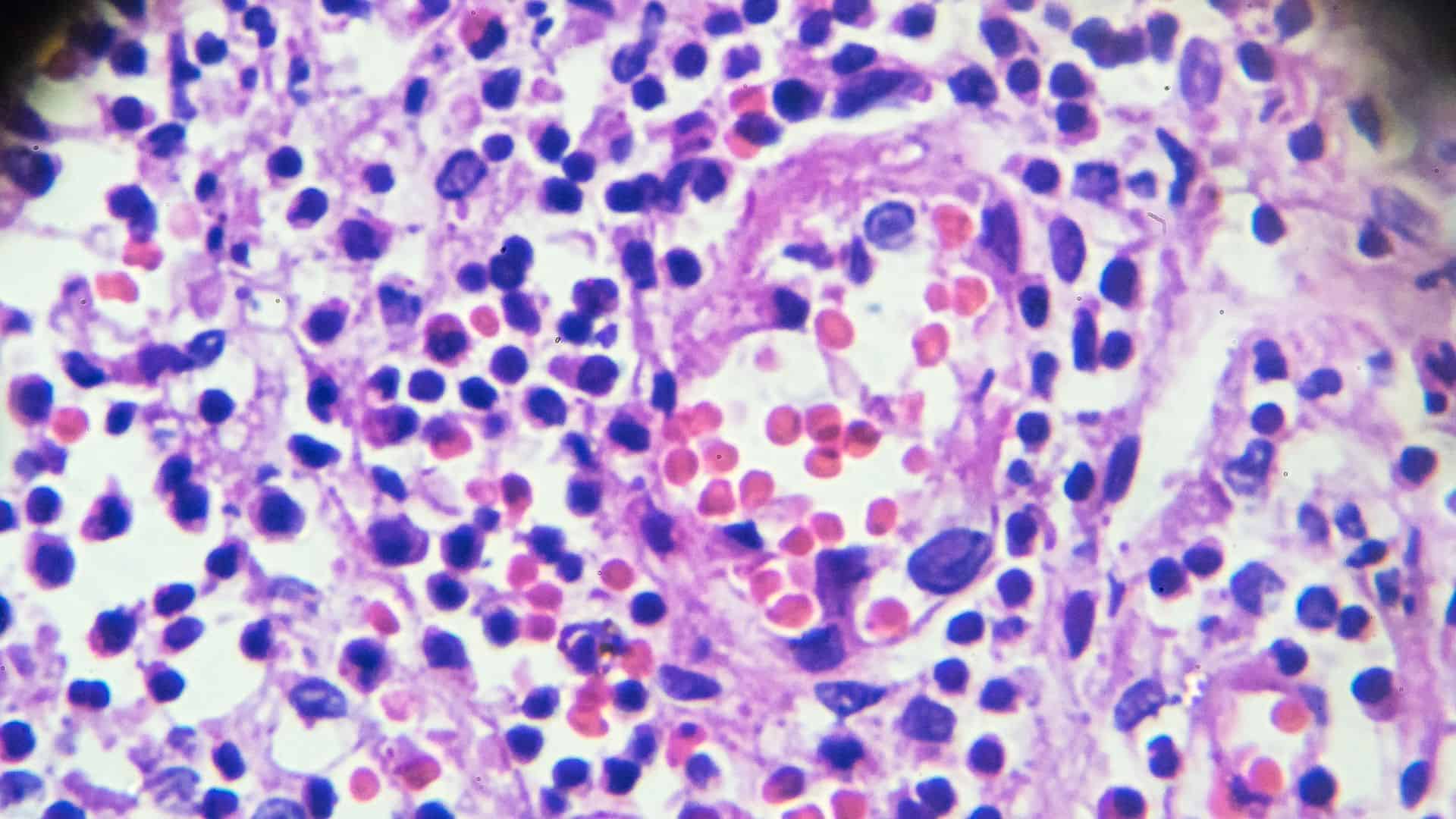
Understanding Your Vulvar Cancer Diagnosis
Clear Support to Help You Understand Your Results
Vulvar cancer develops in the tissues of the vulva and can vary in type, grade, and extent of spread. Your pathology report outlines key tumor features, helping your care team guide treatment decisions and plan appropriate follow-up care.
HONEST Pathology specialists carefully review your vulvar cancer report, providing clear explanations and supportive guidance. We help you understand what each finding means so you feel informed, reassured, and confident as you move forward.
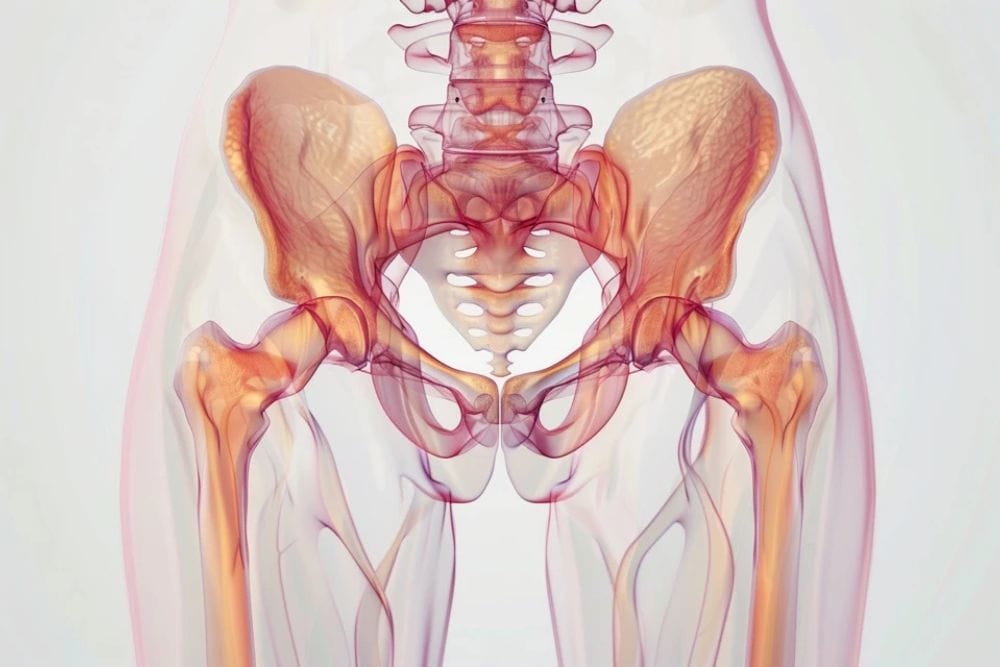

Informed Decisions

Better Conversations

Leave Empowered
Ready to Understand Your Diagnosis?
Don’t let confusion hold you back. Schedule an online consultation with our expert pathologists and get clear, personalized answers about your diagnosis — all from the comfort of home.
Frequently Asked Questions
Vulvar cancer begins in the external female genital area and most often arises from the skin cells of the vulva.
Yes. The most common type is squamous cell carcinoma, but other types such as melanoma or adenocarcinoma can also occur.
Diagnosis is made through a biopsy of the affected area, which is then examined under a microscope to confirm cancer type.
Staging describes how far the cancer has spread, including nearby tissues and lymph nodes, and helps guide treatment planning.
Tumor grade indicates how abnormal the cancer cells appear. Higher-grade tumors may grow faster and need more intensive treatment.
Lymph nodes are evaluated to determine if cancer has spread. This information affects staging and treatment decisions.
Yes. Some vulvar cancers are associated with human papillomavirus, which can influence how the cancer develops and behaves.
Regular follow-up visits help monitor healing, detect recurrence early, and ensure ongoing health after treatment.