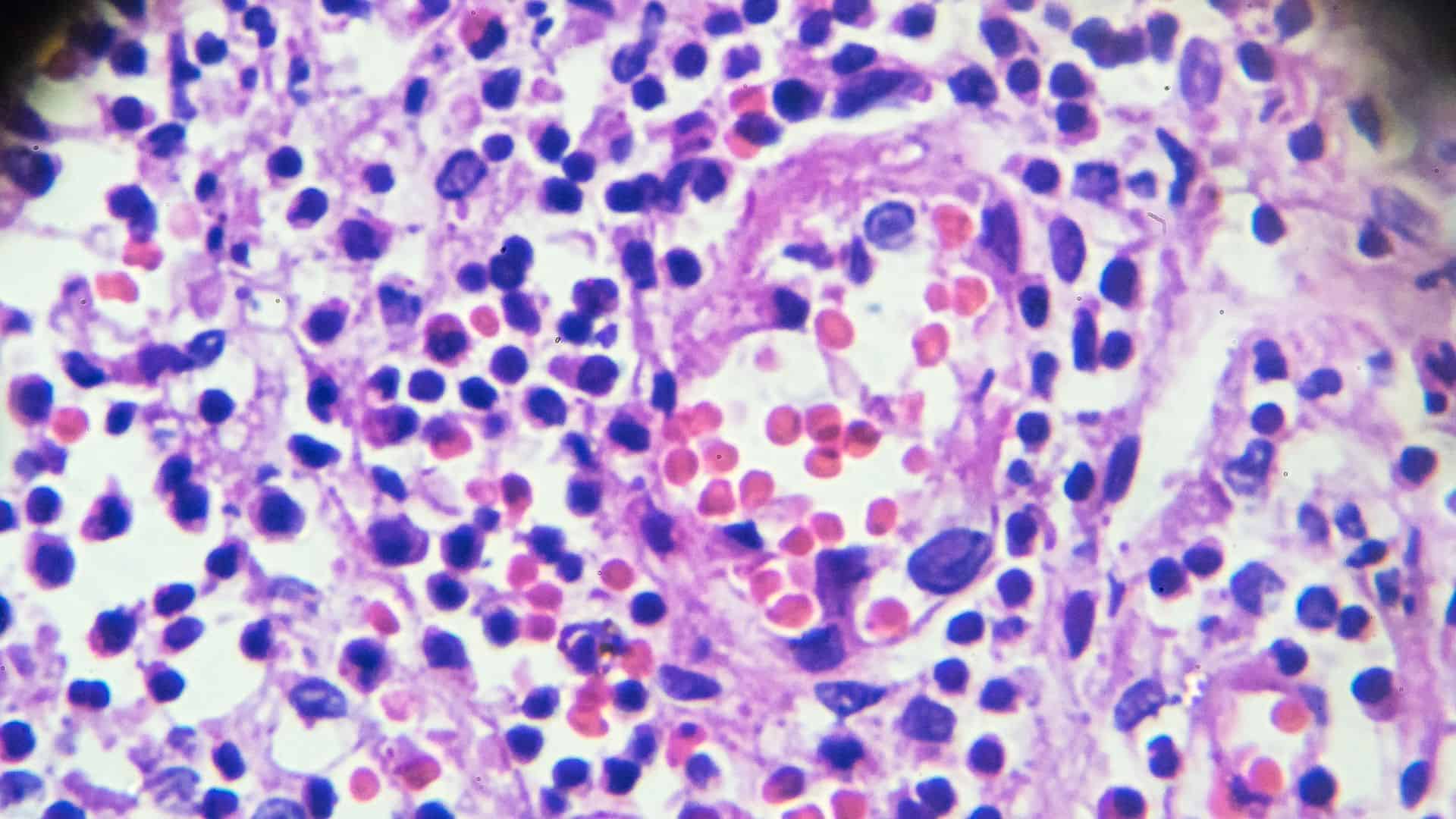
Understanding Your Uterine Fibroids Diagnosis
Helpful Information for Understanding Your Pathology Findings
Uterine fibroids are noncancerous growths that develop from the muscle tissue of the uterus. They can vary in size and number and may be discovered during imaging studies, surgery, or tissue examination. Your pathology report helps identify the characteristics of the fibroids and confirms that the growths are benign.
HONEST Pathology specialists carefully examine uterine tissue samples and provide clear explanations of your pathology findings. Our goal is to help you better understand your diagnosis, answer common questions, and support informed discussions with your healthcare provider regarding treatment and follow-up options.

Informed Decisions

Better Conversations

Leave Empowered
Ready to Understand Your Diagnosis?
Don’t let confusion hold you back. Schedule an online consultation with our expert pathologists and get clear, personalized answers about your diagnosis — all from the comfort of home.
Frequently Asked Questions
Uterine fibroids are benign tumors that arise from the smooth muscle tissue of the uterus. They are among the most common gynecologic conditions.
No. The vast majority of uterine fibroids are noncancerous and do not develop into uterine cancer.
Symptoms may include heavy menstrual bleeding, pelvic pressure, frequent urination, abdominal fullness, or pelvic discomfort.
Fibroids are commonly identified through pelvic examinations, ultrasound imaging, MRI studies, or tissue evaluation after removal.
Pathology examination confirms the diagnosis and helps distinguish fibroids from other types of uterine growths.
Depending on their size and location, some fibroids may affect fertility, pregnancy outcomes, or reproductive health.
The report examines the tissue structure, cellular appearance, and growth pattern to confirm the fibroid is benign.
Your healthcare provider may recommend monitoring, medication, minimally invasive procedures, or surgical treatment based on your symptoms and individual circumstances.