Understand Your Uterine Cancer Pathology with Confidence
Uterine cancer develops in the lining or muscle of the uterus and can vary in type, grade, and aggressiveness. Your pathology report details the tumor’s characteristics, helping your care team guide treatment decisions and plan follow-up care.
HONEST Pathology specialists review each part of your uterine cancer report carefully, providing clear explanations and supportive guidance. We help you understand what each finding means so you feel confident in your diagnosis and next steps.
Don’t let confusion hold you back. Schedule an online consultation with our expert pathologists and get clear, personalized answers about your diagnosis — all from the comfort of home.
Uterine cancer begins in the lining (endometrium) or muscle (myometrium) of the uterus. Identifying the origin helps your care team plan the most appropriate treatment.
The stage describes how far cancer has spread. Early-stage cancers may be treated with surgery alone, while advanced stages may require radiation, chemotherapy, or combination therapy.
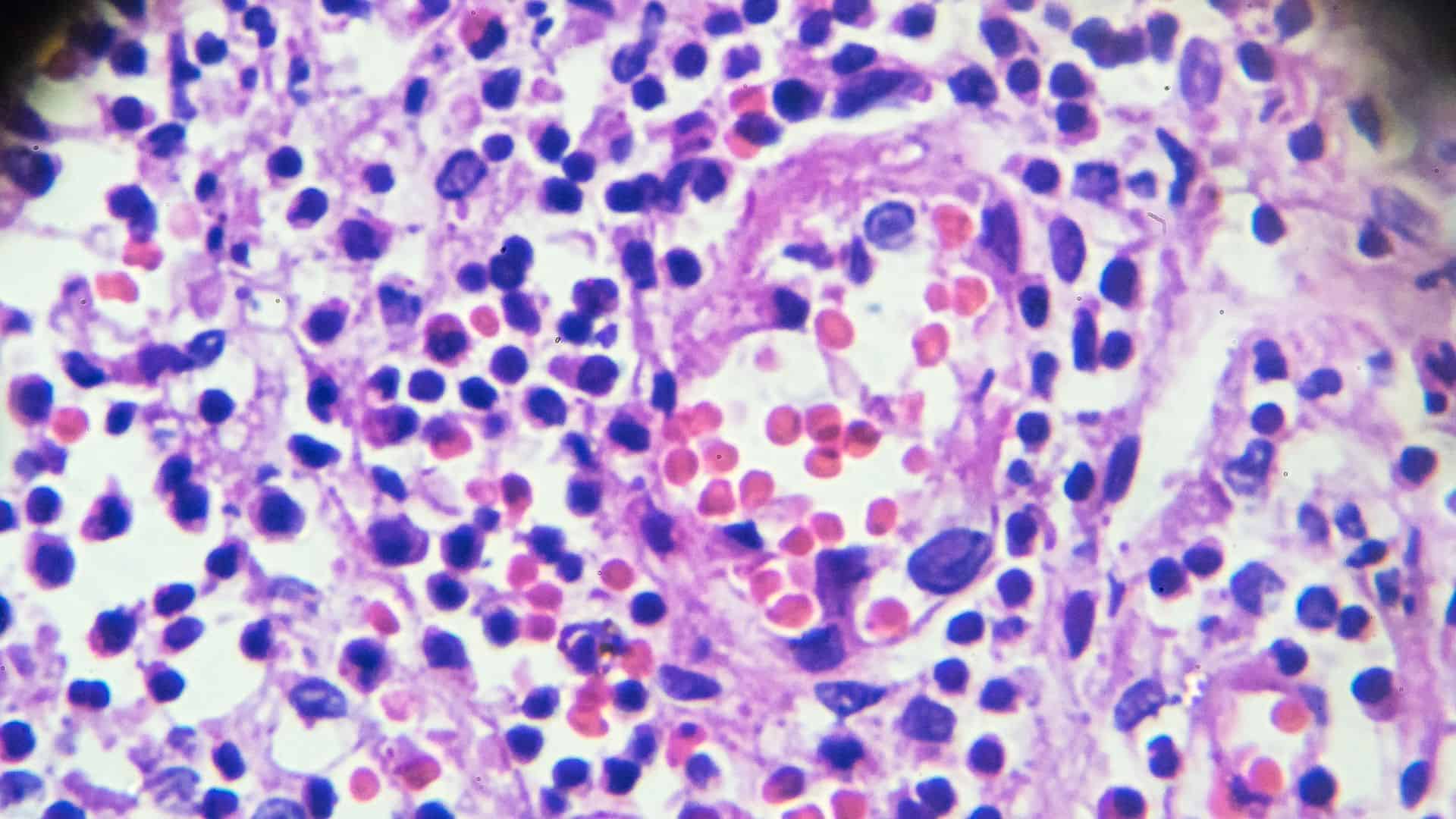
Tumor grade indicates how abnormal the cells appear under a microscope. Higher-grade tumors tend to grow faster and may need more aggressive treatment.
Clear margins mean no cancer cells are present at the edges of removed tissue. Positive margins may require additional therapy to reduce the risk of recurrence.